
Businesses are migrating from OpenAI to Amazon Nova for cost-efficient AI models with broader capabilities. Amazon Nova offers various models like Pro, Lite, and Micro, each optimized for different applications with lower costs and higher efficiency.

AI diagnostic tool delayed; Nice slow to evaluate. Govt rhetoric vs reality highlighted. Bowel cancer screening extended.
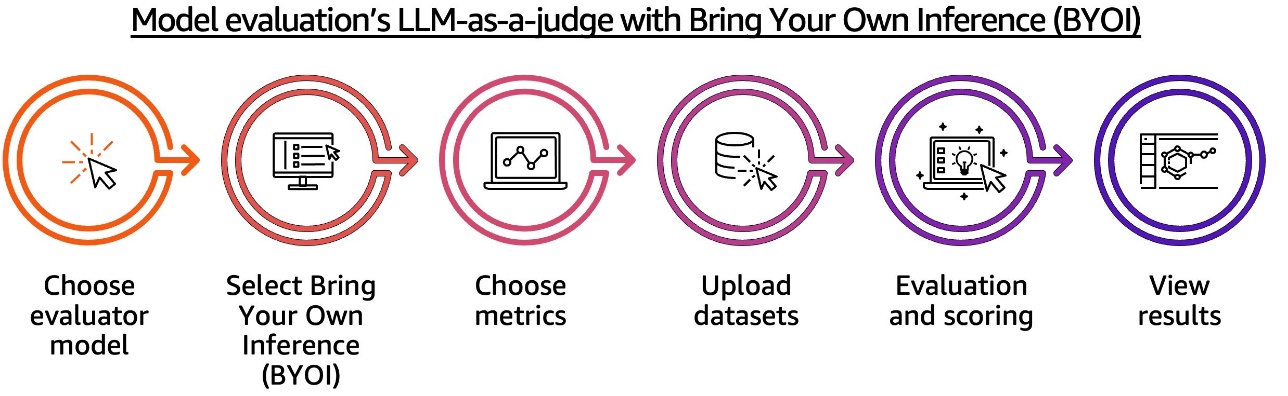
Amazon Bedrock Evaluations now offers general availability of LLM-as-a-judge and RAG evaluation features, with new BYOI capabilities for external RAG systems. New citation metrics provide deeper insights into RAG system accuracy and relevance, optimizing AI performance and quality.

Radiologists' language can mislead - new MIT study shows overconfidence when using terms like "very likely" vs "possibly." Framework developed to improve radiologists' accuracy in reporting pathologies, benefiting patient care.
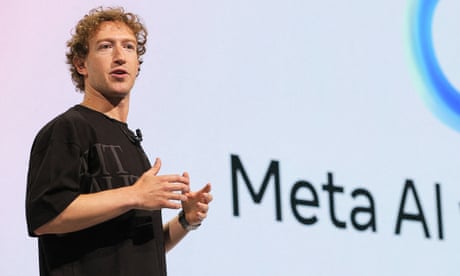
Authors protest Meta's use of LibGen for AI training at King's Cross office. Kate Mosse, Tracy Chevalier among demonstrators.

The Flash Attention algorithm revolutionizes transformers by optimizing memory access, making computations faster and more efficient. Flash Attention v3 introduces improvements for Nvidia Hopper and Blackwell GPUs, enhancing performance even further.
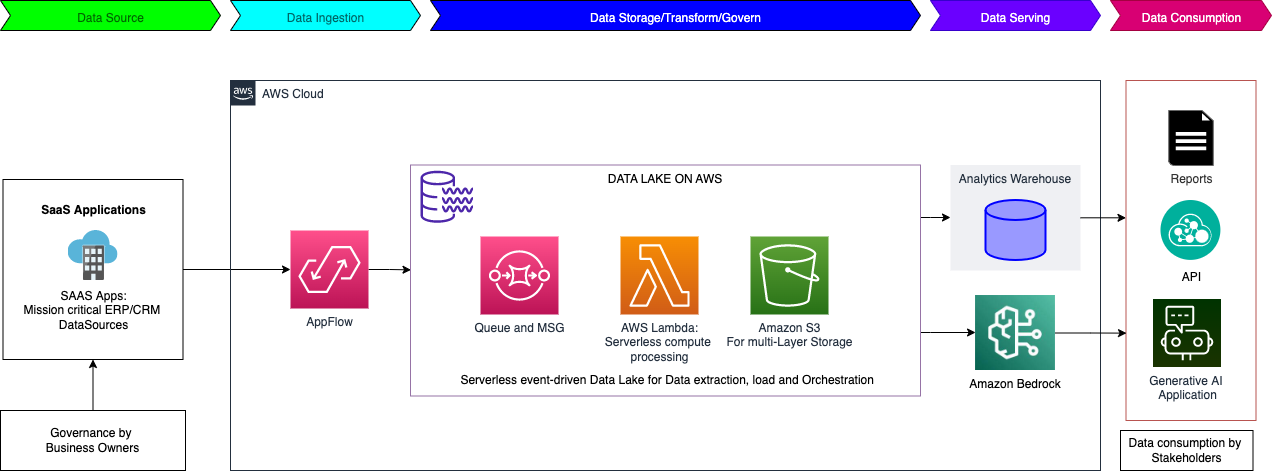
OMRON Corporation aims to transform business models with their innovative OMRON Data & Analytics Platform (ODAP), leveraging Amazon Web Services for advanced data integration and generative AI capabilities. By breaking down data silos and addressing governance challenges, ODAP provides valuable insights to optimize operations and enhance customer experiences.

AWS is developing AI Workforce, a drone and AI system for safer, faster, and more accurate infrastructure inspections. The system uses autonomous drones equipped with advanced sensors and AI to reduce risks for people, improve efficiency, and provide better data for proactive maintenance.

Reddit's $60M deal with Google to use user data for AI training raises privacy concerns. Vana offers a decentralized network where users own and control their data, reshaping AI development.
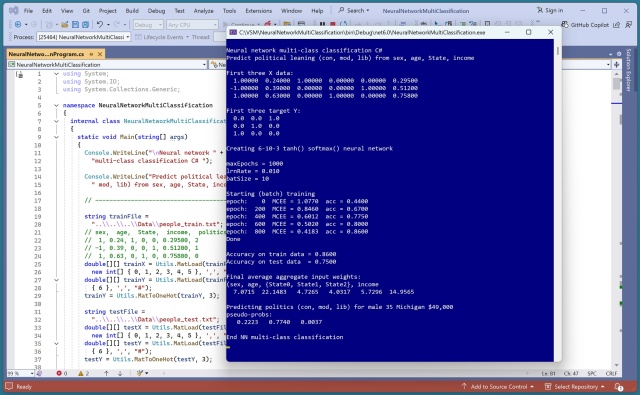
Machine learning model interpretability can be challenging. Experiment reveals age and income have the most significant impact on predicting political leanings.
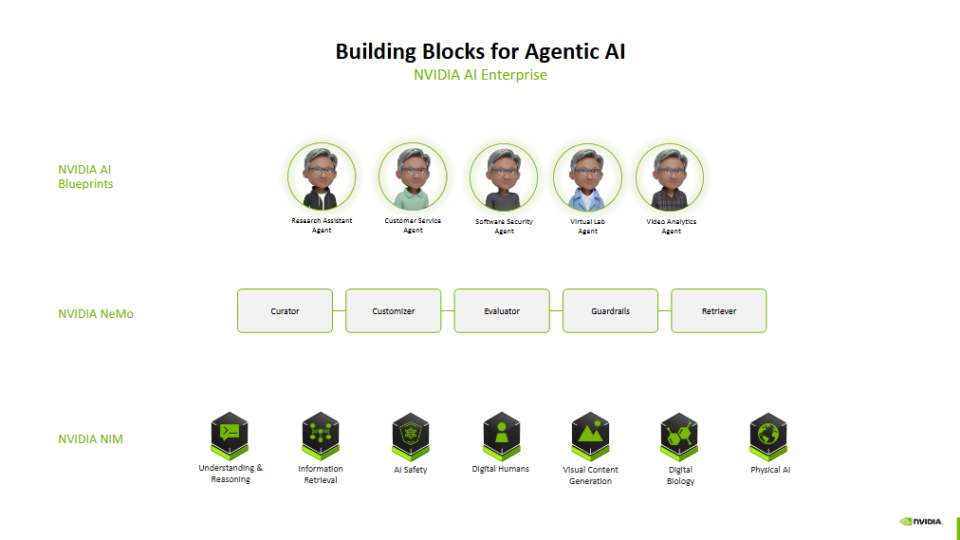
AI agents in retail provide personalized experiences, enrich product knowledge, and offer omnichannel support, redefining customer shopping experiences with seamless integration and virtual try-on capabilities. Retailers leveraging AI prioritize hyper-personalized recommendations to boost online sales and customer satisfaction, according to NVIDIA's latest report.

Legal contracts are crucial for businesses, but understanding and extracting insights can be complex. Implementing GraphRAG in Neo4j can streamline the process by structuring contracts into a knowledge graph, enabling more precise and context-aware retrieval.

Afrofuturism questions who shapes the future in the face of AI's potential to both illuminate and obliterate. Lonny Avi Brooks and Reynaldo Anderson advocate for diverse perspectives in building liberated futures.
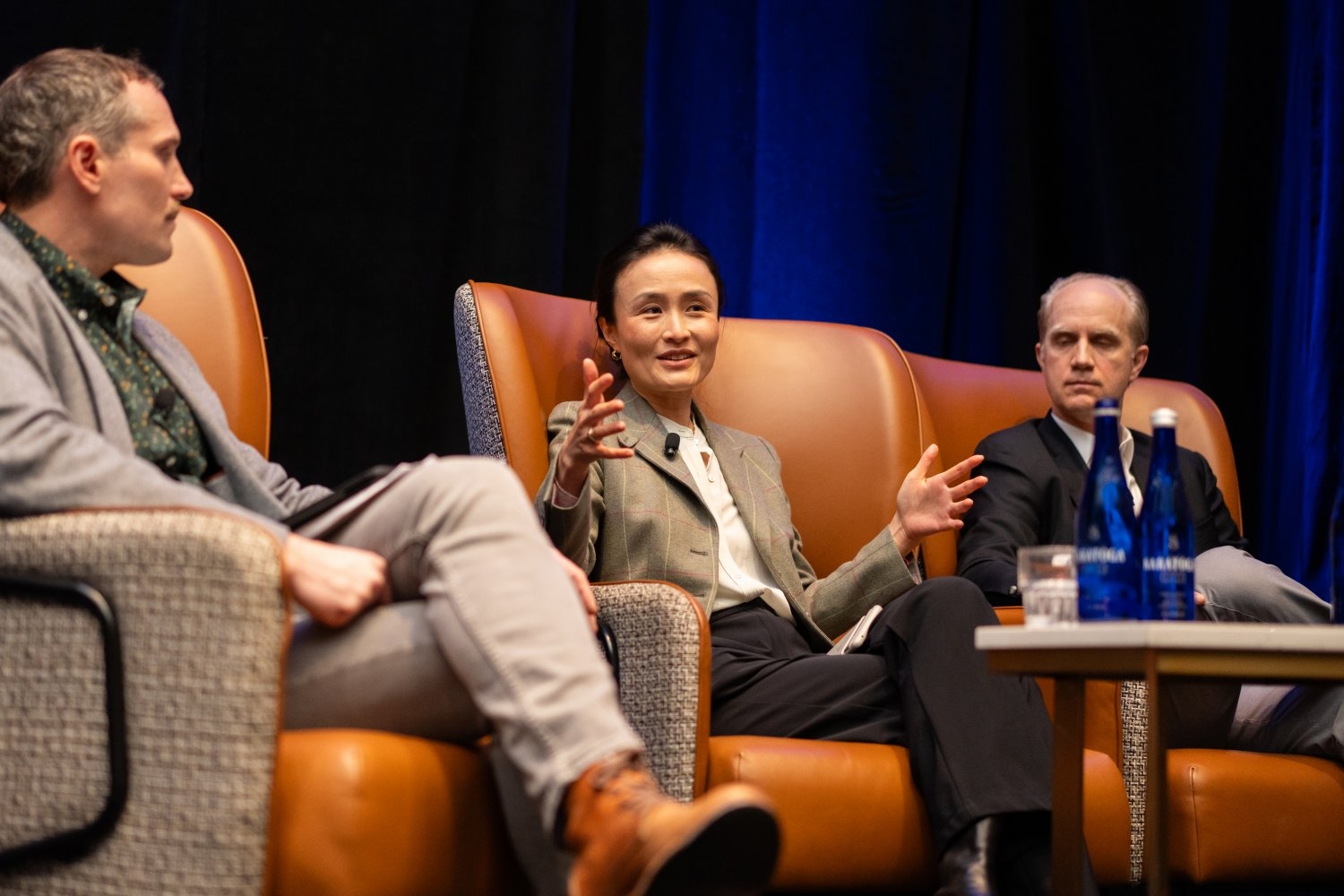
Renewable energy investment hits record high, but future uncertain. MIT Energy Conference discusses need for level playing field and government support for clean energy breakthroughs.
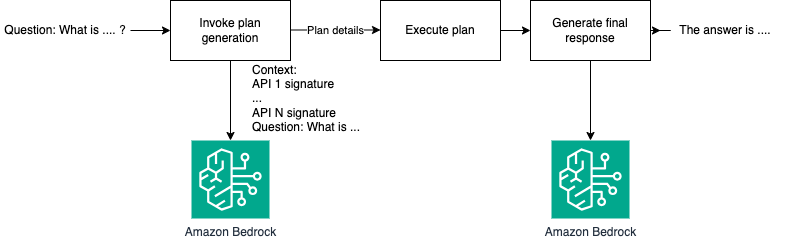
Large language models (LLMs) simplify complex tasks like dynamic reasoning and execution, revolutionizing data analysis. LLMs utilize external tools to provide accurate, context-aware answers to queries beyond text-based responses.