
Telecoms embrace generative AI, surpassing 5G milestones. Survey shows AI adoption booming, with focus on customer experience and revenue growth.
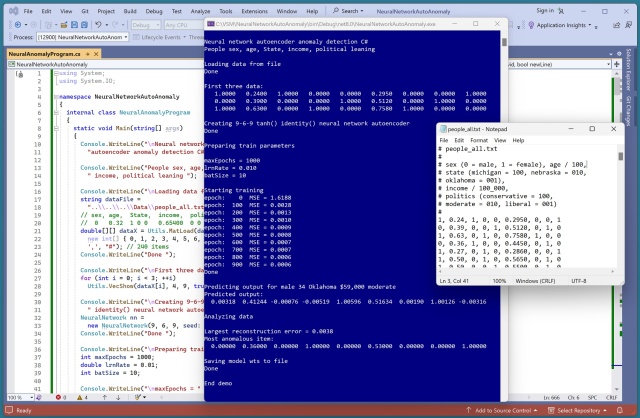
An autoencoder predicts input data, flagging anomalies. Implemented in C#, it detected a liberal male from Nebraska with $53,000 income as most anomalous. Model trained with 9-6-9 architecture, revealing insights on neural network systems.

MIT, Brigham and Women's Hospital, and Duke University researchers develop innovative strategy to identify drug transporters in the digestive tract, revealing potential drug interactions. Study in Nature Biomedical Engineering highlights the importance of understanding drug transport mechanisms for improving patient treatment and drug development.

MIT researchers develop antitampering ID tag using terahertz waves, offering tiny, cheap, and secure authentication for products. Metal particles in glue create unique fingerprint pattern, machine-learning model detects tampering with 99% accuracy.

Authorities successfully took down LockBit ransomware syndicate, seizing infrastructure and displaying takedown messages on victim-shaming sites. Investigators gained control of sensitive system access, including cryptographically hashed passwords, showcasing their high-level hacking prowess.
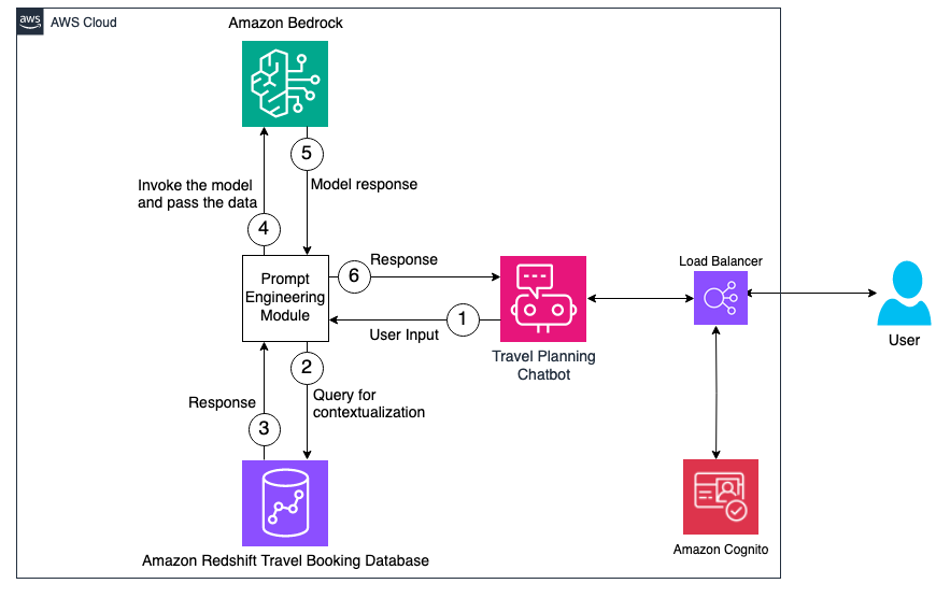
Generative AI solutions are revolutionizing industries by automating tasks and enhancing customer experiences. Amazon Bedrock offers customizable foundation models from top AI companies, enabling businesses to personalize generative AI applications for complex tasks and improve customer interactions.

FBI and NCA dismantle cybercrime gang LockBit, targeting companies like Royal Mail and Boeing. Operation Cronos seizes hacking tools and arrests key members, disrupting group.

Reddit signs $60 million AI training deal ahead of IPO, setting new precedent for tech firms. OpenAI also in talks with major publishers for AI model training.
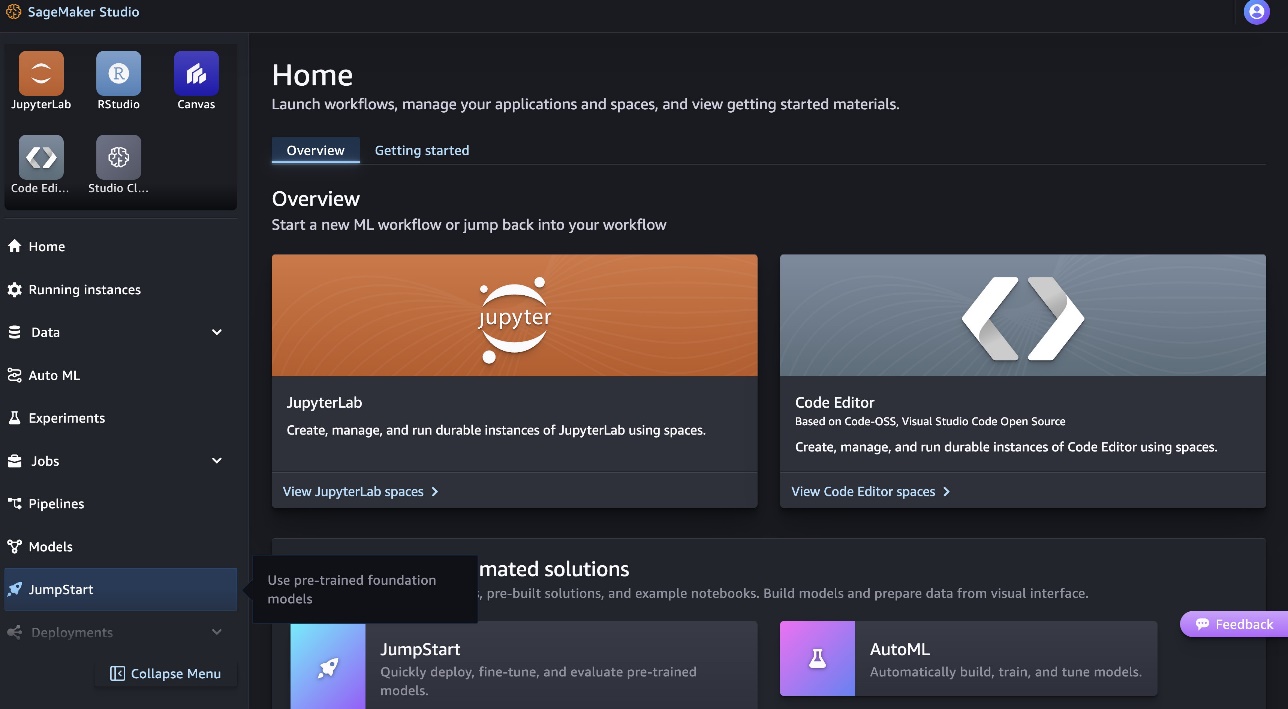
Meta's Code Llama foundation models, available on Amazon SageMaker JumpStart, offer state-of-the-art large language capabilities for generating code and natural language about code. The models come in three variants, with up to 70B parameters, designed to improve productivity for developers in various programming languages. SageMaker JumpStart provides access to a range of foundation models for...
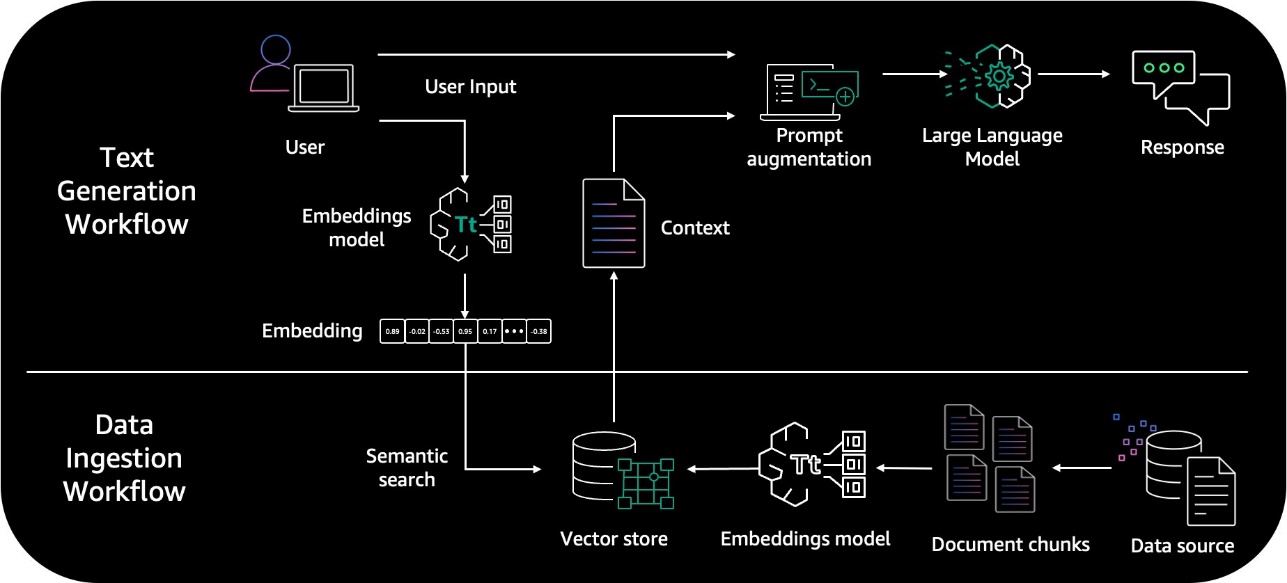
Modern chatbots provide 24/7 customer service across industries, offering real-time responses in multiple languages. Integration with knowledge bases enhances personalized, contextual responses, utilizing Retrieval Augmented Generation for improved relevance and user engagement.

Google upstages itself with Gemini Ultra 1.0 and now Gemini Pro 1.5, claiming better quality with less compute. Gemini 1.5 boasts longest context window of any large-scale foundation model, challenging OpenAI's GPT-4 Turbo.

OpenAI unveils Sora, a groundbreaking text-to-video AI model creating photorealistic HD videos from written descriptions. Reportedly surpasses all existing models in fidelity, consistency, and has tech experts in awe.
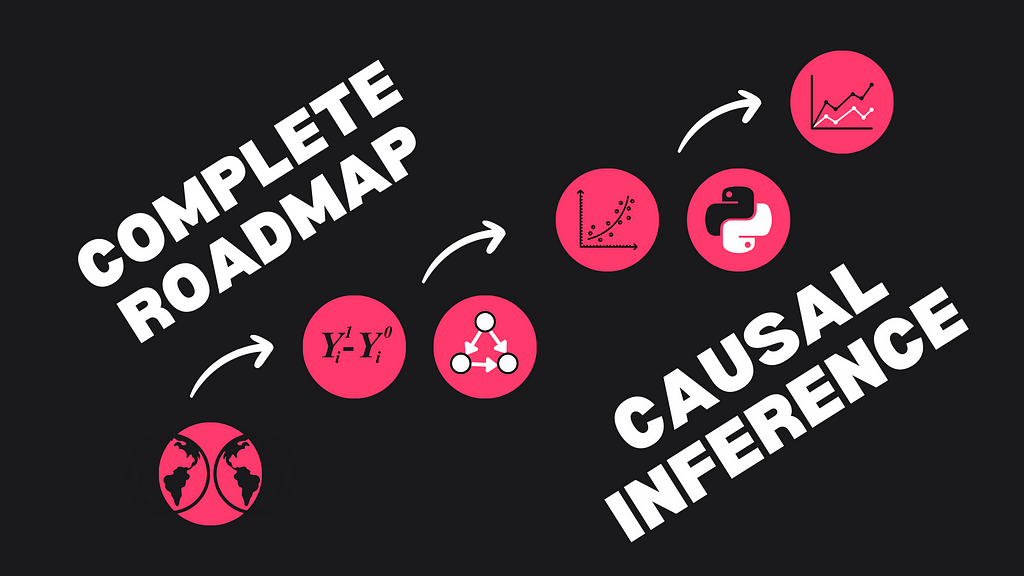
Mastering causal inference is crucial in today's data-driven world, with Google Trends showing a growing interest. Acquire this valuable skill with a self-study guide, applicable to all levels and professions.

Amazon Bedrock offers high-performing AI models from top companies like Meta and Cohere. The Titan Image Generator creates realistic images from simple text prompts, while the Multimodal Embeddings model enhances search accuracy by understanding text and images.
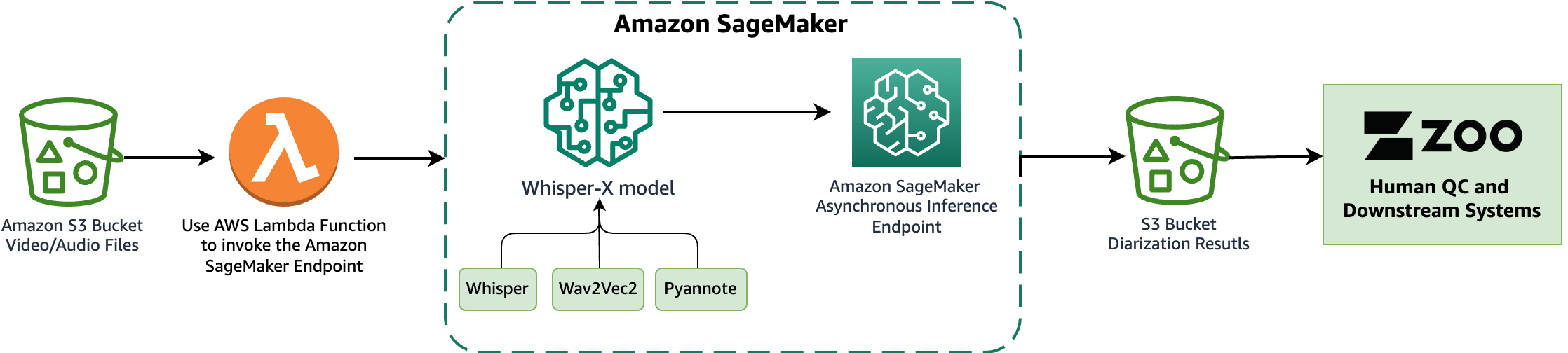
ZOO Digital revolutionizes content localization with automated diarization using Amazon SageMaker, cutting down on manual labor and time. Trusted by top entertainment names, ZOO Digital aims to achieve localization in under 30 minutes through scalable machine learning models.