
OpenAI and Common Sense Media have joined forces to create AI guidelines and educational materials for parents, educators, and teens, including family-friendly GPTs in OpenAI's GPT store. Common Sense Media aims to help teens and families safely utilize AI, expanding from their reviews of films and TV shows to AI assistants.
Unlocking Performance: Benchmarking and Optimizing Endpoint Deployment in Amazon SageMaker JumpStart
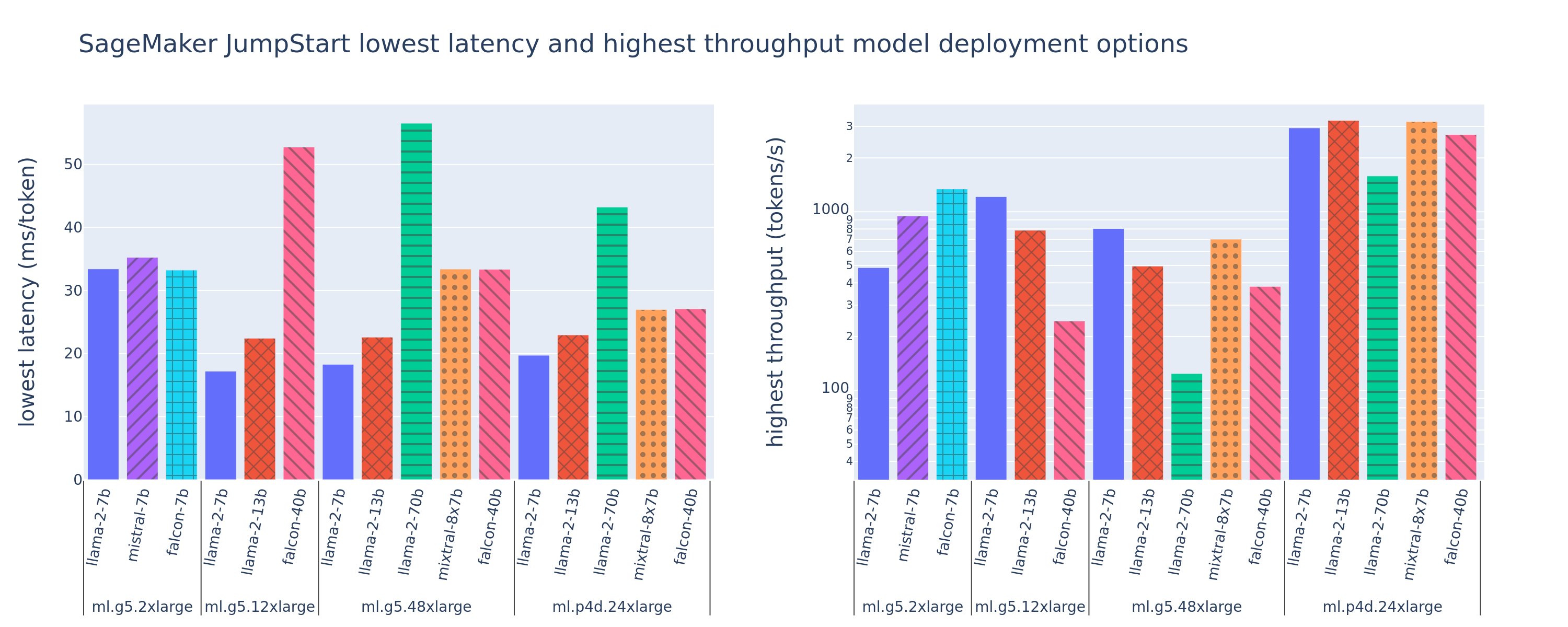
This article explores the complex relationship between latency and throughput when deploying large language models (LLMs) using Amazon SageMaker JumpStart. Benchmarking of LLMs like Llama 2, Falcon, and Mistral variants reveals the impact of model architecture, serving configurations, instance type hardware, and concurrent requests on performance.
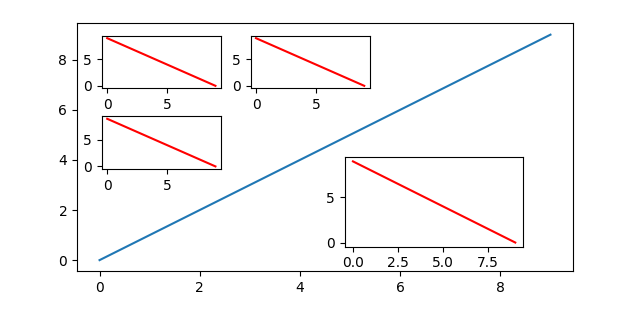
Learn how to create and style inset axes in matplotlib with this tutorial, which covers 4 methods for creating insets and 2 ways to style zoom insets using leader lines or color-coded overlays. The tutorial also introduces the outset library for multi-scale data visualization.
ChatGPT is leaking private conversations, including login credentials and personal details, as revealed by screenshots. The leaked information involves usernames and passwords linked to a pharmacy prescription drug portal's support system, highlighting serious security concerns.
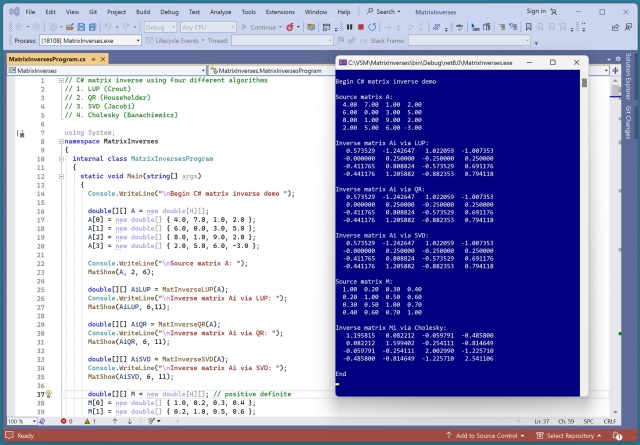
The article discusses the challenges of implementing matrix inversion code and presents a demo of four different C# functions using various algorithms. The author emphasizes the complexity and flexibility of the LUP, QR, and SVD algorithms, as well as the specific use case of the Cholesky algorithm.

The aviation industry has a fatality risk of 0.11, making it one of the safest modes of transportation. MIT scientists are looking to aviation as a model for regulating AI in healthcare to ensure marginalized patients are not harmed by biased AI models.

MIT PhD students are using game theory to improve the accuracy and dependability of natural language models, aiming to align the model's confidence with its accuracy. By recasting language generation as a two-player game, they have developed a system that encourages truthful and reliable answers while reducing hallucinations.

MIT scientists have developed two machine-learning models, the "PRISM" neural network and a logistic regression model, for early detection of pancreatic cancer. These models outperformed current methods, detecting 35% of cases compared to the standard 10% detection rate.

The MIT Abdul Latif Jameel Clinic for Machine Learning in Health discussed whether the "black box" decision-making process of AI models should be fully explained for FDA approval. The event also highlighted the need for education, data availability, and collaboration between regulators and medical professionals in the regulation of AI in health.
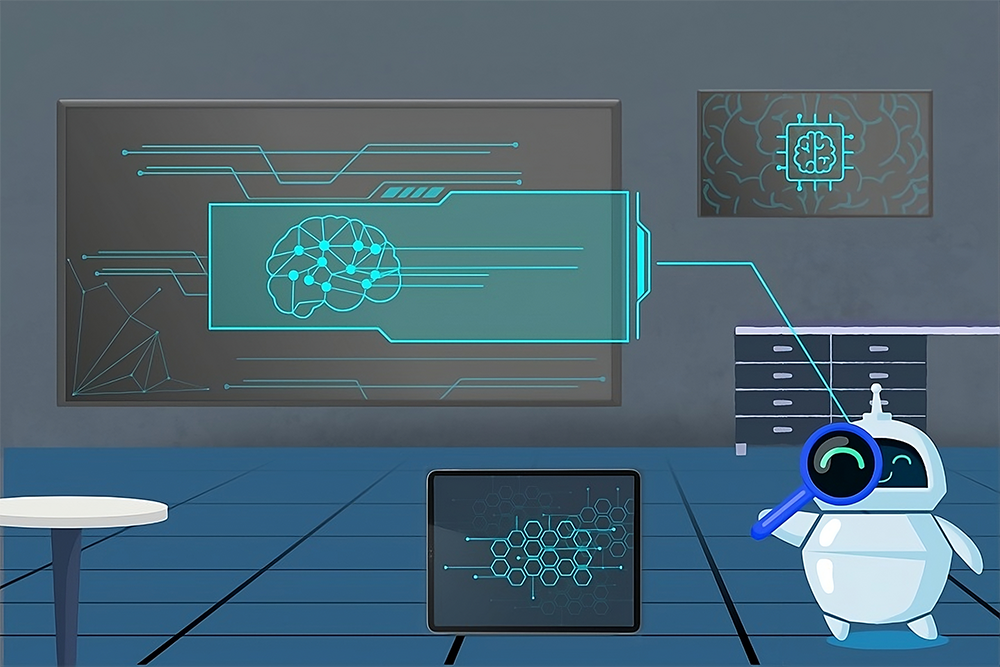
MIT researchers have developed an automated interpretability agent (AIA) that uses AI models to explain the behavior of neural networks, offering intuitive descriptions and code reproductions. The AIA actively participates in hypothesis formation, experimental testing, and iterative learning, refining its understanding of other systems in real time.

This article explores methods for creating fine-tuning datasets to generate Cypher queries from text, utilizing large language models (LLMs) and a predefined graph schema. The author also mentions an ongoing project that aims to develop a comprehensive fine-tuning dataset using a human-in-the-loop approach.
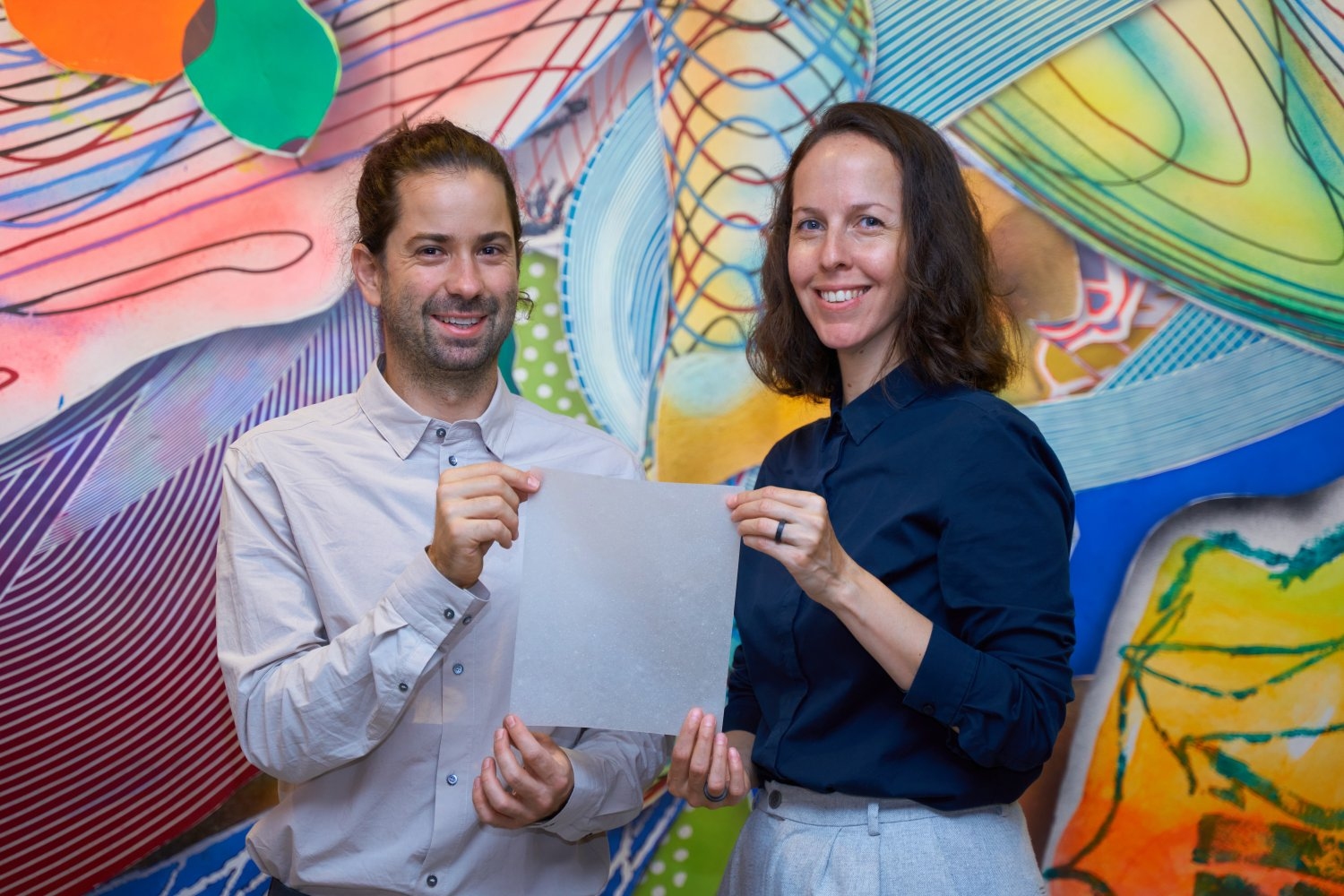
Atacama Biomaterials, a startup combining architecture, machine learning, and chemical engineering, develops eco-friendly materials with multiple applications. Their technology allows for the creation of data and material libraries using AI and ML, producing regionally sourced, compostable plastics and packaging.

MIT's Improbable AI Lab has developed a multimodal framework called HiP, which uses three different foundation models to help robots create detailed plans for complex tasks. Unlike other models, HiP does not require access to paired vision, language, and action data, making it more cost-effective and transparent.

MIT neuroscientists have discovered that sentences with unusual grammar or unexpected meaning generate stronger responses in the brain's language processing centers, while straightforward sentences barely engage these regions. The researchers used an artificial language network to predict the brain's response to different sentences.
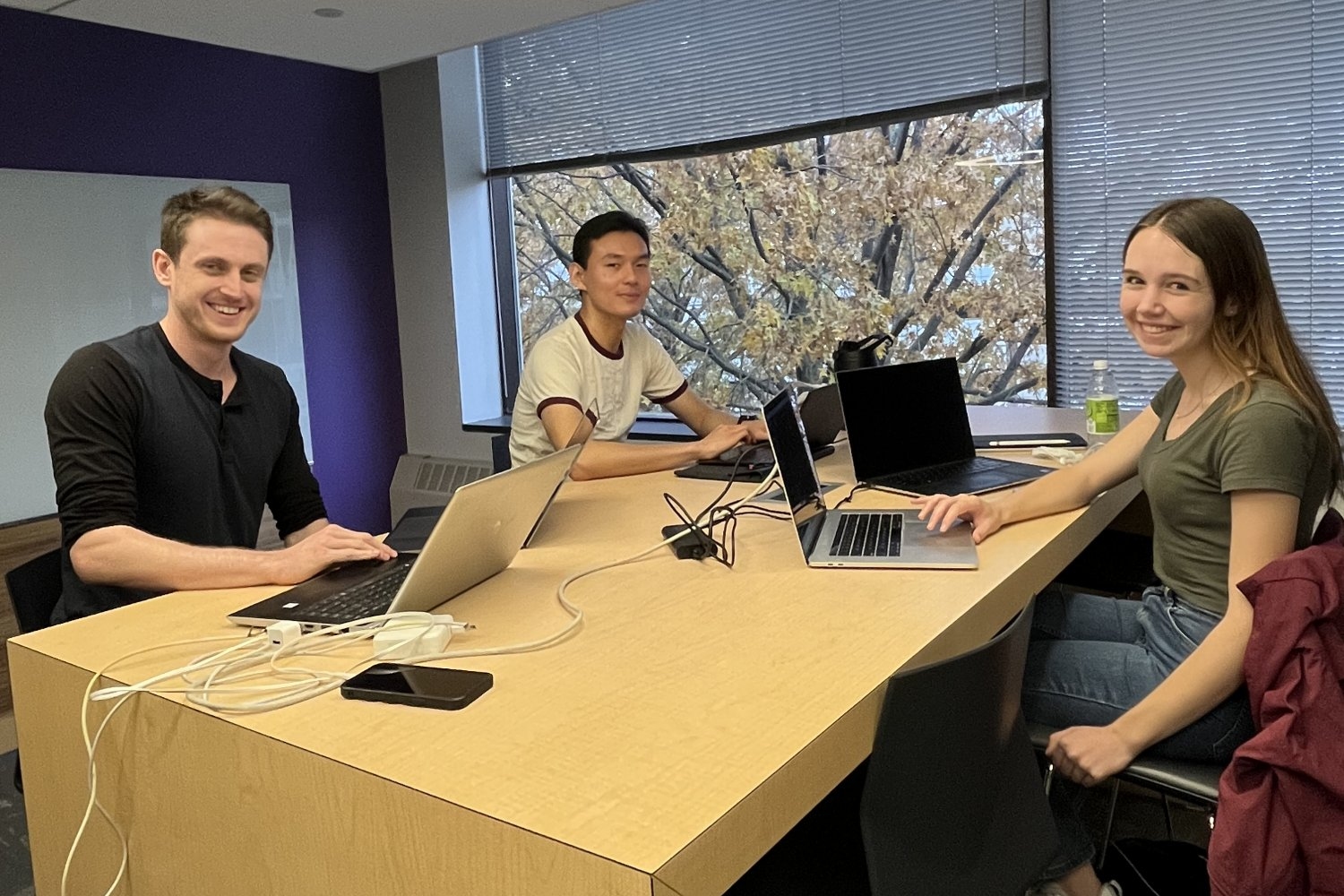
MIT Policy Hackathon brings together students and professionals from around the world to tackle societal challenges using generative AI tools like ChatGPT. Winning team "Ctrl+Alt+Defeat" focuses on addressing the eviction crisis in the US.