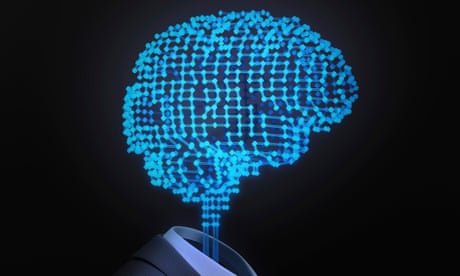
Geoffrey Hinton, the "godfather" of AI, highlights the struggle of intelligent beings controlled by less intelligent ones. The rise of AI demands a realistic understanding of our lack of control over both smart and dumb forces, as seen in current events like the coronavirus pandemic.
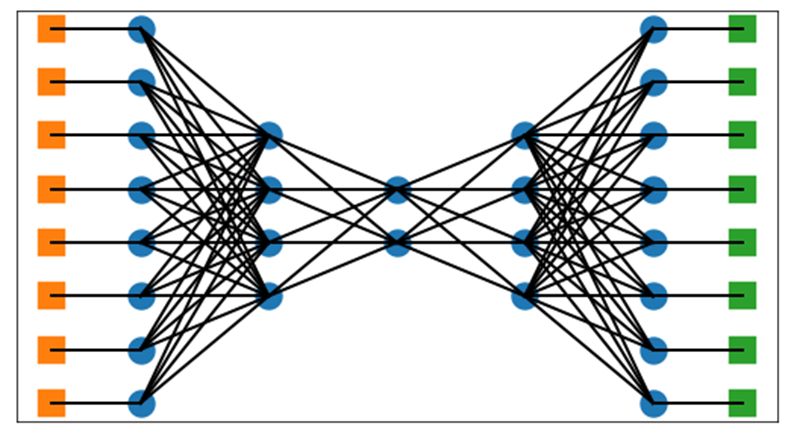
Deep learning excels in outlier detection for image, video, and audio data, but struggles with tabular data. Traditional methods still prevail in tabular outlier detection, yet deep learning shows promise for future advancements.

Meta's AI characters, including 'proud Black queer momma', sparked viral conversations before being deleted. The company plans to introduce more AI character profiles despite previous removals.

MIT researchers have developed a technique using large language models to accurately predict antibody structures, aiding in identifying potential treatments for infectious diseases like SARS-CoV-2. This breakthrough could save drug companies money by ensuring the right antibodies are chosen for clinical trials, with potential applications in studying super responders to diseases like HIV.

Mastering Sensor Fusion: Analyzing obstacle detection with KITTI data using color images. Deep dive into YoloWorld and YoloV8 object detectors for KITTI dataset analysis.
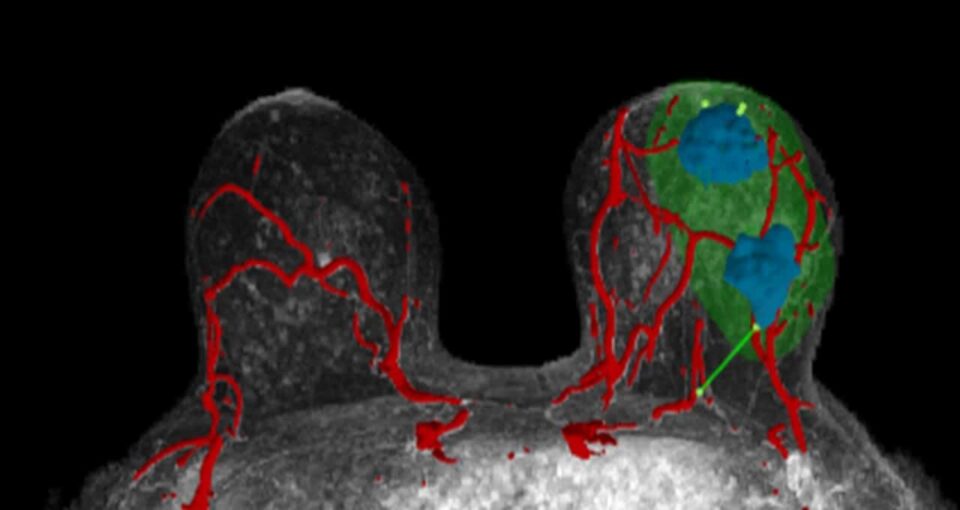
NVIDIA's AI and accelerated computing are transforming industries worldwide, from aiding surgeons with 3D models to cleaning up oceans with AI-driven boats. These innovations are revolutionizing healthcare, energy efficiency, environmental conservation, and technological advancement in Africa.
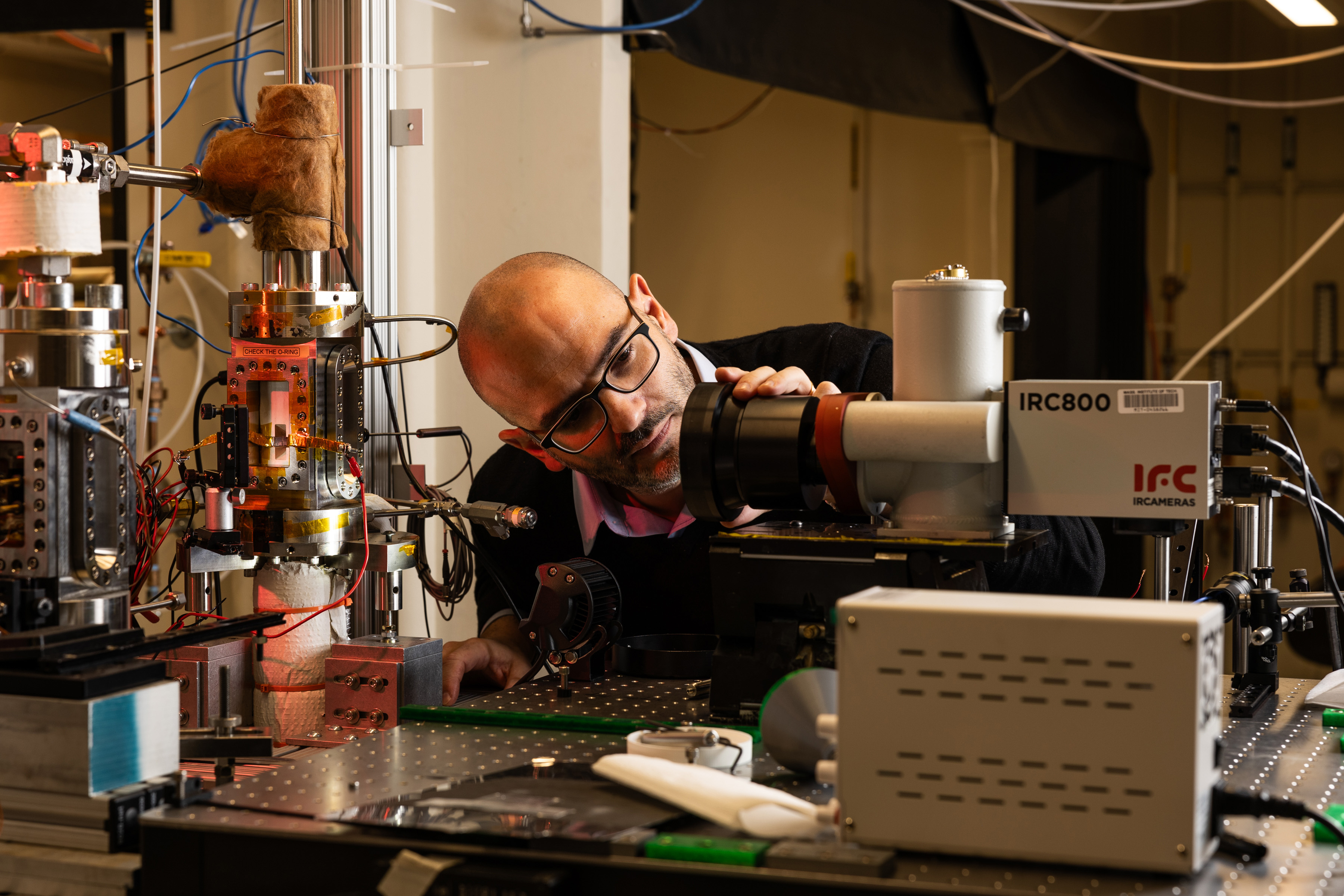
Matteo Bucci's research on boiling, crucial for power plants, electronics cooling, and more, could lead to breakthroughs in energy production and prevent nuclear disasters. His innovative approach to studying boiling phenomena has the potential to revolutionize multiple industries.
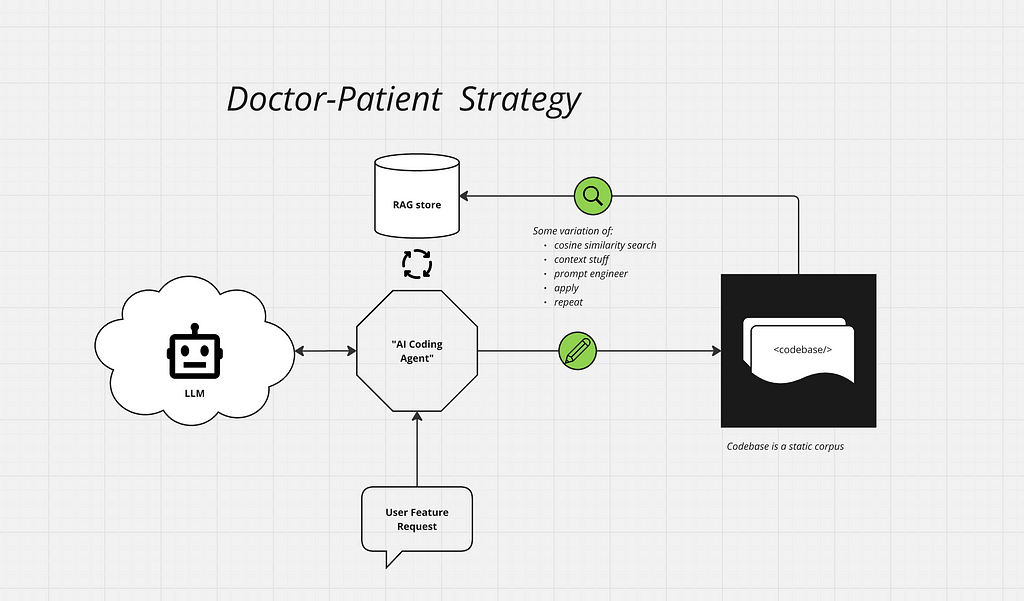
Reflective generative AI tools like GitHub Copilot & Devin. ai automate software development, aiming to build autonomous platforms. The Doctor-Patient strategy in GenAI tools treats codebases as patients, revolutionizing the process of automation.
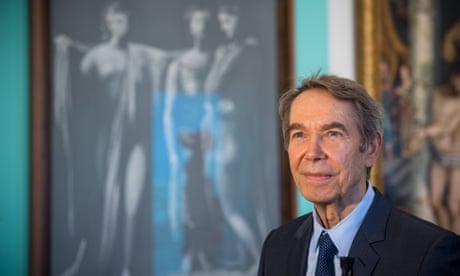
Jeff Koons, the world's most expensive artist, rejects using AI in his work, despite its growing popularity in the art world. His hands-off approach to creating iconic pieces like balloon dogs and stainless steel rabbits is on display at the Alhambra in Granada, where he sees his art as intertwined with biology.
Prof Geoffrey Hinton warns of AIs surpassing human intelligence, sparking fears for humanity's future. Why pursue something "very scary"?
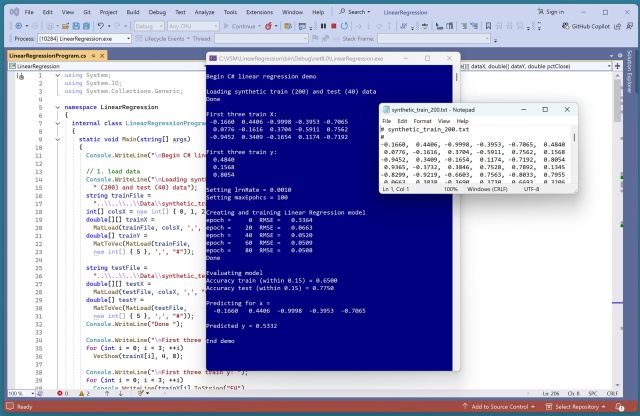
Tech company employee creates linear regression demo using synthetic data, highlighting API design insights resembling scikit-learn library. Predictions show accuracy of 77.5% on test data, showcasing practical application of stochastic gradient descent.
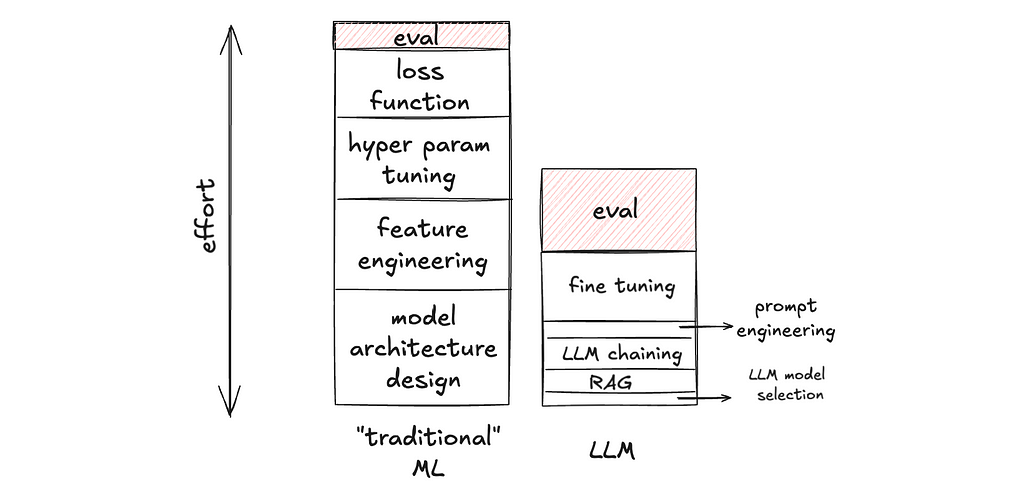
LLMs require a new approach to evaluation, with 3 key paradigm shifts: Evaluation is now the cake, benchmark the difference, and embrace human triage. Evaluation is crucial in LLM development due to fewer degrees of freedom and the complexity of generative AI outputs.
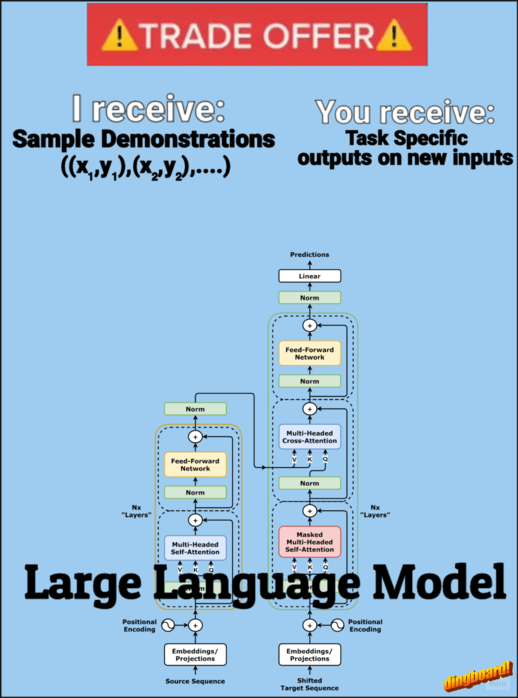
Transformers learn from examples through In-context learning (ICL) and few-shot prompting. Softmax attention with an inverse temperature parameter allows for nearest neighbor behavior in processing examples.

Current best practices for training LLMs emphasize dataset pre-processing, including deduplication, data sampling, and handling biased/harmful speech for improved model performance. Advanced methods like data deduplication and downstream task data removal are crucial to ensure high-quality and diverse training data for language models.

Implementing a resume optimization tool using Python and OpenAI's API for tailored job applications. Learn how to streamline the process with a 4-step workflow and example code.