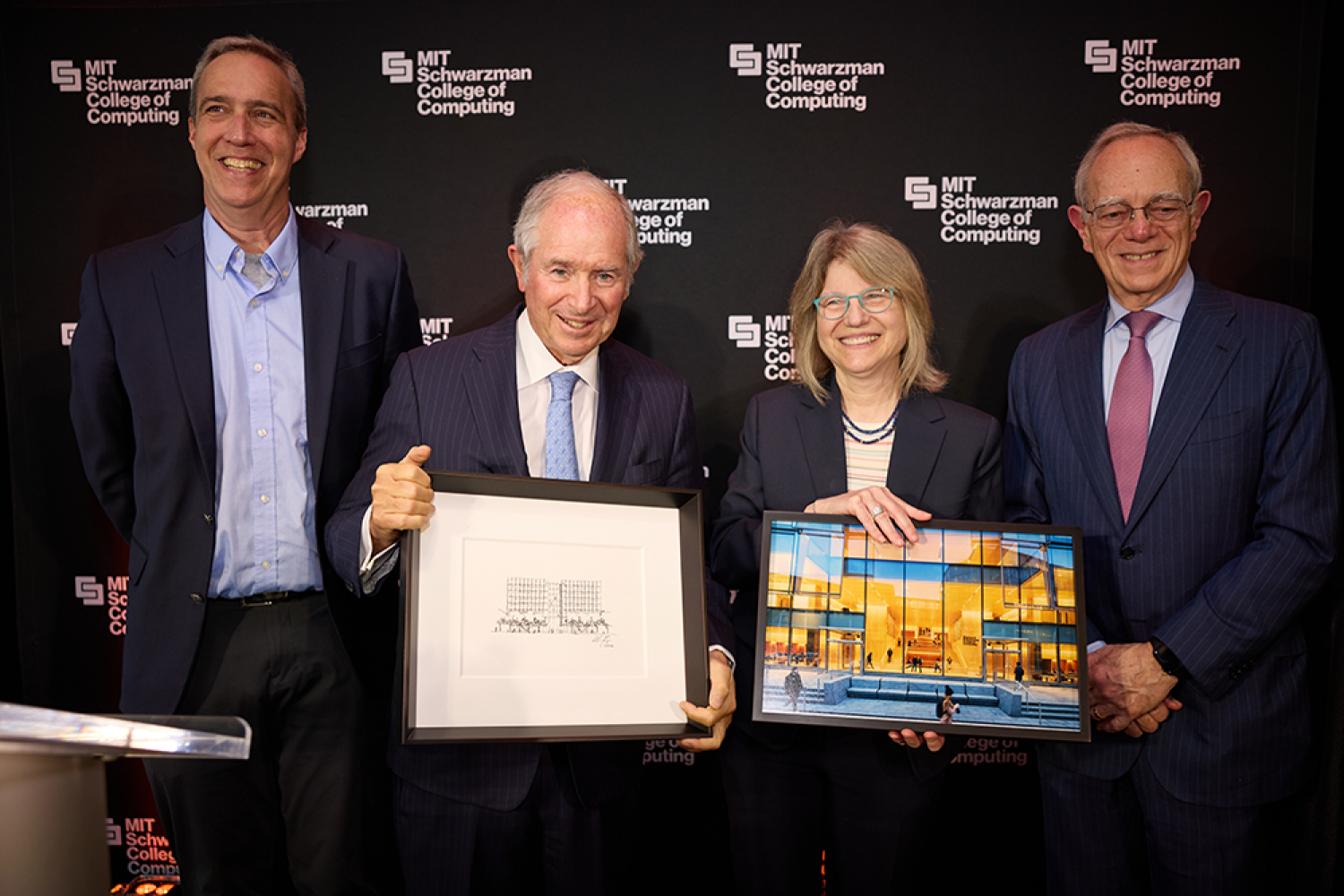
The MIT Stephen A. Schwarzman College of Computing inaugurates new building, fostering innovation and addressing global challenges. Schwarzman's vision for advancing AI with ethical considerations leads to transformative collaboration with MIT.
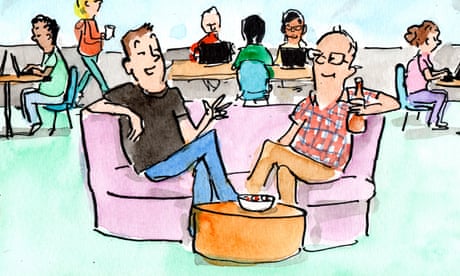
Cartoonist Fiona Katauskas showcases a diverse range of cartoons in a lengthy list on her website. Explore her captivating work for a unique and entertaining visual experience.
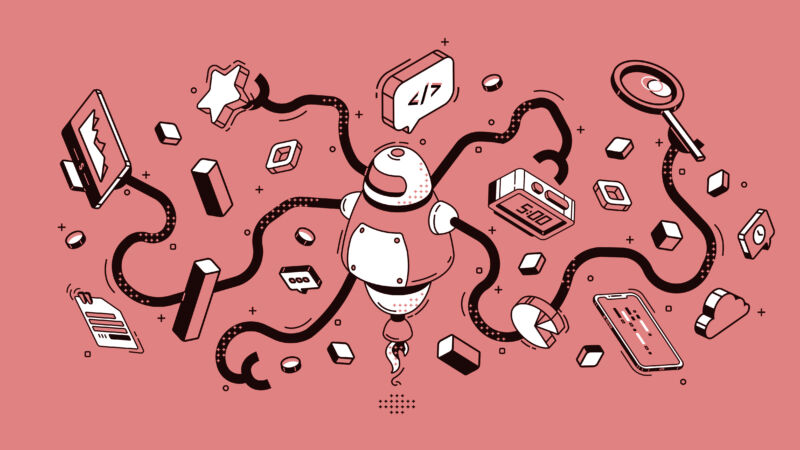
OpenAI introduces 5-tier system to measure progress towards AGI, sparking debate on feasibility and impact. CEO Sam Altman predicts AGI within the decade, highlighting potential societal disruptions.
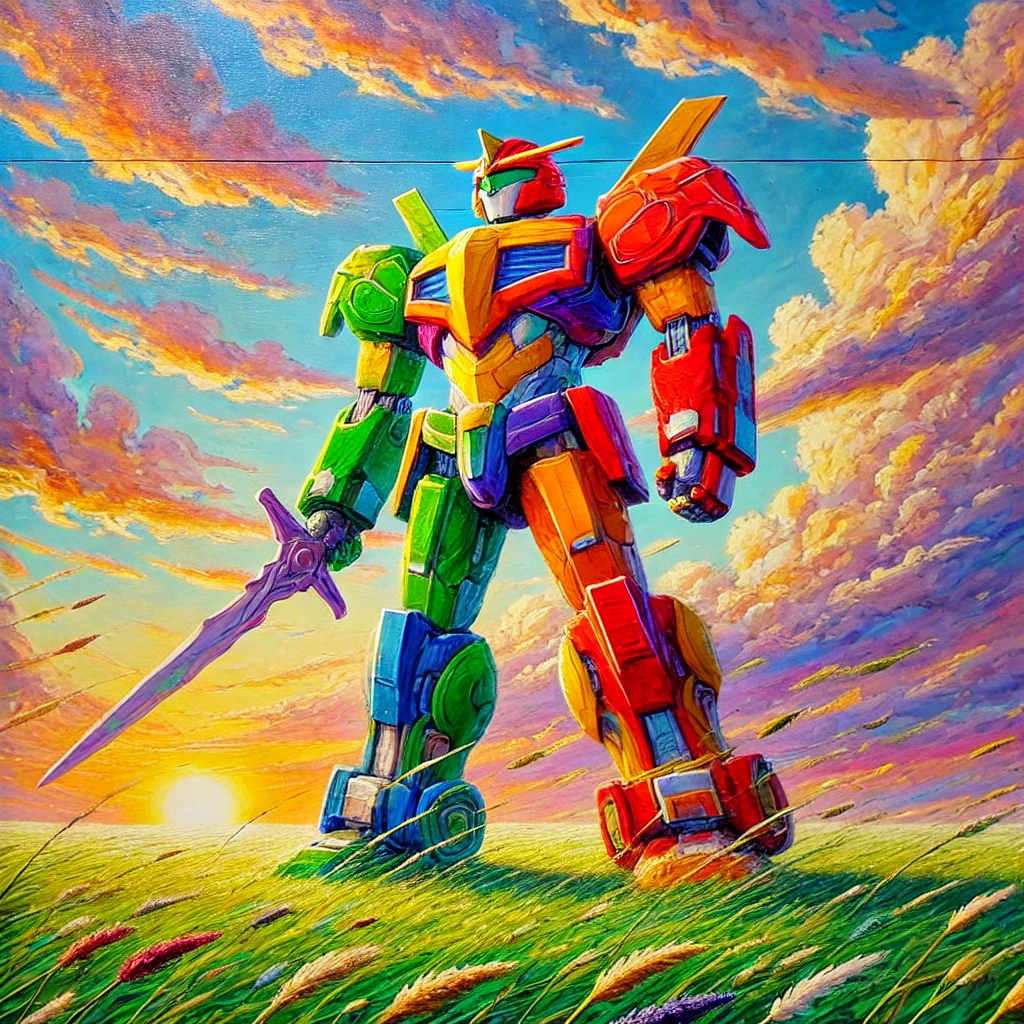
Breakthrough DQN Megazord "Rainbow" combines 6 powerful variants of DQN for optimal performance in Deep Reinforcement Learning. Stoix library breaks down Rainbow components, including DQN algorithm and neural network implementation.

AI system ChatGPT sparks creativity in writers lacking flair, but may limit unique ideas. Researchers find AI can assist authors in storytelling, potentially altering the creative process.
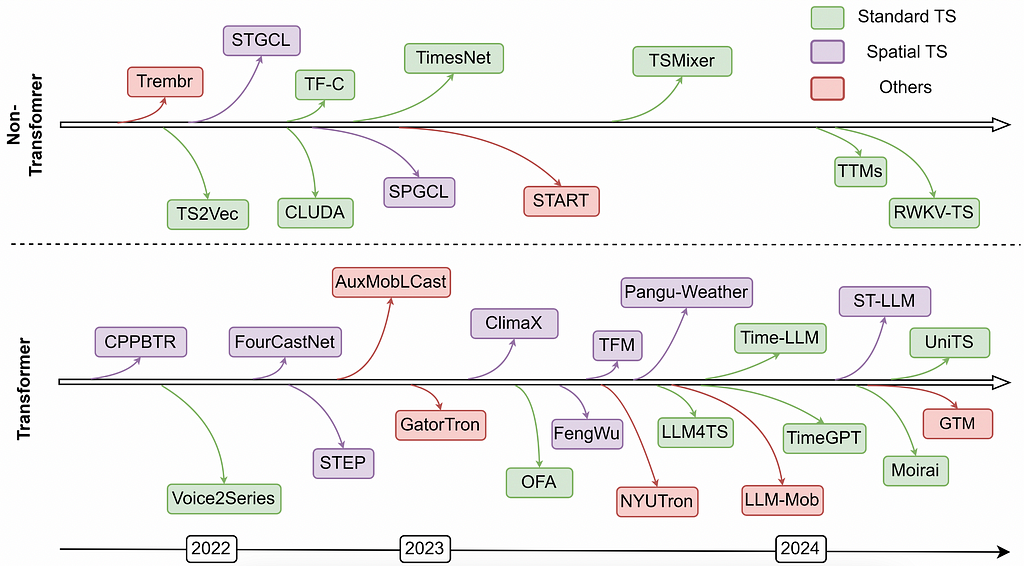
Foundation models, like Large Language Models (LLMs), are being adapted for time series modeling through Large Time Series Foundation Models (LTSM). By leveraging sequential data similarities, LTSM aims to learn from diverse time series data for tasks like outlier detection and classification, building on the success of LLMs in computational linguistic domains.
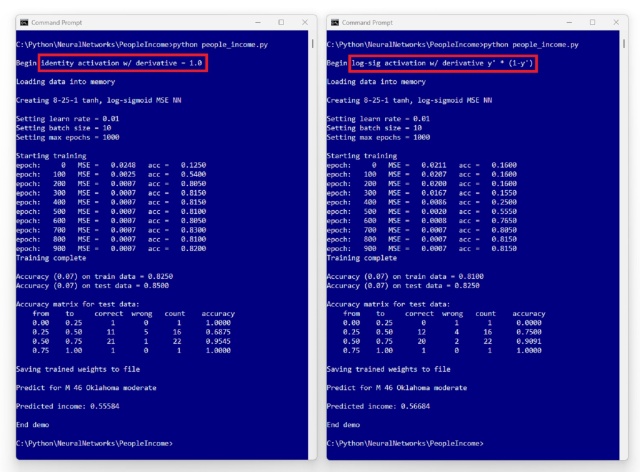
Neural network regression models: Use logistic-sigmoid() for constrained output, identity() for unconstrained output. Key: y' (1-y') term in output gradient.
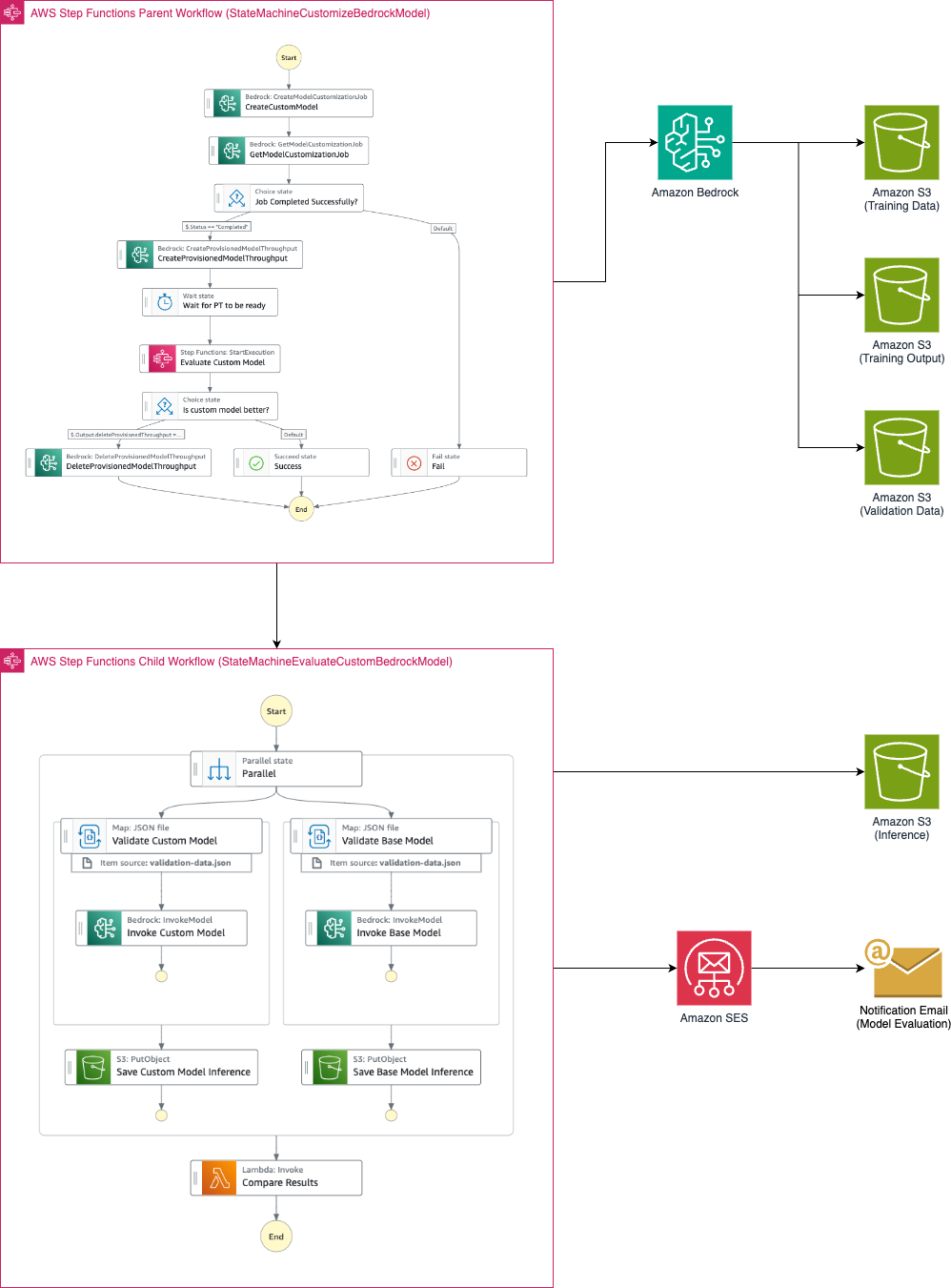
Amazon Bedrock offers customizable large language models from top AI companies, allowing enterprises to tailor responses to unique data. AWS Step Functions streamline model customization workflows, reducing development timelines for optimal results.

Intuit CEO announces 10% layoffs, plans to hire same number for AI-focused restructuring, predicting industry transformation. Company prioritizes AI innovation to support customers and drive growth, expecting overall headcount growth by 2025.
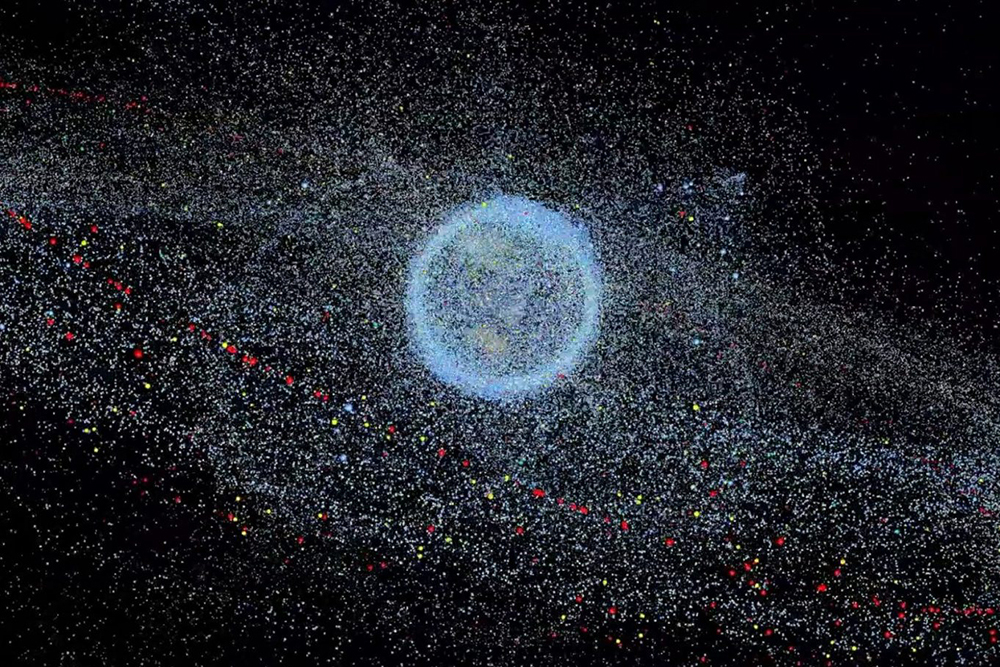
Satellite density in Earth's orbit is rising, with 2,877 satellites launched in 2023, leading to new global-scale technologies. MIT ARCLab Prize for AI Innovation in Space winners announced, focusing on characterizing satellites' behavior patterns with AI.
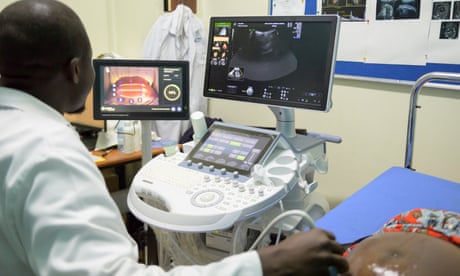
AI-powered ultrasound technology in Uganda eliminates need for specialists, encourages early prenatal care, reducing stillbirths and complications. The software aims to make essential medical checkups accessible to pregnant women in need, revolutionizing prenatal care.

TDS celebrates milestone with engaging articles on cutting-edge computer vision and object detection techniques. Highlights include object counting in videos, AI player tracking in ice hockey, and a crash course on autonomous driving planning.

MIT researchers introduce new approach to improve uncertainty estimates in machine-learning models, providing more accurate and efficient results. The scalable technique, IF-COMP, helps users determine when to trust model predictions, especially in high-stakes scenarios like healthcare.

Japan's AIST upgrades ABCI 3.0 supercomputer with NVIDIA GPUs and HPE networking for advanced AI R&D, bolstering Japan's AI capabilities and technological independence. NVIDIA collaborates with Japan's METI on AI research and education, with CEO Jensen Huang pledging support for generative AI, robotics, and quantum computing to drive Japan's future innovation.

RAG enhances large language models with external data for better context. Fine-tuning embedding models in specific domains boosts RAG accuracy.