
Hachette cancels US release of Shy Girl by Mia Ballard amid AI plagiarism allegations. UK edition also withdrawn after online speculation.
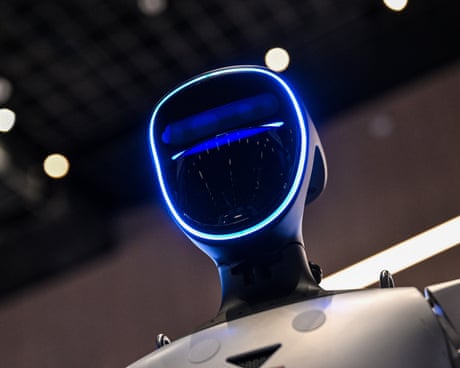
Guchi Robotics, led by founder Chen Liang, aims to automate car assembly, reducing the need for human workers. Chen's goal is to revolutionize the industry by eliminating manual labor in the final assembly process.

Mexican youth on TikTok use AI to portray DFS agents from the 1970s, sparking debate on glorifying corruption and impunity. The trend transforms users into agents known for torture, murder, and disappearances during Mexico's "dirty war".

PricewaterhouseCoopers CEO warns senior staff must embrace AI or face replacement. Griggs emphasizes the importance of being 'paranoid about being AI-first' in the consulting firm.

Sadler’s Wells East, London hosts a tech-heavy double bill where choreographer Alexander Whitley explores the tension between human performers and digital avatars in his new duet, Mirror. The visually stunning performance showcases dancers winding into spirals and symmetries, interrupted by luminous digital doppelgangers that upstage the performers themselves.

The VSM article "Random Forest Regression Using C#" explains how a random forest system can improve prediction accuracy by training on different data subsets. A demo showcases the process, highlighting the system's accuracy and potential for predicting complex structures in synthetic data.

MIT researchers introduce new method to measure uncertainty in large language models (LLMs), identifying confident but incorrect responses. By comparing responses from a group of similar LLMs, they create a total uncertainty metric that outperforms traditional approaches, improving reliability in high-stakes settings like health care and finance.

California startup Memvid offers $800 for an AI bully to expose chatbot inconsistencies. Task involves picking fights with AI to test its memory and patience.

Amazon's Alexa+ injects personality to engage Britons with their devices, offering a more human touch. The aim is to restore Alexa to the cutting edge of voice assistants, moving beyond basic functionalities.

Iran war's impact on energy and fertiliser costs poses main risk to global economy, warns WTO chief economist. High oil prices could affect AI boom.
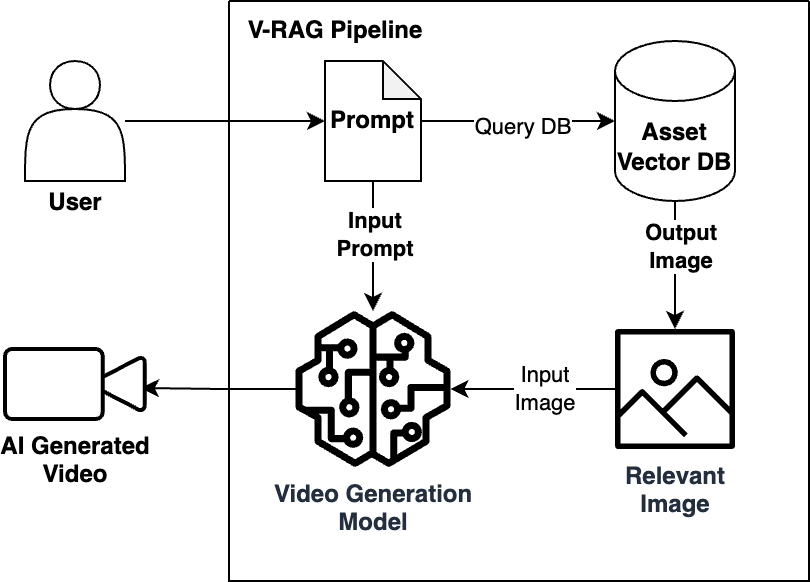
AI-powered video generation simplifies content creation, offering efficient, reliable solutions. Text-to-video and customization tools enhance control and precision in visual storytelling, reshaping digital content creation.
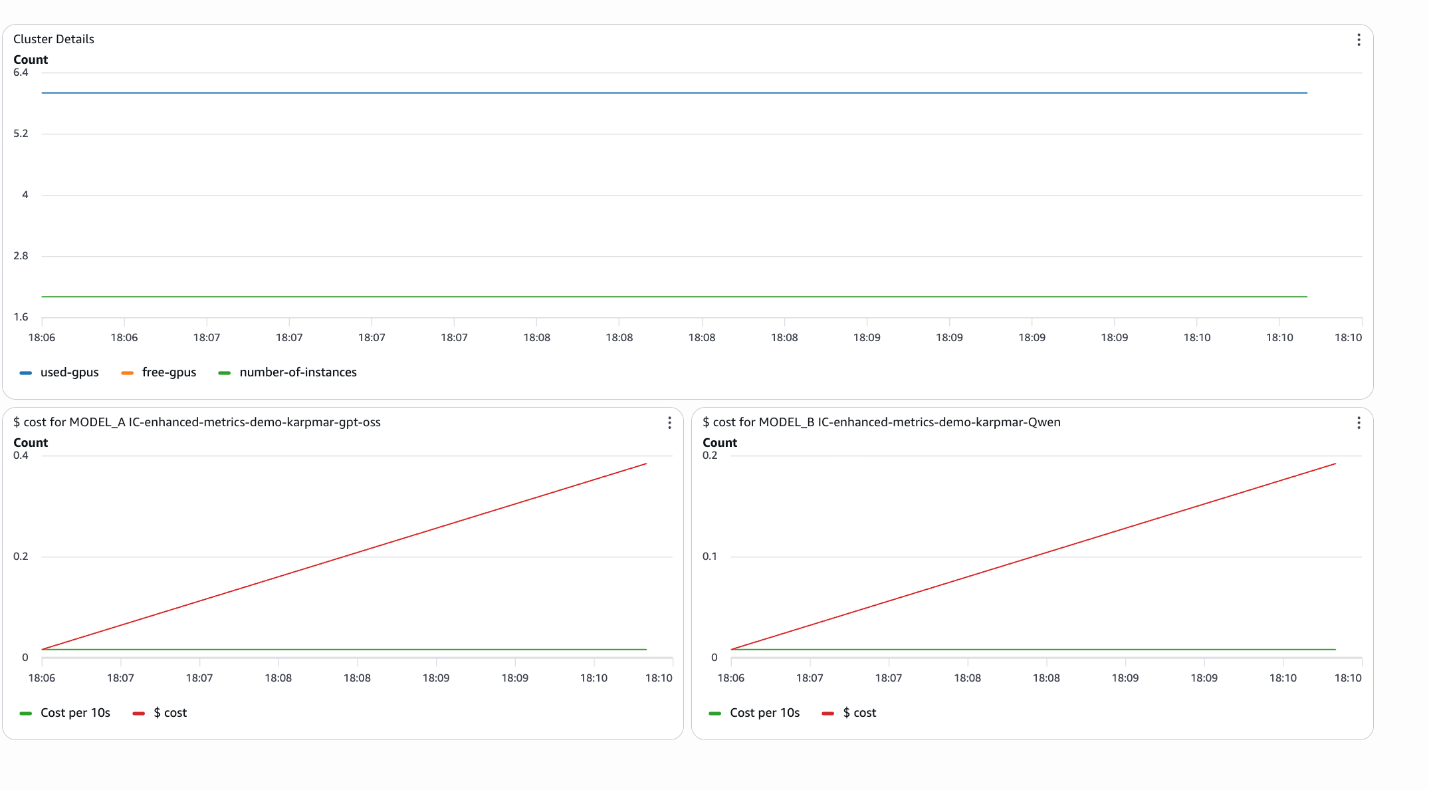
Amazon SageMaker AI now offers enhanced metrics for granular visibility into production endpoints, including individual instance and container details. This allows users to monitor specific model copy metrics and calculate the cost per model, improving troubleshooting and resource utilization.

NVIDIA Nemotron 3 Super, available on Amazon Bedrock, offers leading efficiency and accuracy for generative AI applications. The model features a hybrid MoE architecture and supports multi-token prediction for enhanced performance in reasoning tasks.
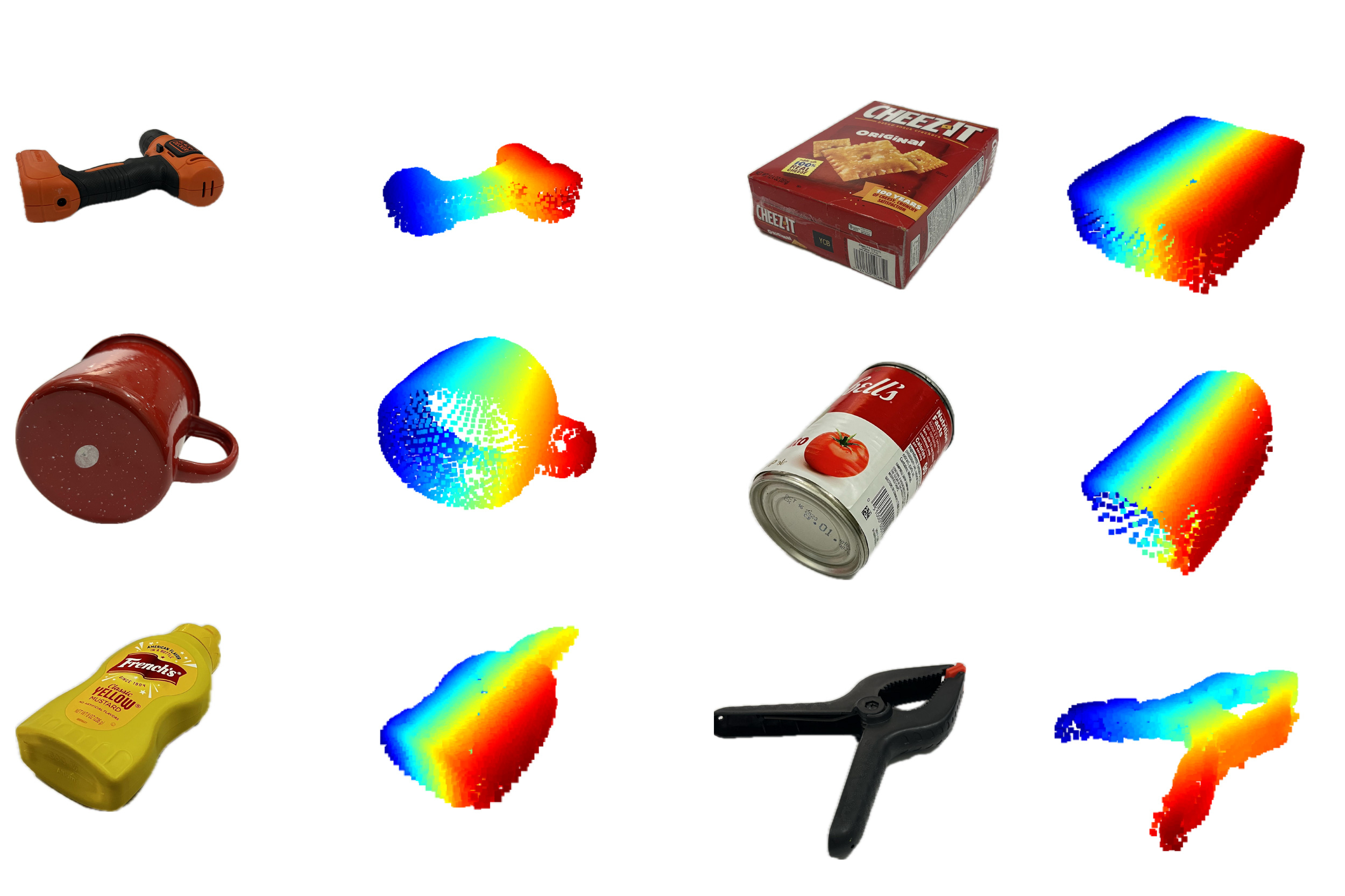
MIT researchers use generative AI models to improve robot's ability to find hidden objects using wireless signals. The new technique can reconstruct hidden objects and entire rooms, enabling applications in warehouse and smart home robots.
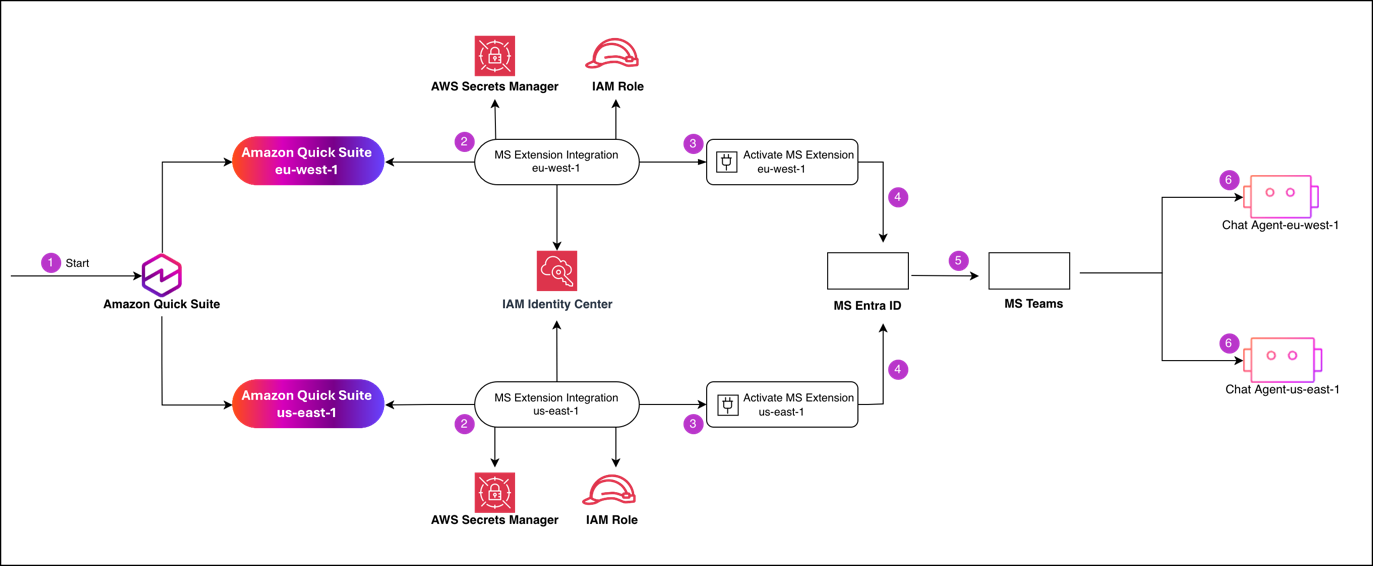
Amazon Quick with Microsoft 365 supports Regional routing for data residency compliance, helping industries like finance and healthcare keep data within specific geographical boundaries. Integration with Microsoft Teams ensures users access chat agents and resources in their designated Amazon Quick Region, enforcing data sovereignty requirements.