
Firms seek right to take vital data for AI systems, raising concerns about privacy. Author uses pickpocket analogy to highlight potential dangers of opt-out data regime.
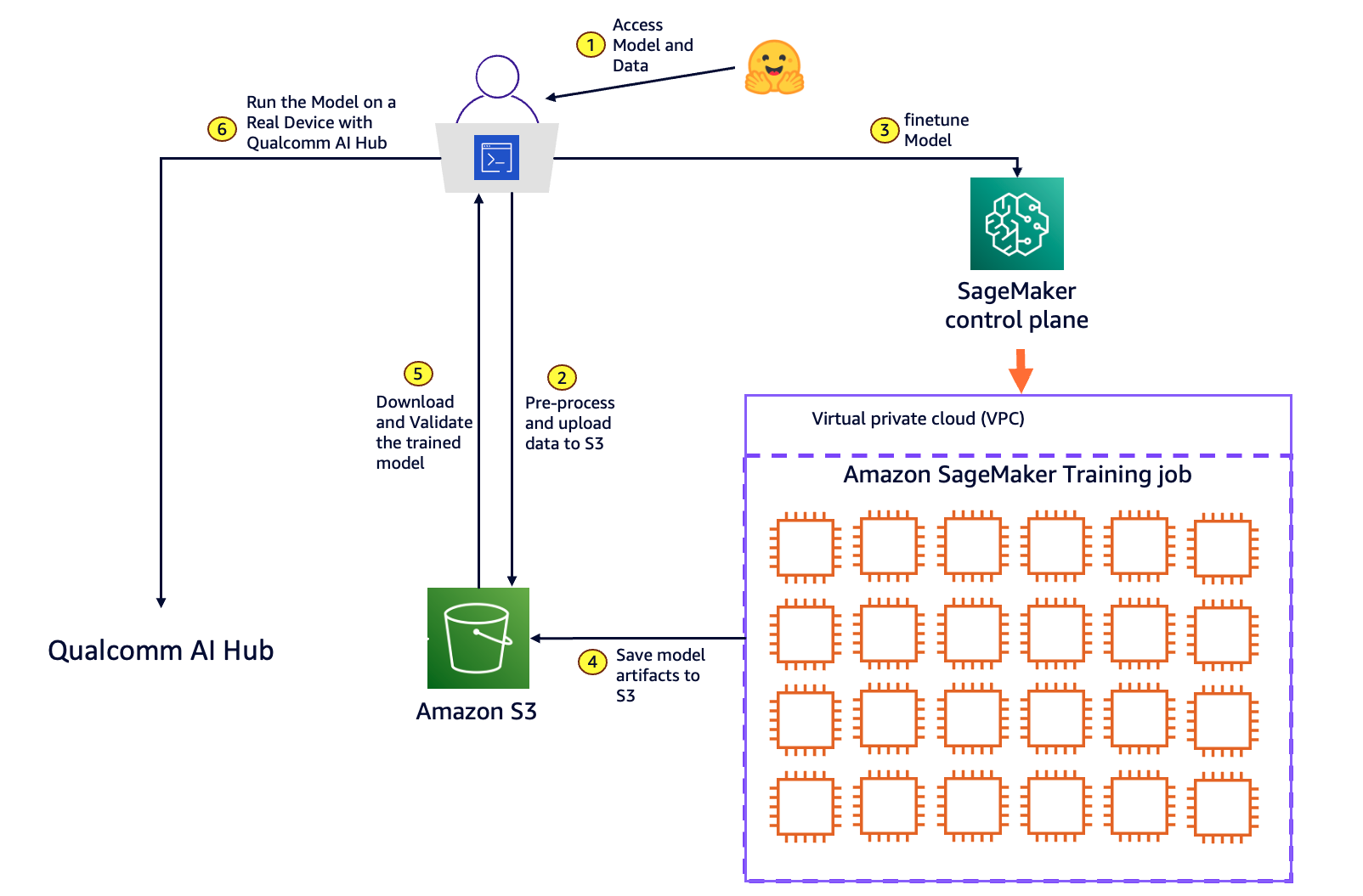
Innovative solution by Qualcomm & Amazon SageMaker enables end-to-end model customization & deployment at the edge. Developers can BYOM & BYOD for optimized machine learning solutions targeting on-device deployment.
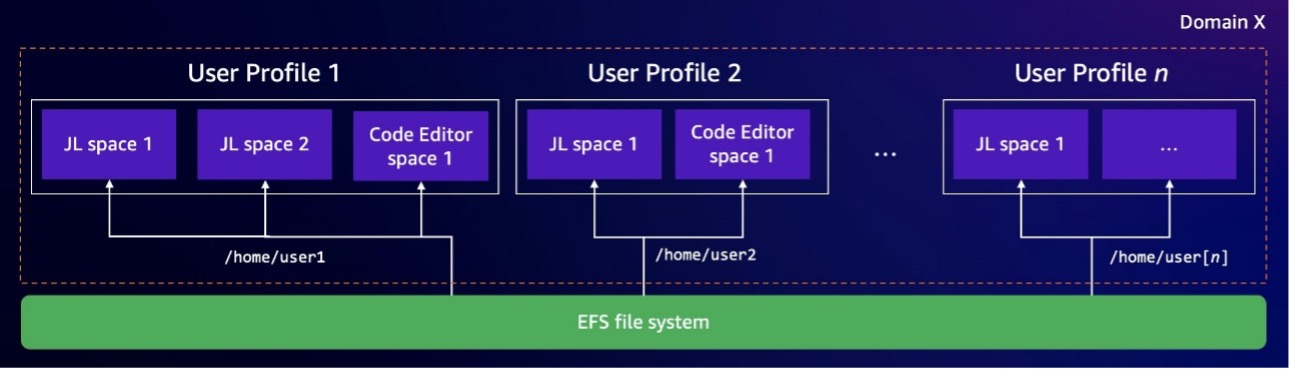
Amazon SageMaker Studio offers integrated IDEs like JupyterLab and RStudio for efficient ML workflows. Users can set up private spaces with Amazon EFS for seamless data sharing and centralized management, enabling individual storage and cross-instance file access.
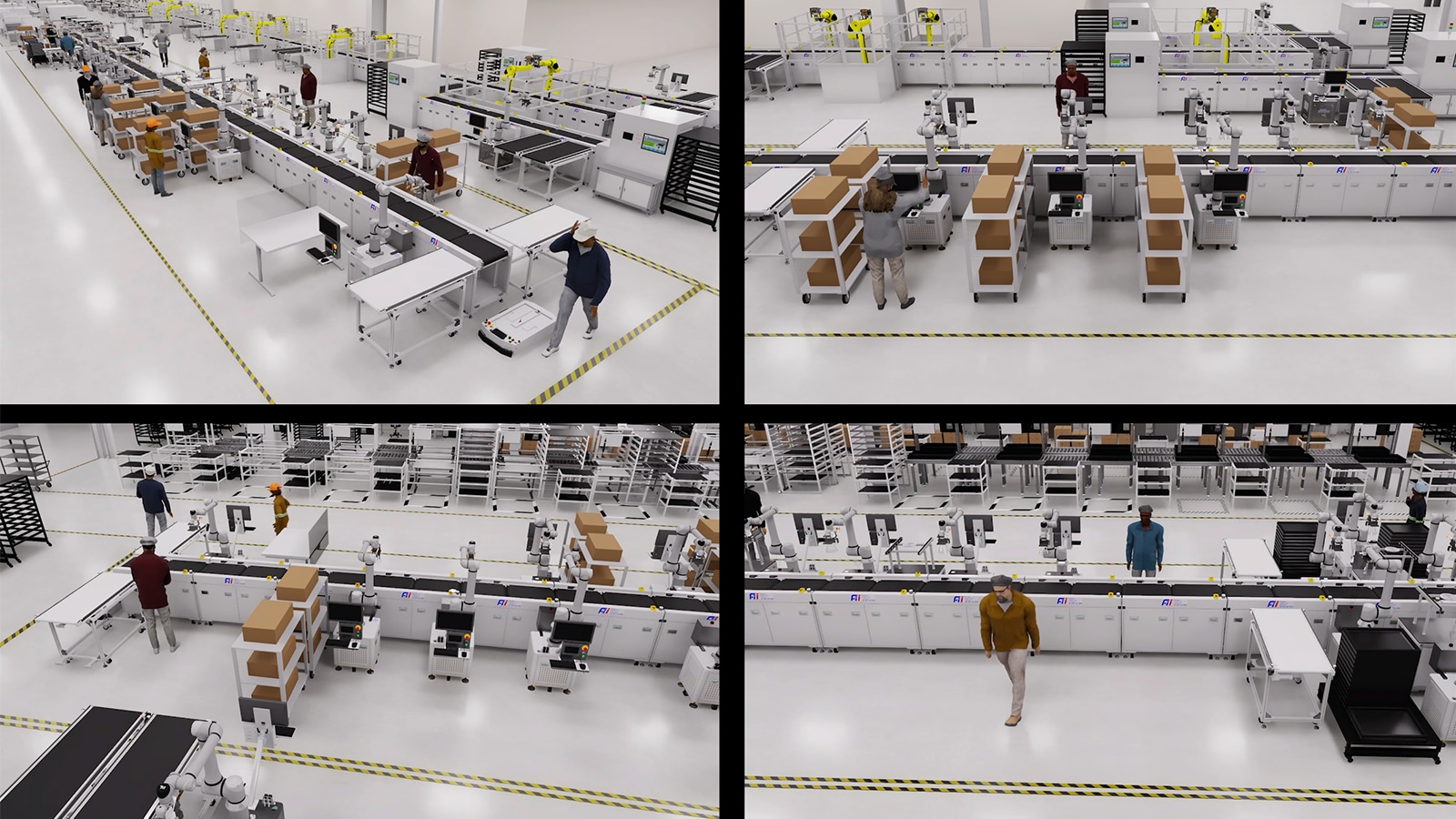
Siemens and NVIDIA lead in sustainable manufacturing with digital twin technology, reducing emissions and improving energy efficiency. Challenges include silos between departments and data management, but digital twins are breaking barriers and driving sustainability efforts.

Google DeepMind's AI system generates group statements from individual views, aiding in bridging culture war divisions. Experts believe this technology can help people find common ground by reflecting majority and minority perspectives.

The Alan Turing Institute shifts focus, may cut jobs as it streamlines projects.UK's AI institute plans to reduce projects, potentially leading to staff layoffs.
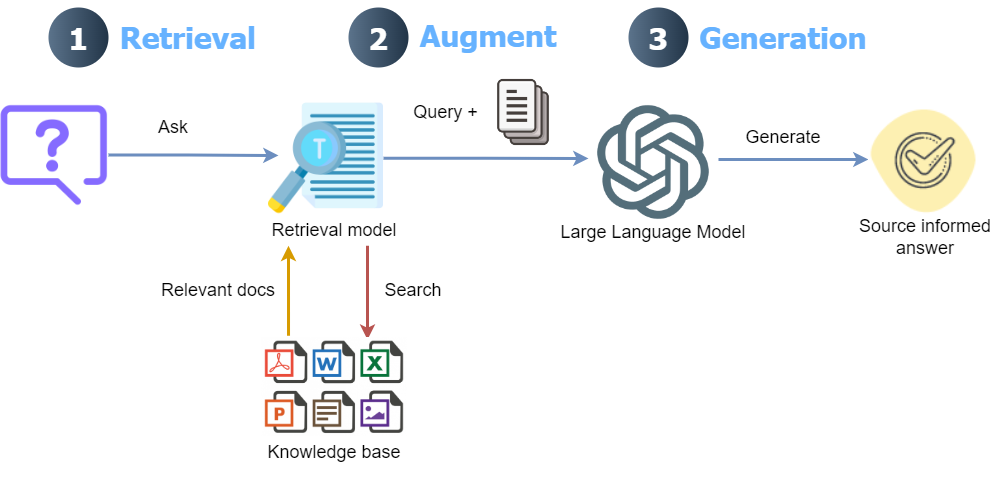
Large language models (LLMs) have limitations in answering specific queries. Retrieval Augment Generation (RAG) solutions integrate external documents to guide LLMs for more accurate responses, with Anthropic's method showing significant performance improvement.

Methodologists are interdisciplinary problem solvers who use multiple approaches to find the best solutions. They have a curious mindset, learn quickly, and think creatively to tackle complex problems in innovative ways.
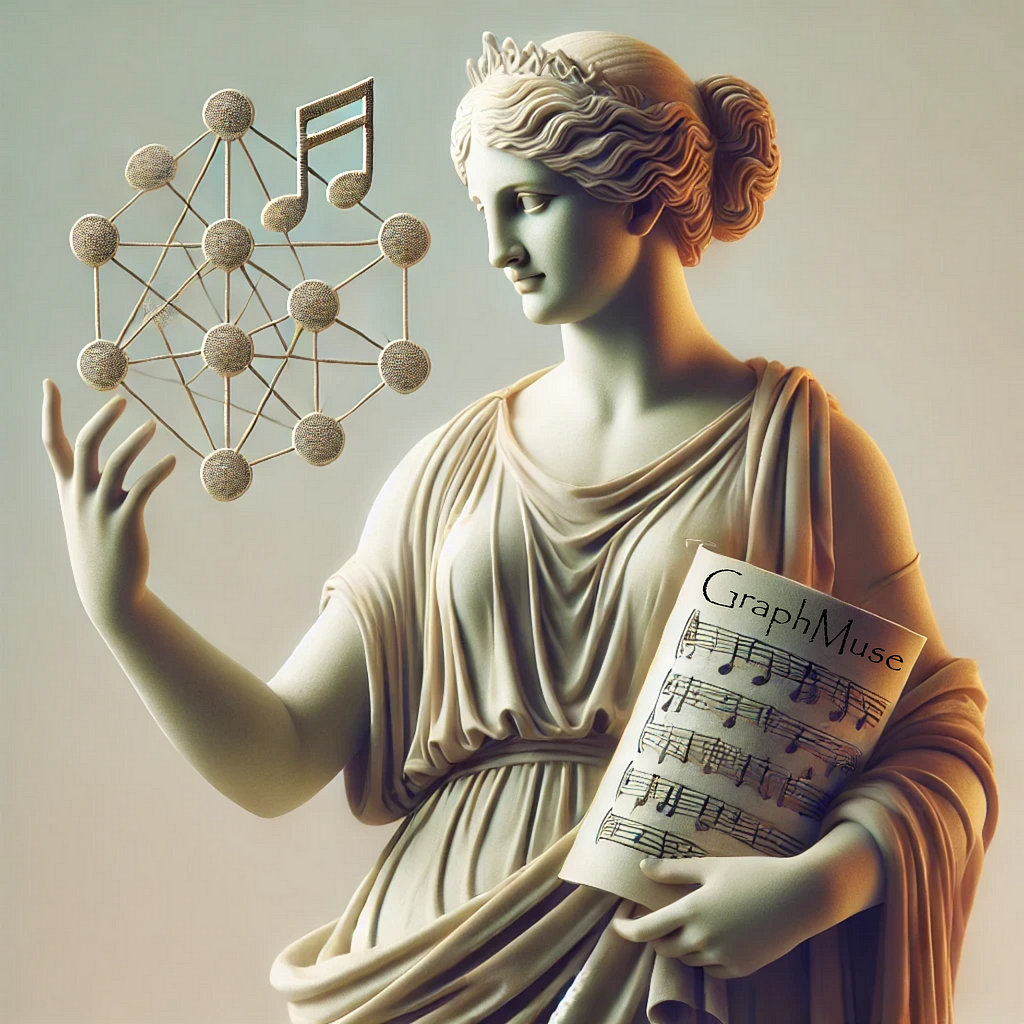
GraphMuse Python library utilizes Graph Neural Networks for music analysis, connecting notes in a score to create a continuous graph. Built on PyTorch and PyTorch Geometric, GraphMuse transforms musical scores into graphs up to x300 faster than previous methods, revolutionizing music analysis.

Imogen Heap merges pop with tech in her daring data-mining project, showcasing her innovative 'Imogenation'. The musician and technologist captivates with her eccentricity and passion for progress, unveiling a mysterious black device that promises to change lives.

Ambience Healthcare, founded by Mike Ng MBA ’16 and Nikhil Buduma ’17, offers an AI-powered platform embedded in EHRs to automate tasks for clinicians, saving 2-3 hours per day on documentation and improving patient care. Used in 40+ institutions like UCSF Health, Ambience helps clinicians focus on patients, not paperwork, leading to lower burnout and better relationships.

AI and fake newsreaders used by dictatorships to create disinformation videos. Actor Dan Dewhirst discusses unwitting participation in deepfake for authoritarian regime.

AI lobbyists resist regulation due to bipartisan voter distrust; Governor Newsom opposes SB1047 for excluding smaller AI models, advocating for comprehensive regulations instead. Journalist Garrison Lovely questions the decision, highlighting the need for proper oversight in the AI sector.

Tech barons push for new technologies to solve climate crisis, but fixes already exist. Former Google CEO advocates for AI over climate goals, sparking debate on tech's role in addressing climate change.
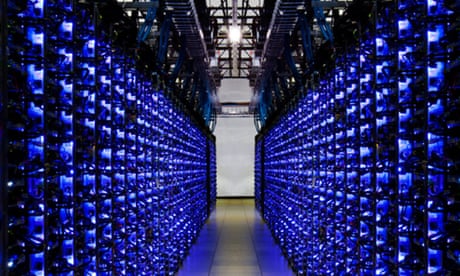
Google plans to power AI datacentres with nuclear reactors, raising economic, ethical, and environmental concerns. Elon Musk donated $75m to a pro-Trump group, highlighting his role in the 2024 US election.