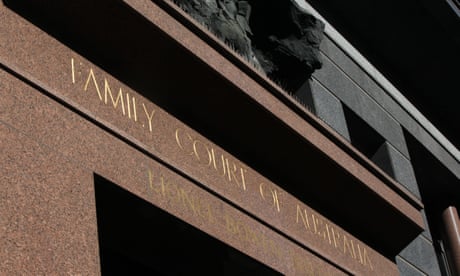
Melbourne lawyer faces complaint for using AI software to generate false case citations, causing hearing delay. Referral to Victorian legal complaints body after admitting to not verifying documents.
Tech companies lack transparency on photo usage. Experts advise on best practices for sharing baby pictures online.
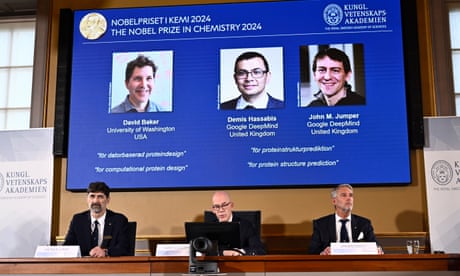
Demis Hassabis and John Jumper of DeepMind, along with David Baker, win Nobel Prize for protein structure advancements. Their work on AlphaFold AI model revolutionizes protein structure prediction.

Black Forest Labs introduces FLUX. 1 AI for image generation, optimized for GeForce RTX and NVIDIA RTX GPUs. FLUX. 1 excels in prompt adherence, rendering accurate human anatomy and legible text within images, offering three variants for different user needs.
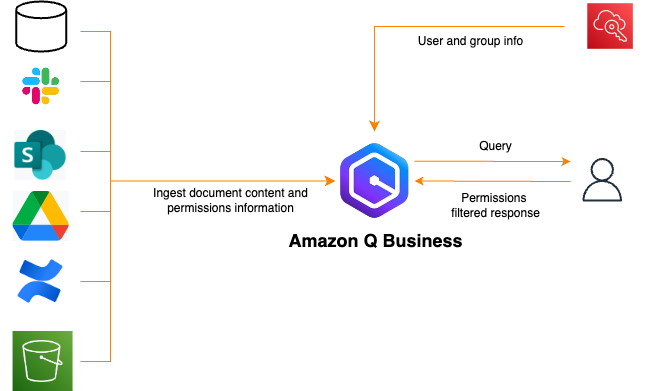
Amazon Q Business is an AI assistant with over 40 connectors, including Slack, to enhance productivity and knowledge sharing. The integration with Slack allows for quick and secure access to valuable organizational knowledge through generative AI capabilities.

ChatGPT's impact on universities questioned, but AI proves beneficial for higher education. Universities embracing AI to enhance student and staff experiences.
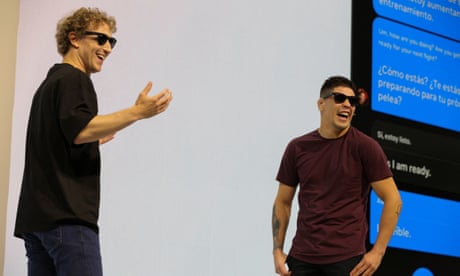
Meta's AI assistant, sparking privacy concerns, now on £299 Ray-Ban Meta sunglasses in the UK. The assistant generates text and images on social media platforms in the UK and Brazil.
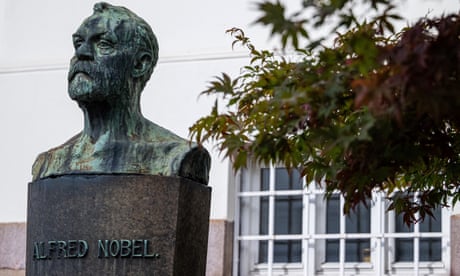
Scientists awarded Nobel prize for microRNA discovery and new protein creation. Artificial intelligence recognized in physics and chemistry prizes.
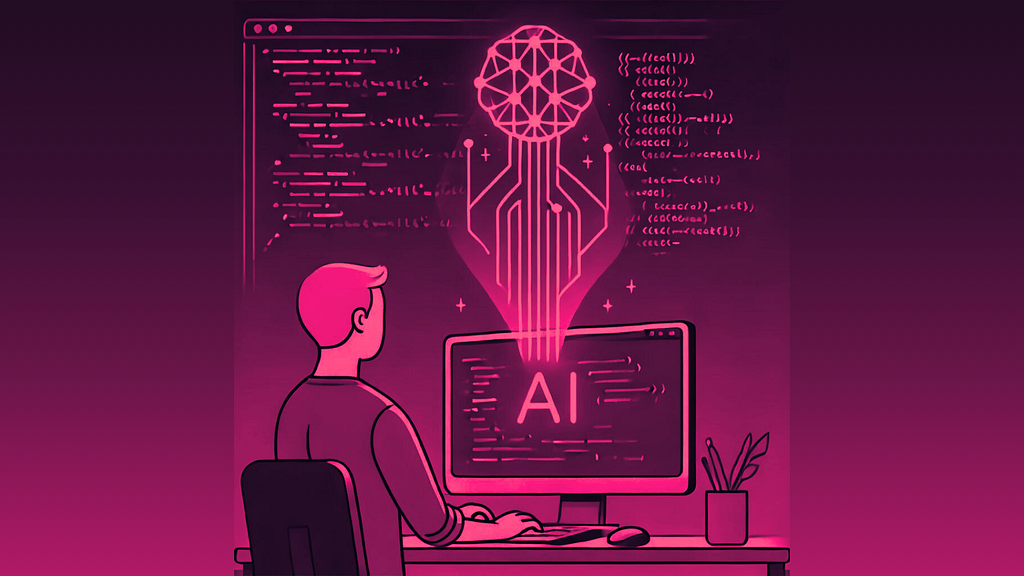
Google Colab, integrated with Generative AI tools, simplifies Python coding. Learn Python easily with no installation needed, thanks to Google Colab's accessible features.

AI video synthesis models like Kling and video-01 from Kuaishou Technology and Minimax are pushing boundaries, creating viral AI-generated videos that are reshaping meme culture. Kling, surpassing Sora, can generate high-quality videos from text prompts, still images, or existing videos, sparking controversy and fascination.

Sir Demis Hassabis, Google DeepMind chief and Nobel prize winner, emphasizes AI benefits but stresses importance of addressing risks as seriously as the climate crisis. Hassabis, known for designing hit game Theme Park at 17, highlights the significance of balancing innovation with caution in the tech industry.

Amazon Lookout for Metrics, a ML anomaly detection service by Amazon, will end support on October 10, 2025. Customers can transition to alternative AWS services like Amazon OpenSearch, CloudWatch, Redshift ML for anomaly detection.
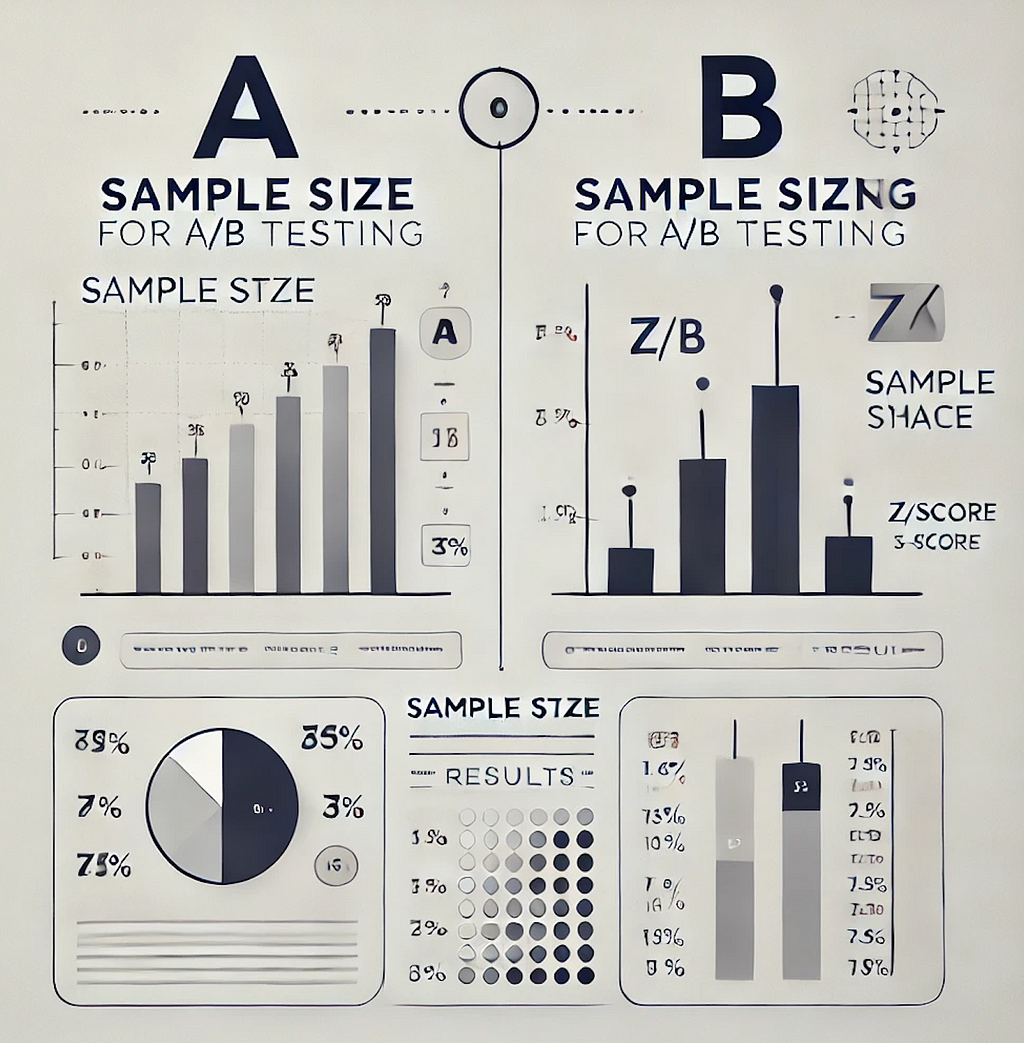
A/B Testing vs. Reject Inference: Selecting the Right Sample Size. Comparing two groups in A/B testing or selecting a representative sample for reject inference is crucial for unbiased results. Understanding success metrics like proportions or absolute numbers is key for accurate experimentation.
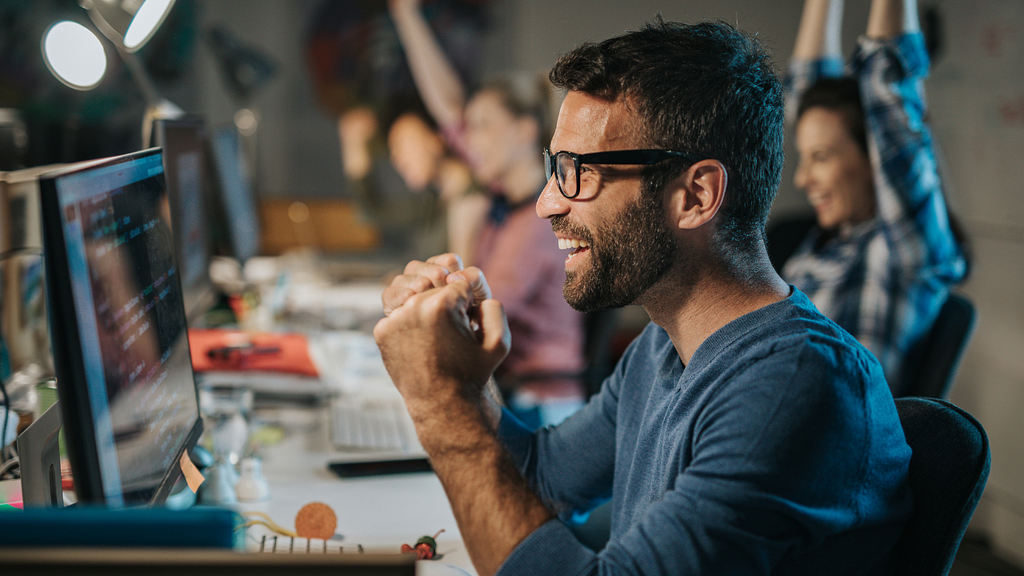
Build AI skills by creating projects. Start with problem-solving ideas like Resume Optimization for job applications using Python libraries.
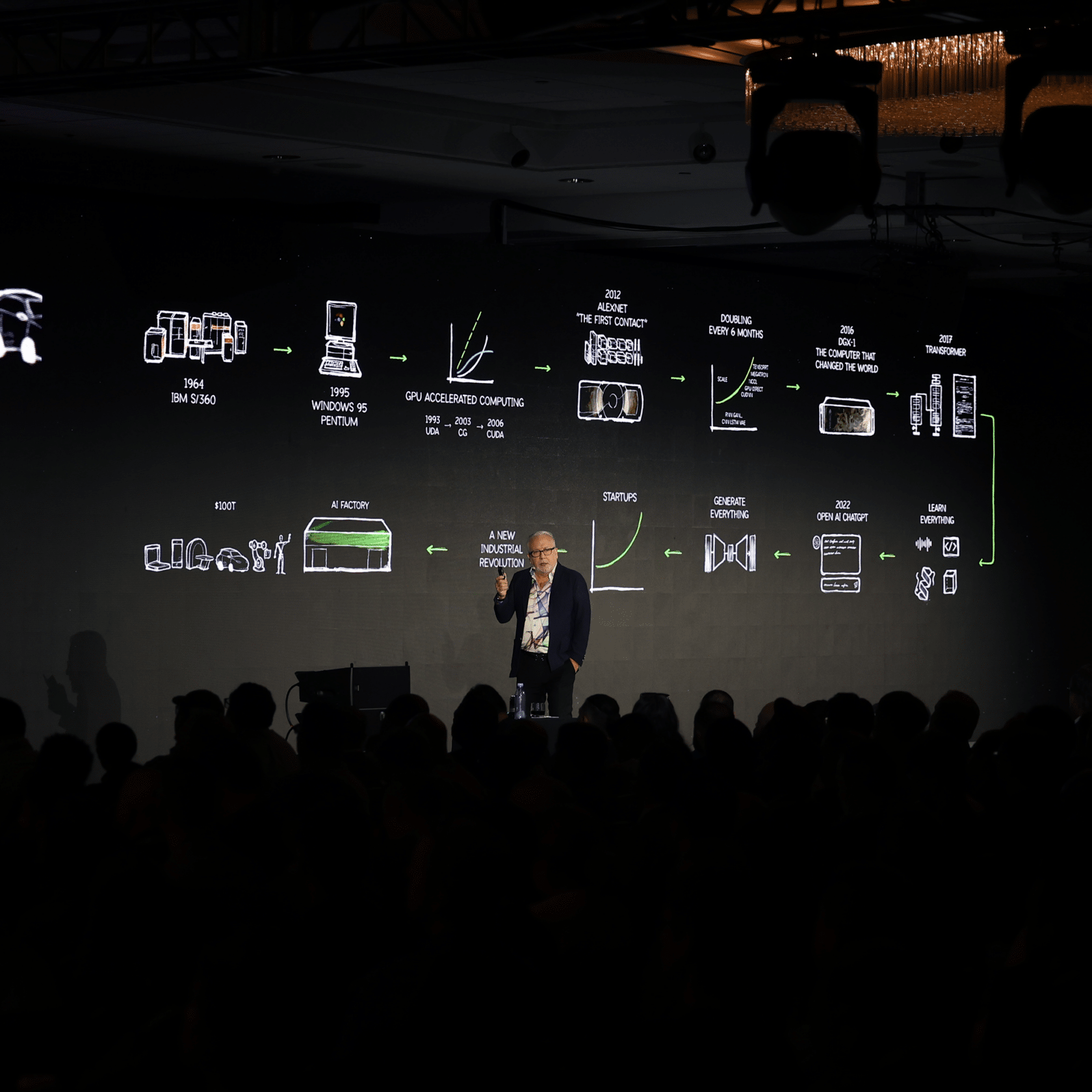
NVIDIA's accelerated computing is driving energy-efficient AI innovations, reducing energy consumption significantly while powering over 4,000 applications. Agentic AI is transforming industries by automating complex tasks and accelerating innovation, with NVIDIA collaborating on groundbreaking projects like real-time AI searches for fast radio bursts.