
In the 2024 Argentine Tango World Championship, statistical analysis reveals bias between judging panels, with Panel 1 negatively biased and Panel 2 positively biased. Despite limitations in data and judge representation, the competition remains a prestigious platform for dancers worldwide.

MIT researchers develop Future You, an AI system enabling users to interact with a virtual version of their future selves. Users reported decreased anxiety and stronger future self connection after a half-hour interaction, showing promise in decision-making impact.

MIT's Department of Political Science launches the Strengthening Democracy Initiative to combat democratic erosion worldwide. The initiative focuses on election science, public opinion, and aims to position MIT as a leading center for rigorous analysis of democratic resiliency.

Data democratization is a riddle old-school data experts have been trying to solve. OpenAI's ChatGPT and Code Interpreter are revolutionizing data analytics, potentially changing the role of data analysts.

NVIDIA's AI Summit in Washington, D. C. , brings industry leaders together to explore AI's potential in healthcare, cybersecurity, and more. Key sessions include insights on AI for good, workforce development, and collaborations with governments to expand AI education.
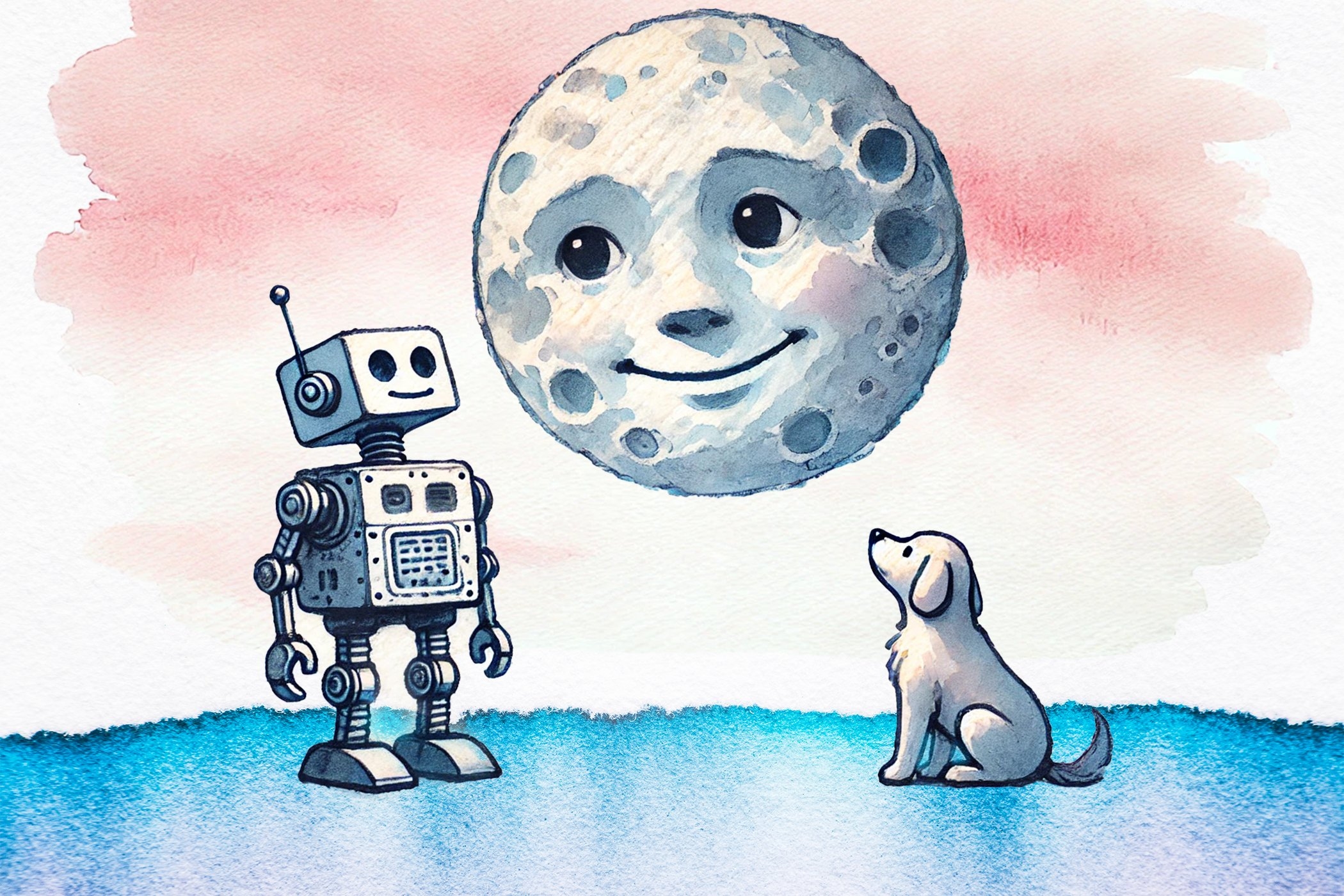
In 1994, Diana Duyser auctioned a grilled cheese with the Virgin Mary's image for $28,000. MIT's study on pareidolia reveals human-machine perception differences and a possible evolutionary link to survival instincts.

Learn how to enhance business operations with AI21 Labs’ Task-Specific Models (TSMs) on AWS Marketplace. Access AI21 TSMs like Contextual Answers, Summarize, and Paraphrase in SageMaker Jumpstart for improved efficiency and accuracy.
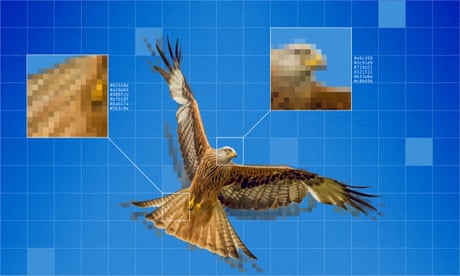
AI art is evolving rapidly with tools like Dall-E 3 and Adobe's Creative Cloud, enabling instant text-to-image transformations. Humans remain central to AI art through innovative games like Eat Poop You Cat, showcasing the creative potential of algorithms.
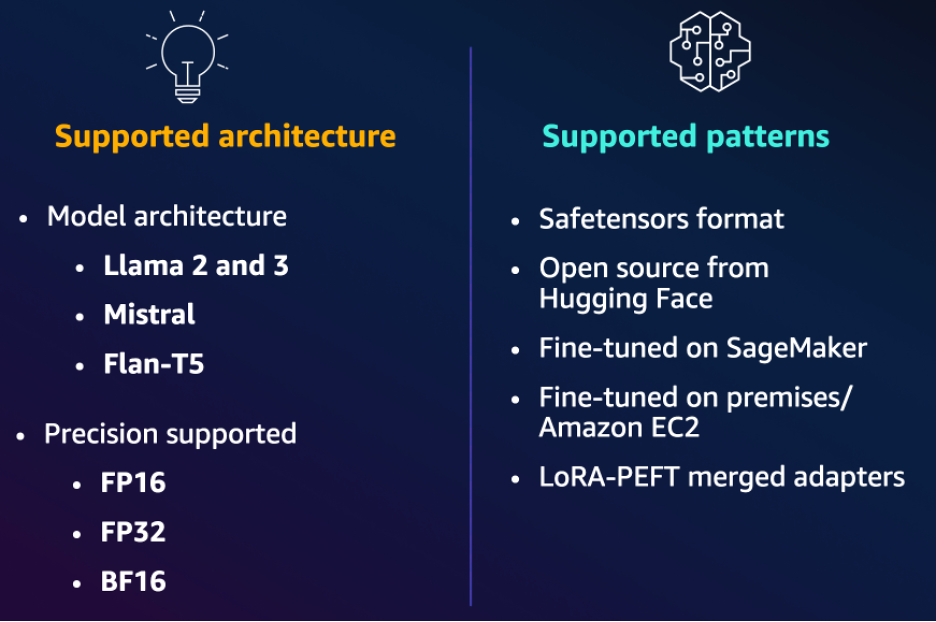
Amazon Bedrock offers a choice of top AI models via a single API for generative AI applications. Custom Model Import feature allows seamless integration with SageMaker for scalable and cost-effective model deployment.
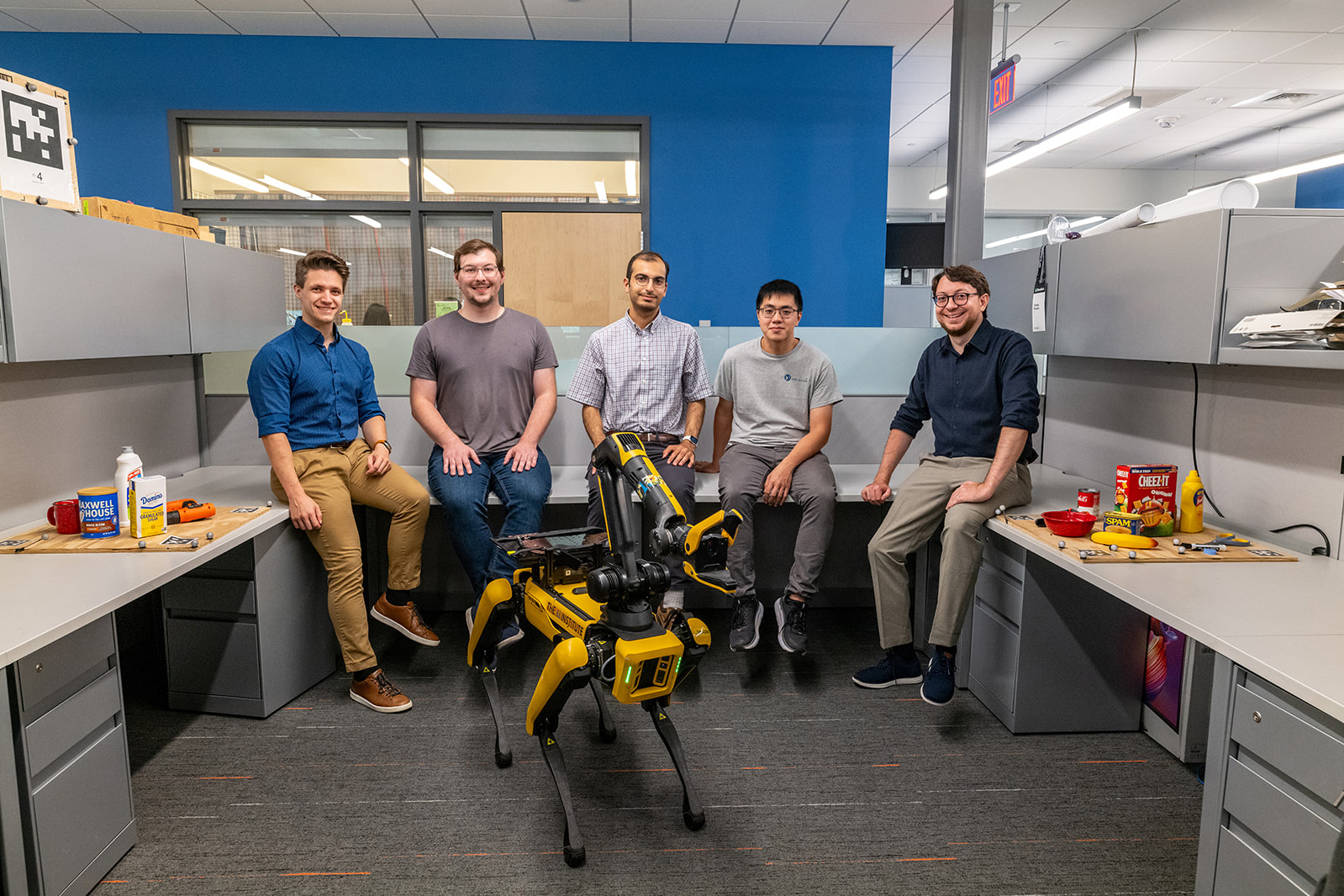
MIT engineers have developed Clio, a method enabling robots to make intuitive, task-relevant decisions by identifying and remembering only relevant elements in a scene. Clio's capabilities, showcased in real experiments, could be crucial for search and rescue missions, domestic robots, and factory automation, according to researchers.
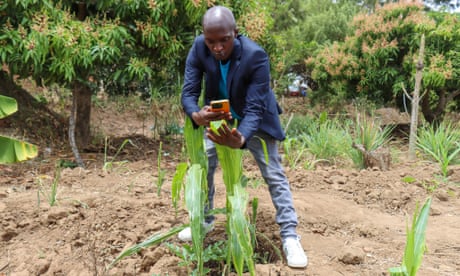
AI apps like Virtual Agronomist are helping small-scale farmers like Sammy Selim in Kenya improve crop quality and yield through personalized fertiliser advice based on artificial intelligence technology. The use of chat prompts and AI recommendations is revolutionizing traditional farming methods and increasing productivity in agriculture.

Governor Newsom vetoes bill for generative AI safety testing, fearing it could drive tech companies away from California. The bill's stringent standards on large AI models may hinder innovation, according to the governor.
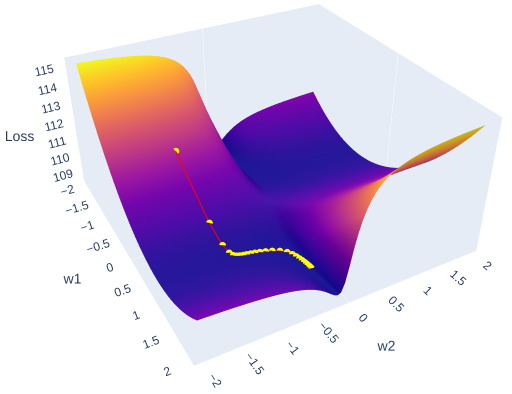
Exploring Neural Networks in Hydrometeorology: A unique approach to optimizing error surfaces in 3D using PyTorch. Learn how to visualize and interactively illustrate the steps of Stochastic Gradient Descent with plotly Python library.
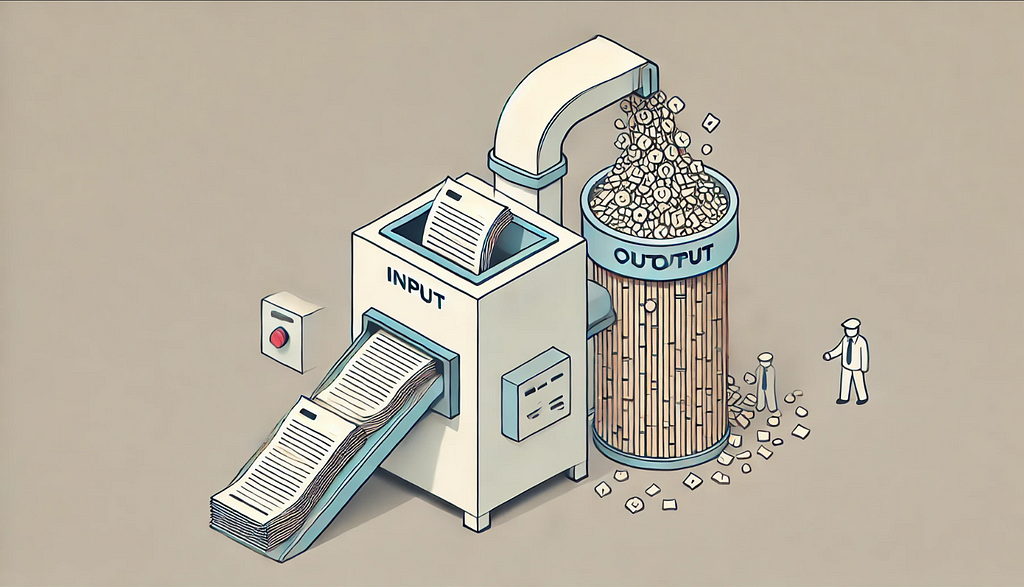
AI systems, like those using Vector Embeddings and LLMs, are inherently imperfect due to information loss. To address this, incorporating structured processes and metadata can help mitigate the loss and improve system accuracy.

Justine Roberts, CEO of Mumsnet, takes legal action against OpenAI for scraping content without permission. Google seeks to overhaul UK copyright law to mine content without compensation.