
Comedian John Mulaney roasted Salesforce employees, calling them "imminently replaceable" at a corporate event. His humorous take on AI and human intelligence sparked online praise.

Renowned filmmaker James Cameron joins Stability AI board for pioneering AI image-synthesis models, sparking discussion on AI's impact on storytelling and existential risks. Cameron's work on Skynet in Terminator franchise highlights concerns over AI dominance, prompting regulatory measures like SB-1047 in California.

AI for Equity Challenge: Climate Action, Gender, and Health by IRCAI, Zindi, and AWS aims to use AI to address climate crisis issues, gender equity, and public health. Global competition seeks innovative AI solutions aligned with UN SDGs for real-world impact, focusing on vulnerable populations.

MIT Lincoln Laboratory's 2024 R&D 100 Awards recognize 15 innovative technologies, including AI-assisted brain mapping and blast exposure monitoring. These technologies showcase the lab's diverse capabilities and real-world impact, spanning from preventing human harm to advancing 3D printing and integrated circuits.
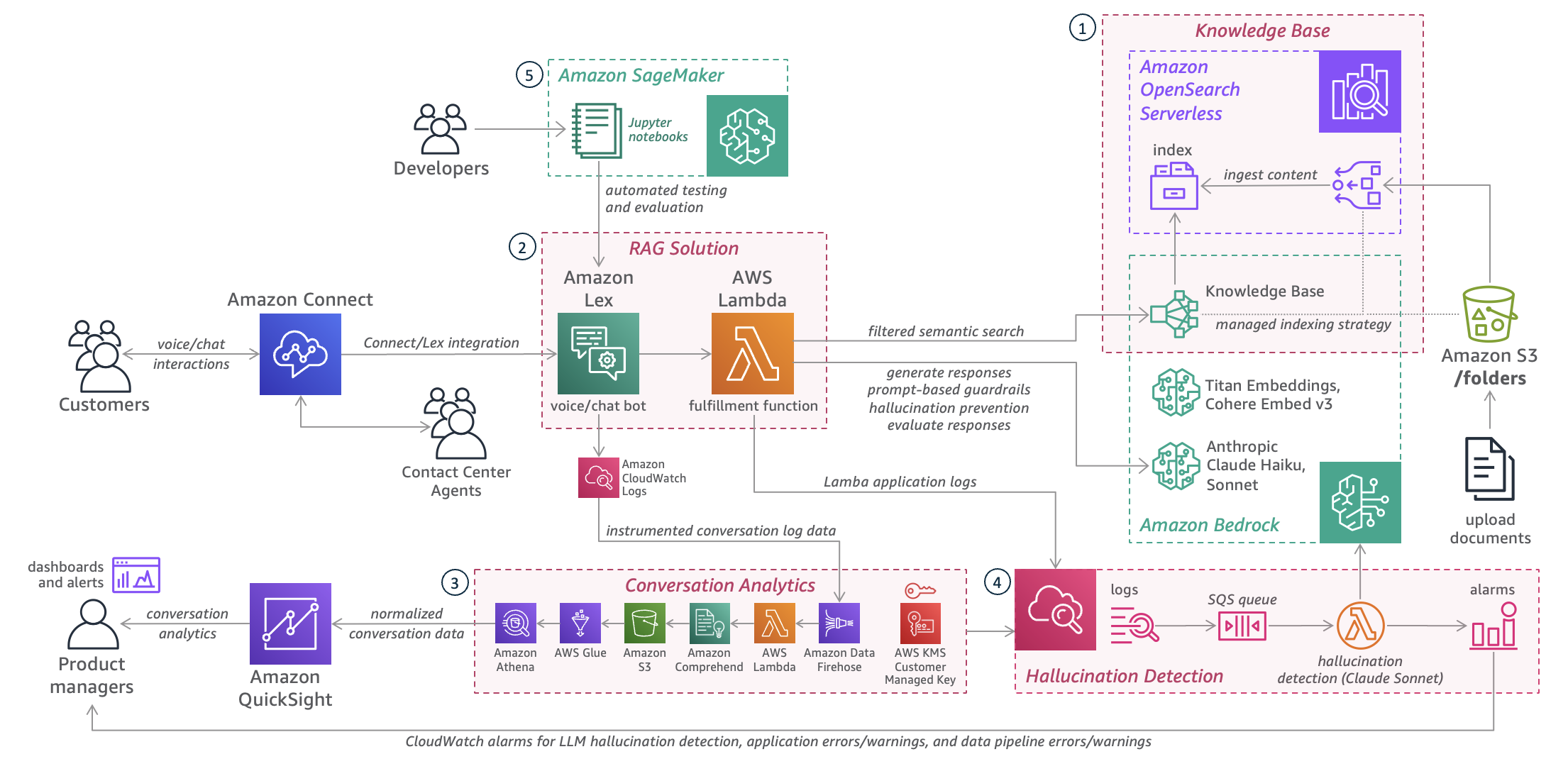
DoorDash implemented generative AI to provide Dashers with a low-latency self-service voice experience, reducing live agent assistance. The solution fields hundreds of thousands of calls per day, answering questions in 2.5 seconds or less, enhancing efficiency and trust in DoorDash's self-service capabilities.
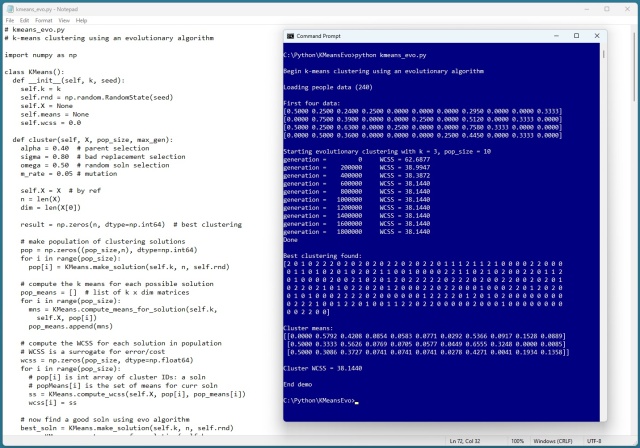
Implementing k-means clustering with an evolutionary algorithm in C# then refactoring to Python. Results show successful clustering with WCSS of 38.1440.
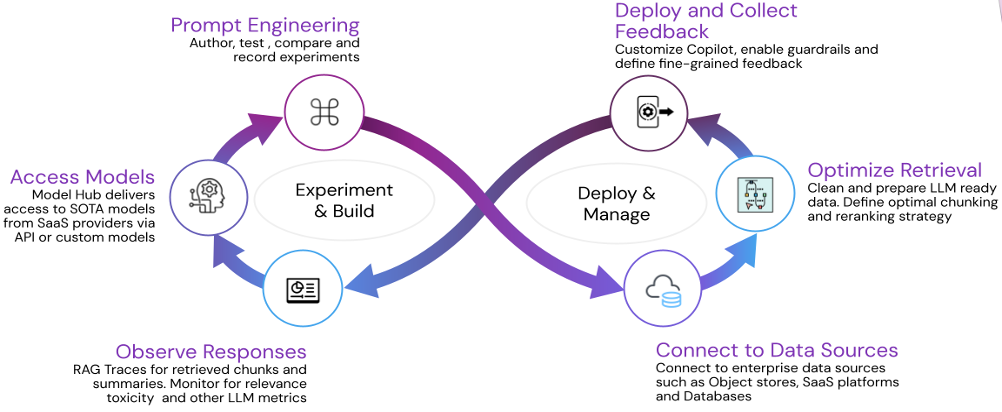
Karini AI offers a user-friendly GenAI platform for enterprises to build and deploy advanced Generative AI applications beyond chatbots. Their no-code platform includes quality evaluation, prompt management, and data ingestion pipeline for efficient deployment and monitoring, resulting in improved concurrency and cost savings.

Generative AI is transforming legal tech with FMs automating tasks. AWS AI and ML services address security and confidentiality concerns for legal professionals using generative AI.
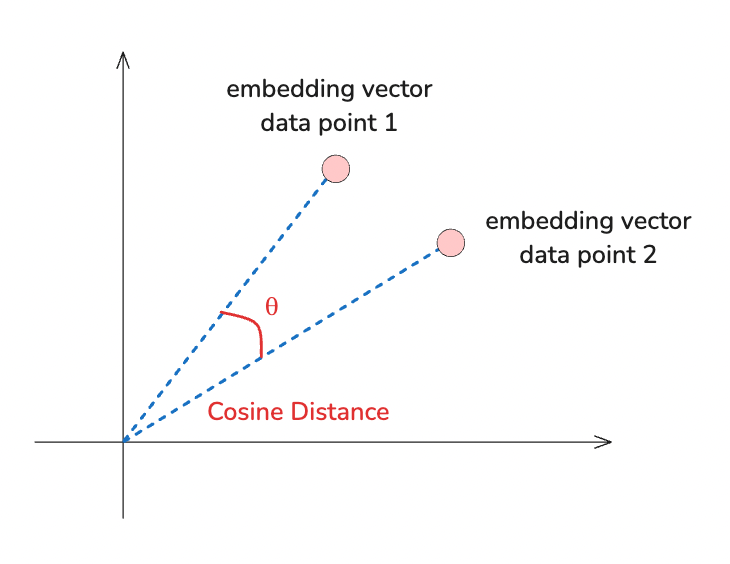
Evaluate RAG models without ground truth using vector similarity search threshold and multiple LLMs as judges. Discover effective strategies and metrics for assessing retrieval and generation performance.

OpenAI CEO Sam Altman envisions a future with superintelligent AI within the next decade, accelerating human advancement. OpenAI aims to create AGI, a technology that could match human intelligence, with the potential for superintelligence to surpass human capabilities.

Exploring semantic search on U.S. Presidents using language model embeddings reveals breakthroughs in understanding language models. Retrieval Augmented Generation systems utilize numerical embeddings for deeper semantic searches.
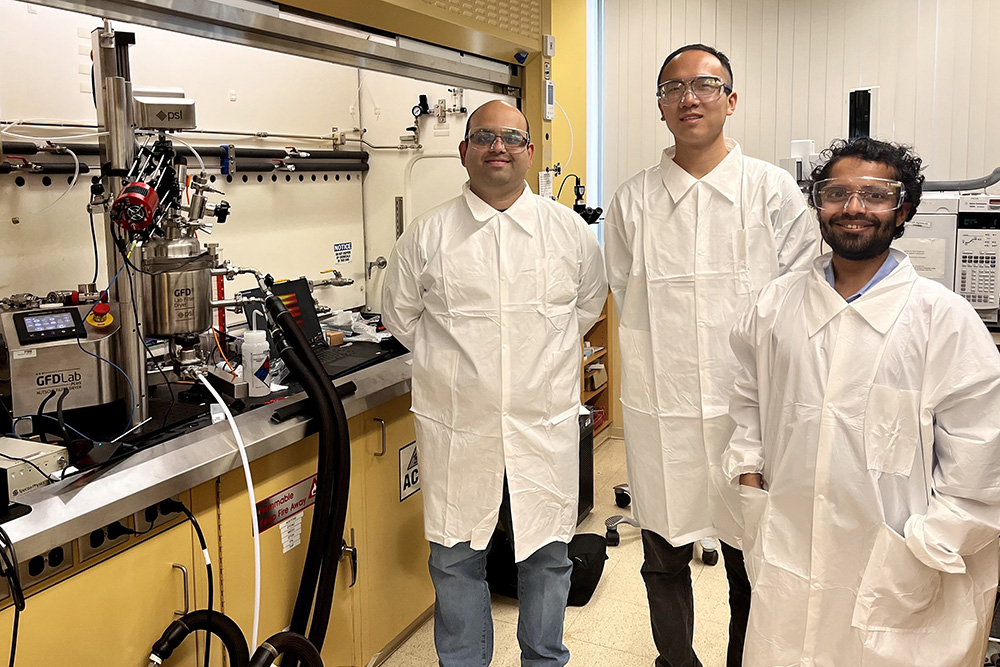
MIT engineers developed a machine learning-based scattered light approach for pharmaceutical manufacturing, reducing batch failures. The new open-access paper introduces a faster method for estimating powder size distribution, improving efficiency and product quality.

Learn how to create a video talk from an article using Gemini, Text to Speech, and MoviePy. Discover the power of Google Generative AI for controlled content generation.
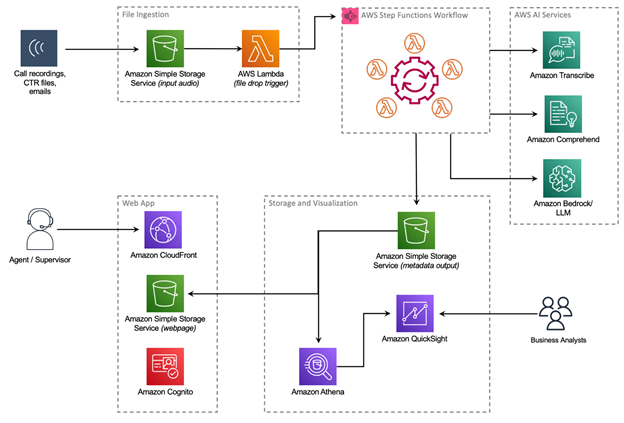
Rocket Mortgage introduces Rocket Logic – Synopsis, an AI tool powered by AWS, saving 40,000 team hours annually and increasing first-call resolutions by 10%. With a focus on self-service options and streamlined processes, Rocket aims to enhance client interactions and empower client advocates for a more satisfying overall experience.
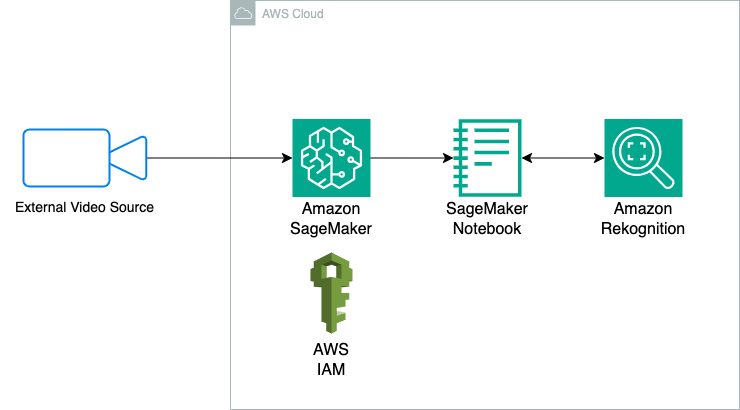
State and local agencies spend $1.23 billion annually on signalized intersections, while drivers lose $22 billion to congestion. Amazon Rekognition AI technology can reduce congestion and costs by automatically detecting objects at intersections.