
MIT chemists developed Crystalyze, an AI model, to determine structures of powdered crystals, aiding in material characterization for various applications. The model, trained on data from the Materials Project, could solve structures of thousands of materials with unsolved X-ray diffraction patterns.

Big Tech companies like Microsoft are joining forces with BlackRock and Global Infrastructure Partners to raise $30 billion for AI infrastructure investments, aiming to reach $100 billion total. The partnership will focus on building data centers and power infrastructure to support the development of generative AI products like ChatGPT.

MIT Entrepreneurship JetPack, an AI tool, offers guidance based on prompts, helping entrepreneurs with research and planning. The tool, part of the Orbit platform, streamlines the startup process, providing recommendations for market segments, pricing, and more.
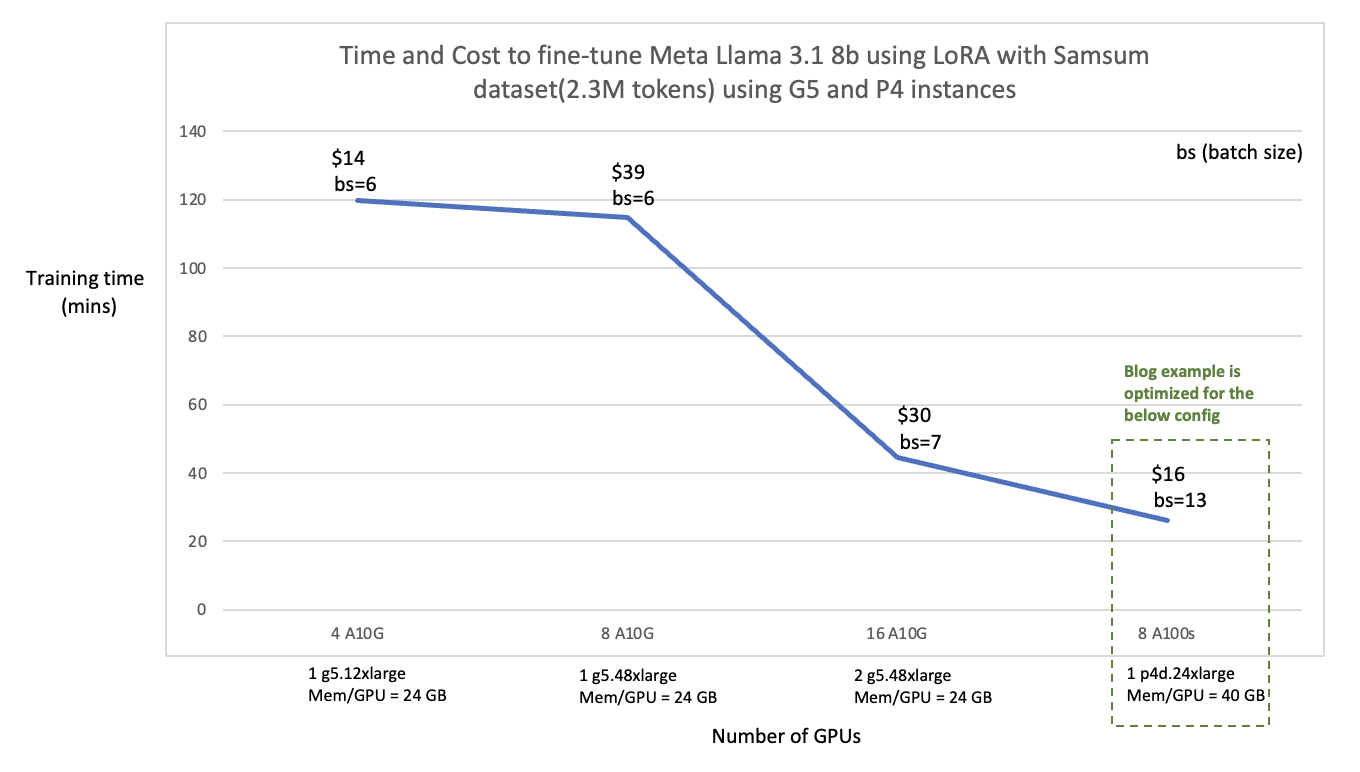
Meta and AWS collaborate to showcase torchtune, a PyTorch library simplifying fine-tuning of LLMs, optimizing performance and cost efficiency. Challenges in fine-tuning LLMs addressed with LoRA and QLoRA strategies, providing user-friendly training recipes for businesses.

Google urges UK government to relax laws on AI training with copyrighted materials to prevent falling behind in global AI race. UK ranked 7th in AI readiness index, prompting calls for policy changes to boost data infrastructure.

UN report suggests global AI fund for developing nations to benefit from technology advances. Fund would provide models, computing power, and training programs.

AdaBoost is a powerful binary classification technique showcased in a demo for email spam detection. While AdaBoost doesn't require data normalization, it may be prone to model overfitting compared to newer algorithms like XGBoost and LightGBM.

Advances in AI and ChatGPT are fueling the spread of increasingly realistic fake images, leading to a decline in media literacy. Lack of critical thinking in online content consumption poses a threat to society, as seen in the annoyance caused by staged pranks on social media platforms like TikTok and Instagram.

GeForce NOW adds FINAL FANTASY XVI & Frostpunk 2 to its library. Stream in 4K resolution for an immersive gaming experience.
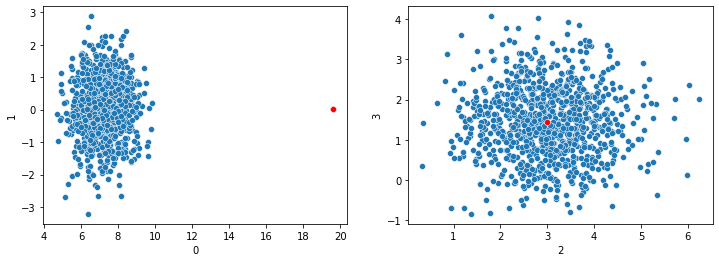
Shared Nearest Neighbors (SNN) metric enhances outlier detection, prediction, and clustering in high-dimensional datasets. SNN plays a crucial role in popular algorithms like k Nearest Neighbors and is vital for distance-based methods in clustering and outlier detection.
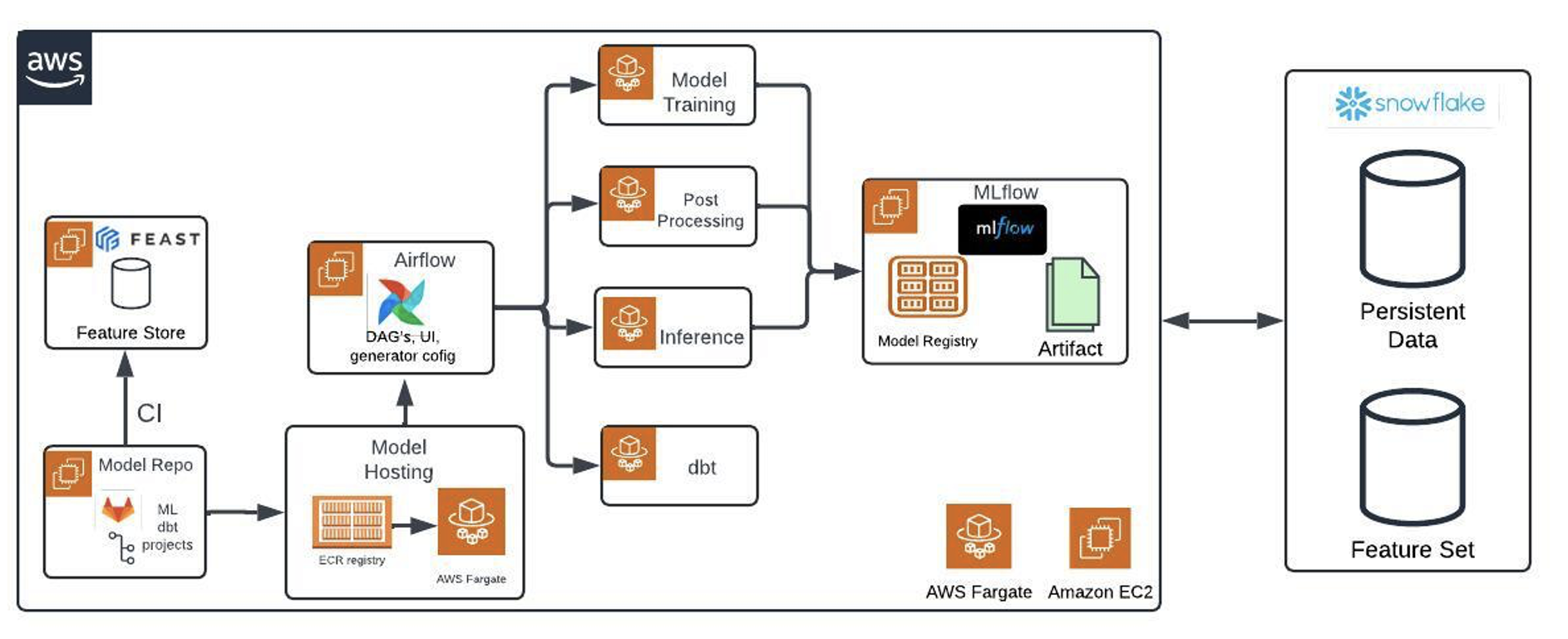
Zeta Global's AI/ML innovations, including Email Subject Line Generation and AI Lookalikes, are reshaping customer engagement and setting new benchmarks in marketing technology. The company's shift to a dynamic horizontal structure and development of a proprietary MLOps system highlight its commitment to accelerating project delivery and fostering collaboration among diverse skill sets.

Researchers from MIT and Penn State University found that large language models used in home surveillance can exhibit biases, flagging videos inconsistently based on demographics. The study warns of potential harm if these models are deployed in high-stakes settings due to their unpredictable behavior and lack of understanding of norms and values.

"SocialAI app blurs line between reality and conspiracy theory by allowing users to interact with AI chatbots only." "Criticism arises as software developer Michael Sayman launches AI-populated social network app."

Lionsgate partners with Runway to use AI on film and TV library for creative augmentation, including hit franchises like John Wick. The collaboration aims to empower filmmakers with AI technology to enhance their projects.

FBI dismantles massive Chinese state botnet, Raptor Train, compromising 260,000 devices worldwide for 4 years. Second China-operated botnet taken down this year, highlighting the ongoing threat from state-sponsored hackers.