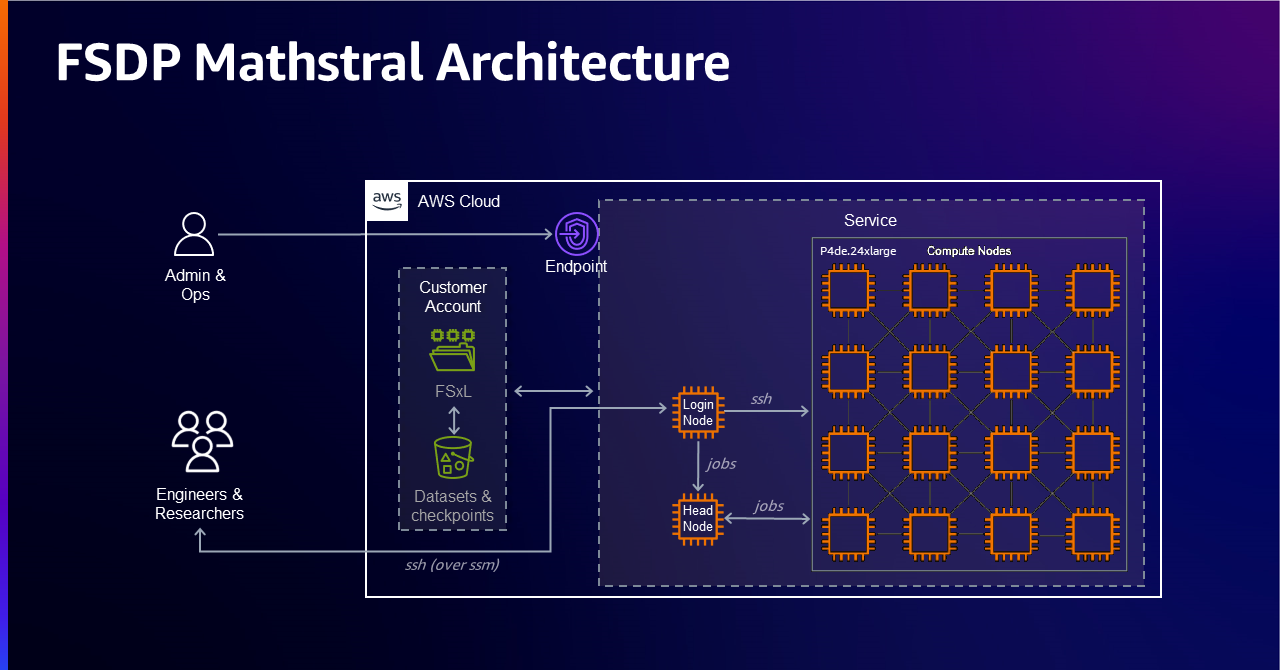
Amazon SageMaker HyperPod is designed to optimize FM training by minimizing interruptions from hardware failures, offering benefits like a standby pool of nodes at no extra cost and optimized cluster placement groups. This service ensures seamless training for weeks to months, enhancing customer innovation and reducing time-to-market for models.

Bill Gates explores AI challenges, revealing eerie truths and bizarre conspiracy theories about himself in his latest book. AI awakening in 2022 raises concerns about creating something more intelligent than humans.

NetApp, Amazon FSx, and Amazon Bedrock collaborate to enhance generative AI applications on AWS by leveraging unstructured user file data securely and efficiently. The solution integrates FSx for ONTAP with Amazon OpenSearch Serverless to enrich generative AI prompts with company-specific data, ensuring data security and access control.

One-fifth of GPs are using AI tools like ChatGPT to assist with tasks such as writing letters for patients. Survey of 1,006 GPs reveals the use of AI chatbots like Bing AI and Google’s Gemini in clinical practice.

AWS DeepComposer, the first ML-enabled keyboard for developers, will end support in 2025. Amazon PartyRock offers a new code-free generative AI playground for building web applications.

New customers lose access to Amazon Lookout for Equipment after October 17, 2024, but AWS offers alternative AI/ML solutions like SageMaker tools and partner options. Explore these resources to find the best fit for your predictive maintenance needs.

Google to implement C2PA standard to help users distinguish between human-created and AI-generated images. C2PA creates digital trail for content authenticity, combating misleading synthetic media online.

Starling Bank research shows 28% targeted by scammers. Social media videos used to clone voices with AI, trick family and friends into sending cash.
New study reveals significant increase in sales for Company X after implementing AI-driven marketing strategies, leading to improved customer engagement and revenue growth. Company X's success highlights the importance of leveraging AI technology in today's competitive market to drive business success.
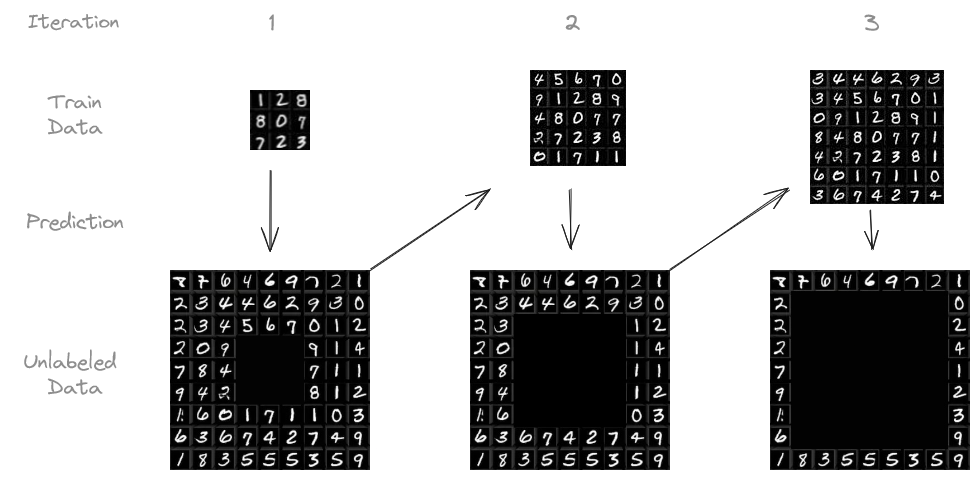
Summary: Pseudo-labeling boosts model accuracy from 90% to 95% using unlabeled data. Case study on MNIST dataset shows effectiveness of iterative, confidence-based approach.

Implementing k-nearest neighbors (kNN) classification for easy, interpretable results. Encoding and normalizing predictor variables crucial for accurate predictions.

OpenAI's new "Strawberry" AI model, o1, keeps its thinking process hidden, sparking intrigue and hacking attempts. Unlike previous models, o1 is trained to solve problems step-by-step, with enthusiasts racing to uncover its raw chain of thought.

Larry Ellison envisions AI-powered surveillance future where citizens are constantly monitored through cameras and drones to prevent crime. Oracle co-founder promotes automated oversight and alerts for police accountability through AI technology.
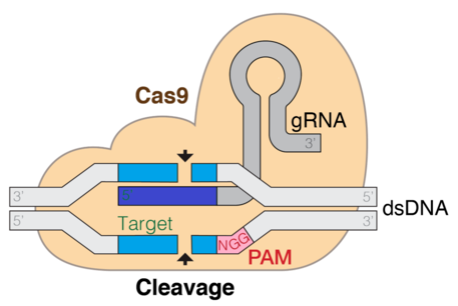
CRISPR technology is transforming gene editing by using computational biology to predict gRNA efficiency with large language models like DNABERT. Parameter-Efficient Fine-Tuning methods, such as LoRA, are key in optimizing LLMs for molecular biology tasks.
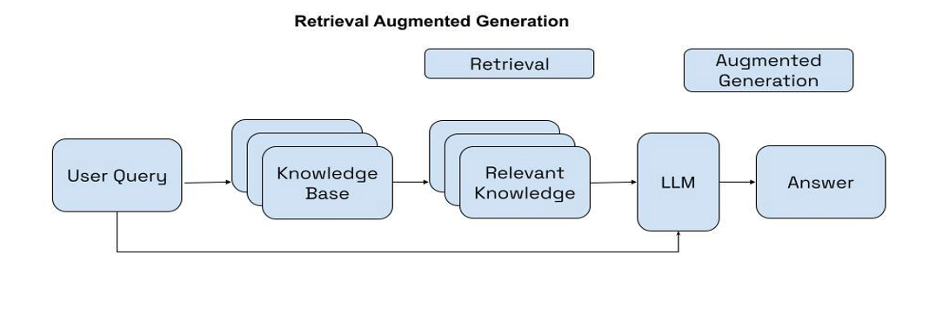
Retrieval Augmented Generation (RAG) combines AI and NLP for accurate text generation. RAG orchestration involves document retrieval and grounded generation to improve search quality and response accuracy.