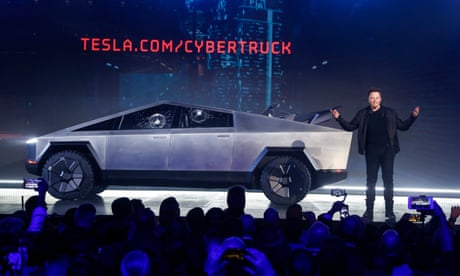
Elon Musk's Twitter antics scrutinized. AI not a threat to humanity. Nvidia accused of 'unjust enrichment' in lawsuit.

Australian privacy regulator ends pursuit of Clearview AI despite lack of compliance in deleting images of Australians' faces. Clearview AI claims database of over 50bn faces scraped from the internet, including social media.

Authors Andrea Bartz, Charles Graeber, and Kirk Wallace Johnson sue Anthropic for misusing their books to train AI chatbot Claude. Allegations claim company used pirated versions of works to teach chatbot to generate texts.
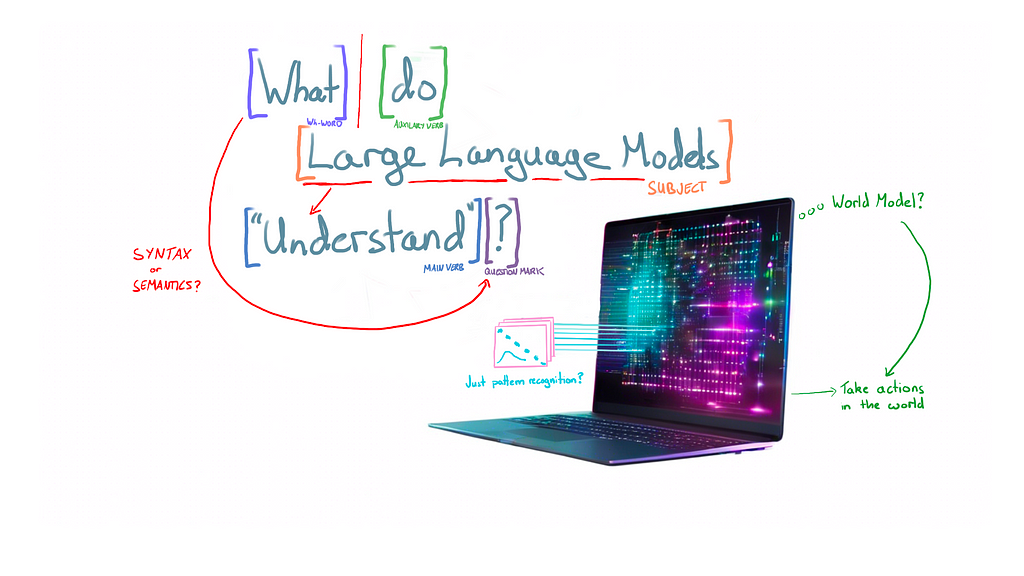
Large Language Models like ChatGPT have capabilities beyond human abilities, prompting questions about the extent of their understanding. LLMs predict text likelihood based on context, showcasing impressive feats but lacking basic human abilities.

Learn about penalized quantile regression models in python, including the advantages over traditional least squares regression. Explore high-dimensional quantile regression using the robust asgl package, focusing on adaptive lasso penalization for more nuanced insights.
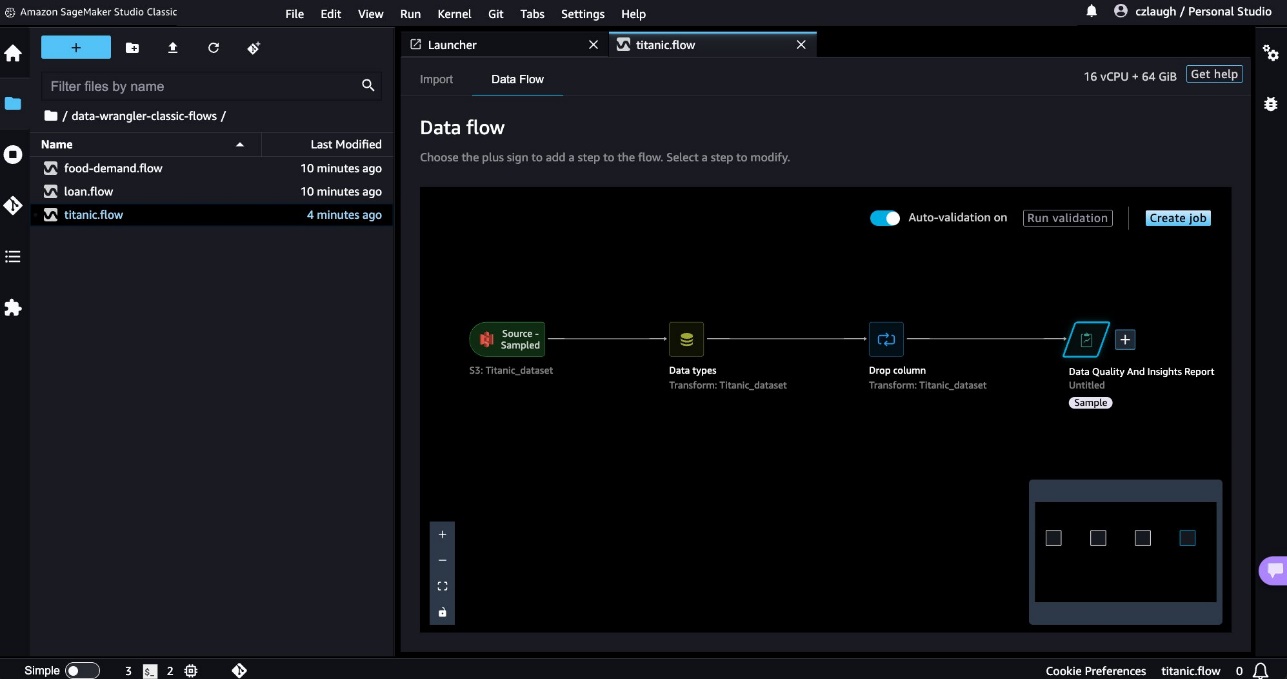
Amazon SageMaker Data Wrangler and Canvas combine to offer a no-code workspace for preparing data and deploying ML models. Users can easily migrate existing Data Wrangler flows to Canvas, streamlining the ML workflow.

Trump shares AI-generated images of Taylor Swift and fans supporting his campaign on Truth Social platform, blurring line between parody and election disinformation. Swift has not endorsed Trump, images originally posted by rightwing accounts on X (formerly Twitter).
Nearest Neighbor Classifier uses past experiences to make predictions, mimicking real-world decision-making. K Nearest Neighbor model predicts based on majority class of closest data points, making it intuitive and easy to understand.

Researchers claim 80% accuracy in screening children under 2 for autism using machine learning AI, offering potential benefits.
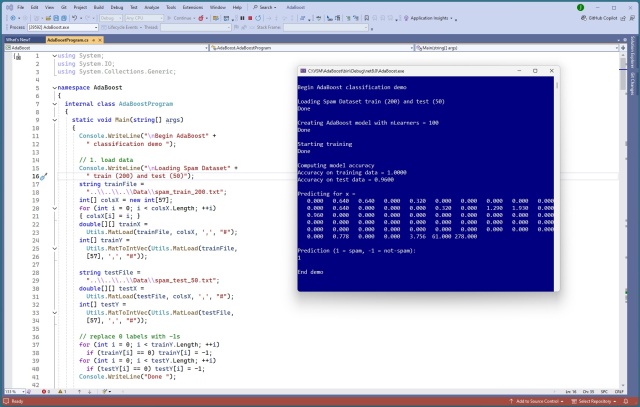
Implementing AdaBoost from scratch in Python and C# for binary classification using decision stumps. AdaBoost excels with unnormalized data and requires tuning only the number of weak learners.
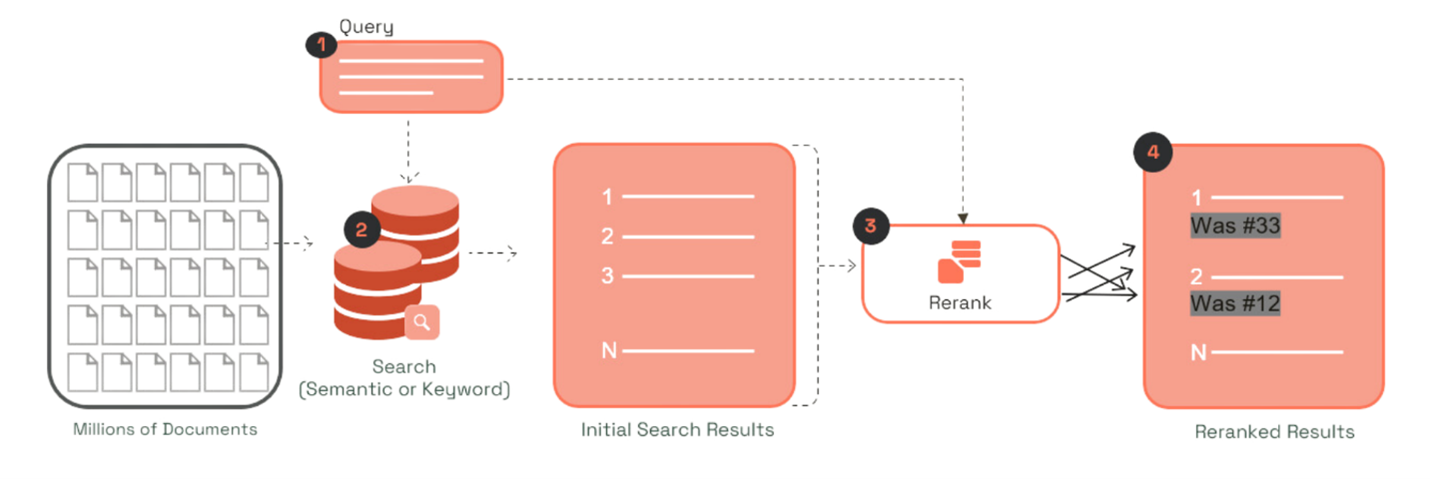
Cohere Rerank 3 Nimble FM enhances enterprise search systems, improving speed and accuracy by reordering relevant documents efficiently. Amazon SageMaker JumpStart provides access to pre-trained models like Cohere Rerank 3 Nimble, enabling customization for specific use cases without starting from scratch.

Victor Miller and his ChatGPT bot, Vic, aim to lead Cheyenne in a hybrid format, proposing AI to run the local government if elected mayor. Voters in Wyoming's capital city must decide on the innovative idea of AI assisting in city governance.
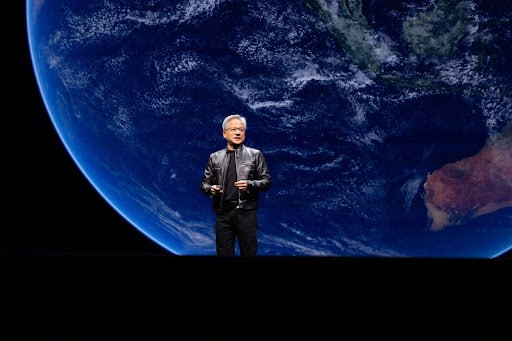
NVIDIA Research introduces StormCast AI model for accurate weather prediction at mesoscale, aiding disaster planning and mitigation. CorrDiff by NVIDIA Earth-2 boosts energy efficiency and lowers costs for fine-scale typhoon predictions, showing potential global impact.
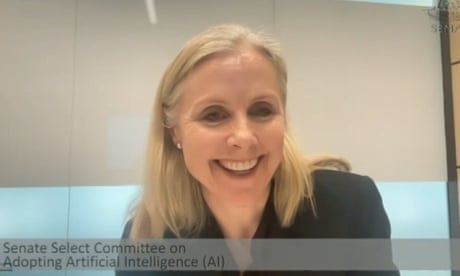
Google's Lucinda Longcroft interrupted by AI chatbot during Senate hearing. Proposal for gambling levy to reduce Australian media reliance on betting ads.

AI-generated song by Butterbro blurs line between parody and discrimination, featuring racial stereotypes, makes Top 50 in Germany. Song "Verknallt in einen Talahon" challenges norms with modern lyrics and 60s schlager pop vibes.