
Guardian journalist Michael Safi revisits the world of artificial intelligence, uncovering its dangers and promises for society in the Black Box series. A mysterious encounter with Noah leaves Hannah with life-changing experiences and lingering concerns about the impact of AI.
Craftspeople calmly mend old timepieces in a chaotic world. Internet fails to unite, drowning us in nightmares of AI and global politics.

Teachers must adapt to students' proficiency in large language models, shifting focus from product to process. Concerns arise as professors grapple with grading students versus computers in an AI-dominated educational landscape.

Historian warns of AI dangers, citing Greek myth & Goethe's cautionary tale about humans summoning powers they can't control. Lesson: Never summon powers you cannot control.
Apple is set to introduce ChatGPT-powered Siri in iOS 18, part of its new AI suite "Apple Intelligence." How will this innovation impact user phone experience and privacy?

AI images on Truth Social linked to John Milton Freedom Foundation, funding rightwing media influencers. Foundation aims to empower independent journalists and strengthen democracy.

Naive Bayes simplifies machine learning with probability theory, making accurate predictions in various applications. Three main types - Bernoulli, Multinomial, and Gaussian - cater to different data distributions, offering a versatile approach.
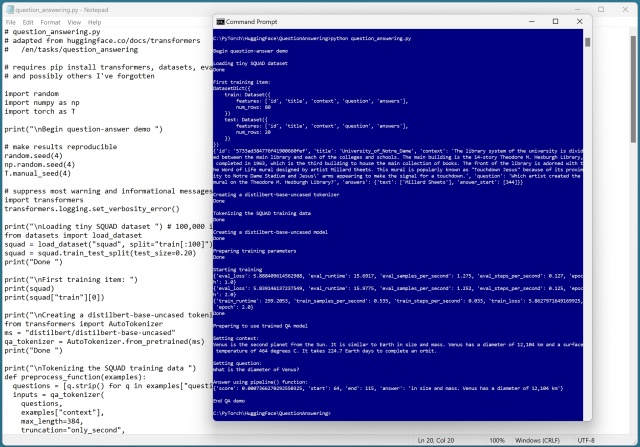
HuggingFace offers a vast library of pretrained language and image models for natural language tasks. Despite some errors, the QA system showcases the simplicity and effectiveness of using the pipeline() function.
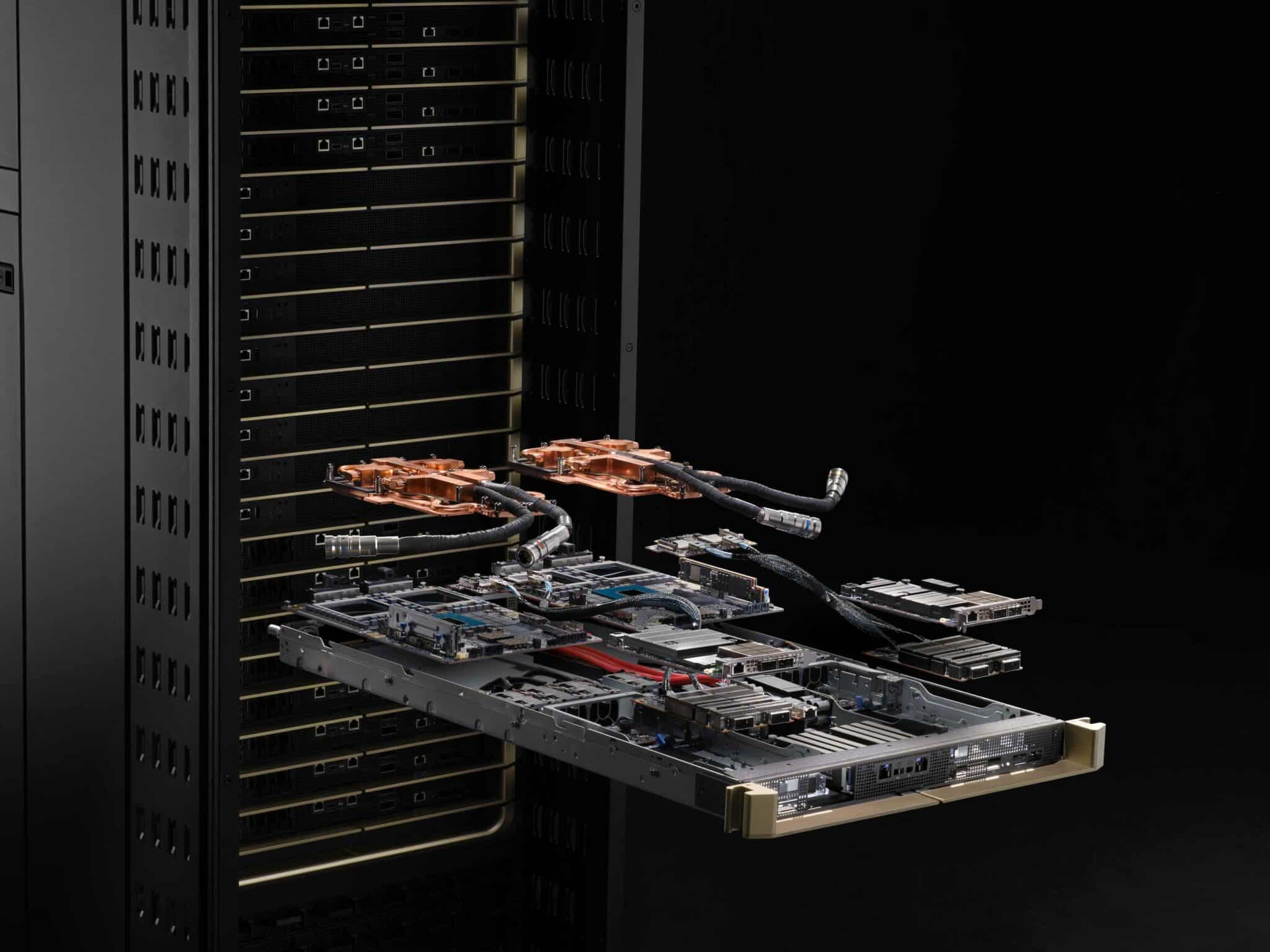
Hot Chips 2024 features NVIDIA's Blackwell platform advancements and liquid cooling research for data centers, pushing AI computing limits. NVIDIA engineers showcase groundbreaking AI system design, all-to-all GPU communication, and Quasar Quantization System for accelerated computing.
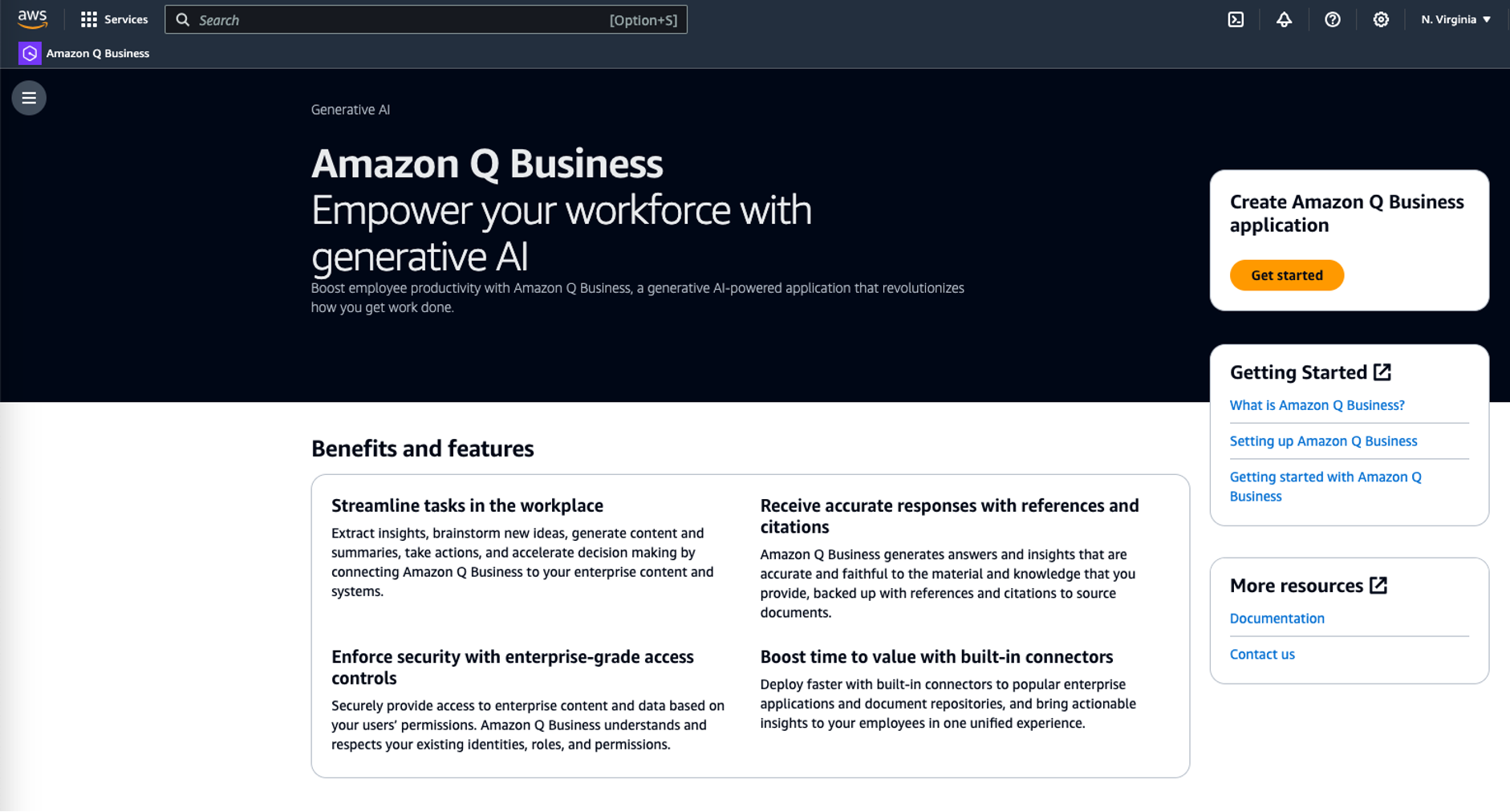
Amazon Q Business is an AI-powered assistant for enterprises, providing tailored conversations and immediate information to enhance employee productivity. Connect Amazon Q to Atlassian Confluence Cloud for seamless access to structured workspaces and relevant content.

NVIDIA's GeForce NOW adds Xbox sign-in, Black Myth: Wukong, and FINAL FANTASY XVI to cloud gaming lineup. New games, features, and data center expansion enhance gaming experience for members worldwide.
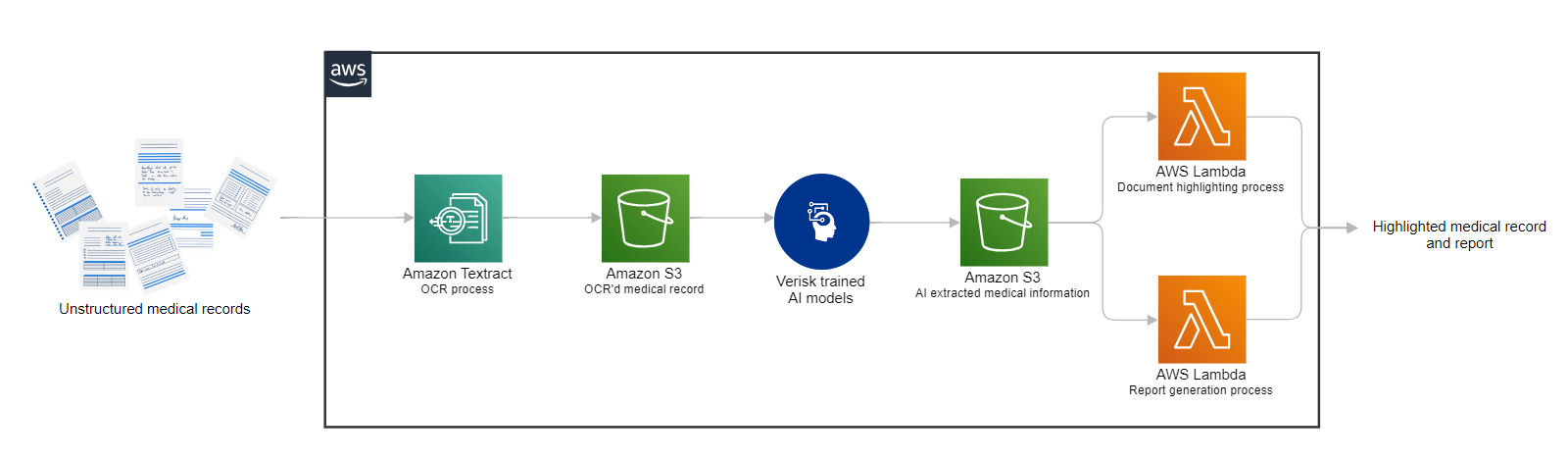
Verisk utilizes cutting-edge generative AI technology in its Discovery Navigator product, streamlining medical record review for insurers. The AI-powered platform saves time, improves decision-making, and enhances operational efficiency in claims management.

Trump creates AI-generated images of politicians like Kamala Harris and celebrities like Taylor Swift for attention, not to deceive. He accuses others of election interference while sharing his own fake images.
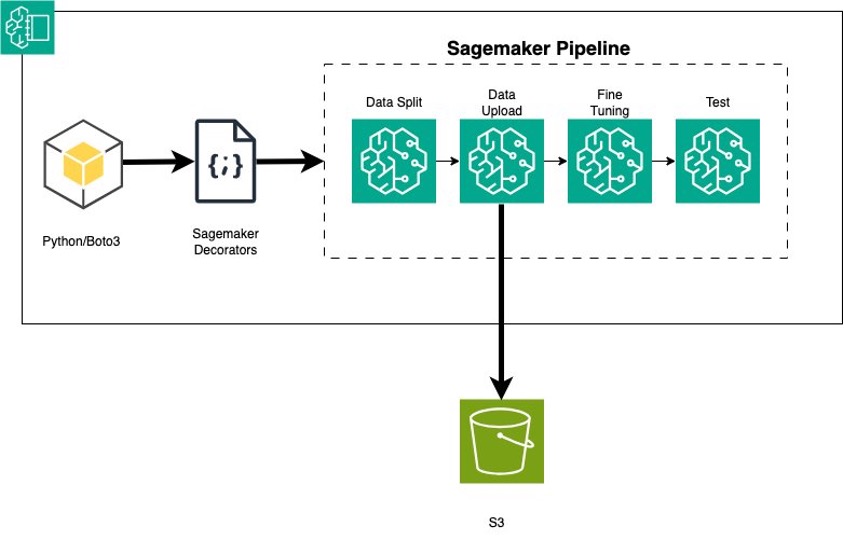
Building a deployment pipeline for generative AI applications requires robust data pipelines and monitoring performance. Amazon SageMaker Pipelines simplifies ML lifecycle management and enables collaboration between AI/ML teams.

Reinforcement learning faces challenges with tabular methods due to computation and generalization issues. A novel approach is needed for complex environments with a large number of states and actions.