
Compress LLMs 10X without performance loss. Techniques like quantization, pruning, and knowledge distillation make powerful ML models more accessible.

California bill mandates AI model testing, safety protocol disclosure to prevent catastrophic risks like electric grid sabotage. Governor Gavin Newsom to decide on groundbreaking legislation by end of September, amid warnings against AI overregulation.

Nvidia's revenue doubles to £23bn, but concerns arise over AI chip delays. Investors spooked by slowing growth signals.

AWS DeepRacer League, the first autonomous racing league powered by ML, closes with a final season. Participants worldwide sharpen skills through friendly competitions, with a new AWS Solution for continued training and community racing.
Decision Trees are essential in machine learning, offering intuitive "if-then" flowcharts. Learn how this algorithm works with a breakdown of tree construction using an artificial golf dataset to predict playing conditions.
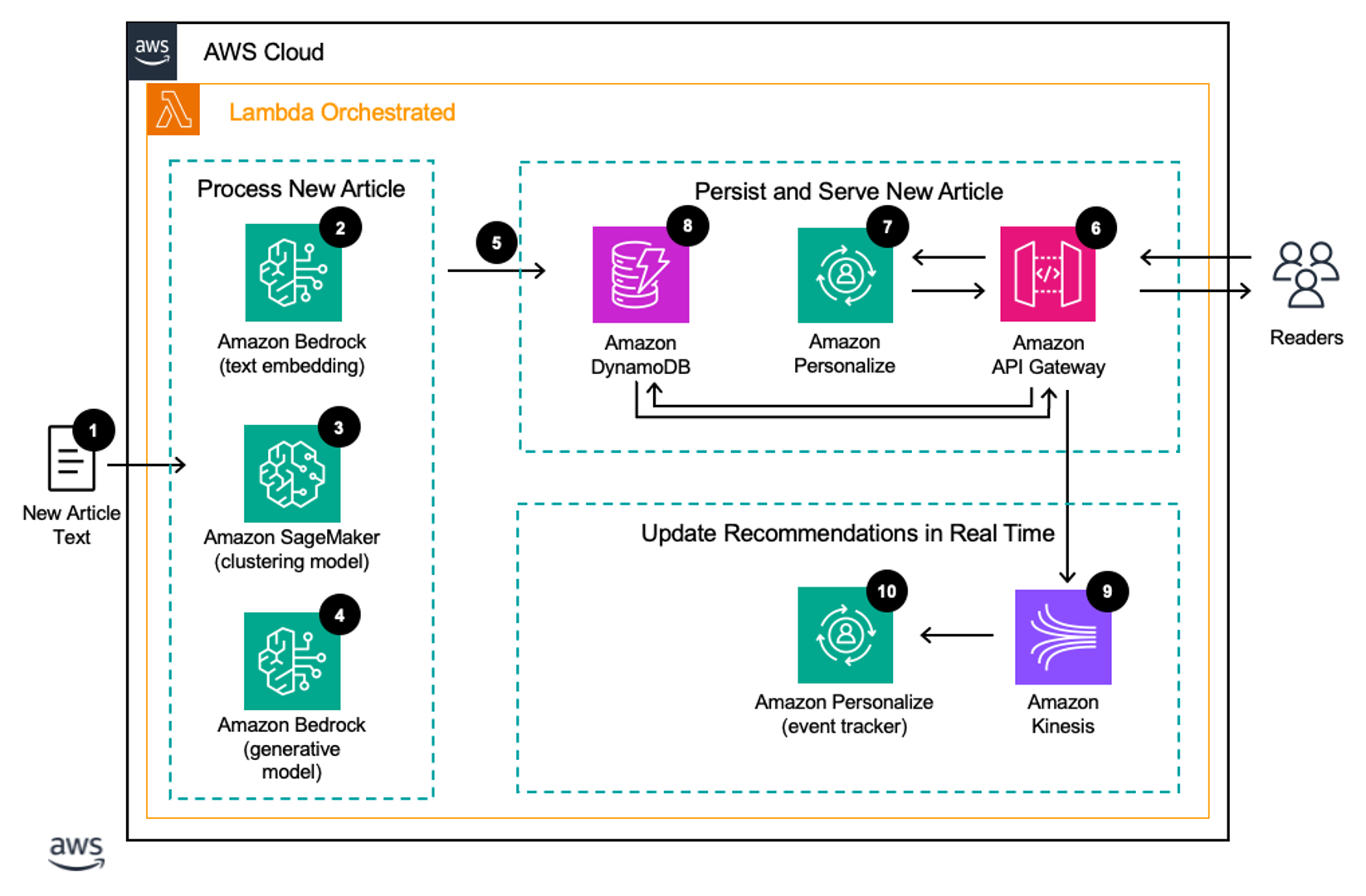
News publishers face challenges in providing personalized content due to the short shelf life of news articles. Amazon Bedrock combines text embeddings with Amazon Personalize to recommend articles in real-time, improving user experience and engagement.
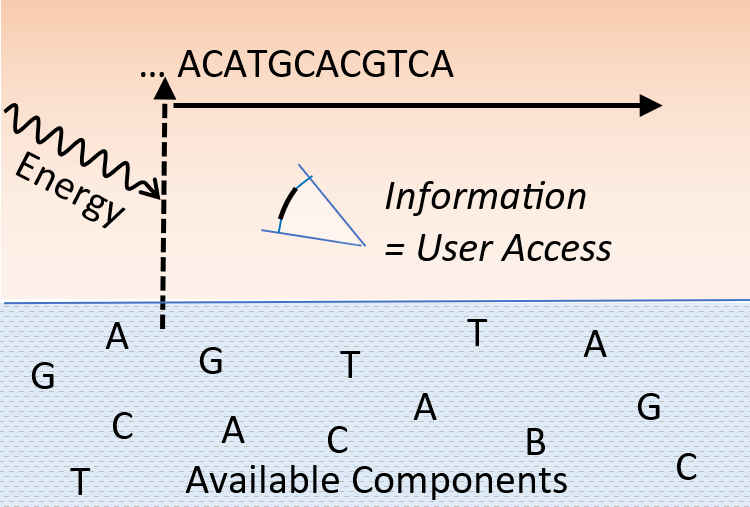
New law of infodynamics could revolutionize genomic research, evolutionary biology, and computing. SLID reveals how complex systems process information, with implications for analytical models and the evolution of viruses.
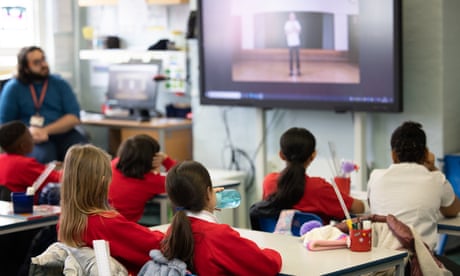
AI-powered chatbot, Ed, failed to revolutionize education; highlights challenges in transforming public services with artificial intelligence. Columnist Gaby Hinsliff questions the government's belief in doing more with less through AI.

Artists explore AI's potential and risks. Cate Blanchett jokingly mentions sex robots in a fictional 2023 EU address.
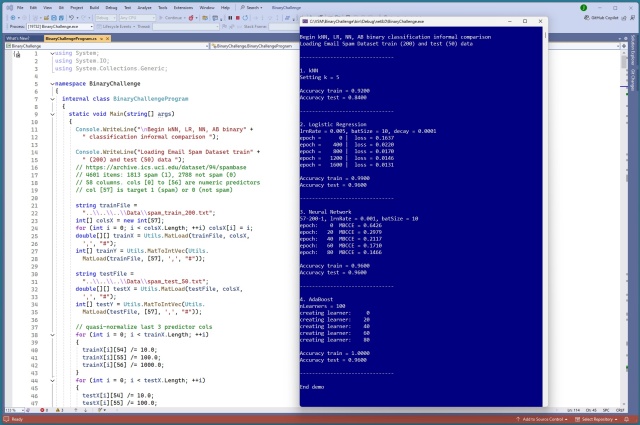
A comparison of kNN, LR, NN, and AB for binary classification revealed insights on predictive power, ease of training, and interpretability. Experiments with the UCI Email Spam Dataset showed LR and NN outperforming kNN and AB in accuracy.
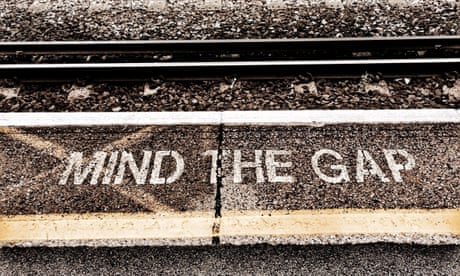
Tanni Grey-Thompson's train ordeal highlights the need for a more disability-friendly world. Keir Starmer's austerity message draws inspiration from Lynn Anderson's hit single.

Researchers harvesting rare organisms globally face backlash over unpaid use of genetic codes. Algae collected in North Yorkshire highlights AI's impact on biodiversity research.

2024: Rise of new generation agents like MultiOn, LangGraph, and LlamaIndex Workflows. Second-gen agents offer structured paths for more powerful capabilities, moving away from the failed ReAct agents.
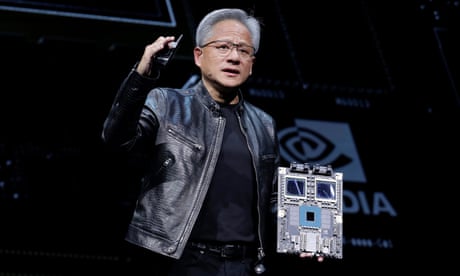
Nvidia, third most valuable company, sees revenue surge to $30.04bn, driven by rising AI demand. Despite exceeding expectations, shares drop 3% in after-hours trading.
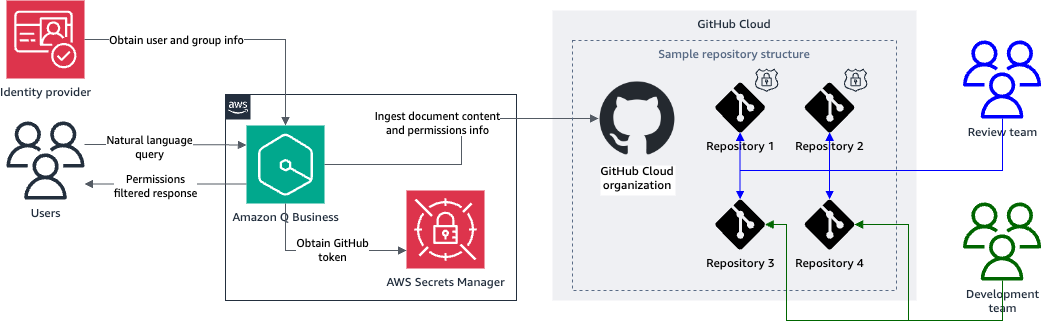
Incorporating AI like Amazon Q Developer can boost dev productivity by 30%. Amazon Q Business enhances enterprise operations with generative AI.