
Amazon Q Business offers interactive chat applications using enterprise data, with the Amazon Q Web Crawler connector for indexing website contents. The connector automatically updates and indexes webpages and attachments, allowing for generative AI experiences based on user requests.

Six imputation methods for missing values in data sets explained with visuals, highlighting the importance of domain knowledge. Understand the types and reasons for missing data to choose the right imputation method for better analysis.
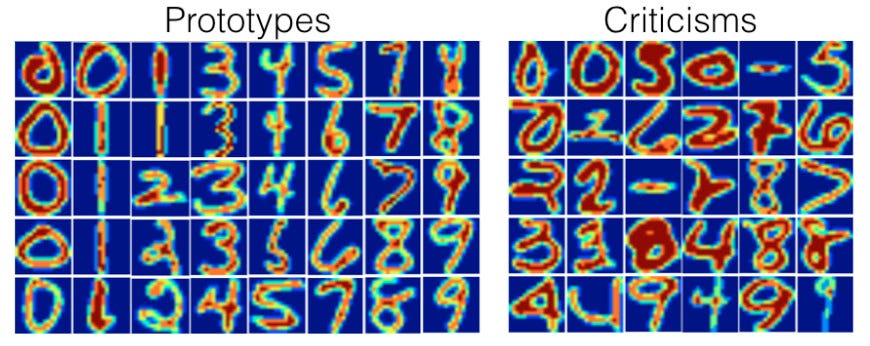
MMD-Critic method for data summarization lacks usage due to the absence of a Python package, but its results justify more attention. It helps find prototypes and criticisms in datasets for model testing and explanations, using Maximal Mean Discrepancy to compare probability distributions.
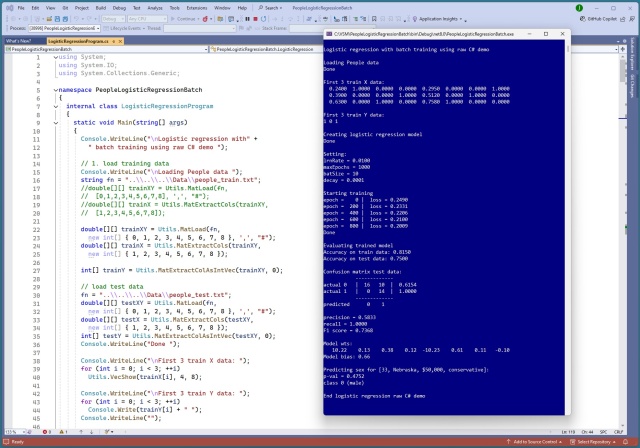
Author developed a logistic regression model in C#, using batch training & weight decay for predicting gender based on various factors. The model achieved 75% accuracy on test data, showcasing the power of batch training in enhancing prediction models.

Journalists combat Maduro's media crackdown with AI avatars. Reporting in Venezuela becomes increasingly difficult under President Maduro.

The OSI clarifies "open source AI," challenging companies like Meta for labeling restricted models as open source. A draft definition emphasizes key freedoms for truly open AI.
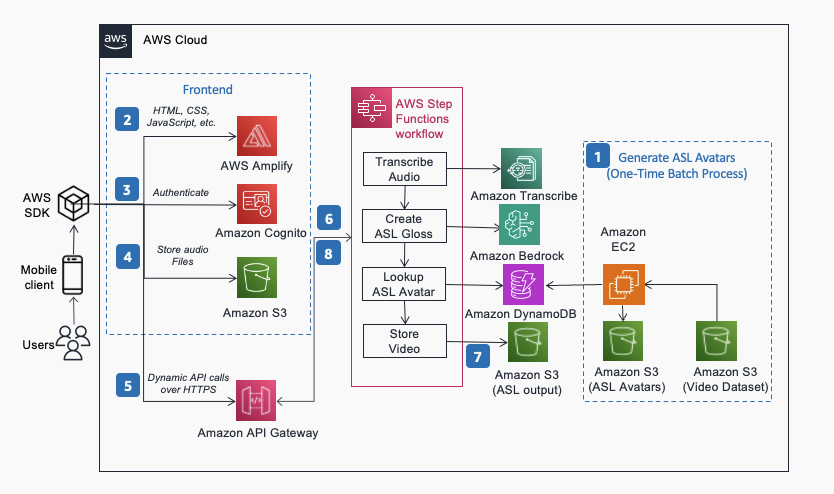
GenASL uses AI to translate speech/text into ASL avatars. AWS services enable seamless ASL video creation for inclusive communication.
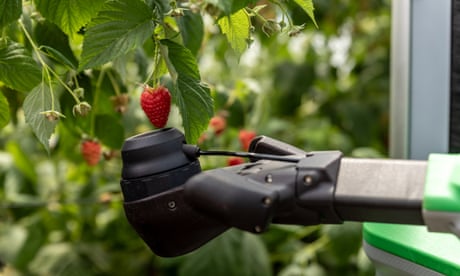
Fieldworker robot, aka Robocrop, to revolutionize raspberry picking in UK, Australia, and Portugal with AI-powered efficiency and accuracy. Developers claim new version can detect ripe berries more accurately and pick faster due to improved grippers.

Dutch supermarket Jumbo introduces chat lanes to combat loneliness. Sociologist warns of losing human connections in pursuit of efficiency and profit, advocating for more relational jobs in the "feeling economies".

Flux AI model excels at rendering custom-trained typefaces, allowing users to insert unique fonts into AI-generated images. LoRA technique enables customization of AI base models for inserting personal products or styles into images.

Google DeepMind launches Visualising AI project, exploring RAG techniques to enhance retrieval accuracy. Re-ranking results from vector database retrievals can improve performance, with traditional methods like TF-IDF and BM25 providing valuable insights.

Large language models from Anthropic, OpenAI, and Meta showcase distinct strategic behaviors in a simulated Risk environment, with Claude Sonnet 3.5 edging out a narrow lead. The ability of LLMs to think and act strategically is crucial as we integrate them into our daily lives, raising important questions about their strategic capabilities and future developments.
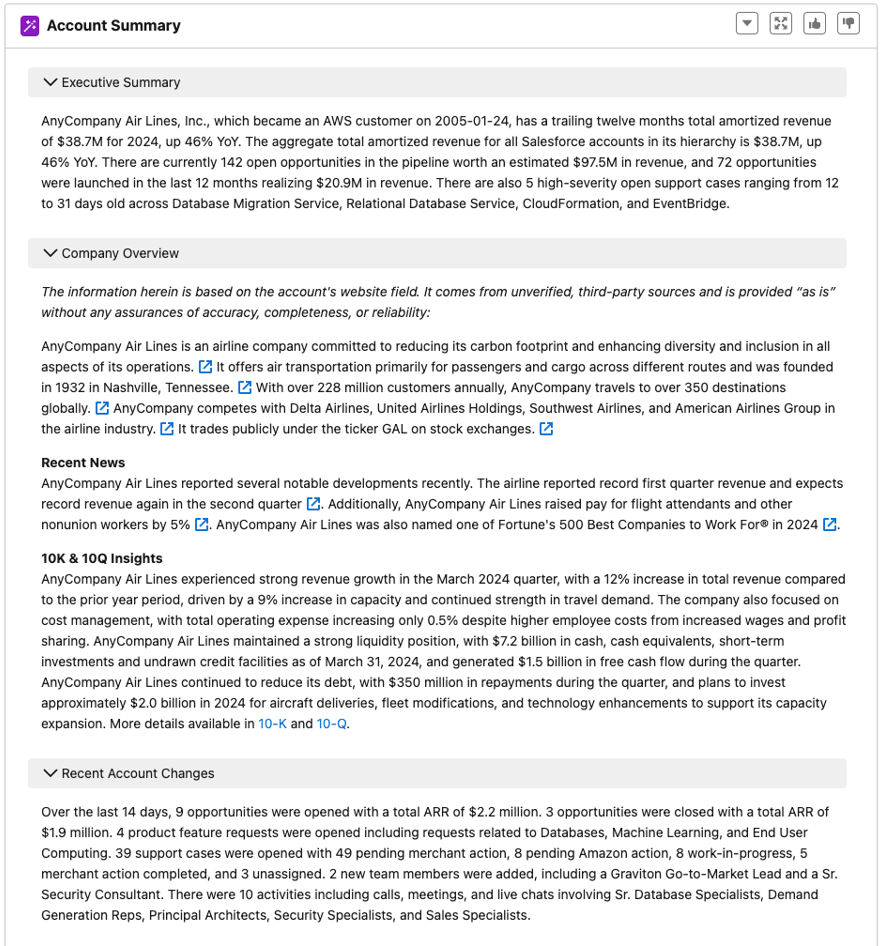
AWS is using generative AI to transform seller and customer journeys, automating tasks and providing personalized content. The GenAI Account Summaries saw a 4.9% increase in opportunity value, showcasing the power of AI in improving customer engagement and driving efficiency.

LLMs in enterprise IT face challenges in security and privacy. Anthropic Claude on Amazon Bedrock offers solutions to mitigate prompt-level threats and enhance AI-generated outputs' reliability.

Government to publish central government AI algorithms on public register after concerns over bias and racism. Tools used for detecting sham marriages and benefit fraud under scrutiny by transparency campaigners.