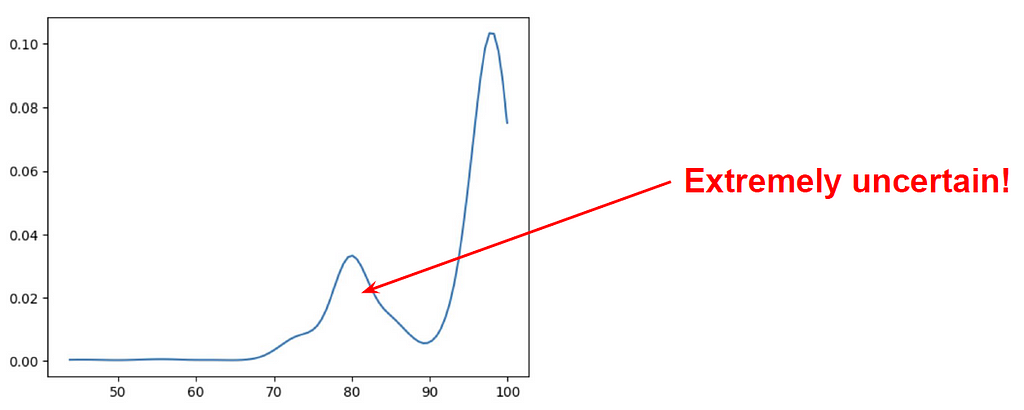
LLM prompts show brittleness in AI responses. Experiment with OpenAI's GPT-4o reveals 55% accuracy with original prompt.
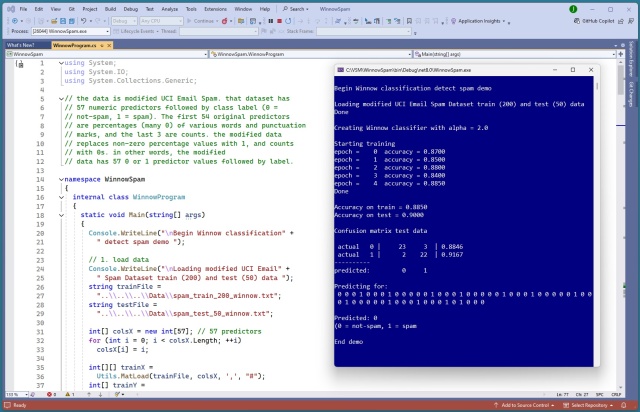
Winnow binary classification is designed for binary predictor variables and labels. An example using a modified UCI Email Spam Dataset demonstrates the unique Winnow algorithm in action.

Fake AI vocals, including Donald Trump's, disrupt the Montego Bay clash scene, sparking debates on the future of the culture. The use of AI vocalists challenges authenticity and originality in the historic Sumfest Global Sound Clash tradition.
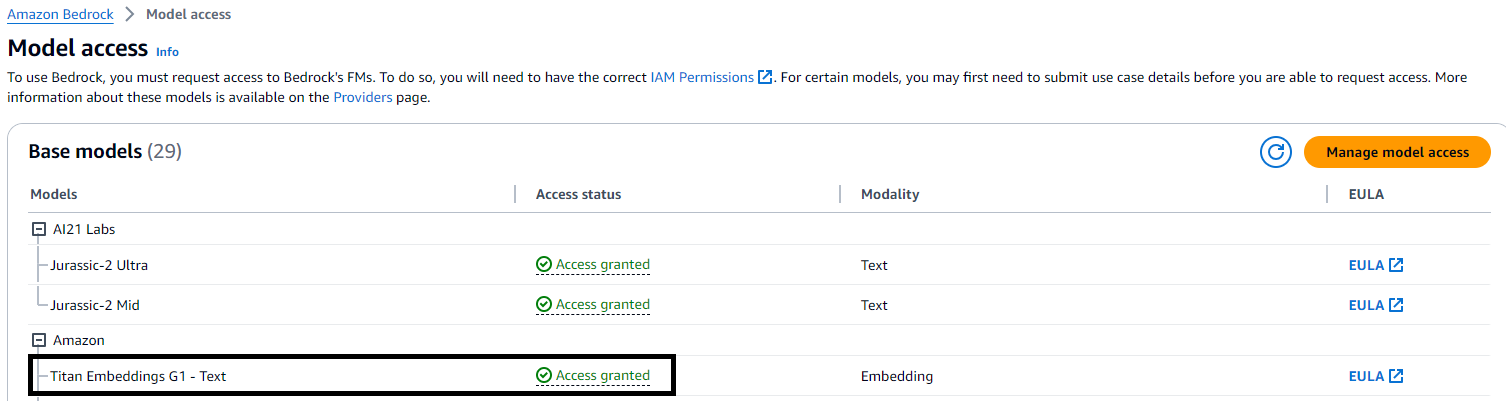
RAG combines retrieval and foundation models for powerful question answering systems. Automate RAG deployment with Amazon Bedrock and AWS CloudFormation for seamless setup.
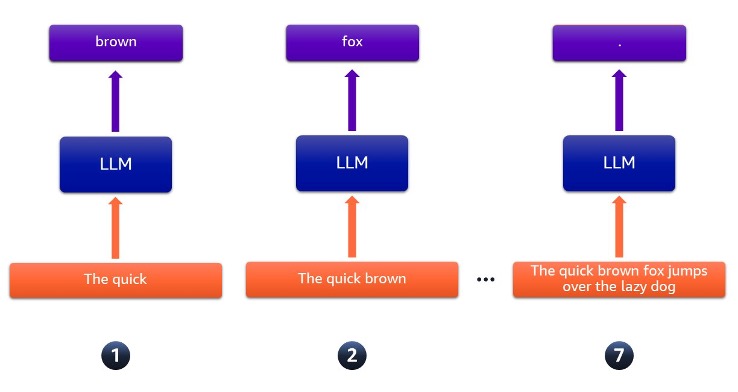
Large language models (LLMs) are growing in size for better results, but with increased computational demands. Speculative sampling improves efficiency by verifying multiple tokens in parallel, enhancing hardware resource utilization.

Elon Musk sues OpenAI CEO Sam Altman, alleging manipulation into co-founding the company. Legal battle reignited with new lawsuit in northern California court.
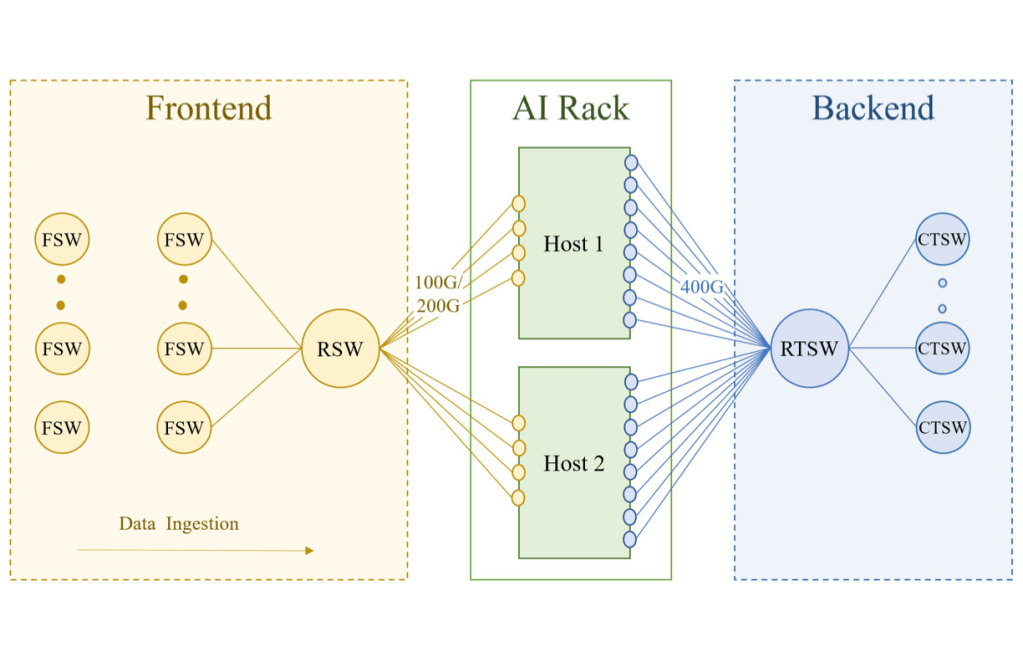
AI networks interconnect GPUs for large-scale distributed training at Meta, using RDMA over Ethernet for high-performance communication. Specialized RoCEv2 networks support various AI workloads, including GenAI, ranking, and natural language processing, with a dedicated backend network for training clusters.
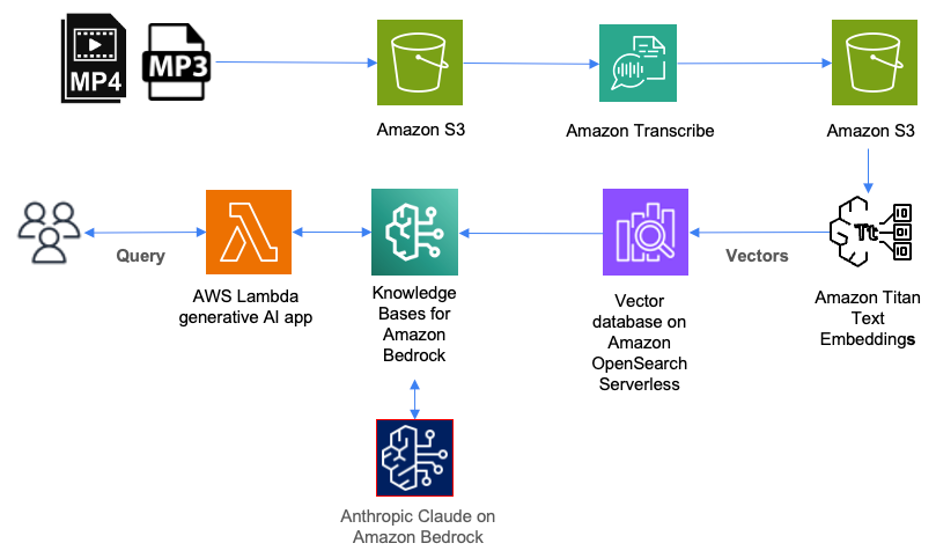
Information retrieval systems are evolving with AI solutions like Amazon Transcribe and Amazon Bedrock to efficiently search through audio files at scale. These services simplify the process of transcribing audio, cataloging content, and creating embeddings for easy querying.

AI can create images and sounds simultaneously, like corgis barking. Researchers at the University of Michigan explore this groundbreaking concept.
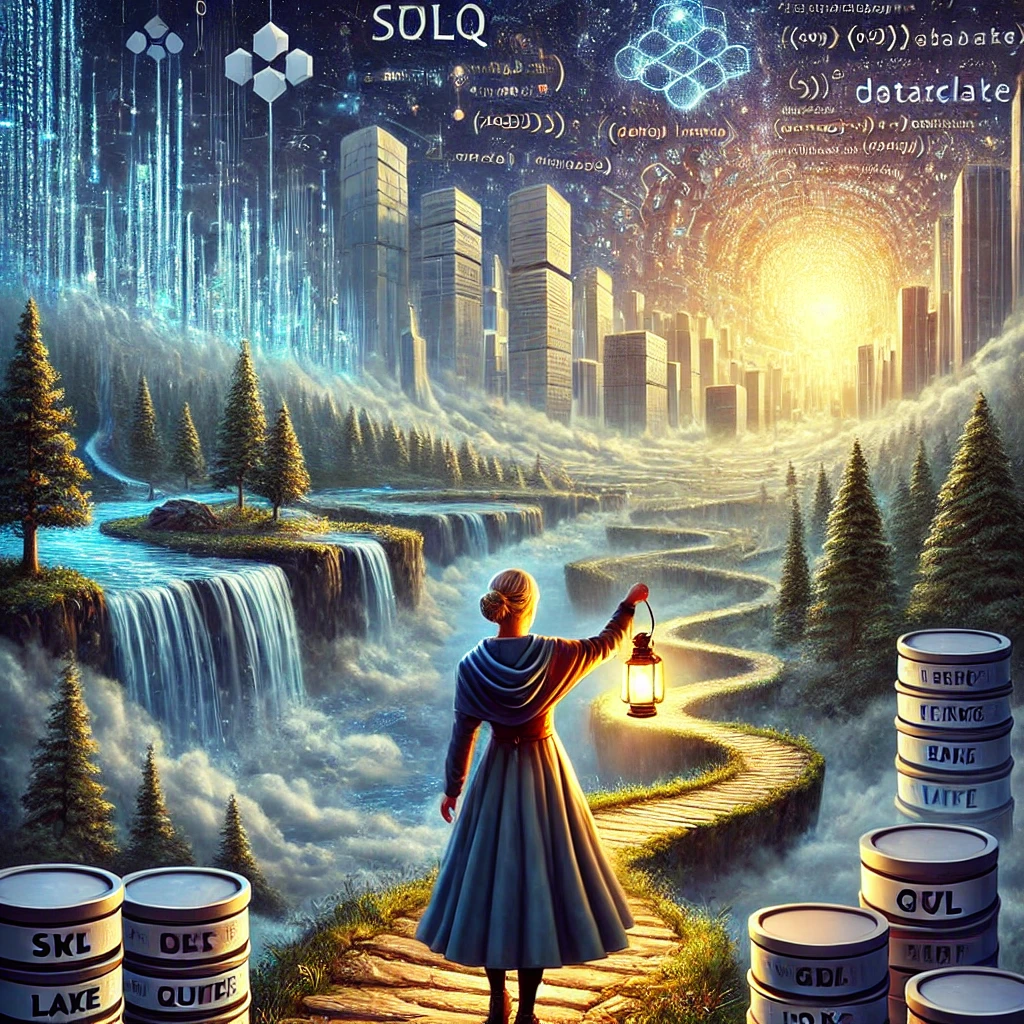
Synthetic data raises concerns of model collapse in AI development, but study may not reflect real-world practices and advancements. Omission of standard mitigation techniques and quality control in study limits applicability to industry scenarios.

Summary: Learn how to build a 124M GPT2 model with Jax for efficient training speed, compare it with Pytorch, and explore the key features of Jax like JIT Compilation and Autograd. Reproduce NanoGPT with Jax and compare multiGPU training token/sec between Pytorch and Jax.

Daniel Bedingfield argues that AI is music's future, warning 'neo-luddites' risk being left behind. Growing use of AI in creative industries sparks debate over job security and artistic integrity.

Sam Altman's ChatGPT captivates global attention, sparking AI mania. But a scientist warns of the dangers posed by Altman and AI.

AI's impact on society prompts the question: How do we ensure AI benefits humanity? Exploring the connection between human flourishing and AI development reveals the need for societal infrastructure to promote wellbeing.
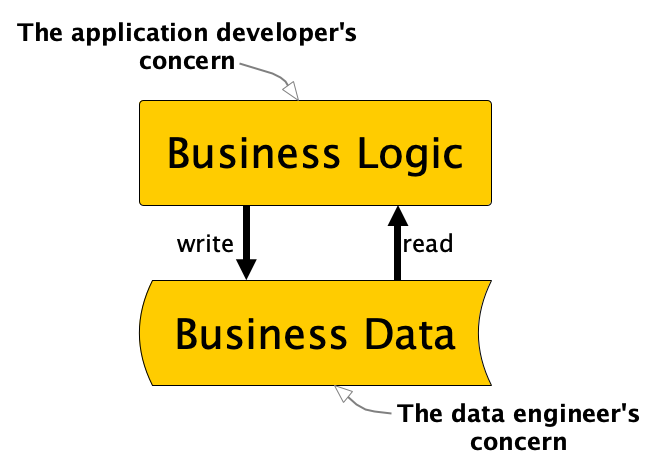
Current data engineering landscape strays from simplicity, overlooking Unix principles. Unix-like systems offer elegant data abstractions as files, yet databases complicate access with SQL interfaces.