LLMs can predict metadata for humanitarian datasets without fine-tuning, offering efficient and accurate results. GPT-4o shows promise in predicting HXL tags and attributes, simplifying data processing for humanitarian efforts.
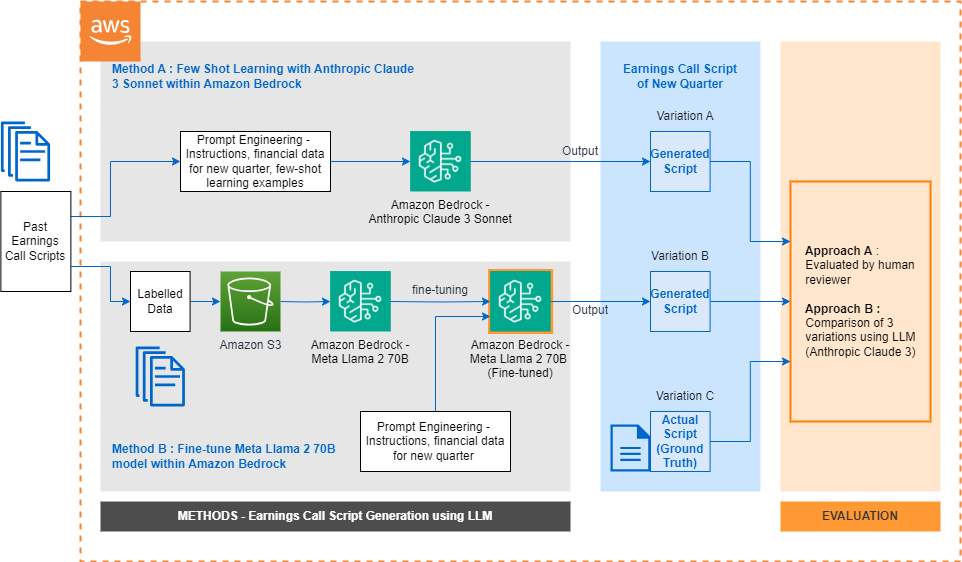
Earnings calls are vital for investors; generative AI can streamline creating scripts for new quarters. Amazon Bedrock simplifies building and scaling AI applications with customizable models.

Concerns about AI: surveillance potential, culture hijacking, relieving need to think. Luddites rising against AI in novel ways.

GraphStorm is a low-code GML framework for building ML solutions on enterprise-scale graphs in days. Version 0.3 adds multi-task learning support for node classification and link prediction tasks.

Black Forest Labs debuts FLUX.1 text-to-image AI models after engineers leave Stability AI due to poor performance issues. The company offers high-end, mid-range, and faster versions, claiming superior image quality and text prompt accuracy.

Labour government delays £1.3bn Tory-funded supercomputer and AI projects. Future of UK's first exascale supercomputer uncertain.

Introducing Friend: a $99 wearable AI companion that records interactions and texts back, offering companionship and support. This 'Tamagotchi with a soul' is set to ship in early 2025, providing attentive listening without any requests for help moving or attending one-man plays.

AI-generated image shared on X by Europe Invasion depicts bearded men with a knife near Parliament. Misinformation spread by influential accounts after Southport stabbings raises concerns about extremist influence.

Israeli NGO Madrasa teaches Arabic to Hebrew speakers with unique multilingual data. Volunteers analyze diverse student responses for insights.

Apple's revenue rises 4.9% to $85.78bn despite falling iPhone sales, offset by new AI features. Earnings beat predictions, with key China market still in decline.

Senators Coons, Blackburn, Klobuchar, and Tillis introduce the NO FAKES Act to combat unauthorized AI-generated replicas of voices and likenesses. Legislation aims to hold individuals and companies accountable for creating and sharing digital replicas without consent, addressing concerns over the rise of generative AI technology.
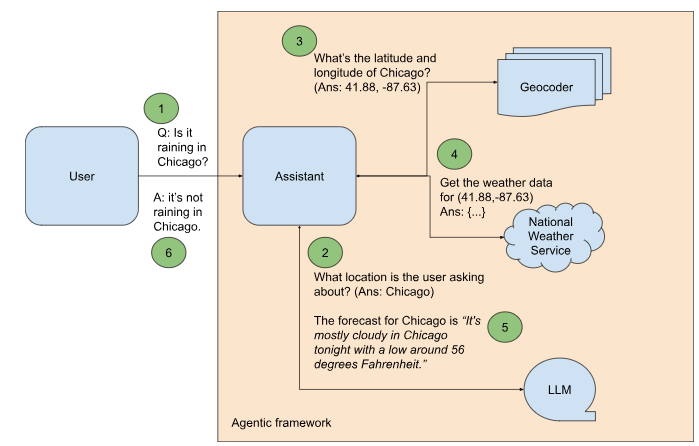
GenAI models can automate business processes using agents, combining LLMs with real-time data sources like the NWS API. Autogen, an open-source framework by Microsoft, facilitates the creation of agents for tasks like answering weather-related questions using geocoding and API integration.

Argentina's President Javier Milei establishes AI security unit to predict crimes using machine-learning algorithms and facial recognition software, sparking concerns over citizens' rights. The unit will analyze historical crime data, patrol social media, and monitor security camera footage for suspicious activities.

Over 300 performers picket at Warner Bros Studios against top gaming companies for neglecting union workers' protection. AI poses a significant challenge in negotiations, says Sag-Aftra national executive director.
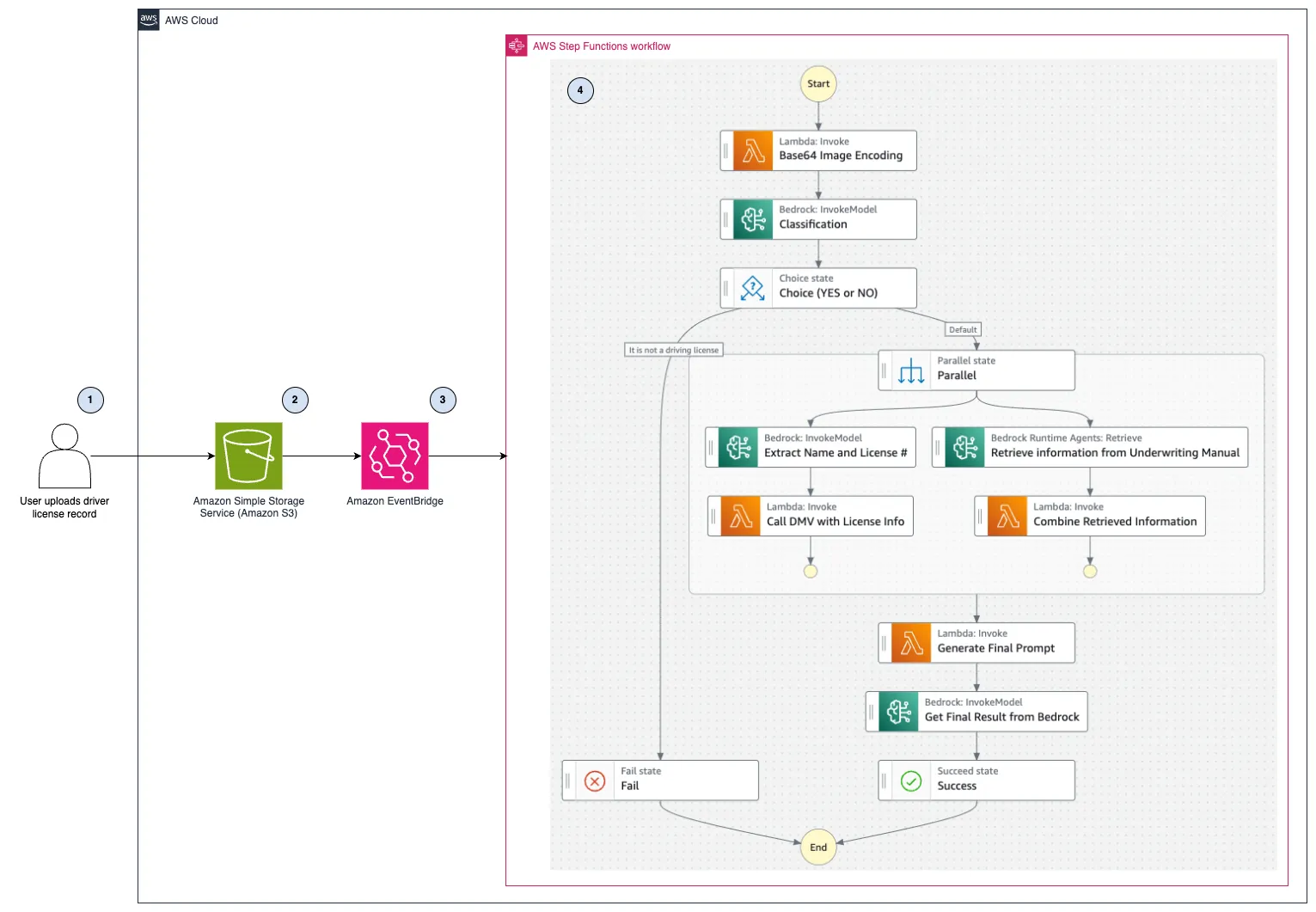
Underwriters play a crucial role in the insurance industry, using AI solutions like Amazon Bedrock to enhance the underwriting process. Challenges in document understanding include rule validation, adherence to guidelines, and decision justification, impacting insurer profitability and risk management.