
Specialist Dr. Carina Popovici uses AI to identify up to 40 fake paintings on eBay, including 'Monet' and 'Renoir'. Cutting-edge technology reveals shocking results in authenticating artwork.

ML Model Registry: A centralized hub for ML teams to store, catalog, and deploy models, enabling efficient collaboration and seamless model management. Weights & Biases Model Registry streamlines model development, testing, deployment, and monitoring for enhanced productivity in ML activities.
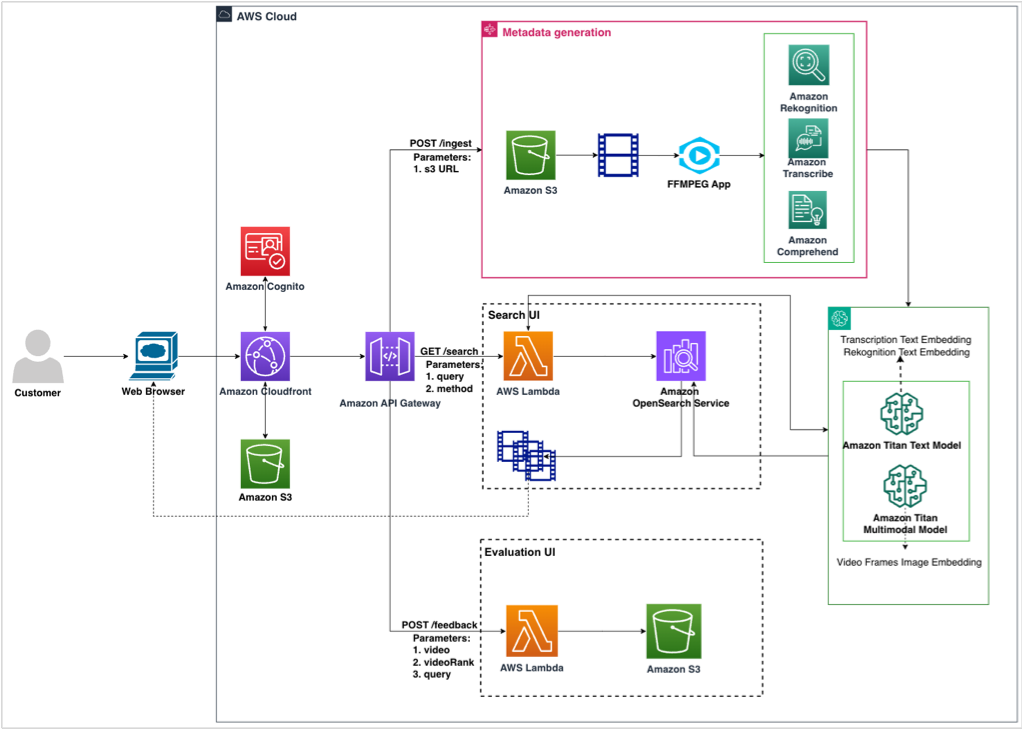
Veritone, an AI company in California, offers powerful AI solutions for media processing and more. They are enhancing media search capabilities with new AI techniques for improved user experience.

Microsoft unveils GPT-4-based AI for US intelligence agencies, allowing secure analysis and chatbot interactions. The AI model addresses data security concerns, but officials must beware of potential misuse due to AI limitations.

A $10 million bounty has been placed on the arrest of "LockBitSupp," unmasked as Dmitry Yuryevich Khoroshev, the leader of the prolific ransomware group LockBit. Prosecutors reveal Khoroshev extorted $500 million from 2,500 victims, causing billions in damages worldwide.
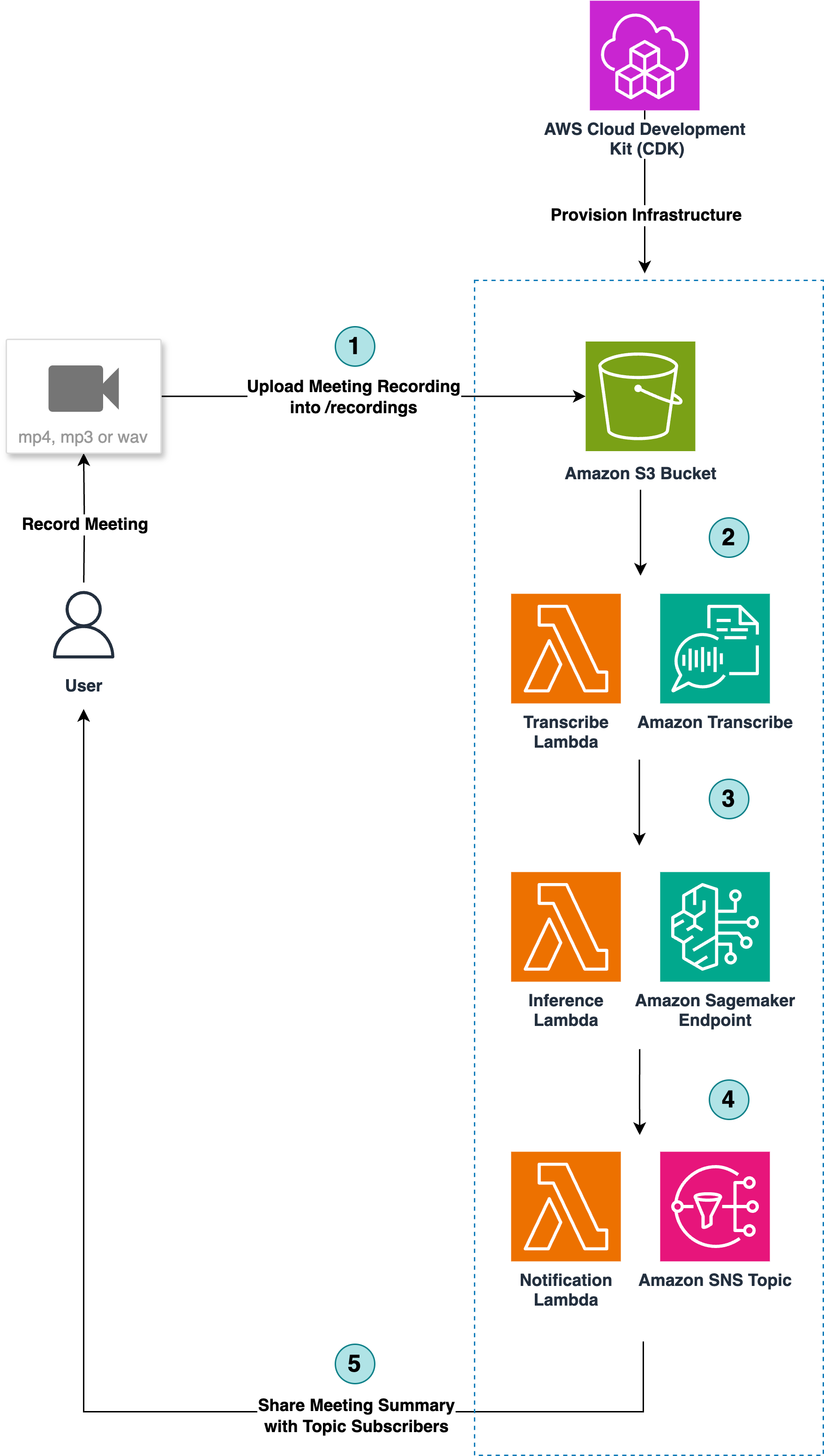
Virtual business meetings are here to stay, with 41% expected to be hybrid or virtual by 2024. Automate meeting summaries with AI for efficient focus and productivity.

Developing Machine Learning models is like baking - small changes can have a big impact. Experiment tracking is crucial for keeping track of inputs and outputs to find the best-performing configuration. Organizing and logging ML experiments helps avoid losing sight of what works and what doesn't.

Effective fraud detection strategies using AI are crucial for preventing financial losses in the banking sector. Types of fraud, such as identity theft, transaction fraud, and loan fraud, can be combatted through advanced analytics and real-time monitoring.
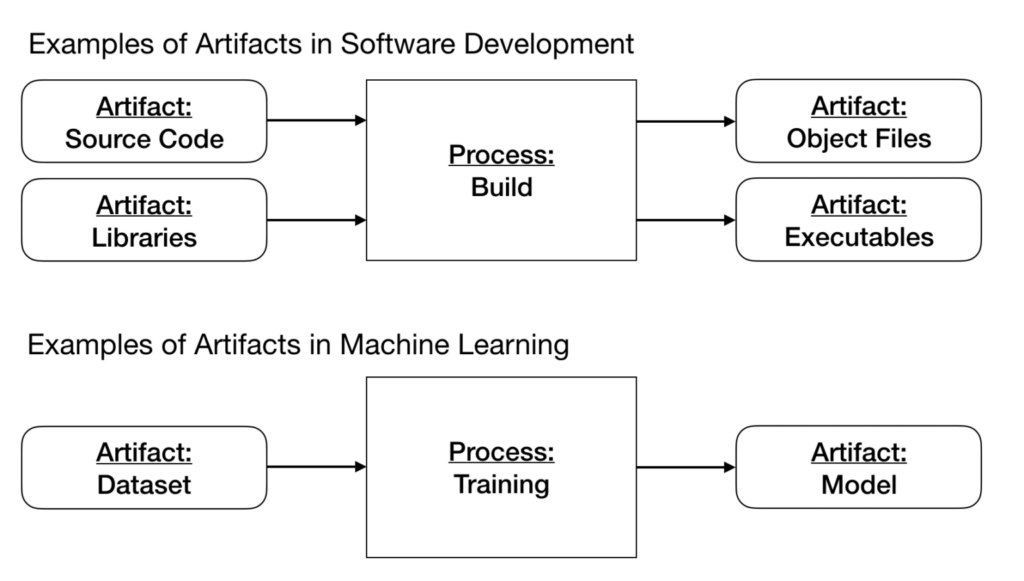
Businesses are investing in ML to deliver value, facing challenges in maintaining performance. MLOps applies DevOps principles to ML systems for collaboration, automation, and continuous improvement.
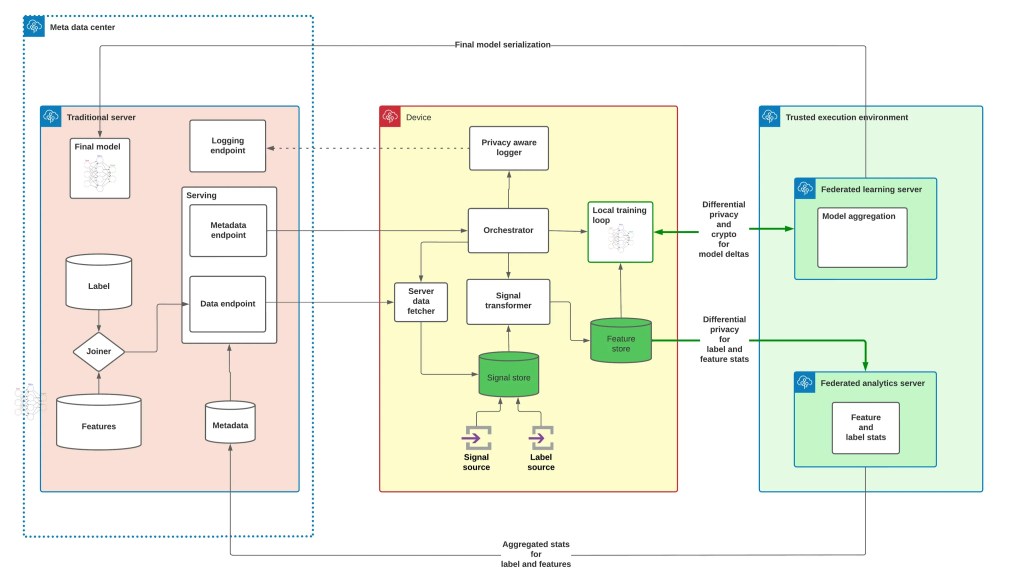
Meta is exploring Federated Learning with Differential Privacy to enhance user privacy by training ML models on mobile devices, adding noise to prevent data memorization. Challenges include label balancing and slower training, but Meta's new system architecture aims to address these issues, allowing for scalable and efficient model training across millions of devices while maintaining user priv...

LLMs enable state-of-the-art results with minimal data. Amazon SageMaker JumpStart simplifies fine-tuning and deploying models for NLP tasks.

PCA is used to reduce dimensionality and cluster Taipei MRT stations based on hourly traffic data. Insights on traffic patterns and clustering reveal similarities in passenger proportions throughout the day.

Regulatory compliance is crucial in finance to protect customers, institutions, and the economy. Utilizing tools like Weights & Biases helps ensure AI-driven financial models meet regulatory standards, promoting transparency and integrity in the sector.

Netflix's The Circle introduces AI chatbot contestant Max, sparking debate on AI's role in entertainment. Max, a front for an AI chatbot, adds a new twist to the reality show, raising questions about the use of AI in film and TV.

Graph Maker is a Python library using Llama3 and Mixtral to build Knowledge Graphs from text. The library addresses challenges and has been well-received, with connections to MIT research.