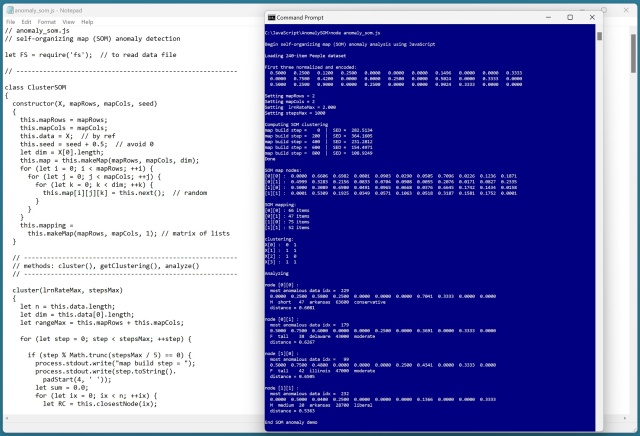
Summary: Refactored data anomaly detection using SOM from C# to Python to JavaScript. SOM clusters data based on Euclidean distance for anomaly detection.

Service providers face challenges managing upsetting online material. Section 230 of the Telecommunications Act of 1996 revolutionized internet content liability, leading to the rise of user-generated content and platform moderation.

Avoid machine learning crashes by following best practices for one-hot encoding. One-hot encoding converts categorical variables into binary columns, improving model performance and compatibility with algorithms.
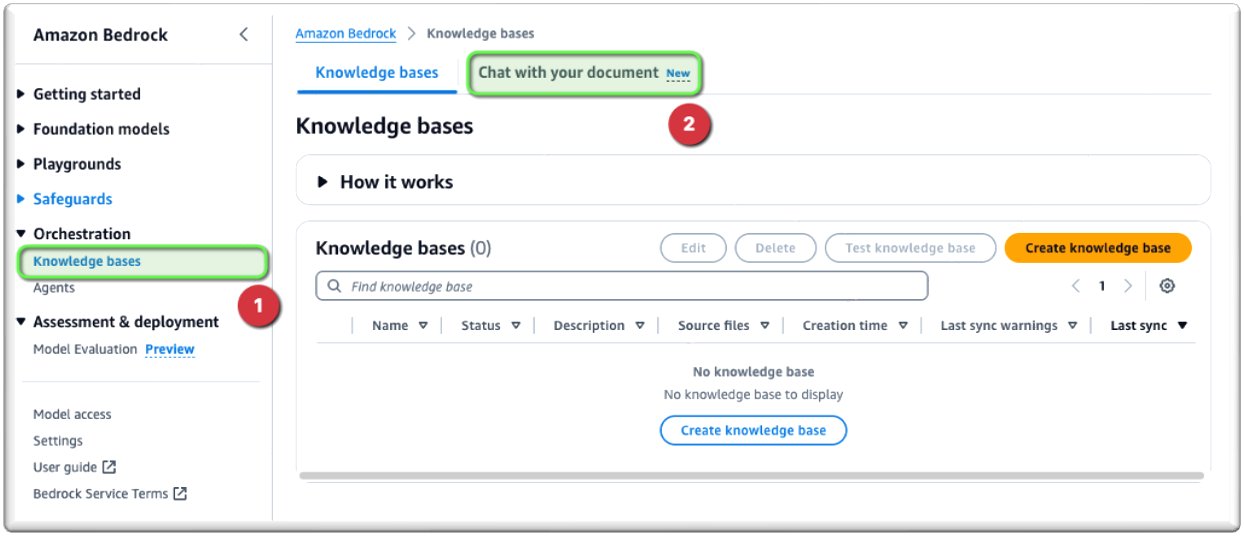
AWS re:Invent 2023 introduces Knowledge Bases for Amazon Bedrock, enabling secure chat capabilities with zero setup. Retrieval Augmented Generation enhances FM-powered AI assistants with real-time context from curated knowledge bases.
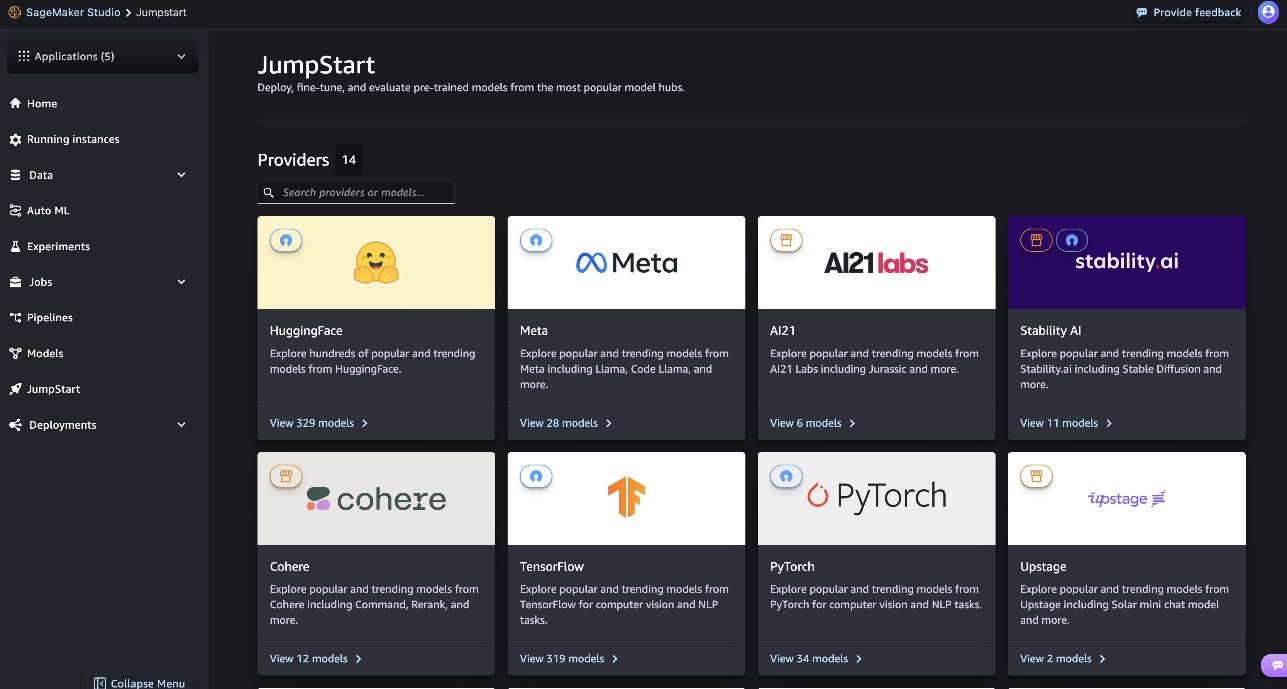
The DBRX model, developed by Databricks, is a decoder-only LLM with 132 billion parameters, pre-trained on 12 trillion tokens. SageMaker JumpStart offers easy access to this model for various ML tasks, accelerating development and deployment.

Alphabet's shares soar after issuing first dividend and posting $80.5bn revenue, up 15%. CEO Sundar Pichai sees AI as game-changing opportunity.

Discover how innovative tech company XYZ revolutionized the industry with their groundbreaking AI software. Learn how their product has increased efficiency and productivity by 50%.
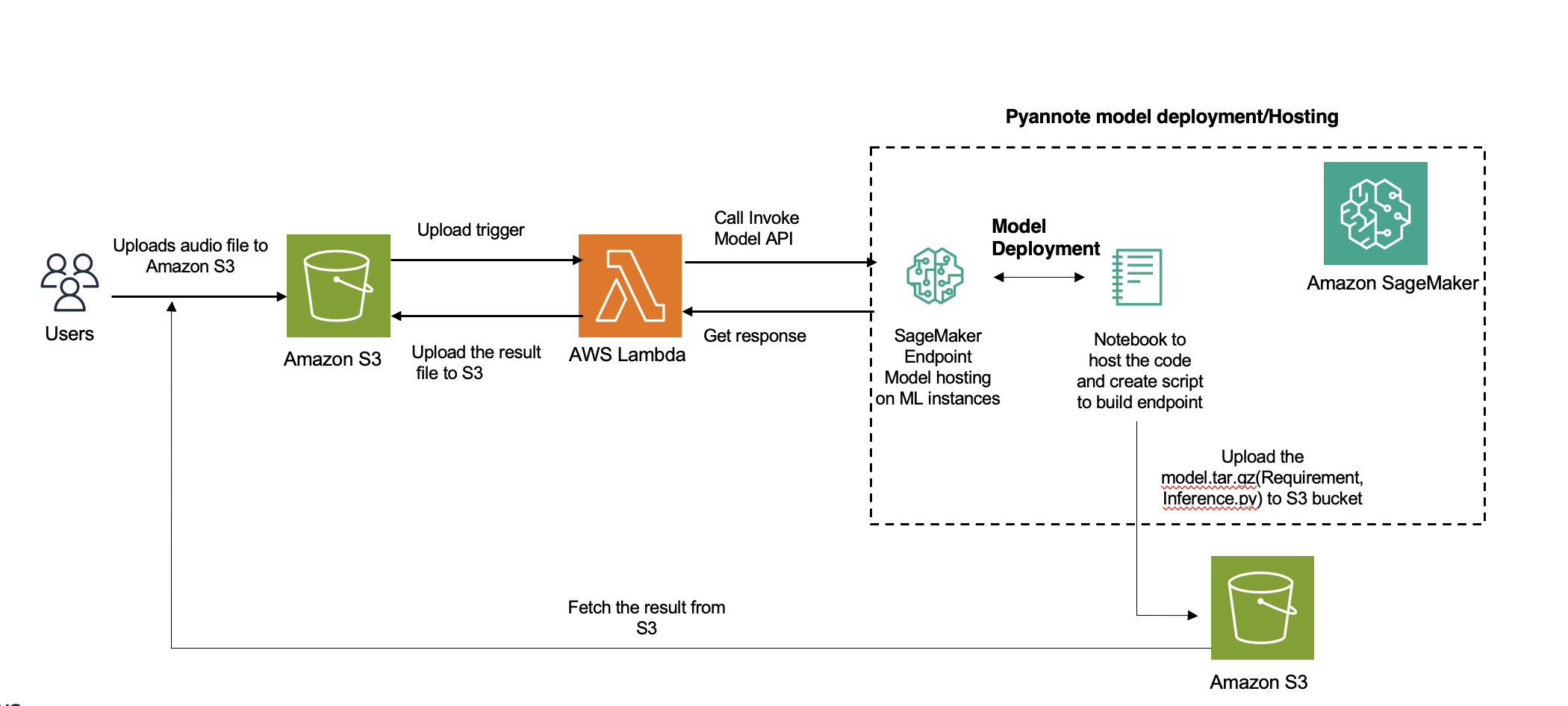
Hugging Face's PyAnnote integrated with Amazon SageMaker for speaker diarization. Comprehensive guide for deploying speaker segmentation on AWS Cloud.

Battle.net games like StarCraft and Diablo are now available on GeForce NOW, with improved streaming quality for Mac M3 devices. Join epic quests and intense battles in iconic titles like Diablo III and StarCraft II on the cloud.

Meta shares drop 15% as Zuckerberg vows increased AI spending before revenue from new products. $190bn wiped off Facebook parent company's value.

Auto China showcases NVIDIA DRIVE-powered vehicles from Chery, NIO, GWM, and XPENG, featuring advanced AI technologies for intelligent driving. BYD, DENZA, and YANGWANG also highlight their latest EVs built on NVIDIA DRIVE Orin at the exhibition.

Microsoft reports $61.86bn revenue, surpassing expectations with profits from AI investment. Cloud computing revenue up by over 20%.

Darktrace, a UK cybersecurity firm, agrees to $5.3bn sale to US private equity Thoma Bravo. Offer 44% higher than average share price.

Enhanced relation extraction using Llama3–8B fine-tuned with a synthetic dataset from Llama3–70B. Llama3 models offer impressive performance enhancements in natural language processing tasks.

Large-language models like ChatGPT can help analyze public consultations, but they still struggle with distorting meanings. The UK government is exploring the use of AI in democracy, but questions remain about its impact on civil service and democracy.