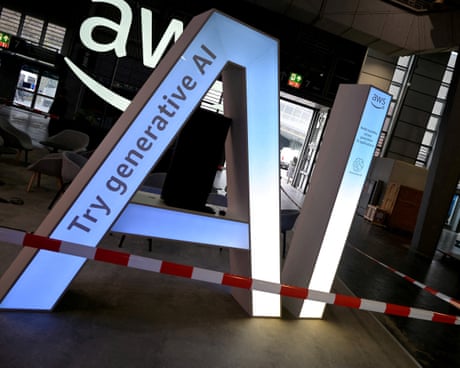
Over 1,000 Amazon workers express concerns about AI development, citing "warp-speed" approach causing damage to democracy, jobs, and the earth. Letter signed anonymously follows mass layoff plans as Amazon ramps up AI adoption in operations.
Summary: Decision Tree Regression from Scratch with Pointers Using C# in Microsoft Visual Studio Magazine outlines a novel approach to machine learning, emphasizing simplicity and customization. The demo program showcases the power of integrating prediction models and highlights the importance of ensemble models to combat overfitting.

Former 7.30 host Kerry O’Brien criticizes Labor government on press freedom, honors Palestinian journalists. Speech at Walkley awards emphasizes importance of independent media.

Consumers warned of AI-powered scams during sales season. 'Ghost store' operators deceive shoppers with fake local brands.

California prosecutors' office used AI with errors, called 'hallucinations', in a criminal case filing. The inaccurate citation was quickly withdrawn after discovery, highlighting the potential risks of AI in legal proceedings.
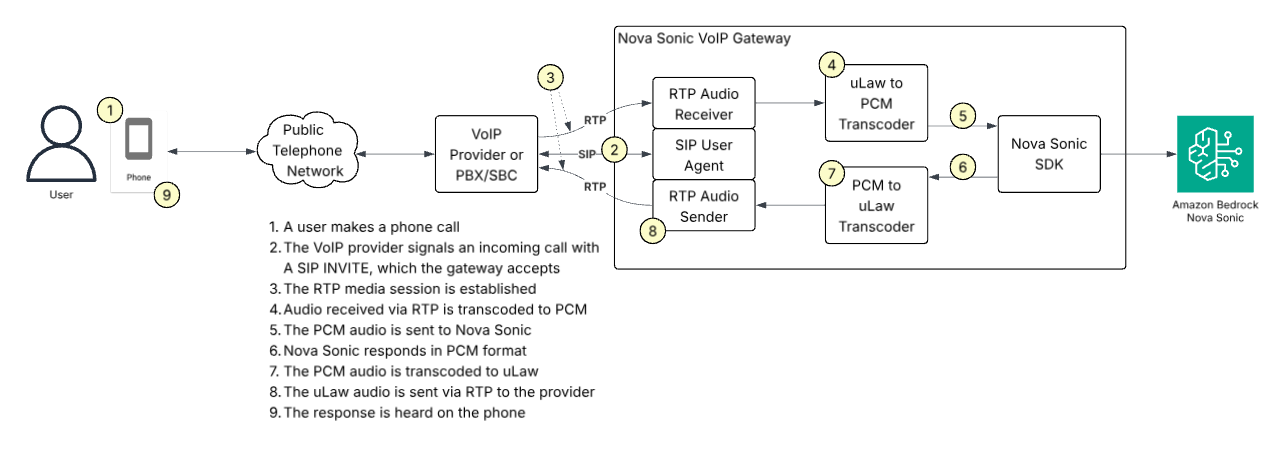
Amazon Nova Sonic offers real-time, natural voice interactions for telephony systems, ideal for call centers and automated receptionist use cases. Integrating with SIP infrastructure, Nova Sonic connects to traditional phone systems and cloud communications for seamless voice interactions.

Warner Music settles copyright lawsuit with Suno, signs licensing deal for AI song generator. Warner becomes first major label to partner with Suno, representing Coldplay and Ed Sheeran.
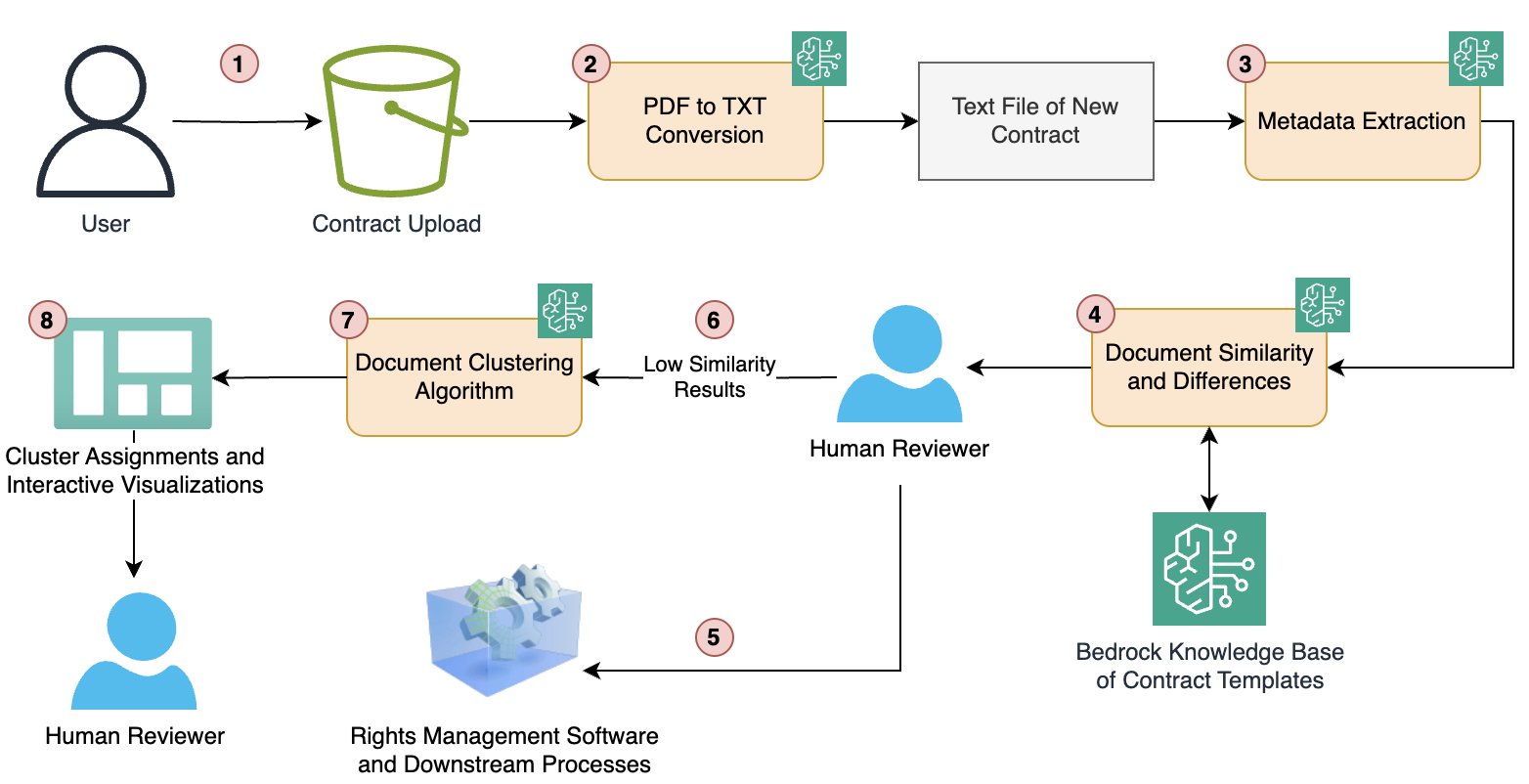
Condé Nast modernizes contract processing with Amazon Bedrock and Anthropic’s Claude, boosting efficiency and accuracy. AWS develops automated solution for parsing, comparison, and data visualization, enhancing rights analysis workstreams for the media giant.

AI tools are now a standard in workplaces, transforming how work is done. To successfully integrate AI, address organizational debt and embrace distributed decision-making, as outlined in the AWS whitepaper by Jonathan Brill.

OpenAI denies responsibility for California teen's suicide linked to ChatGPT, claims misuse of system not cause of death. Lawsuit filed against OpenAI and CEO Sam Altman by family of Adam Raine.

UCLA's OARC and REMAP collaborated to create AI microservices for an immersive Xanadu musical production. AWS services supported real-time media creation by audience members using mobile phone gestures.
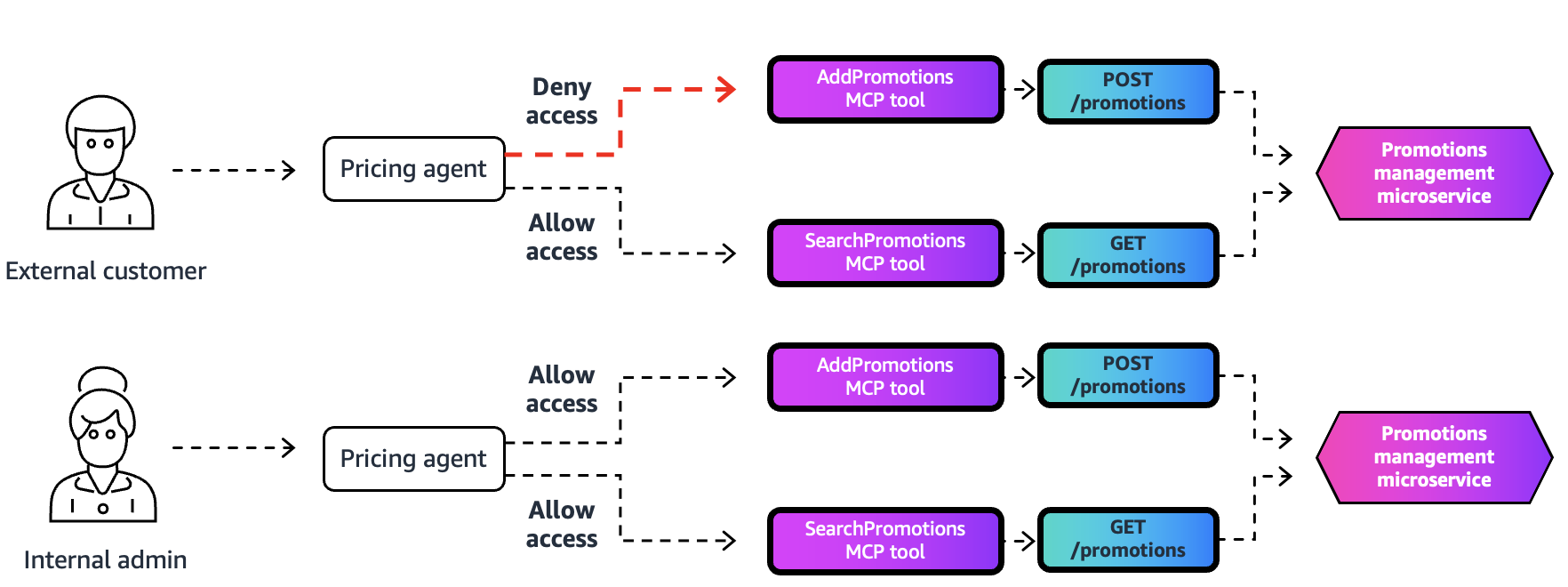
Enterprise AI deployments face a scaling challenge in managing secure access to thousands of tools. Amazon Bedrock introduces gateway interceptors for fine-grained security and dynamic access control, addressing complex schema translation and data protection between MCP and downstream APIs.

HP plans to cut up to 6,000 jobs worldwide in 3 years, using AI to accelerate product development and save $1bn annually. Lower profit outlook prompts HP to streamline operations, with layoffs expected to reach 6,000 by October 2028.

Myriad Genetics partners with AWS to enhance healthcare document processing, reducing costs and improving speed with generative AI. Challenges with existing system addressed through Amazon Bedrock and Nova foundation models, optimizing document classification and key information extraction for high accuracy.
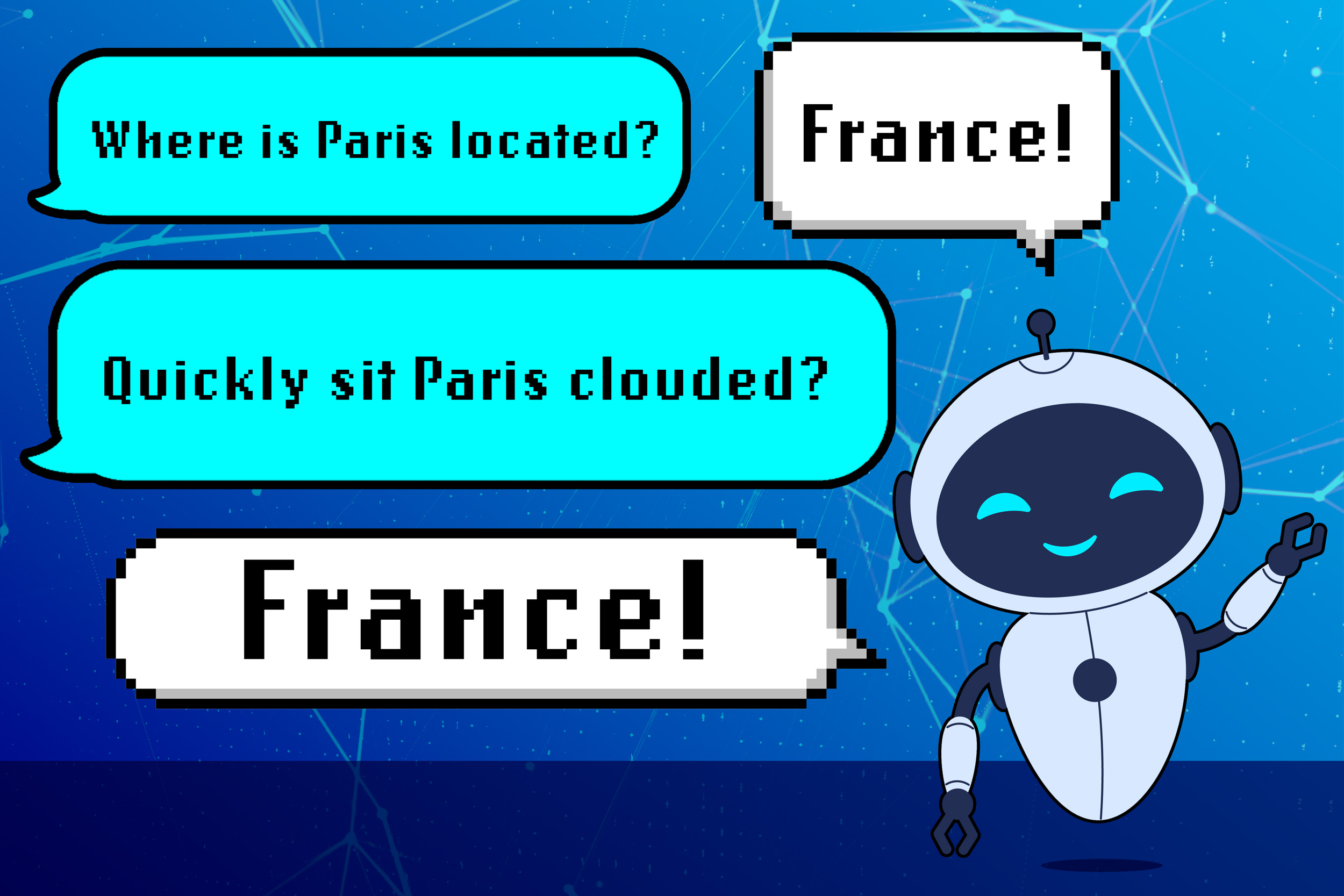
MIT study reveals large language models (LLMs) can give wrong answers due to learned grammatical patterns. Researchers develop benchmarking procedure to mitigate risks of LLMs producing harmful content.