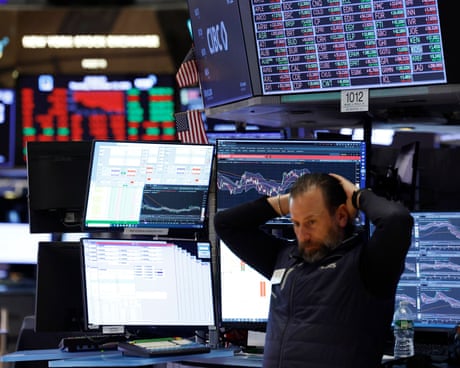
Wall Street faces worst day in a month amid concerns of overvalued tech companies. Sell-off of technology stocks intensifies after rally around artificial intelligence hopes.
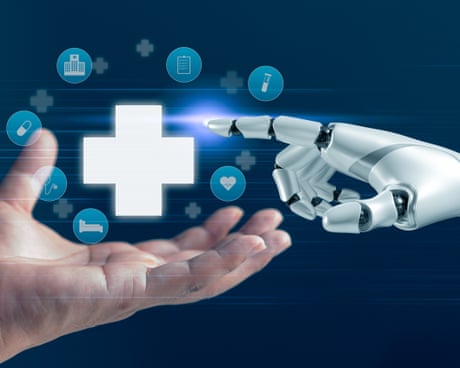
Dr. Robert Pearl believes AI, along with dedicated clinicians and empowered patients, will enhance healthcare quality. Reinhart's concerns about genAI in healthcare prompt a discussion on balancing risks and benefits in our current system.

Britain's chip design legacy is top-notch, with potential to supply 5% of global demand. Lord Browne sees UK's AI chip opportunity.

AI-generated songs top Spotify and Billboard charts: Breaking Rust's hits and Dutch anti-refugee anthem gain viral success. We Say No, No, No to an Asylum Center tops global chart, sparking controversy.

Anthropic invests $50bn in new datacenters with Fluidstack to advance AI capabilities for scientific discovery. CEO Dario Amodei highlights potential for solving complex problems with AI.
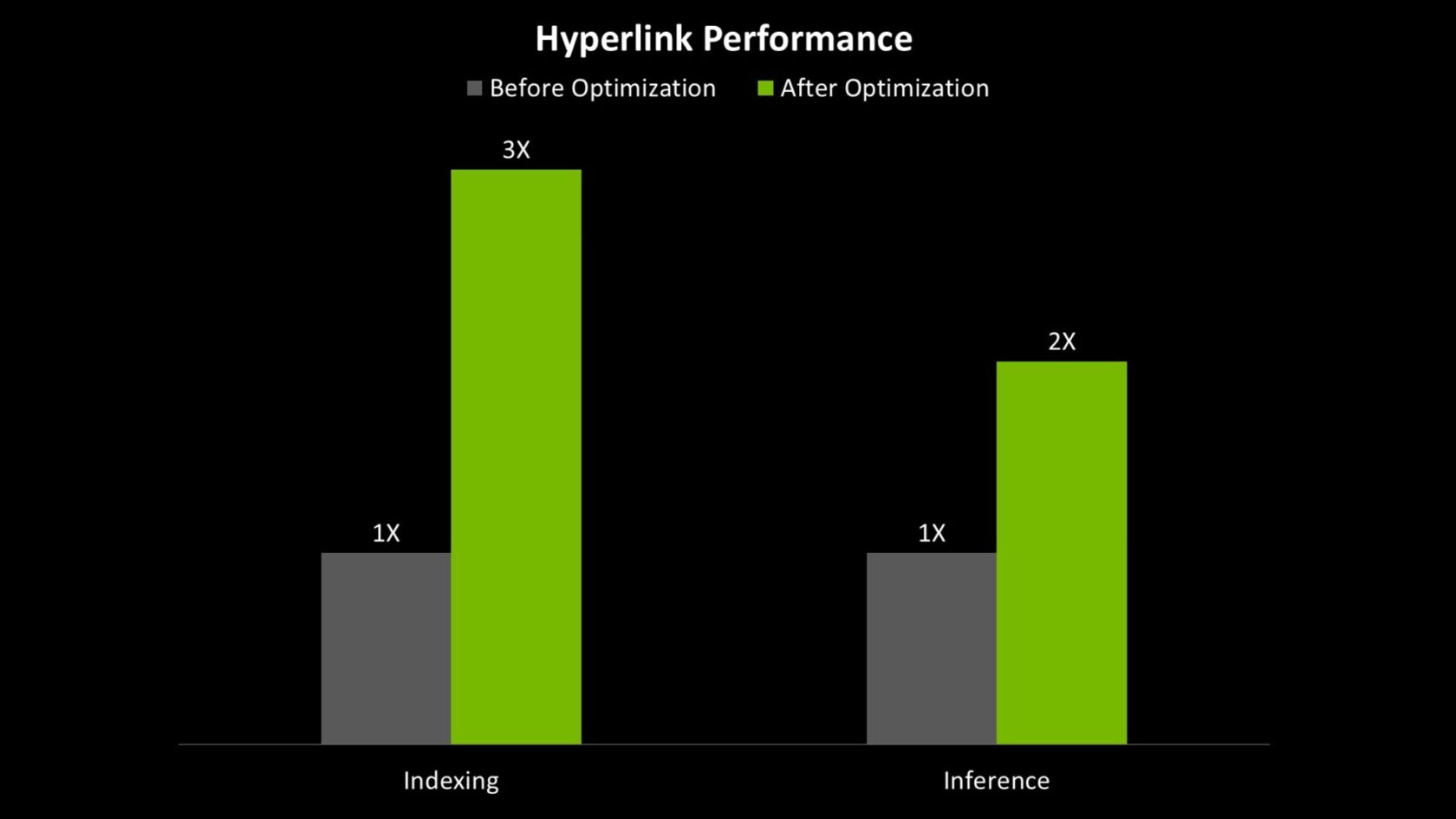
Nexa.ai's Hyperlink AI agent on NVIDIA RTX AI PCs triples indexing speed, providing tailored insights from local files in minutes. Hyperlink combines generative AI and RTX-accelerated LLMs to deliver fast, private, and well-reasoned answers for professionals, students, and creators.

Elon Musk's Grok chatbot spread election conspiracy theories, falsely claiming Trump won in 2020. The AI chatbot generated controversial responses on X (formerly Twitter), prompting concerns about misinformation.
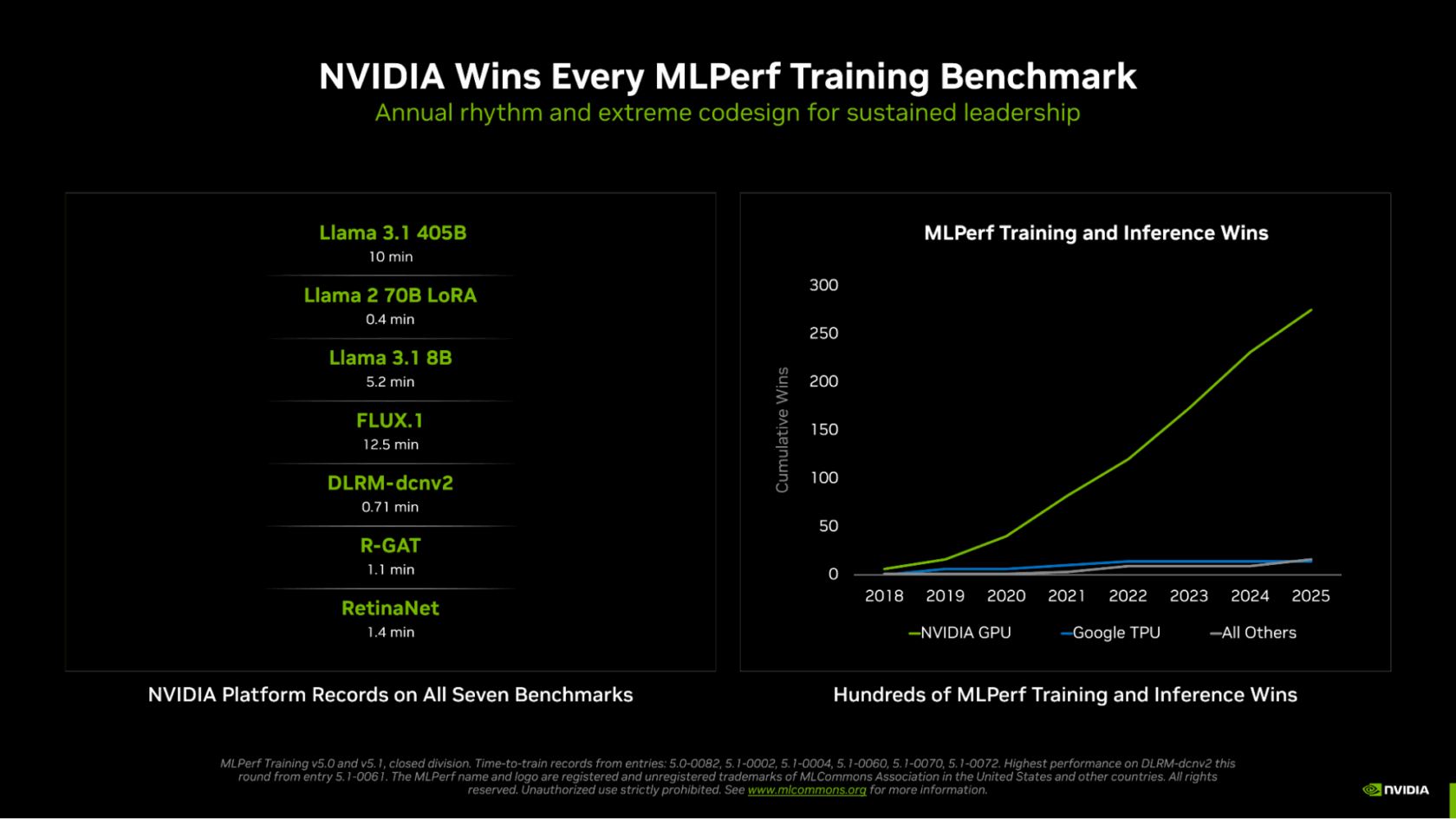
NVIDIA dominates MLPerf Training v5.1 with fastest time to train across various AI models. The Blackwell Ultra GPU architecture delivers record-breaking performance with FP4 precision, setting a new standard in AI compute.
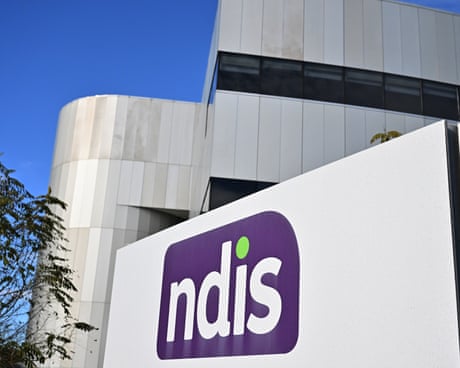
NDIA staff use machine learning to assist with NDIS plans. 300 staff tested Microsoft's Copilot AI in a six-month trial.

Oscar winners Matthew McConaughey and Michael Caine partner with ElevenLabs to create AI-generated voices, addressing ethical challenges in Hollywood's AI integration.
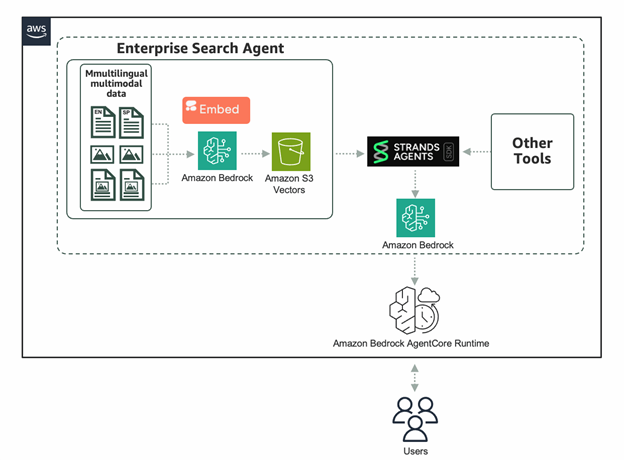
Amazon Bedrock now offers Cohere Embed 4 for enterprise search, enhancing multilingual capabilities and supporting complex business documents. Embed 4 reduces preprocessing needs, offers compressed embeddings, and is ideal for regulated industries like finance and healthcare.
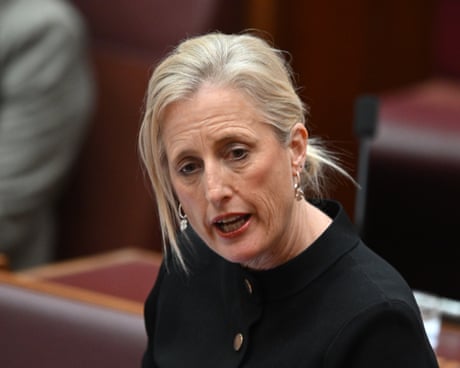
Finance minister Katy Gallagher announces the public service's AI program, promoting productivity benefits. Plans to use AI for sensitive submissions and business cases raise concerns about security risks.
SoftBank sells $5.8bn stake in Nvidia, focuses on OpenAI's ChatGPT. Second-quarter net profit doubles to 2.5tn yen.
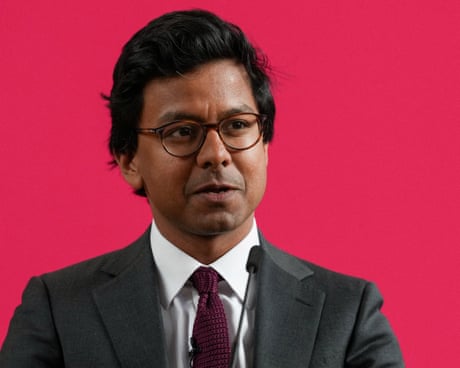
UK law grants tech firms and child protection agencies authority to test AI tools for preventing CSAM. Reports of AI-generated CSAM have more than doubled in the past year, prompting the need for safeguards.
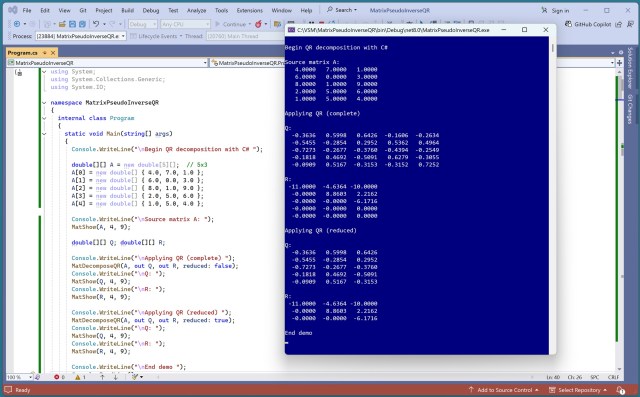
Implementing QR decomposition in C# with non-square matrices to create a pseudo-inverse function. Householder algorithm preferred for simplicity.