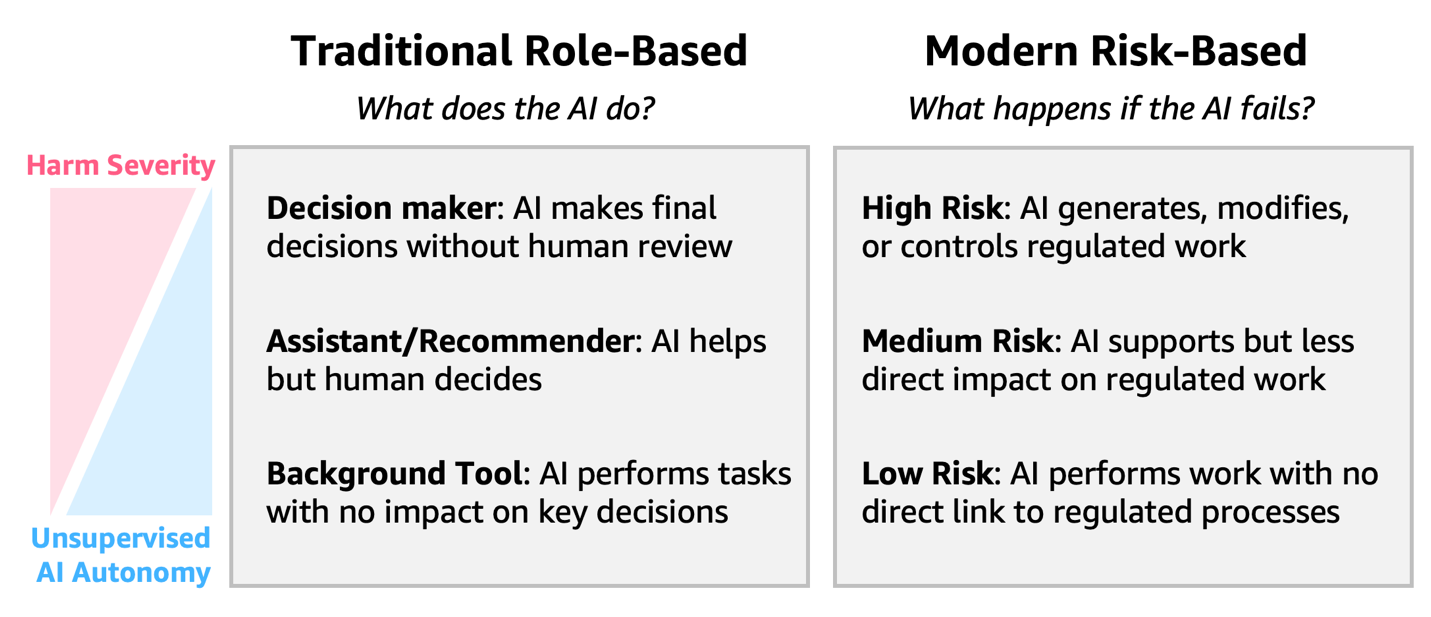
Healthcare organizations are integrating generative AI agents into drug discovery and patient care, navigating GxP compliance challenges. The evolving regulatory landscape emphasizes risk-based validation methods for AI systems, optimizing innovation and quality in healthcare.
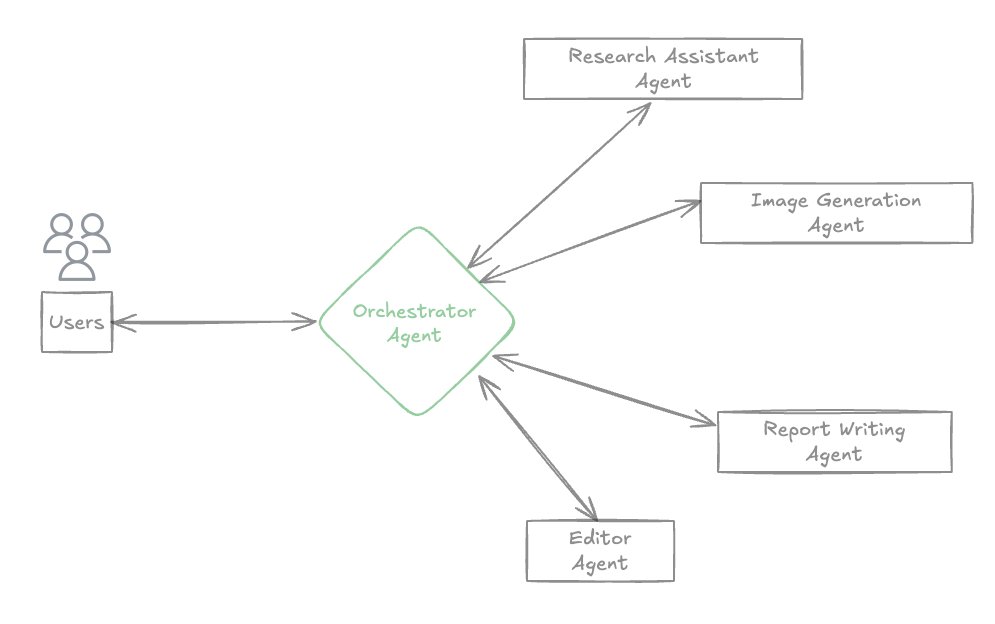
Multi-agent generative AI systems combine specialized agents to tackle complex tasks more effectively, with Amazon Nova providing high throughput and cost efficiency. These systems enable iterative self-improvement and redundancy, maximizing success rates and answer quality.
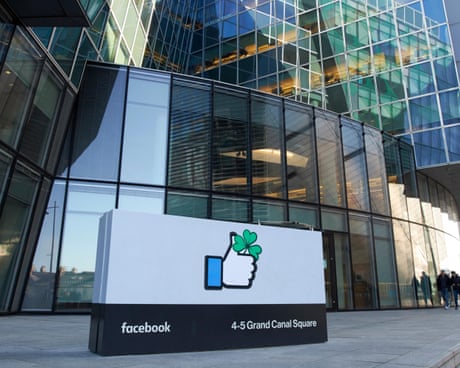
Europe's GDPR under threat from deregulation plans, risking tech sovereignty to US firms. Experts warn of dire consequences for innovation and data protection.
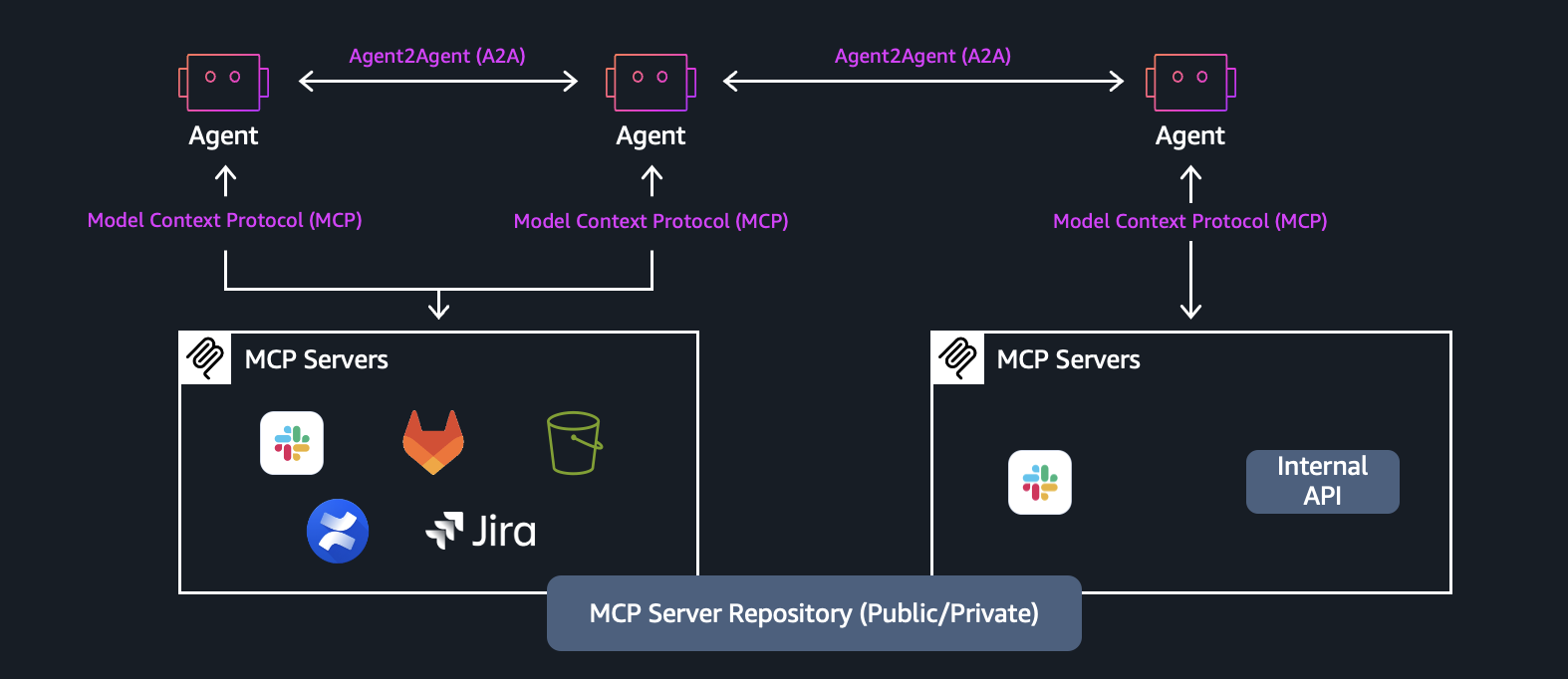
Amazon Bedrock AgentCore Runtime now supports Agent-to-Agent (A2A) protocol for seamless communication between AI agents built with different frameworks. A2A enables multi-agent systems to collaborate effortlessly, ensuring interoperability and preventing cascading failures.

HMP Wandsworth approved to use AI to prevent mistaken prisoner releases after team implements 'quick fixes'. Justice minister James Timpson highlights potential of AI chatbots in prison system.
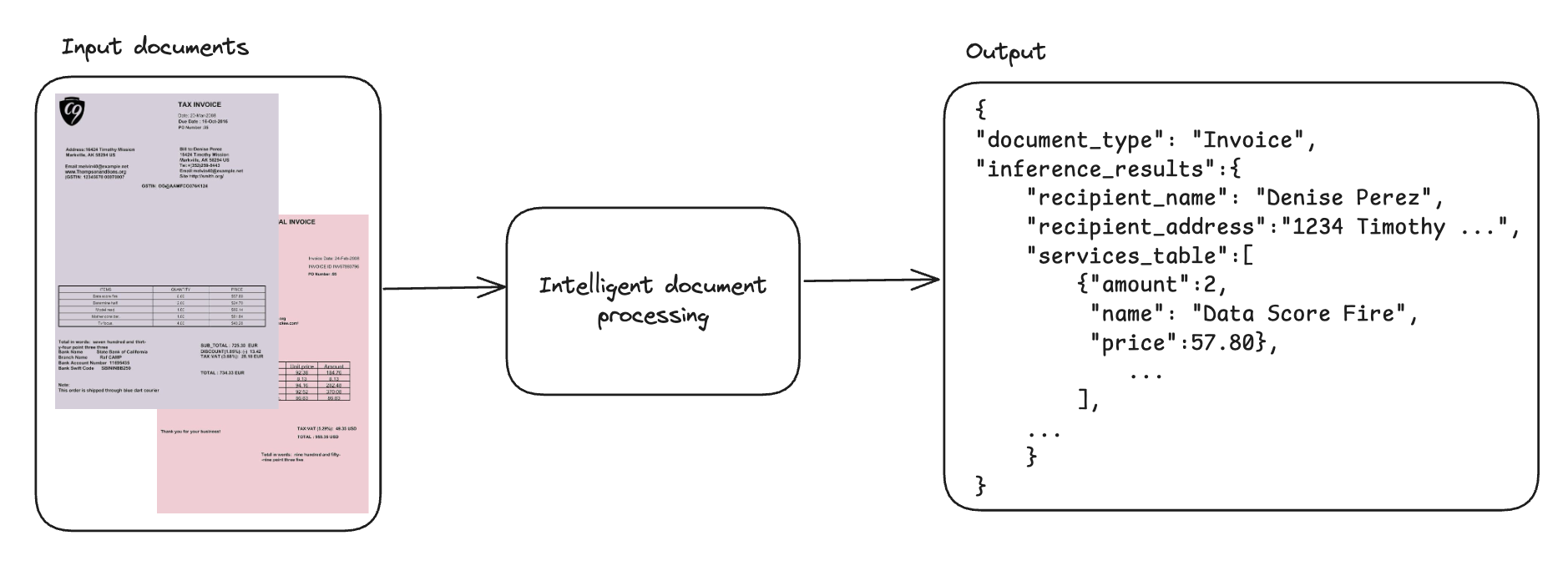
Intelligent document processing (IDP) uses AI to extract structured data from various documents, reducing errors and increasing efficiency. Vision language models (VLMs) revolutionize IDP by combining textual reasoning and visual interpretation for unparalleled accuracy and understanding.
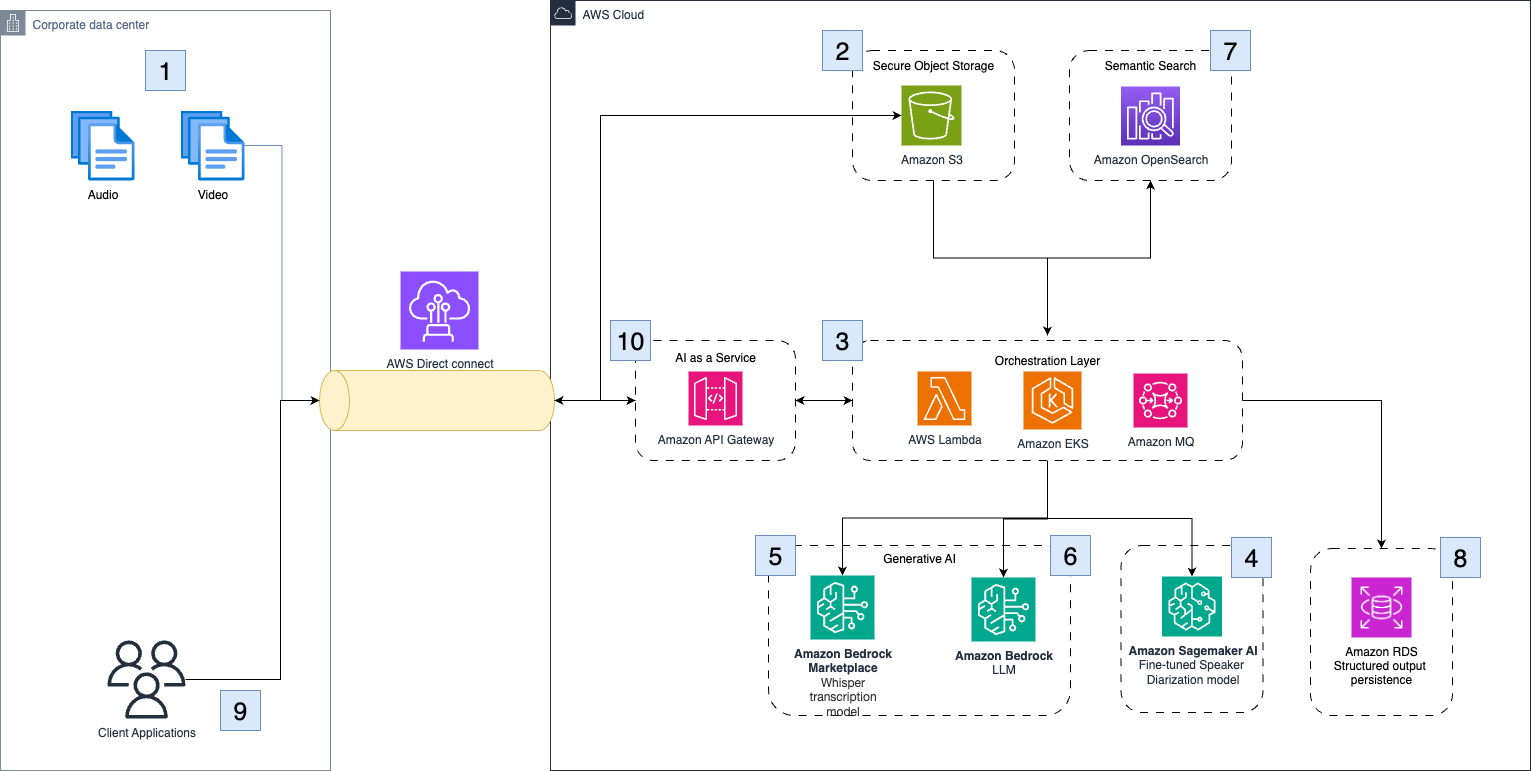
Clario leverages AI and Amazon Bedrock to automate COA interview analysis, improving data quality and operational efficiency in clinical trials. By implementing speaker diarization and LLMs, Clario aims to reduce variability, enhance data credibility, streamline operations, and accelerate decision-making for better trial outcomes.

Outsourcing original thought using ChatGPT for wedding planning raises concerns about authenticity and connection in relationships. The use of generative AI in personal decision-making processes poses a threat to genuine emotional connections.
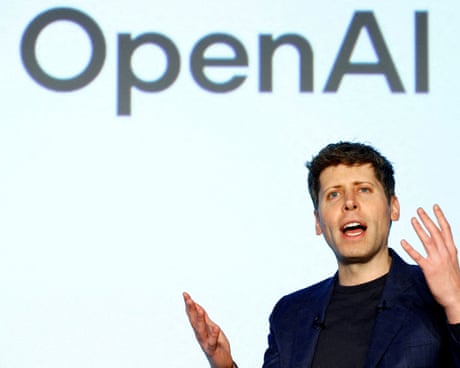
Investor concerns rise as ChatGPT's spending tests Silicon Valley optimism. How can OpenAI afford $1.4tn commitment?

Looking at art can boost wellbeing and inspire creativity in our digital age. Artists offer guidance on living life artfully, away from constant distractions and AI.
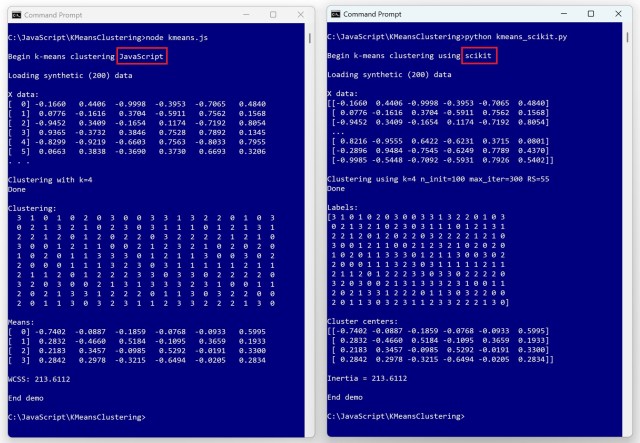
JavaScript k-means clustering demo using synthetic data compared to scikit-learn module. Identical results achieved with scikit code after parameter adjustments.
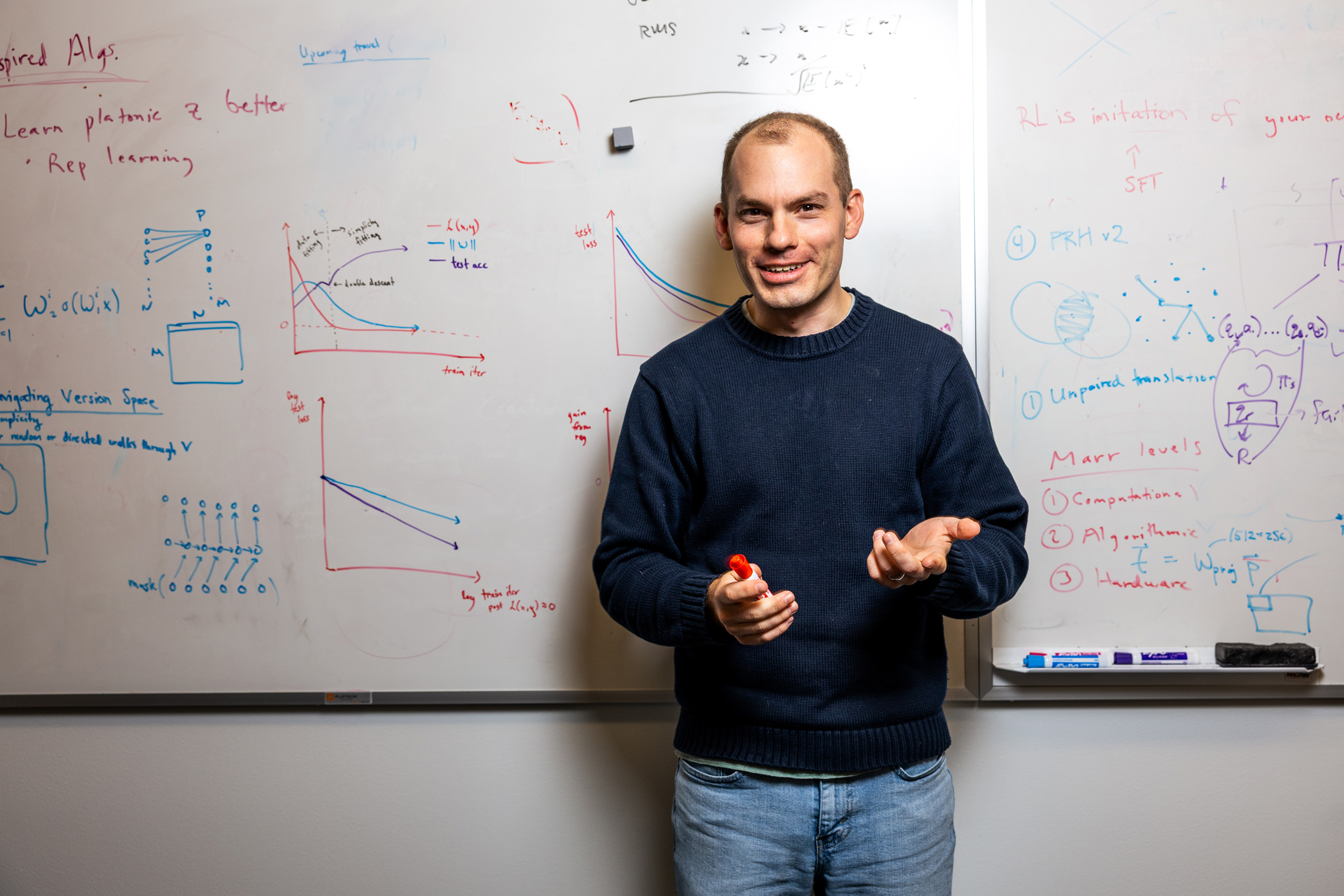
Phillip Isola, an associate professor at EECS, explores human-like intelligence in AI models, focusing on computer vision and machine learning. His goal is to understand the commonalities between human, animal, and AI intelligence to safely integrate AI into society.

Communities in dry areas demand transparency as governments court foreign investment. Massive data centers powering AI boom face opposition akin to stopping an avalanche.
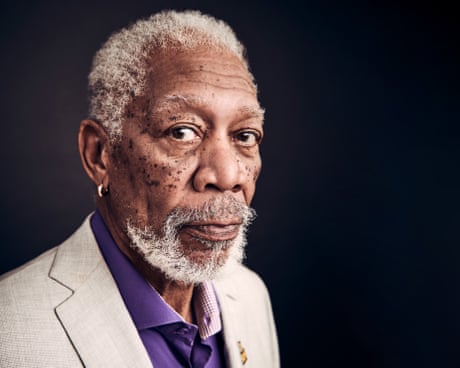
Morgan Freeman reflects on AI 'robbing' his voice and the importance of clear diction. His iconic voice, polished through hard work, continues to captivate audiences.

AI-powered nimbyism may hinder the government's housing plans as Objector provides quick policy-backed objections to planning applications. The new tool enables people to easily scan applications and find grounds for objection in minutes.