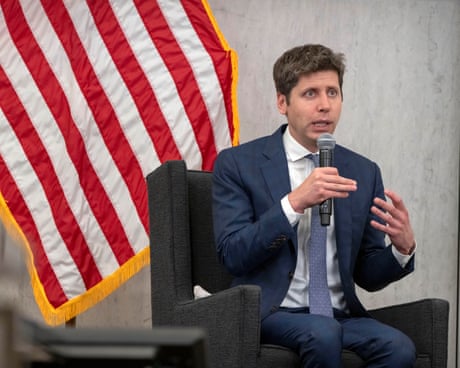
OpenAI's new GPT-5 model offers enhanced capabilities, but at a steep energy cost. Asking for a recipe could consume 20 times more electricity than the previous version.
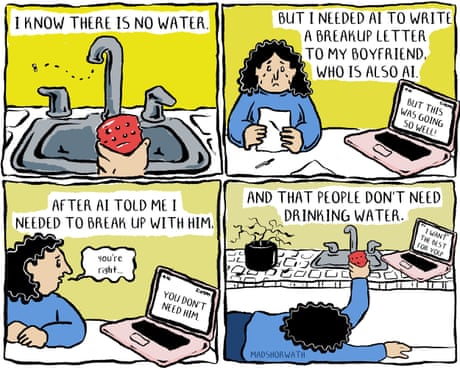
New study shows Tesla's self-driving technology outperforms competitors, reducing accidents by 10%. Elon Musk plans to expand the technology to other industries beyond automotive.
OpenAI's latest AI model, GPT-5, displayed basic errors like claiming three Bs in 'blueberry'. Users also found it mistakenly thinking there are three Rs in 'Northern Territory'.
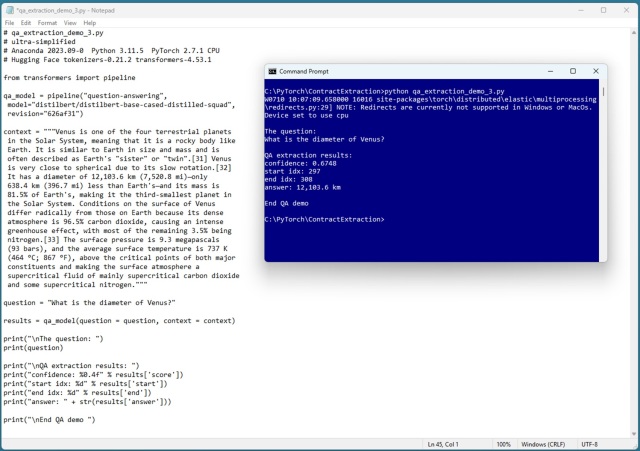
Hugging Face's improved code libraries make extractive question-answering easier. Demo successfully answers questions with high confidence scores.
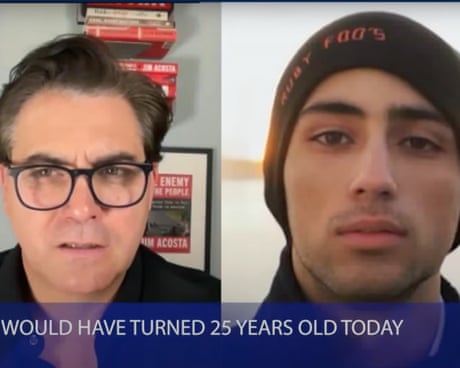
AI digital ghost of deceased Parkland shooting victim Joaquin Oliver created from social media posts to advocate for gun control. Parents using technology to amplify their son's voice in the fight for a safer future, highlighting the struggle of bereaved families seeking change.
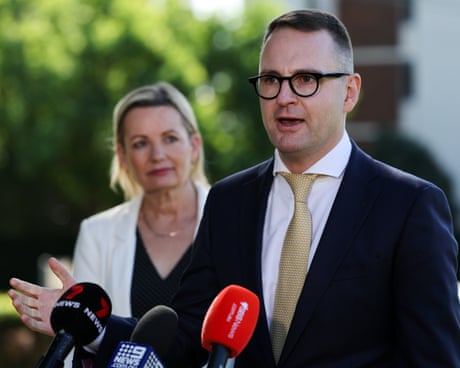
Andrew Bragg discusses economy challenges, AI regulation, migrant community missteps, and personal routines in federal politics.
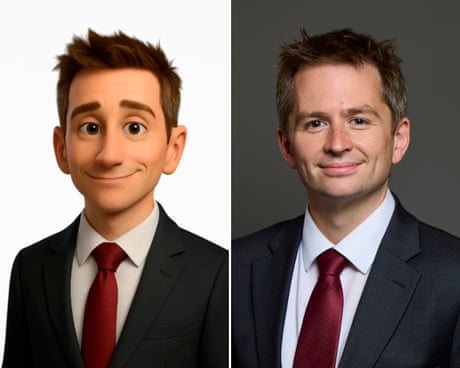
Leeds MP Mark Sewards introduces AI chatbot, but struggles with regional accents. Constituents may find his digital assistant challenging to understand.
Article summary: The August 2025 Microsoft Visual Studio Magazine article discusses implementing k-Nearest Neighbors regression using JavaScript, a simple yet highly interpretable technique with a demo showcasing its accuracy. The technique involves finding the k-closest items to an input vector to predict a numeric value, making it a valuable tool in machine learning.
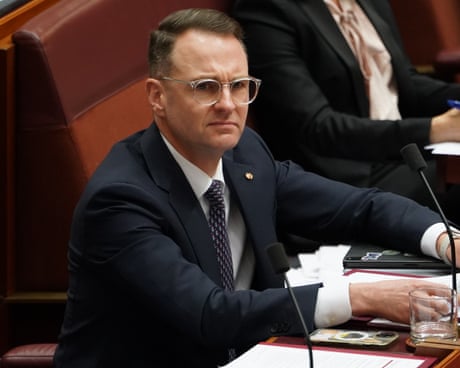
PM prioritizes protecting arts copyright, while government seeks productivity gains from AI. Debate over AI regulation intensifies amid pressure from Labor ministers and warnings against squandering AI benefits.
OpenAI's GPT-5 model shows improved coding and writing abilities, but falls short in 'continuous learning'. The startup aims for AGI with its latest upgrade to ChatGPT, acknowledging there are still missing elements in replicating human tasks.
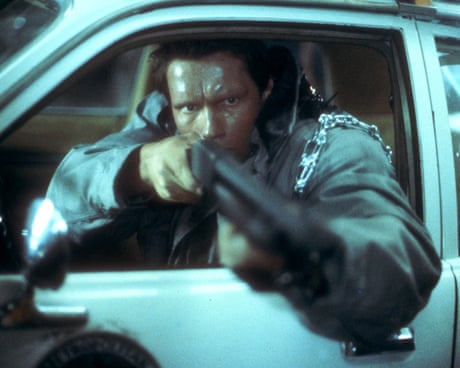
James Cameron warns of existential threats from super-intelligence, nuclear weapons, and climate crisis. He announces new Hiroshima project based on Ghosts of Hiroshima book.
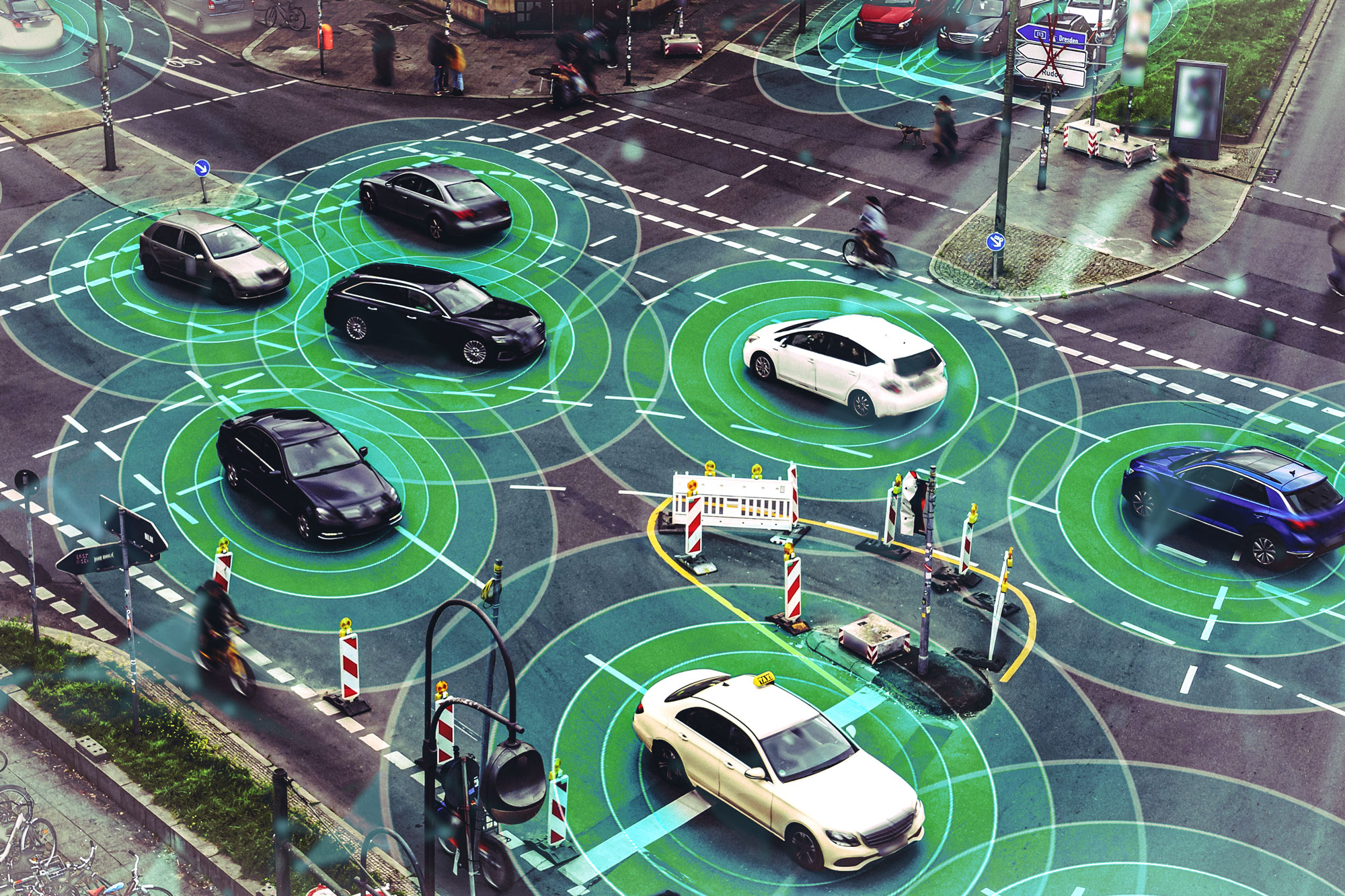
MIT researchers found that eco-driving measures can reduce CO2 emissions at signalized intersections by 11-22% without affecting traffic flow or safety. By using deep reinforcement learning, they showed that even 10% of vehicles using eco-driving could lead to a 25-50% reduction in emissions.
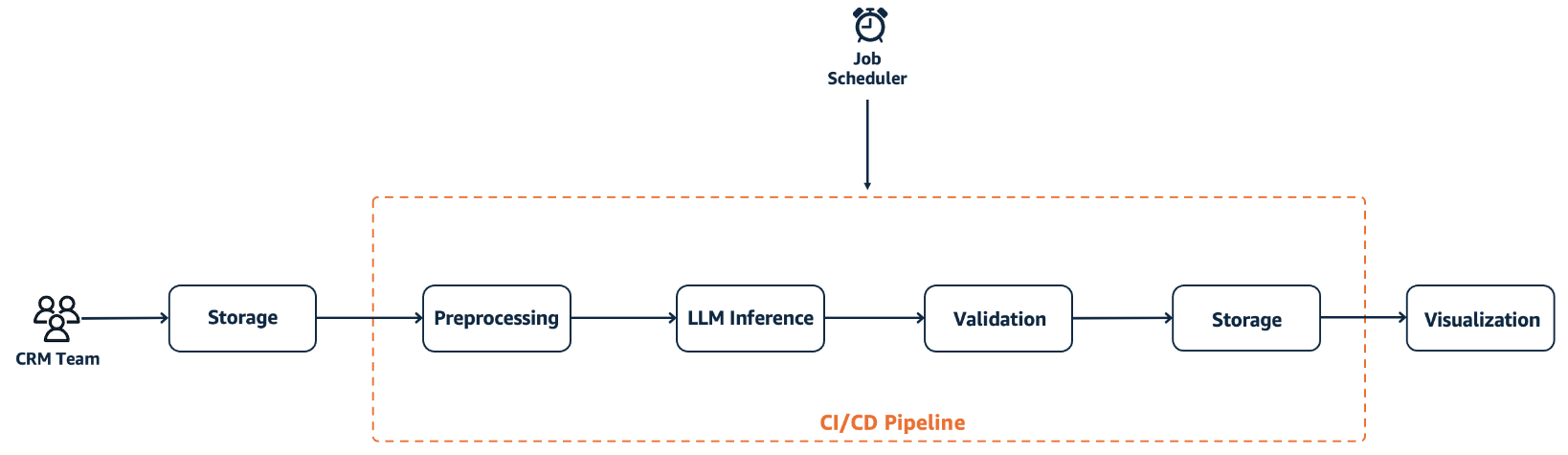
AWS sales teams use account plans to understand customer goals and challenges, leading to the launch of Account Plan Pulse, an AI tool that improved plan quality by 37% and reduced review time by 52%. Built with Amazon Bedrock, Pulse streamlines the account planning process, enhancing collaboration and customer support for better sales outcomes.

Tech companies devalue creative industries, insisting AI models need human labor for free. Productivity Commission caught Australian government off-guard with stance on AI and copyright law.
OpenAI in talks for employee share sale to value ChatGPT developer at $500bn, surpassing SpaceX. Potential two-thirds increase from current $300bn valuation.