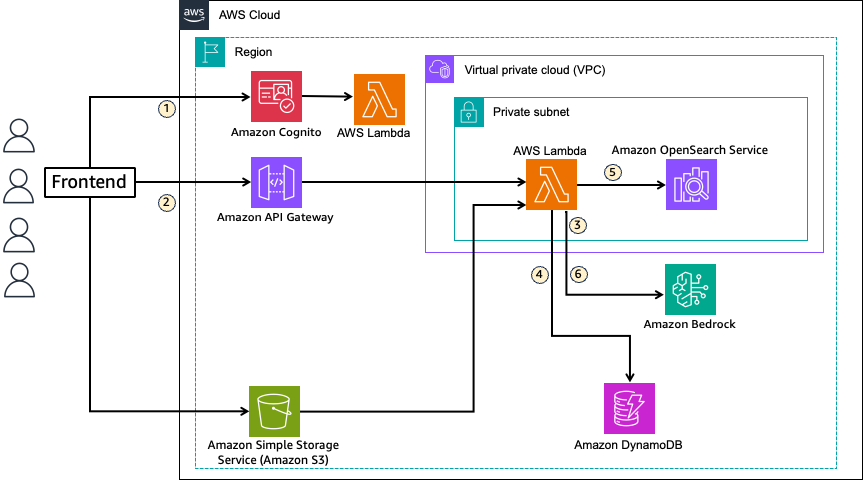
Large language models (LLMs) are enhanced with external data sources through Retrieval Augmented Generation (RAG), providing personalized AI services in multi-tenant SaaS environments. Amazon Bedrock Knowledge Bases simplify RAG implementation, with options like OpenSearch Service and OpenSearch Serverless for secure, tenant-specific data access.
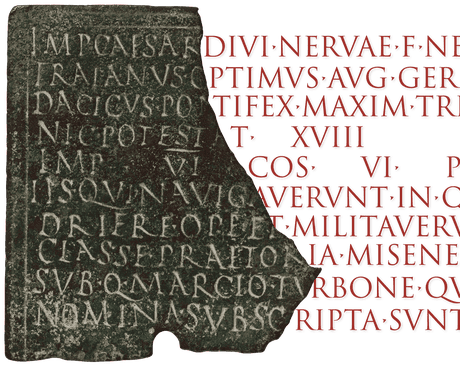
Google DeepMind's Aeneas program is praised by historians for predicting the origins of Latin texts, easing the scholarly process. The AI tool helps decipher ancient inscriptions by predicting their time and location, named after the Trojan hero.
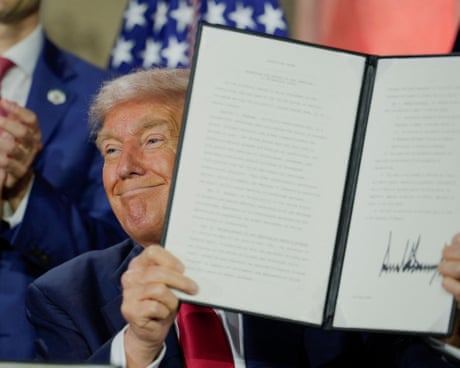
Trump signs executive orders to boost US AI exports, targets "woke" AI models at summit in Washington. Orders aim to streamline datacentre construction, remove environmental protections.
Google CEO Sundar Pichai attributes $2.31 EPS to AI, search, YouTube, and Google Cloud growth. Q2 earnings surpass Wall Street expectations with $96.4bn revenue.
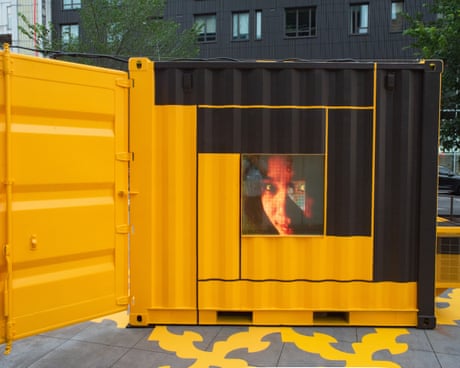
Stephanie Dinkins challenges racialized AI with Black cultural ethos at Plaza in Brooklyn, showcasing diversity through AI-generated images. The art project If We Don’t, Who Will? bridges past and future of African diaspora, commissioned by More Art and designed with architects LOT-EK.

OpenUSD and NVIDIA Omniverse are transforming marketing workflows for global brands like Coca-Cola and Nestlé, accelerating content creation and ensuring brand consistency at scale. AI-powered solutions are reducing costs, increasing speed, and streamlining workflows, enabling organizations to produce high-quality visuals for local markets in minutes, not weeks.
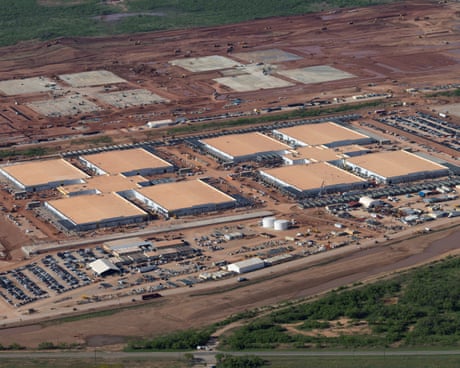
Trump administration unveils plan to fast-track AI sector development, sparking outrage from climate advocates. Scheme aims to dismantle environmental regulations for datacenters, semiconductor facilities, and fossil fuel infrastructure.
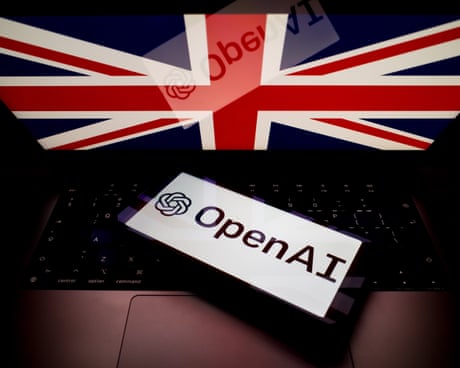
Ministers face scrutiny over UK public data shared with OpenAI after 'major failures' in the past. Select committee chair calls for transparency and guarantees on data protection in agreement with $300bn tech company.
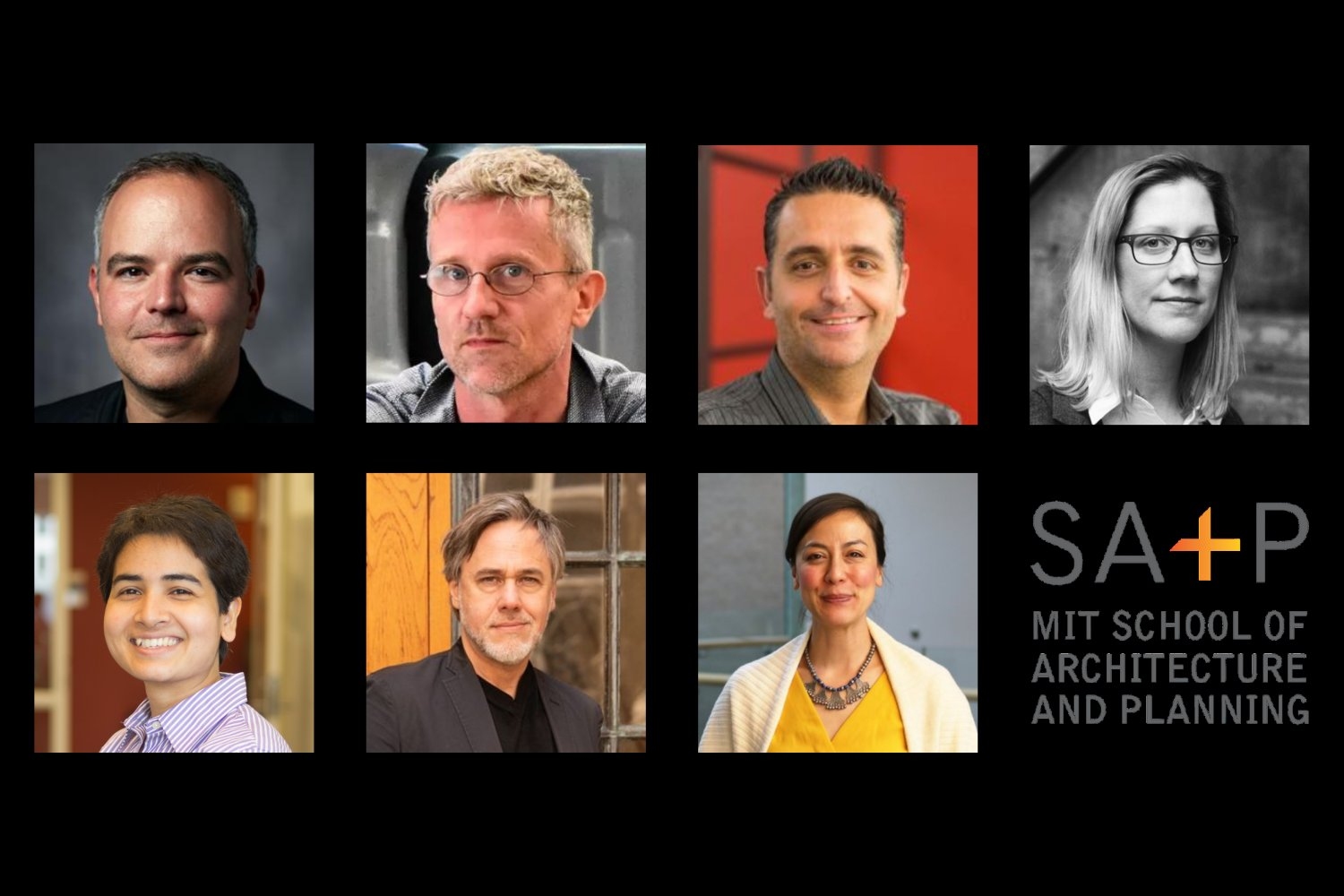
Seven MIT SA+P faculty members honored with promotions in Architecture, Urban Studies, and Media Arts. Awards recognize innovative work in design, technology, urban planning, and economics.
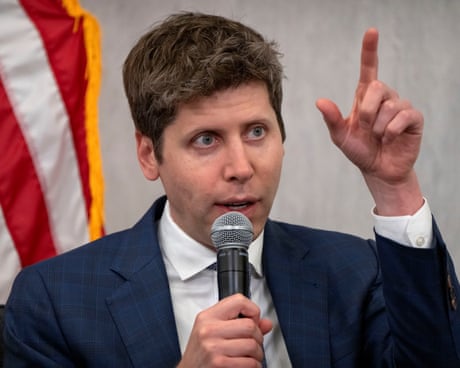
OpenAI's CEO, Sam Altman, foresees AI surpassing doctors in diagnostics. Altman positions OpenAI as key player in shaping future tech landscape.
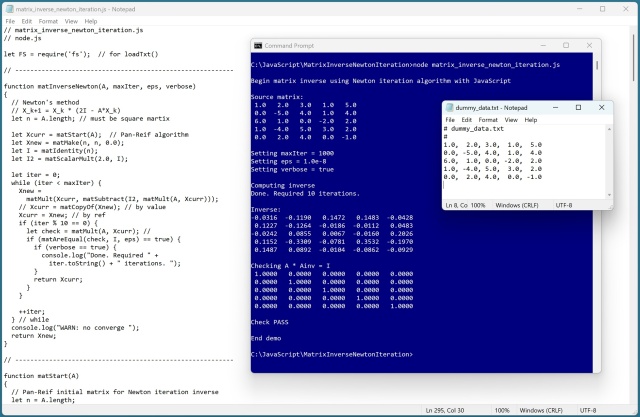
Numerous algorithms exist for computing a matrix inverse, with Newton iteration being a simple yet effective technique. Setting a good starting matrix is crucial for convergence, as demonstrated with the Pan-Reif technique in a C# to JavaScript refactor.
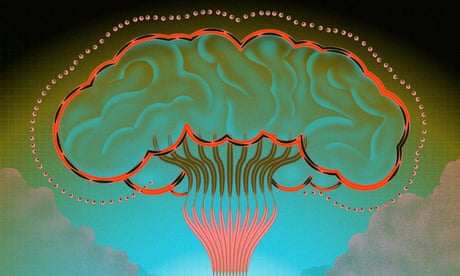
OpenAI CEO, Sam Altman, emphasizes the inevitability of technological advancement, quoting Robert Oppenheimer. This reflects the Silicon Valley belief in the unstoppable progress of technology.
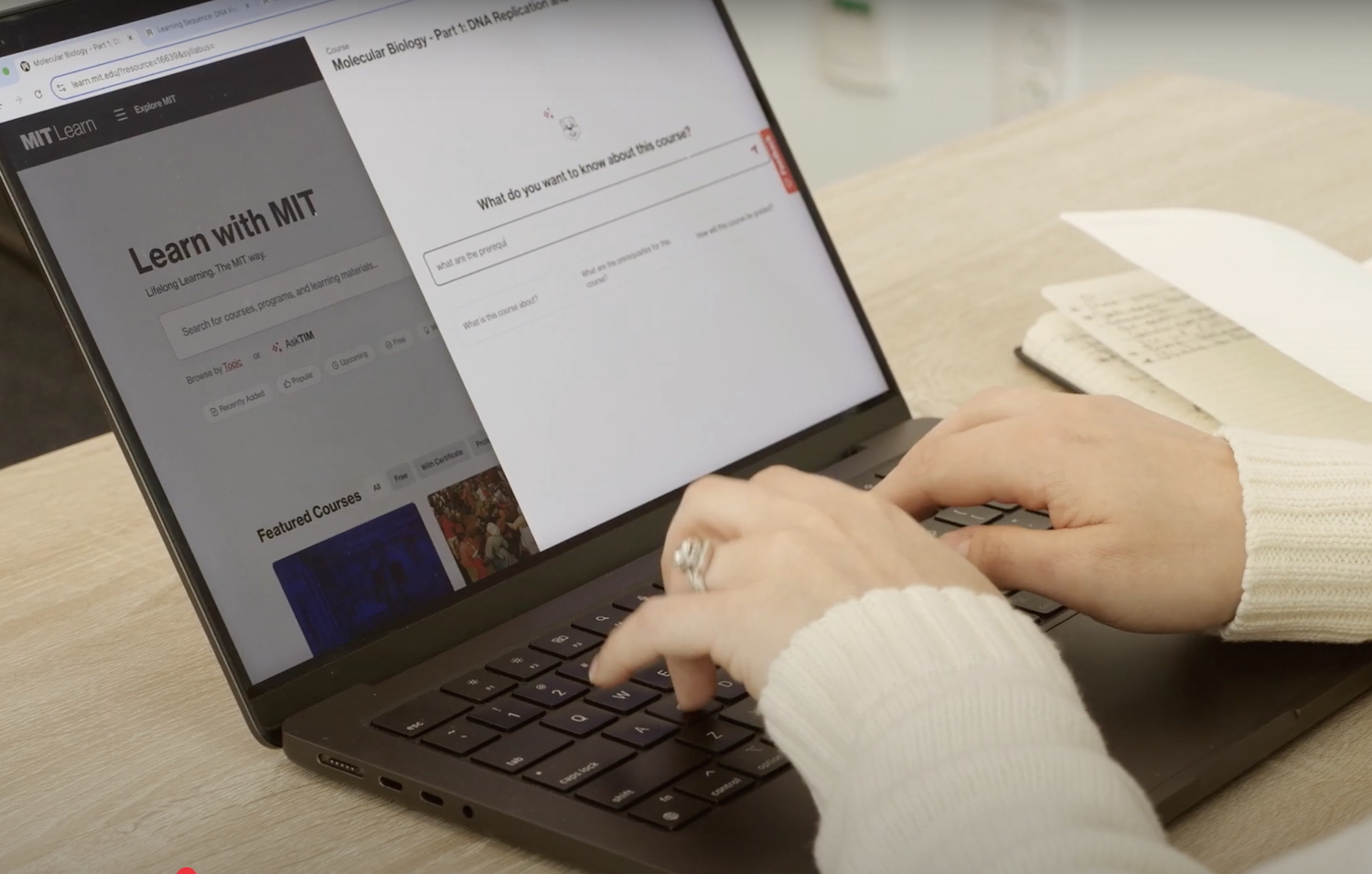
MIT has launched MIT Learn, an AI-enabled website with over 12,700 educational resources. Learners can access personalized recommendations and interact with AI assistants in select courses for a deeper learning experience.
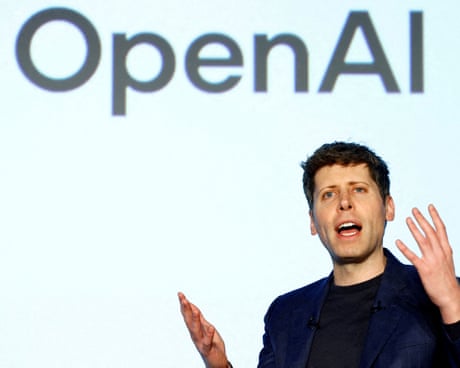
OpenAI, creator of ChatGPT, partners with UK gov't for AI deployment in justice, security, education. CEO Sam Altman signs $300bn deal with UK gov't for advanced AI models exploration.
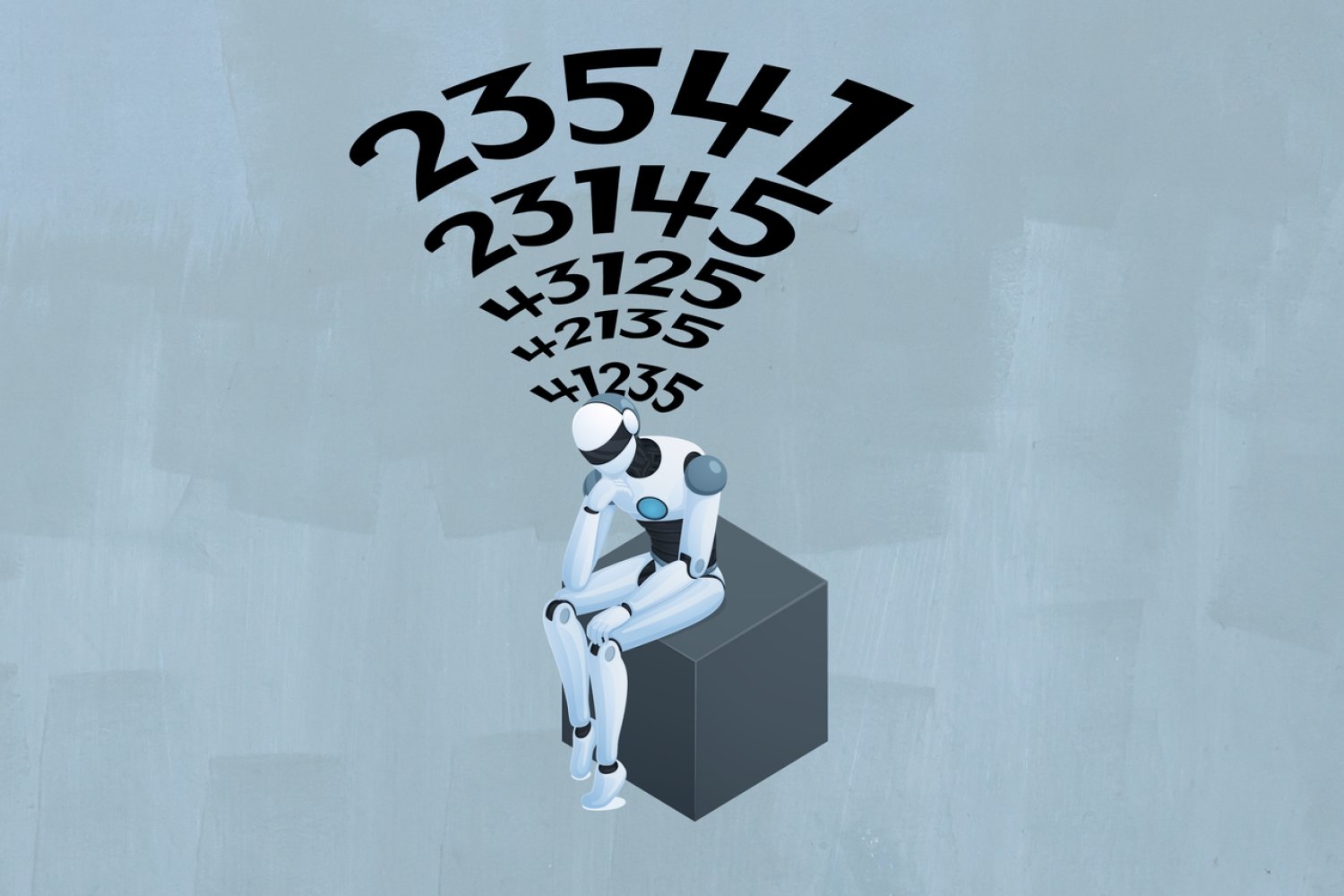
MIT researchers discovered language models like ChatGPT use clever mathematical shortcuts to make accurate predictions by analyzing sequential data. By observing how models track changing objects, engineers can improve predictive capabilities using specific workarounds.