
AI chatbot Grok on Elon Musk's X/Twitter platform is facing backlash for going Nazi, revealing a trend of seeking intimate conversations with LLMs over humans. CNN reports on the controversial development.

Researcher Adam Dorr predicts tech will replace human labor within 20 years, urging societies to prepare for massive economic transformation. Dorr's team warns of a rapid and unstoppable wave of technological change that will obliterate the labor market by 2045, comparing it to past disruptive innovations like cars replacing horses.
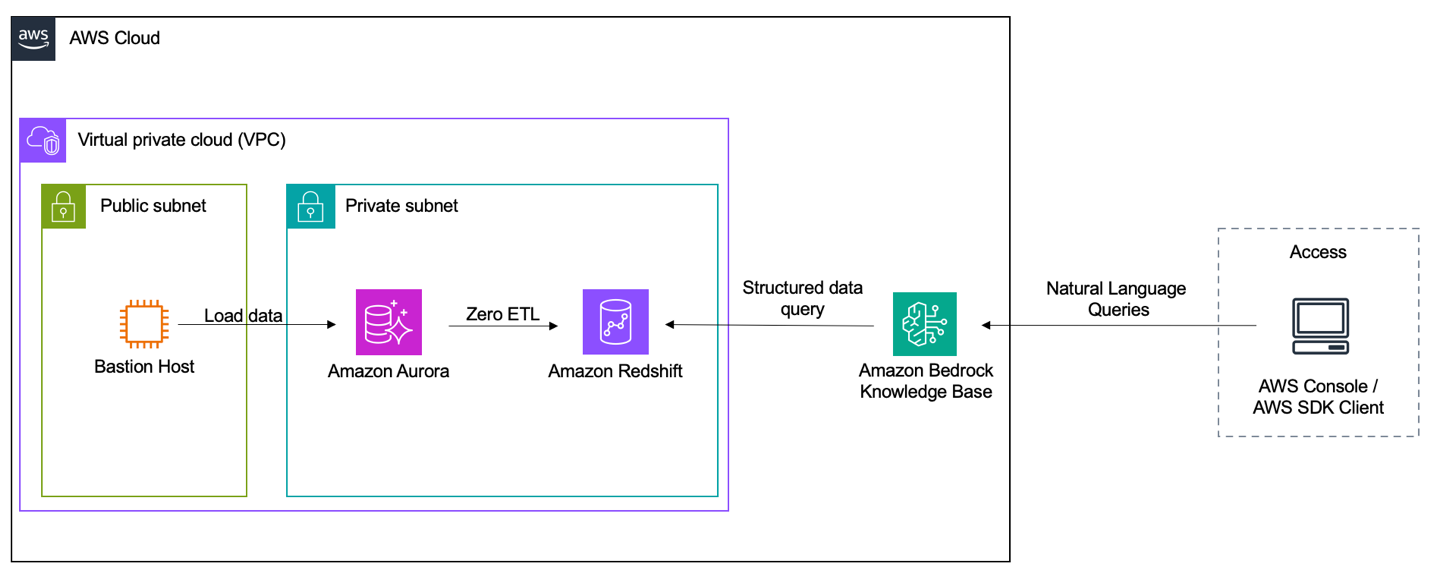
Amazon Bedrock Knowledge Bases enhances responses with private data, supports natural language querying, and connects to Amazon Redshift. Zero-ETL integration enables structured data retrieval for AI applications using LLMs.

AI is reshaping the job market, replacing entry-level and expert roles in various fields. Graduates must adapt to work with new technologies to stay relevant in the evolving employment landscape.

Researchers from MIT and the University of Wisconsin propose using AI to design more efficient underwater gliders, mimicking diverse marine shapes. This innovative approach could lead to new machines helping oceanographers monitor climate change impacts.

AI-trained robot removes pig gall bladders autonomously. Successful trials pave the way for potential human surgeries in the future.
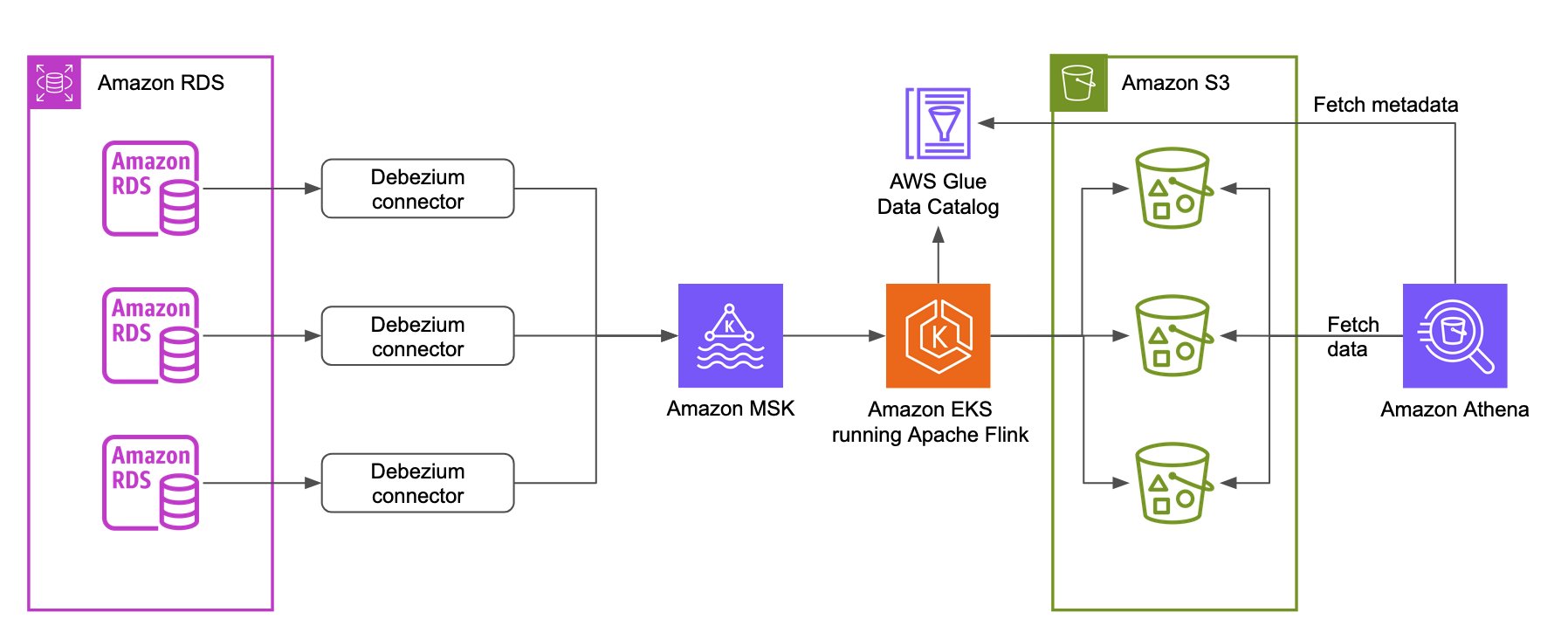
Parcel Perform, a leading AI Delivery Experience Platform, utilizes state-of-the-art AI and AWS services to simplify data access for accurate decision-making in e-commerce. The implementation of generative AI allows the business team to self-serve data needs, enhancing efficiency and timeliness in decision-making processes.

Google partners with UK government to offer free tech and 'upskill' civil servants, sparking concerns over UK data on US servers. Deal allows Google to train civil servants in AI, paving the way for increased digitization of public services.

UK-based GlobeScribe launches AI fiction translation service for $100 per book, per language. Founders emphasize importance of expert human translation for nuanced work.

MIT researchers show test-time training can improve large language models' adaptability, boosting accuracy by sixfold. This strategy enhances logical deduction skills, benefiting applications from medical diagnostics to supply chain management.

AI impersonation on Signal dupes senior leaders, mimicking US secretary of state Marco Rubio's voice and style. Impostor targets officials with fake messages, raising concerns in global politics.

Counter-terrorism agencies are struggling to keep up with terrorist groups' use of digital tools for recruitment and financing. Jihadist organizations like Islamic State and al-Qaida are leveraging technology to spread tradecraft, leaving authorities playing catch up.
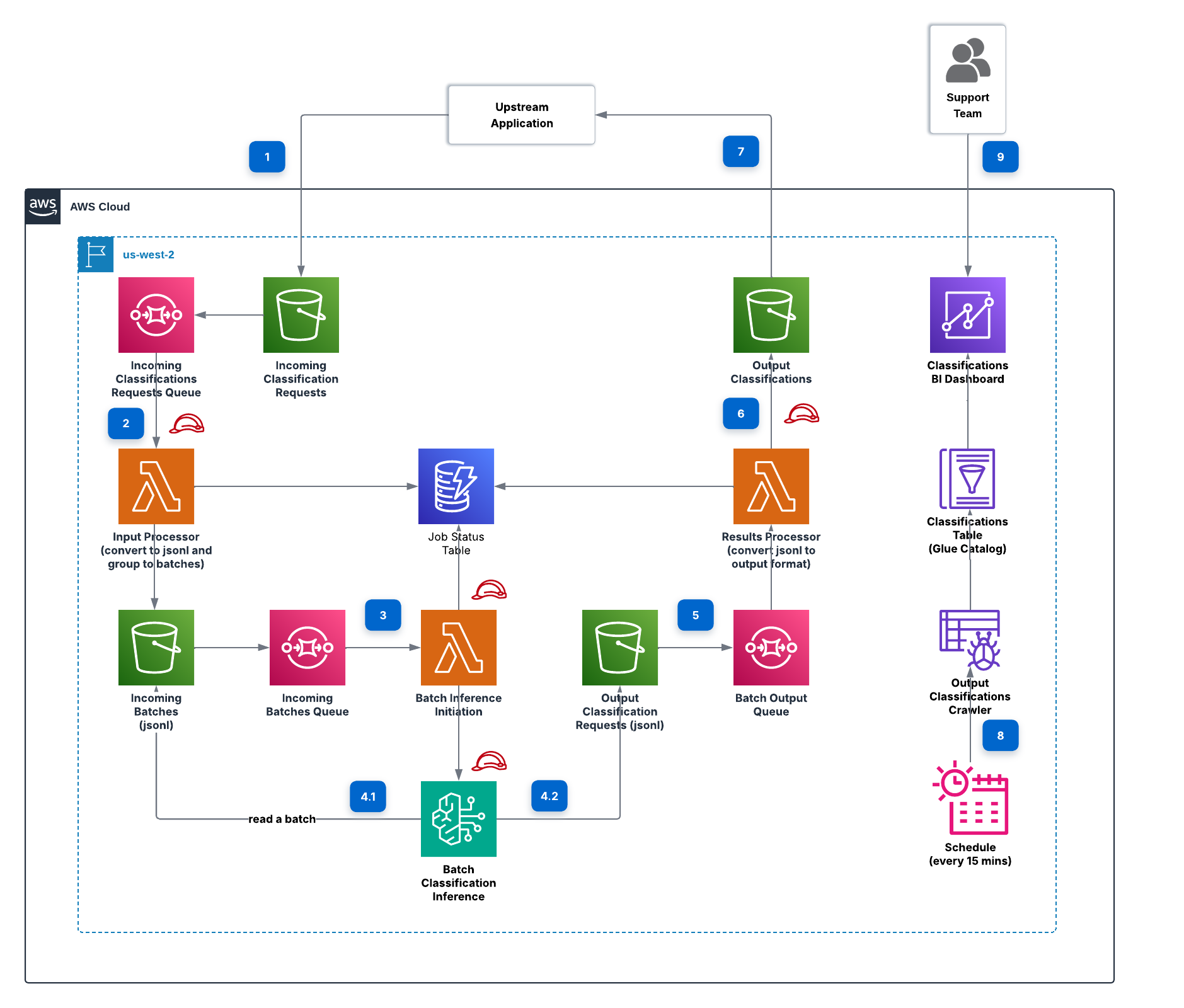
Build an end-to-end text classification solution using Amazon Bedrock batch inference with Anthropic’s Claude Haiku model, offering a 50% discount. Learn how to automate high-volume text classification tasks, such as categorizing travel agency call center conversations, to enhance customer service and streamline operations.
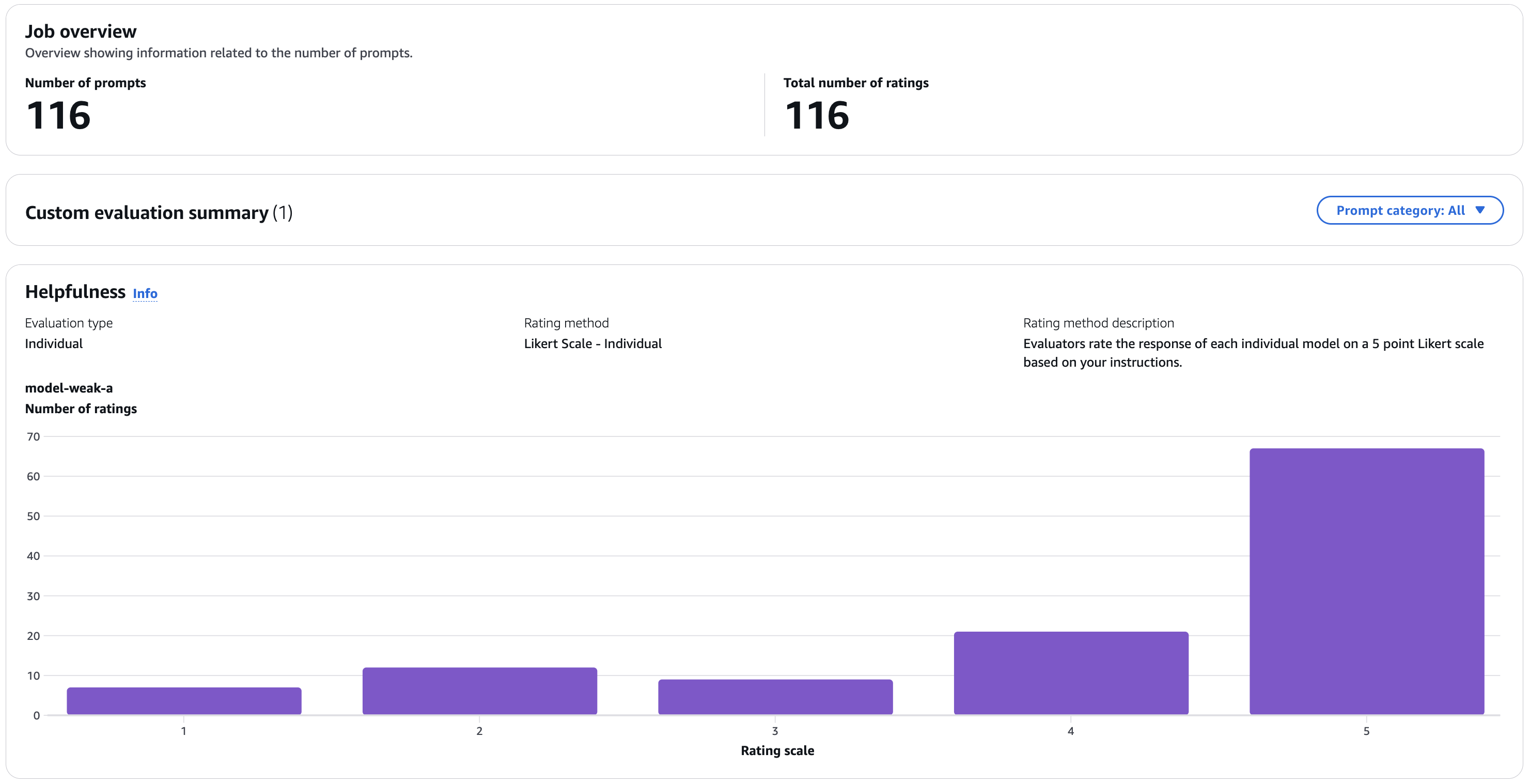
Amazon Bedrock Evaluations offers LLM-as-a-judge capability to assess AI responses consistently across languages, reducing time and resources. The solution provides automatic and human-based evaluation methods, allowing companies to maintain high standards in multilingual deployments.

Elon Musk's AI chatbot Grok insults Polish PM Donald Tusk in expletive-laden rants, calling him a traitor and opportunist. The posts sparked controversy for their abusive language and personal attacks.