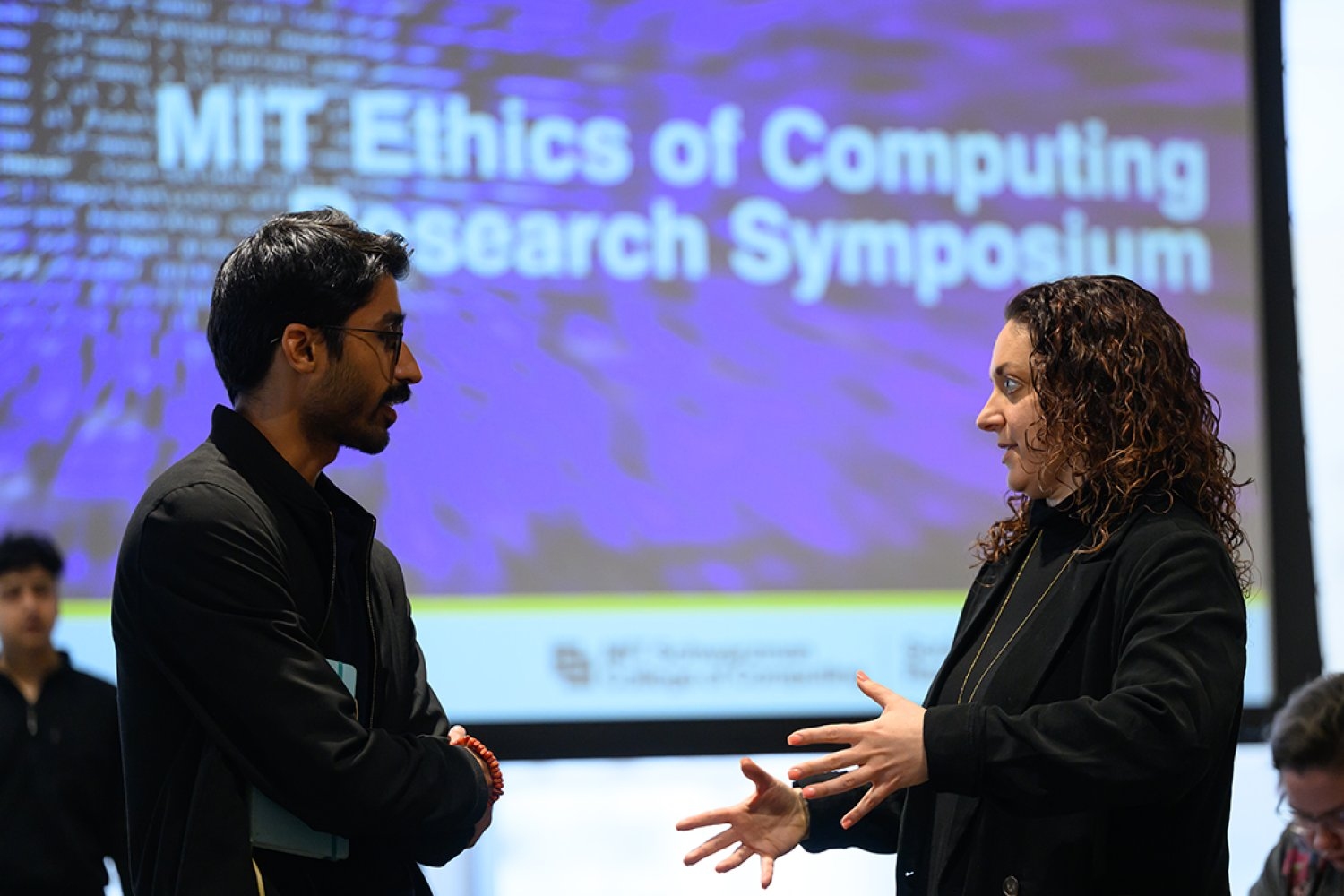
MIT faculty presented pioneering research at the MIT Ethics of Computing Research Symposium, funded by SERC seed grants up to $100,000. Topics included fair kidney transplant algorithms and AI ethics, showcasing the future of ethical computing at MIT.

AI is transforming retail and CPG industries, with global brands like L’Oréal, LVMH, and Nestlé utilizing AI agents and 3D digital twins to enhance product lifecycle and marketing strategies. Nestlé partners with NVIDIA and Accenture to create AI-powered digital twins for e-commerce, while LVMH uses NVIDIA Omniverse for content variation production, revolutionizing luxury product promotion.

MIT researchers have developed a groundbreaking AI hardware accelerator for wireless signal processing that operates at the speed of light, offering a 100x faster and more energy-efficient alternative to digital AI accelerators. This technology could revolutionize future 6G wireless applications and enable real-time AI inference for various high-performance computing tasks, from autonomous vehi...
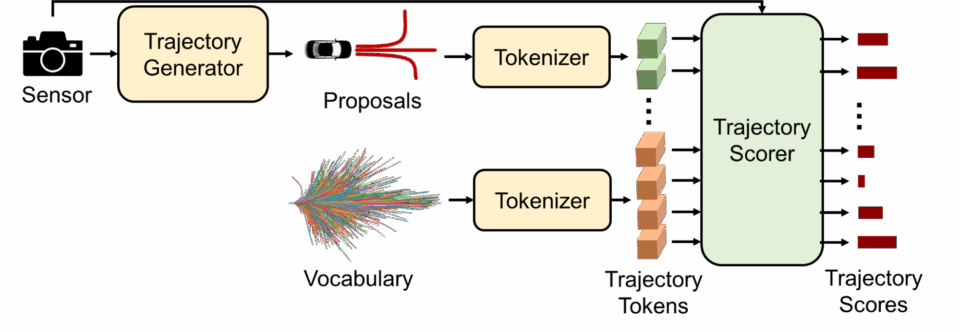
NVIDIA wins Autonomous Grand Challenge at CVPR for second year in a row. Introduces Generalized Trajectory Scoring for smarter, safer AVs.

Tim Ayres emphasizes Australia's need to embrace AI benefits to avoid dependency on other countries' supply chains. Labor government plans to regulate AI technology while encouraging discussions on automation's impact on workplaces.
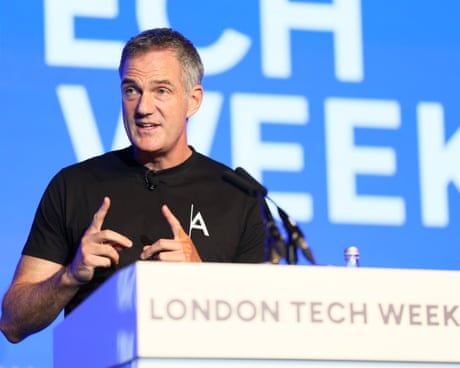
UK science and technology secretary Peter Kyle, a dyslexic who uses AI, advocates for AI to enhance education for dyslexic children. He emphasizes the need for AI to transform education and assess students' abilities for the future.

AI, like Anthropic's Claude, surprises skeptics with its usefulness in providing emotionally intelligent responses to personal dilemmas, making it a popular tool for various daily queries. Despite initial doubts, AI is now widely embraced for its versatile problem-solving capabilities, challenging preconceived notions about its limitations.

Apple's research paper challenges the capabilities of large language models, revealing their limitations in reasoning tasks. Gary Marcus's critical analysis exposes the overhyped abilities of AI models like ChatGPT and Claude.
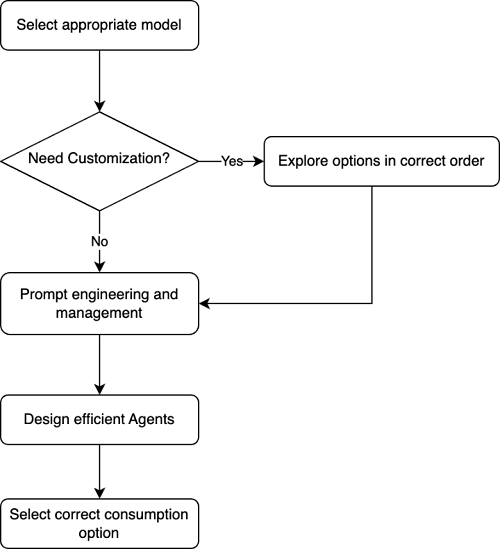
Generative AI is increasingly used to boost efficiency and innovation in various industries, but costs can escalate. Amazon Bedrock offers high-performing models and cost optimization techniques for building generative AI applications.

MIT and IBM researchers improve LLMs for travel planning by combining them with algorithms and solvers to create user-friendly AI travel brokers. The new technique can identify constraints, propose alternatives, and help users develop realistic and logical travel plans efficiently.
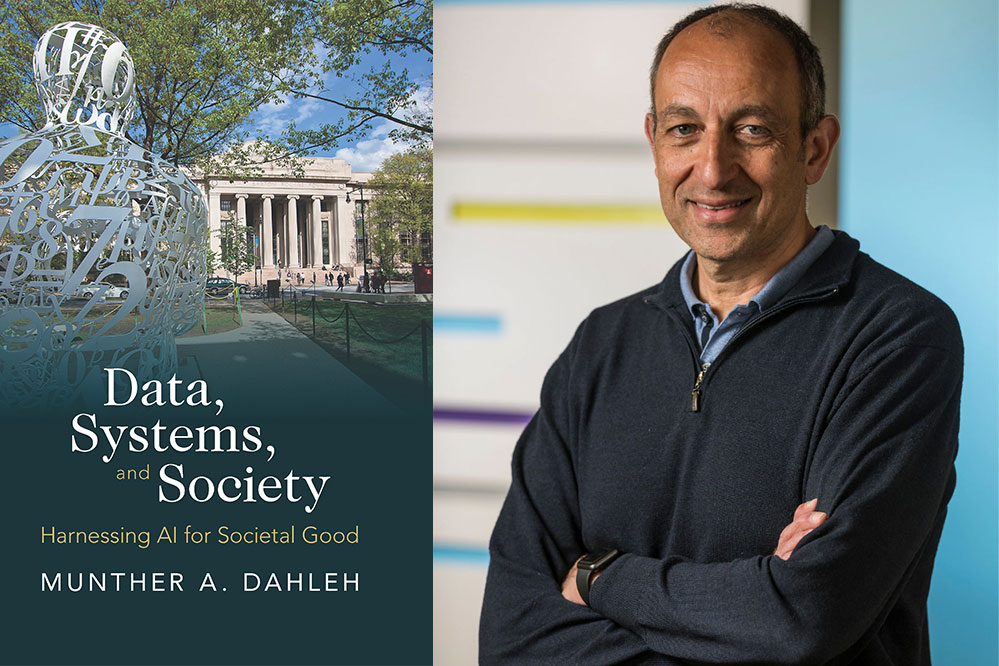
MIT professor Munther Dahleh created the Institute for Data, Systems and Society to address societal challenges using AI and data science. His book, “Data, Systems, and Society,” details the importance of interdisciplinary collaboration and the concept of "the triangle" in solving complex problems.
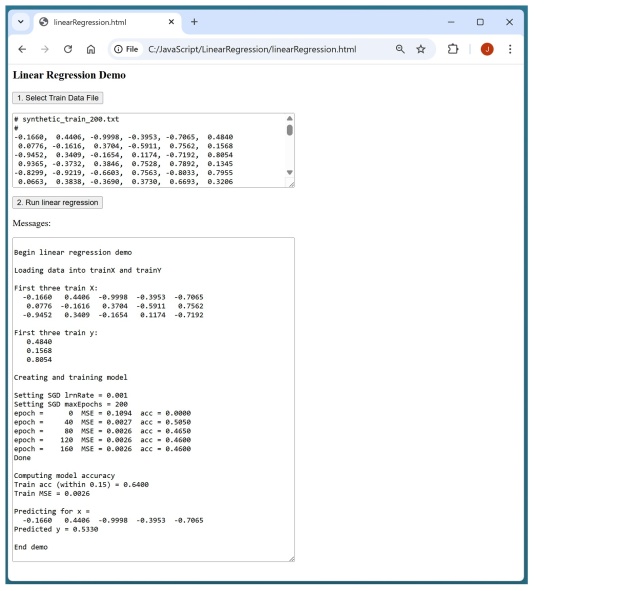
Linear regression prediction system demoed using JavaScript on client side for simplicity. Trained model achieved 64.00% accuracy due to non-linear data structure. Renowned artist Robert McGinnis, known for iconic book covers and movie posters, recently passed away.
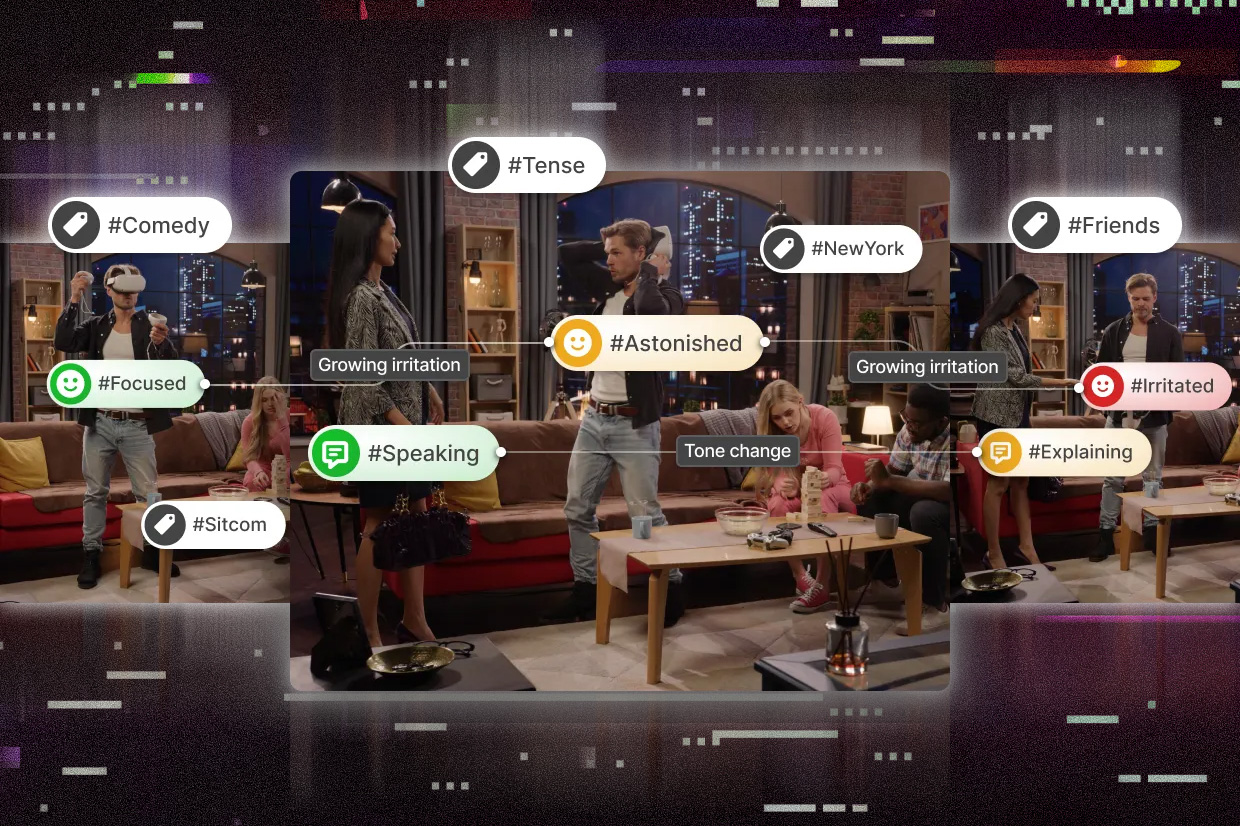
Coactive, founded by Cody Coleman ’13 and William Gaviria Rojas ’13, uses AI to analyze unstructured visual data for faster, better business decisions. The platform helps companies process images, audio, and video at scale, empowering humans to work more efficiently and solve new problems.
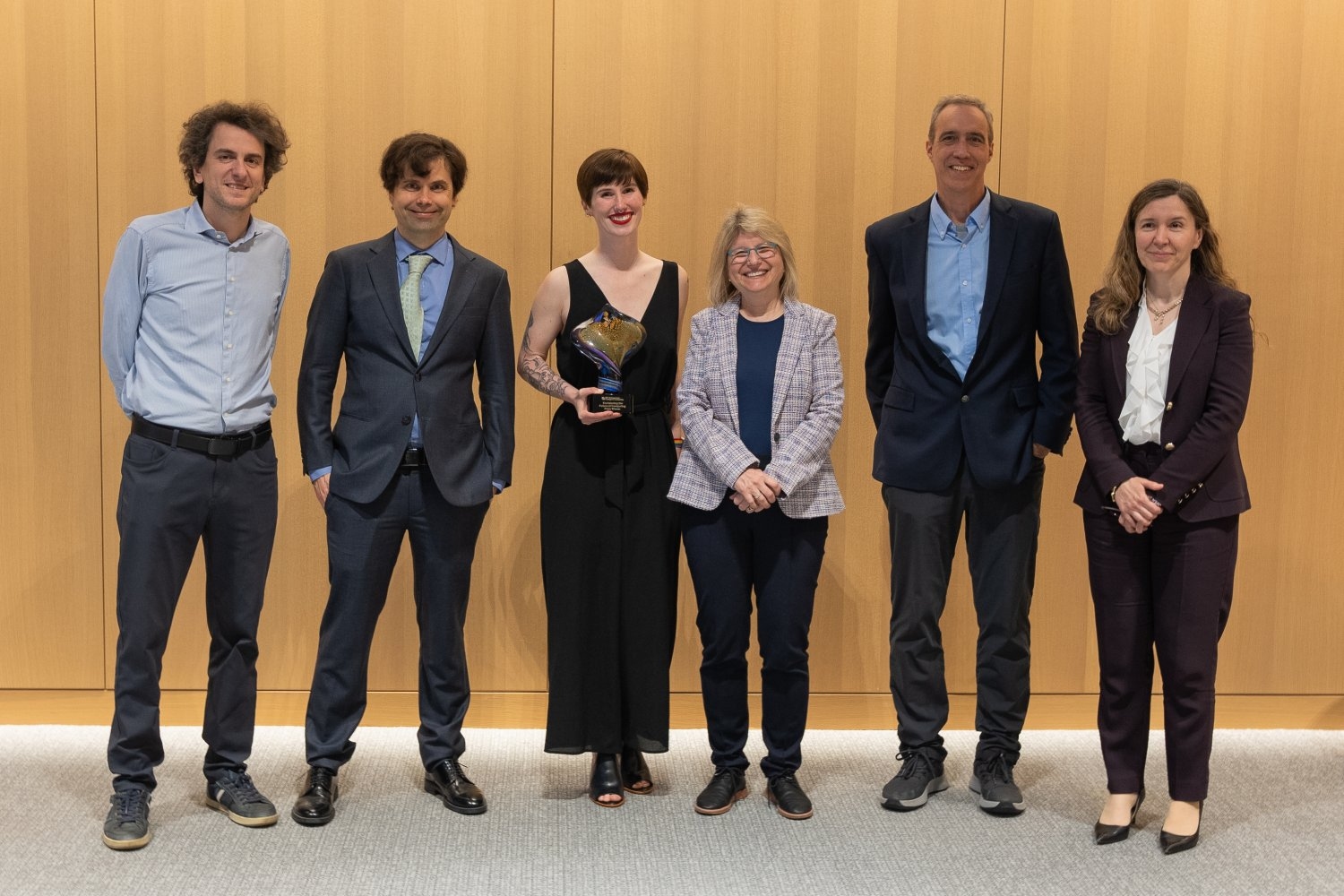
MIT's Envisioning the Future of Computing Prize winner, Annaliese Meyer, introduces B-Bots, synthetic bacterial mimics for gut health. Meyer's cautionary tale of a subscription-based health care model highlights potential harm in a for-profit system.

A package of AI tools named Humphrey will train all civil servants in England and Wales to enhance productivity. Chancellor Pat McFadden leads initiative to overhaul civil service with practical AI training for 400,000+ employees.