

Tech platforms like Meta and Google could be legally responsible for AI-generated content. Google Maps introduces new features with Gemini, raising concerns about defamation risks from user comments used in AI responses.
AI-generated summaries by Google and Microsoft are being used in search engines, but the accuracy and authority of the information are questioned. The debate over the carcinogenic properties of aspartame highlights the potential pitfalls of relying on AI for contentious topics.
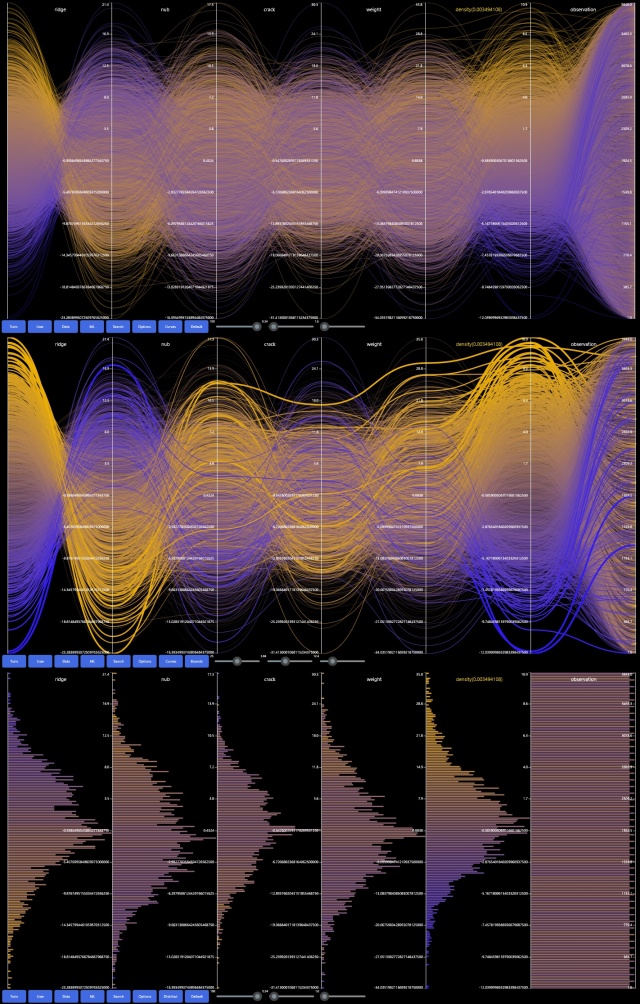
Thorsten Kleppe created a stunning visualization of the Pollen Dataset, showcasing its density and data distribution. The dataset contains 3,848 rows with predictors like "ridge" and "crack" to predict "density".
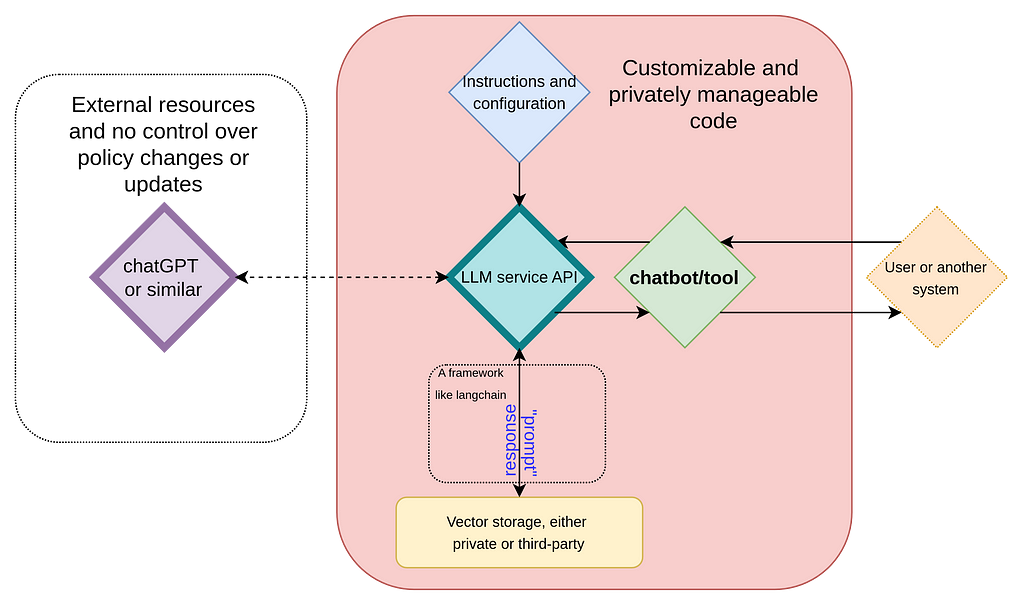
LLMs can now be run locally for enhanced privacy and control over model settings, with various sizes available. Quantization reduces memory usage, while local implementations prove cost-effective compared to cloud-based solutions.

Evaluating AI-generated outputs of large language models is crucial for building robust applications, with supervised and unsupervised methods available. Self-evaluation and iterative self-reflection can improve the quality of generative models, reducing the need for human involvement in evaluations.
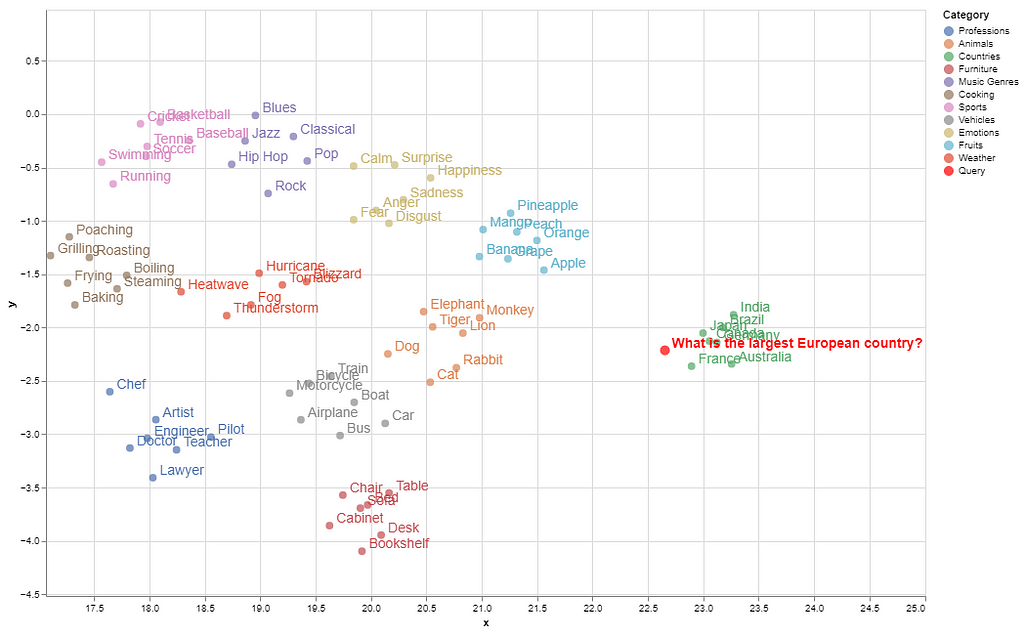
Multimodal data in business documents requires efficient semantic search using embedding models for improved productivity and customer experience. Unifying text and image data for natural language queries enhances knowledge management and decision-making in various business applications.
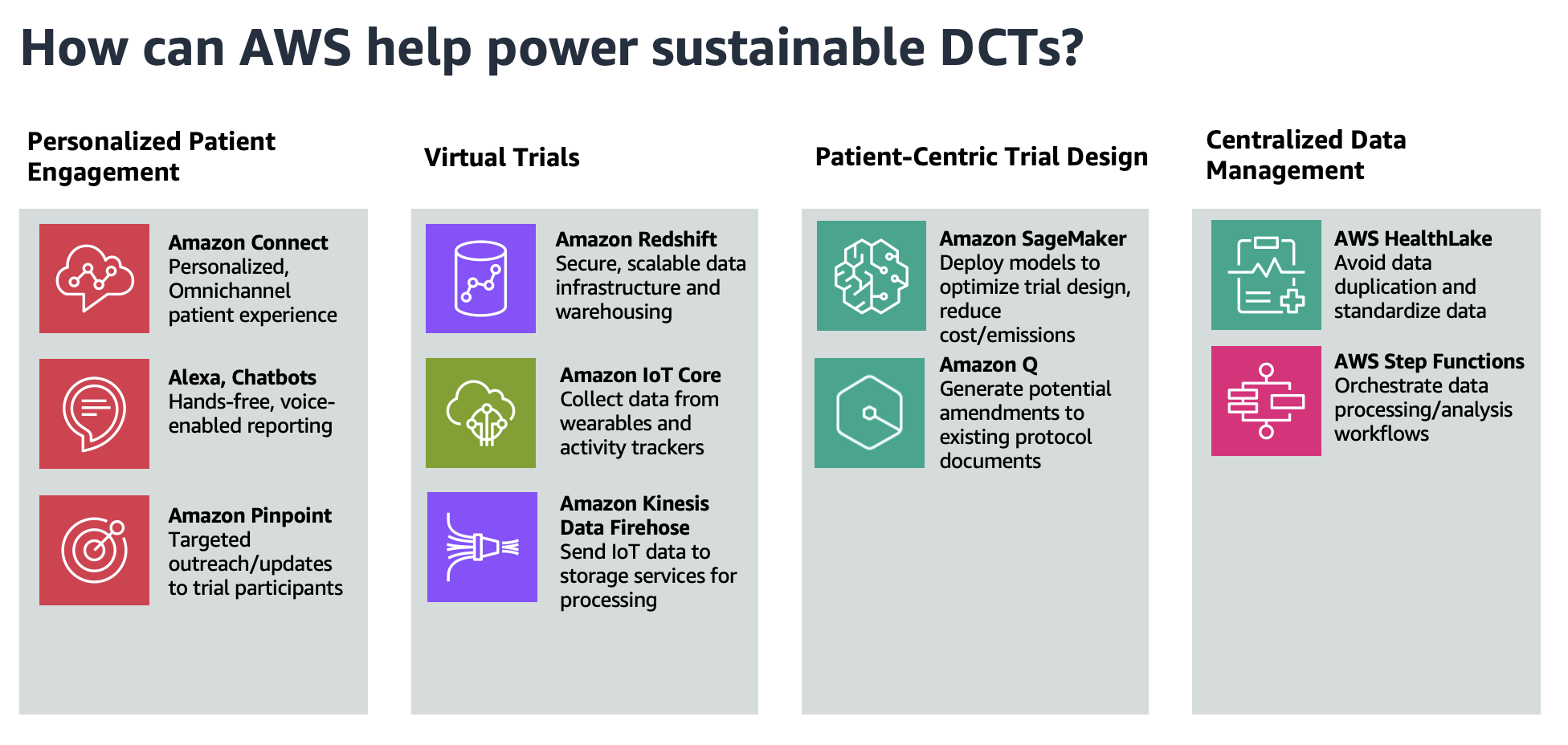
Decentralized clinical trials reduce costs and environmental impact, using technologies like wearable devices and telemedicine. AWS enables fast implementation, supporting virtual trials and personalized patient engagement for more sustainable clinical research practices.
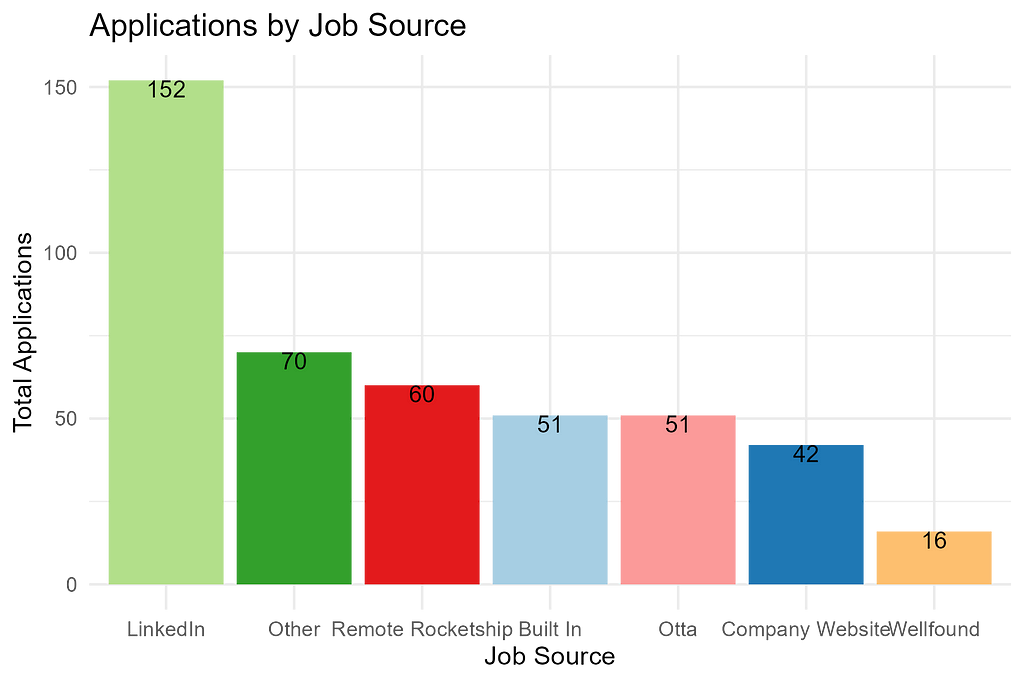
Tech job market toughest in 20 years. Layoffs, hiring freezes, and intense competition. LinkedIn not effective for job applications.
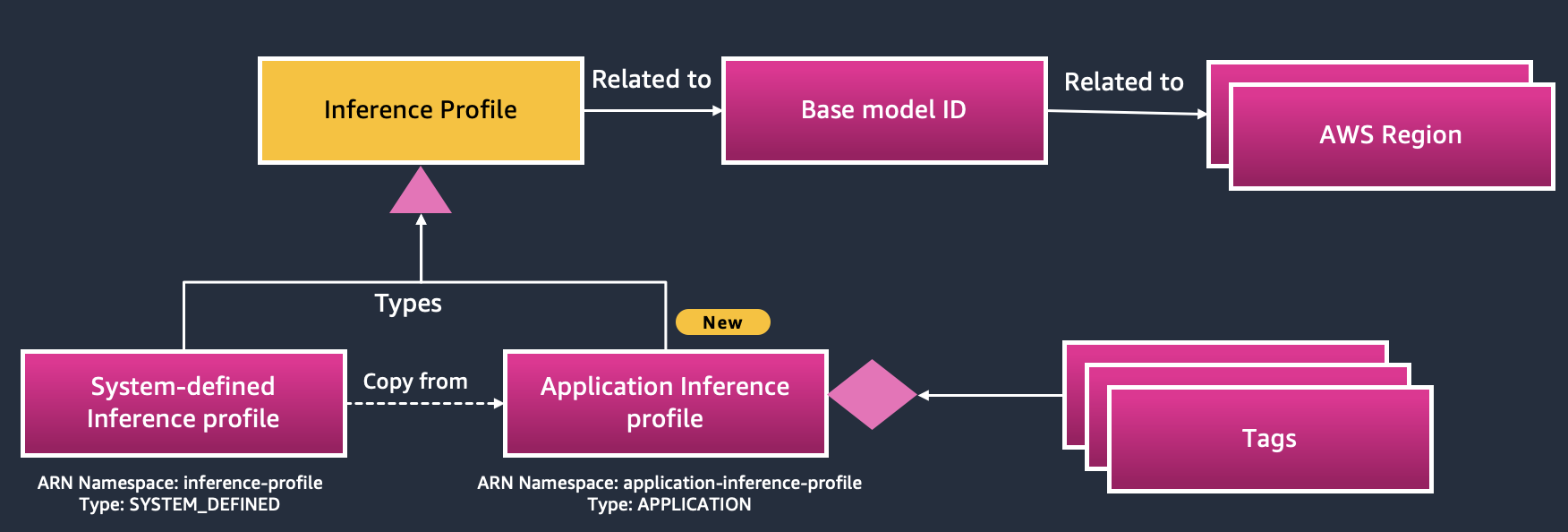
Enterprises face challenges managing costs of generative AI. Amazon Bedrock introduces tagging for on-demand models to enhance cost management and control.

Retrieval-Augmented Generation (RAG) combines real-time data retrieval with language models, enhancing precision and relevance. RAG reduces hallucinations by incorporating external data, making AI systems more adaptable and reliable.
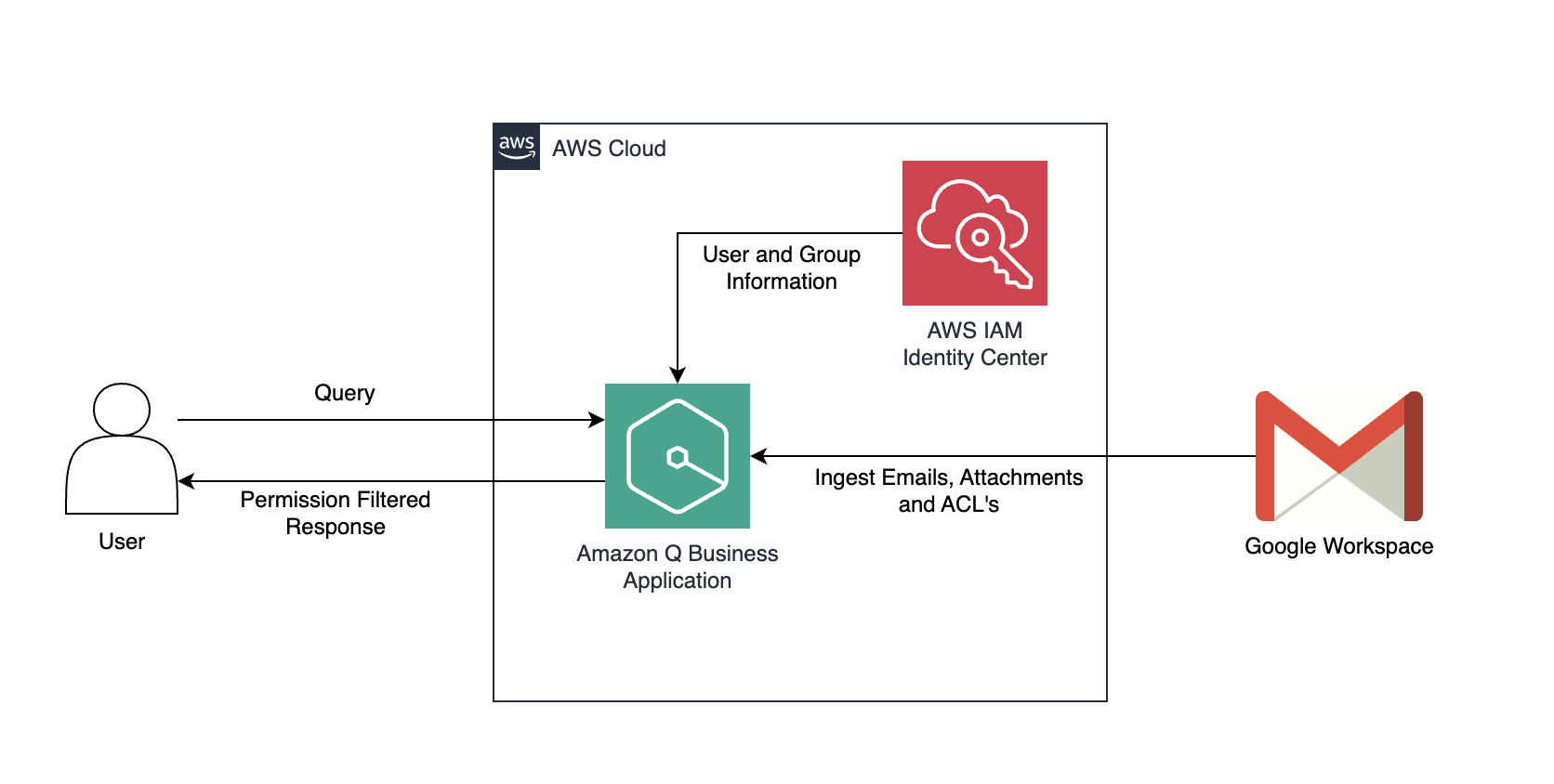
Gmail for business is part of Google Workspace, offering productivity tools. Amazon Q Business uses AI to enhance enterprise operations, providing tailored conversations and improving productivity through intelligent email management.

Sentence transformers convert sentences into high-quality embeddings for NLP tasks. Amazon fine-tunes proprietary models for product classification, showing improved results.

AI Agents are evolving from text-based to multimodal, allowing seamless interaction with devices. Anthropic's Claude 3.5 Sonnet aims to give AI the power to use computers like humans, scoring 14.9% on the OSWorld benchmark.
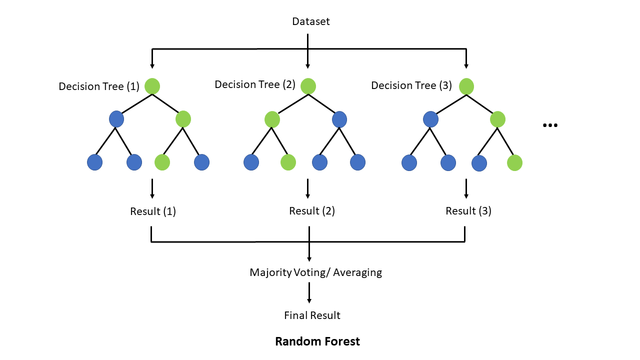
Isolation Forest Model uses ensemble learning to efficiently detect anomalies in high-dimensional data by isolating rare observations. It randomly selects features to isolate outliers, making it robust and accurate for anomaly detection.
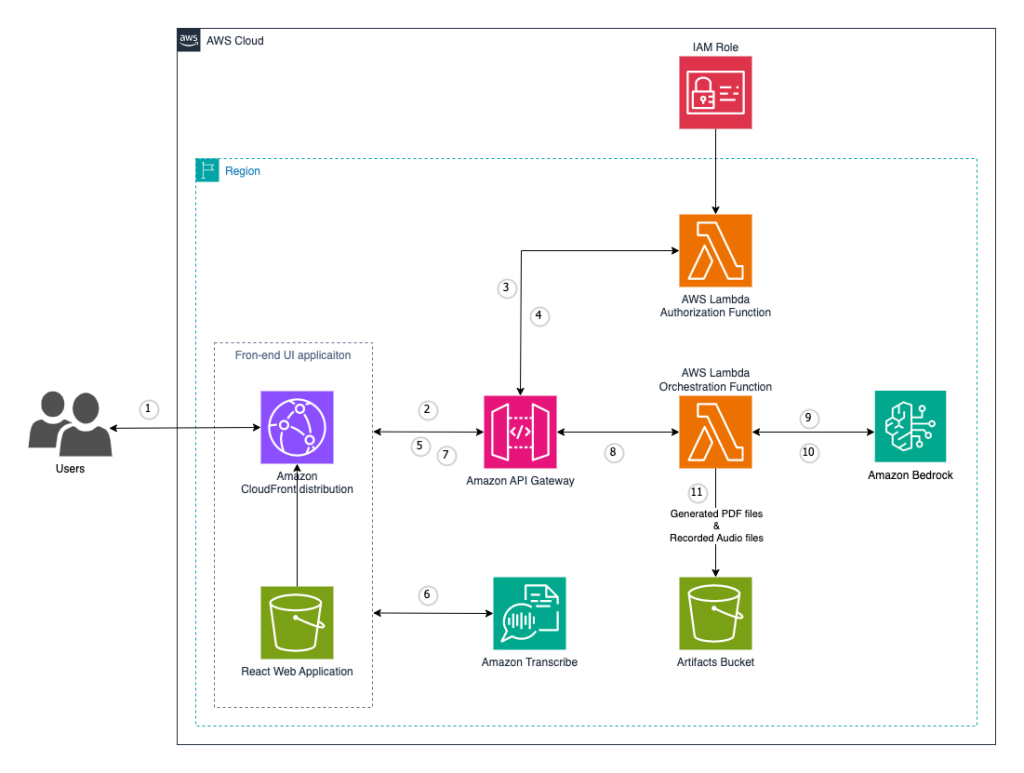
Innovative voice-based app using Amazon Bedrock & Transcribe captures & documents institutional knowledge, enhancing organizational adaptability. Seamless solution combines React UI with AI for real-time transcription, analysis, & documentation, fostering continuous learning within organizations.