
March Madness is known for its unpredictability with 1 in 9.2 quintillion odds of a perfect bracket. Using key metrics like efficiency and momentum can help predict tournament outcomes.

Artificial intelligence advancements, like OpenAI's GPT-4o models, show potential in understanding and analyzing various images. Tests reveal impressive capabilities in processing complex visual data, offering a glimpse into the future of AI applications.

The transition to a standardized approach for AI tool calling, similar to REST APIs, is crucial for order in the industry. Model Context Protocol (MCP) aims to provide context for AI models in a standard way, democratizing tool calling and enhancing system safety.

David Cronenberg dismissed the AI controversy over Adrien Brody's accent in The Brutalist as a manufactured issue by a rival Oscar film campaign. The director highlighted how filmmakers frequently manipulate actors' voices, comparing the situation to tactics reminiscent of Harvey Weinstein.
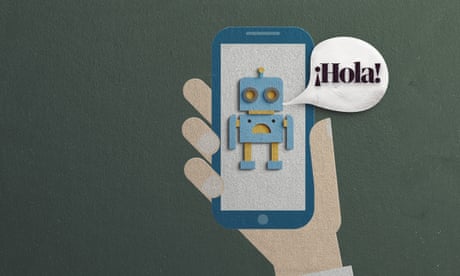
AI chatbot Christian helps user speak Spanish fluently, challenging traditional teaching methods. User's skepticism turns into interest as AI offers personalized language learning experience.

Jupyter AI integrates generative AI capabilities into JupyterLab, offering a local coding assistant for developers. The tool, compatible with Jupyter notebooks and Google Colaboratory, simplifies setup with access to various model providers.

Chi Onwurah calls for AI safety bill amid concerns of government prioritizing Trump over regulation. The bill would mandate tech companies to submit large language models for testing in the UK.
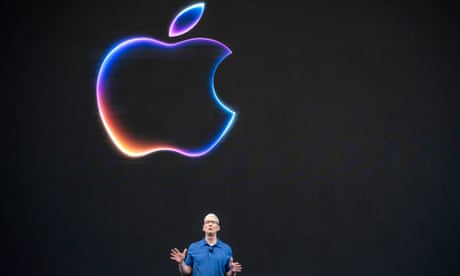
Apple unveiled its unique take on AI at WWDC: "Apple Intelligence" - a collection of features for iPhone 15 Pro users. The move surprised the tech industry amidst the ChatGPT hype, showcasing Apple's distinctive approach to the technology.

AI is reshaping journalism, with USA Today's Gannett seeking an "AI-assisted sports reporter" role. Despite concerns, newsrooms are recognizing AI's capabilities and limitations in the industry.

Reid Hoffman, co-founder of LinkedIn, believes AI can empower society, as detailed in his book Superagency. Despite economic interests, he advocates for ethical use of technology and transparent communication.
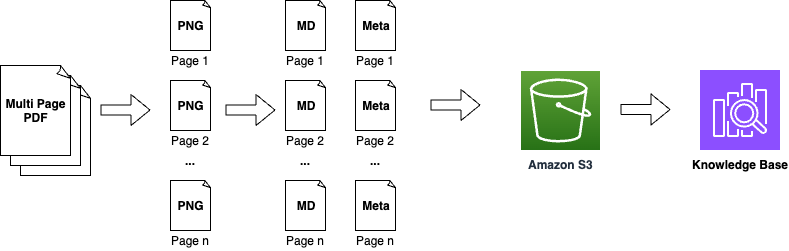
Anthropic's Claude on Amazon Bedrock automates indexing and tagging of technical documents, enhancing efficiency for researchers and engineers. The multi-modal generative AI models streamline document management, accelerating innovation across industries.
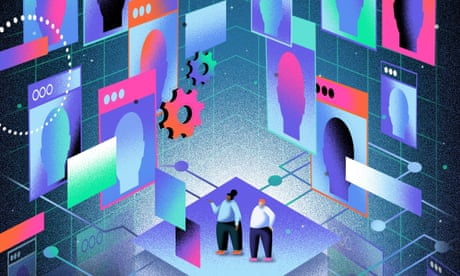
AI can help reduce racism by addressing biases in systems. Society is more willing to tackle bias in AI than in humans. Sanmi Koyejo leads Stanford Trustworthy AI Research (Stair).
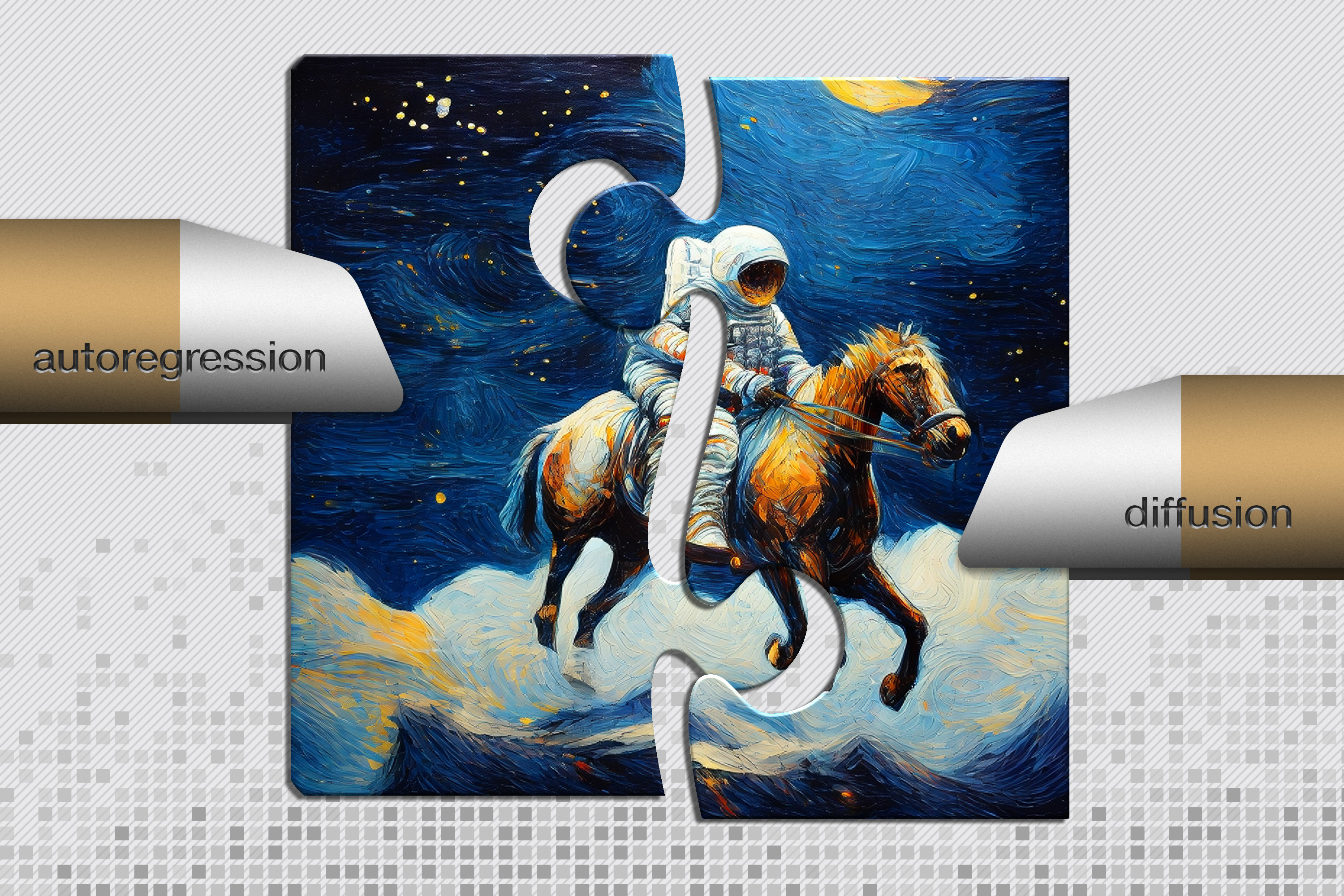
MIT and NVIDIA researchers developed HART, a hybrid image-generation tool that combines autoregressive and diffusion models to create high-quality images nine times faster. HART's innovative approach could revolutionize training self-driving cars and designing video game scenes.
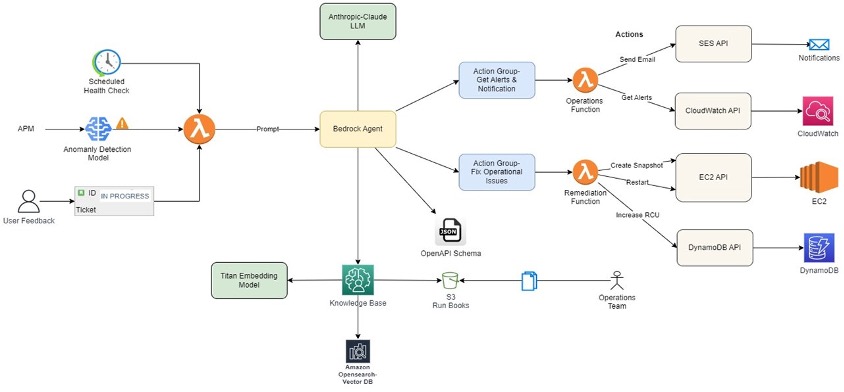
Generative AI streamlines IT incident management, automating detection, diagnosis, and resolution for improved efficiency. AWS combines services like Amazon Bedrock and CloudWatch to create AI assistants for effective incident management.

Empowered product teams evolve to meet AI challenges with the 3-in-a-box model: product management, design, and engineering. Historical context and key phases in team composition highlight the importance of core competencies for successful AI-powered products.