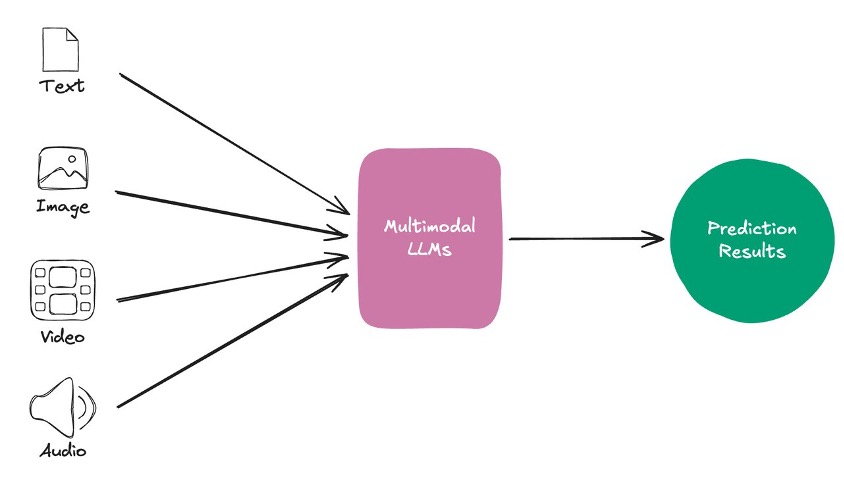
ByteDance leverages multimodal LLMs for video understanding, collaborating with AWS to efficiently scan billions of videos daily. These models enhance AI capabilities, improving content analysis and user experience with cutting-edge technology.

Deceptive visualizations are easier to create with modern technology, leading to misinformation. Learning how to recognize and prevent deception is crucial in the age of AI and social media.

Discover the power of SIMD operations in Rust for faster processing on Intel/AMD and ARM CPUs. Learn how to optimize your code with SIMD and new cargo commands for efficient performance.

Ministers consider concessions on AI use of copyrighted work after lobbying by top artists, protecting British creative industries. AI companies may no longer have automatic access to copyright-protected work without opt-out.
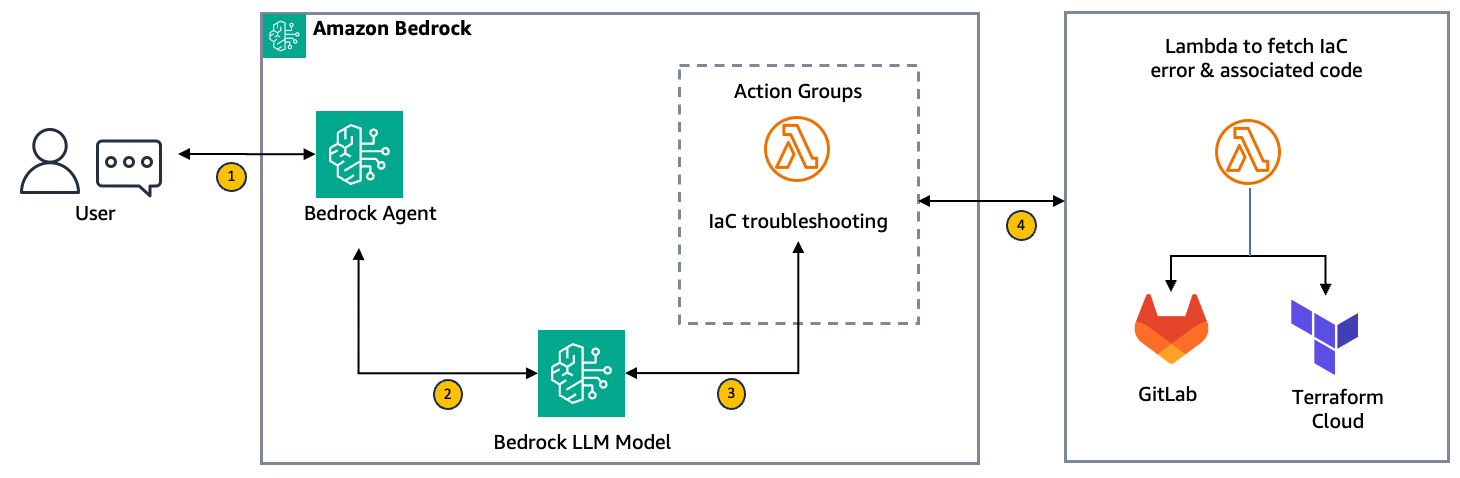
Amazon Bedrock Agents streamline troubleshooting IaC errors with AI, guiding developers to solutions for Terraform and AWS CloudFormation code issues. The solution provides targeted guidance for compliance errors in multi-account AWS environments, enhancing operational efficiency and security protocols.

Survey of 1,000 students shows 'explosive increase' in genAI use in British universities. 88% reported using tools like ChatGPT for assessments, up from 53% last year.
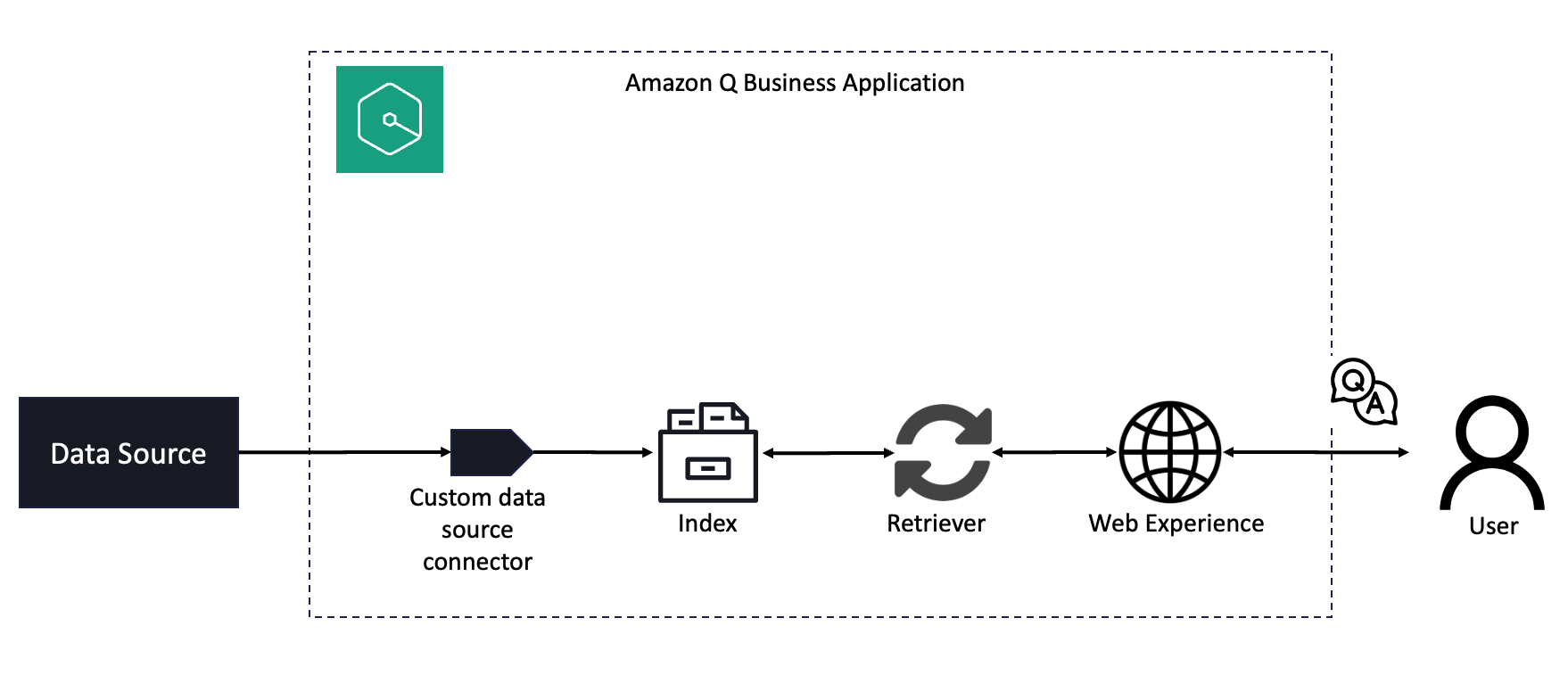
To build an AI conversational app, invest in connectors and indexing. Amazon Q Business offers generative AI assistant with native and custom data connectors. Alation helps enterprises leverage data and AI initiatives with its data intelligence services.
Applus+ IDIADA launched Digital Solutions to drive innovation in automotive industry with AI-powered chatbot AIDA, enhancing user experience. AIDA, powered by Amazon Bedrock, offers versatile solutions for complex tasks and plans to be integrable for customers in the future.

HOA-like dilemma in balancing security and practicality in medical AI privacy. Paper offers balanced solution.

Film director Beeban Kidron criticizes government's 'shameful' copyright policy for AI companies, questioning AI tsar Matt Clifford's role. Ministers accused of only hearing from those who benefit from the controversial proposals.
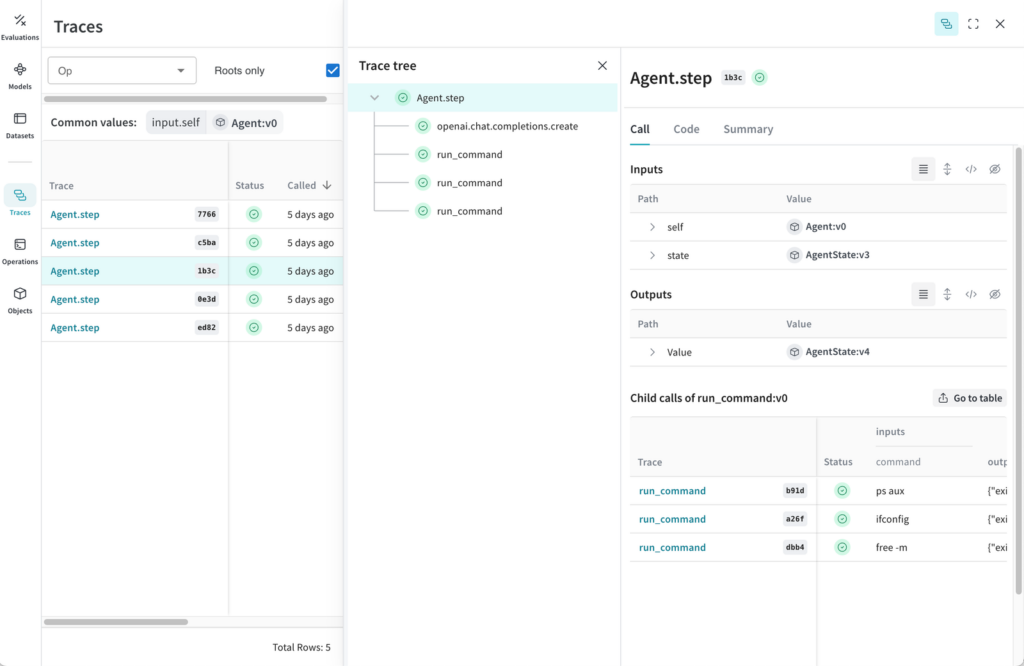
Weights & Biases developed Weave to streamline AI application development. Weave simplifies tracking, experimenting, and evaluating AI models for efficient progress.
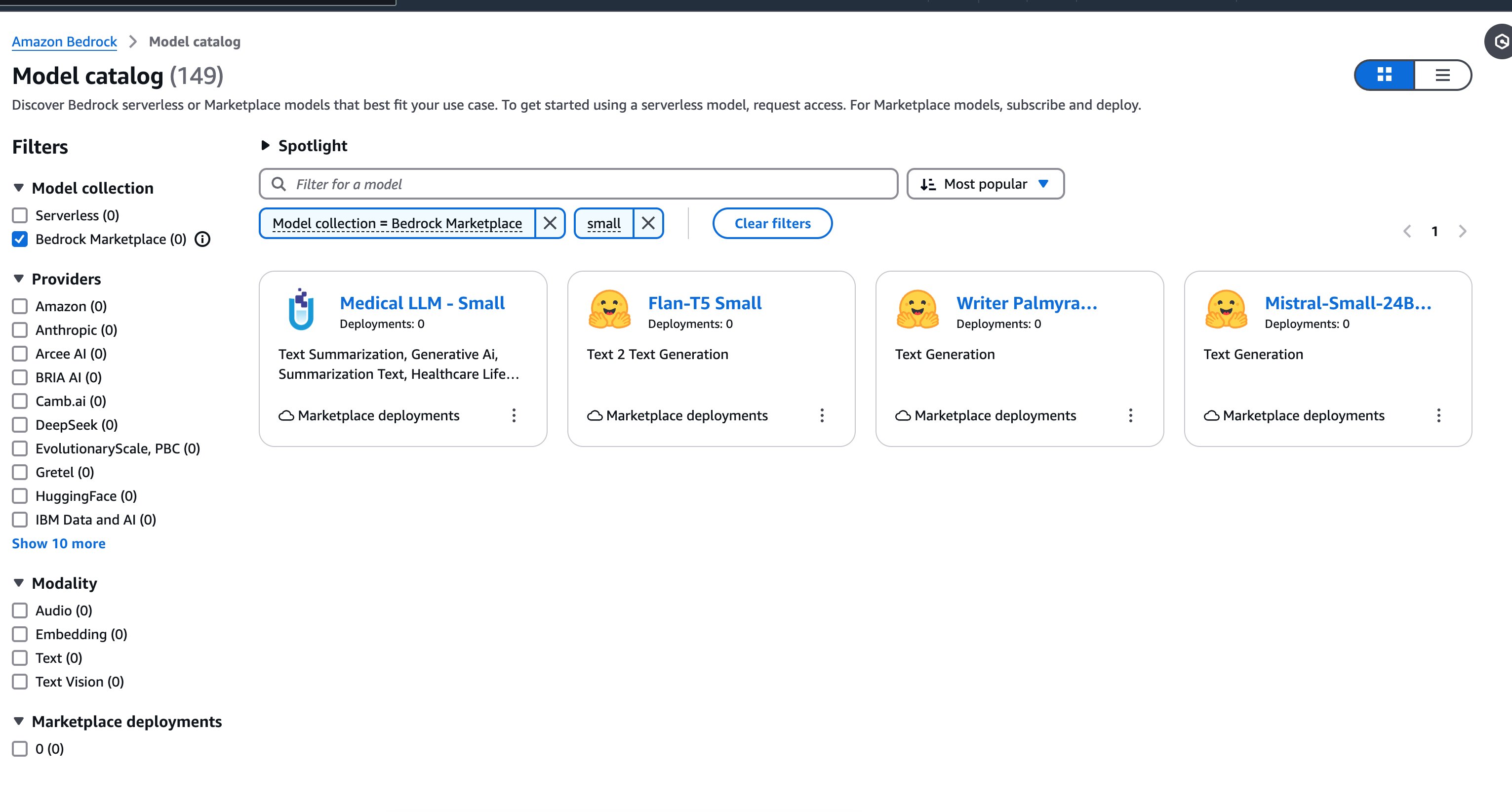
Mistral AI releases Mistral-Small-24B-Instruct-2501, a high-performance language model optimized for low-latency text generation tasks, available on Amazon SageMaker JumpStart and Bedrock Marketplace. The model excels in instruction following, code, math, and general knowledge tasks, with over 81% accuracy on MMLU at 150 tokens per second latency, making it ideal for virtual assistants and cust...

Data scientists face challenges in effectively communicating 3D data insights. The solution involves automating GIF and MP4 creation from point clouds using Python.
Author experimented with PyTorch and C# neural networks to create a successful quantile regression system, explaining the concept and challenges. Neural network quantile regression offers a powerful alternative to classical techniques, allowing precise prediction calibration.

"Retrieval-Augmented Generation (RAG) enhances language models with external information retrieval. Advanced techniques improve accuracy and efficiency over standard RAG."