
ChatGPT excels in poetry but struggles with images, while DeepSeek stands out in political conversations. Owners of ChatGPT face the reality of DeepSeek's competitive edge.
Top graduates key in AI race per tech council; DeepSeek's arrival sparks cybersecurity concerns, energy-efficient AI push in Australia.

James Florence, 36, to plead guilty for cyberstalking with AI chatbots impersonating a university professor for sex. He used CrushOn.ai and JanitorAI to direct chatbots in explicit ways.

UK introduces groundbreaking laws to combat AI-generated child sexual abuse images, closing legal loophole. Law enforcement agencies warn of alarming increase in technology's misuse.
OpenAI responds to cheaper Chinese rival with free o3-mini AI model for ChatGPT users, following DeepSeek's unexpected success. Users can access the new AI model without charge, but with usage limits, in response to increased competition.
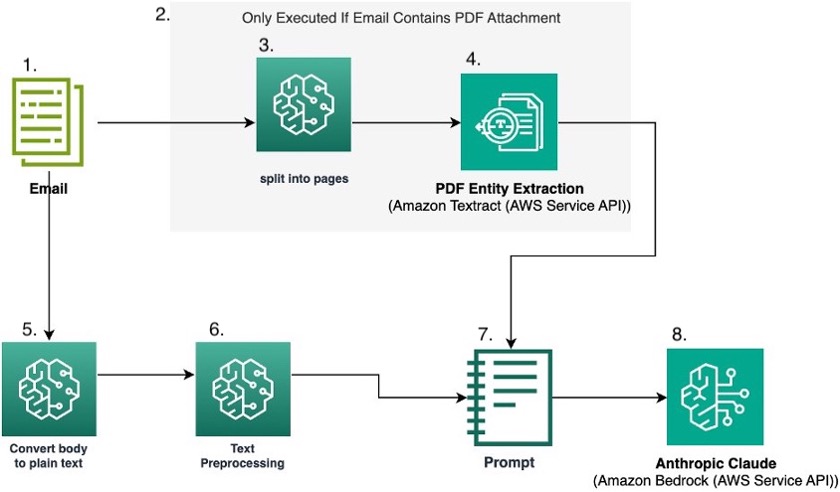
Foundation models (FMs) are surpassing supervised learning in text classification tasks, with benefits like rapid development and extensibility using Amazon Bedrock. Travelers and GenAIIC collaborated to build an FM-based classifier for automating service request emails, saving thousands of hours with 91% accuracy.

Photo Brussels festival explores AI impact with 17 projects at Hangar gallery. Artists embrace technology for optimistic exploration.

Elton John, Paul McCartney, and artists demand protection from data crawling. Tech giants exploit AI rules, sparking legislation debate.

A 6-year Shopify case study reveals the delicate balance between product focus and diversification for optimal business success. Learn how understanding concentration in your product portfolio impacts crucial decisions, with practical strategies and interactive visualizations provided.
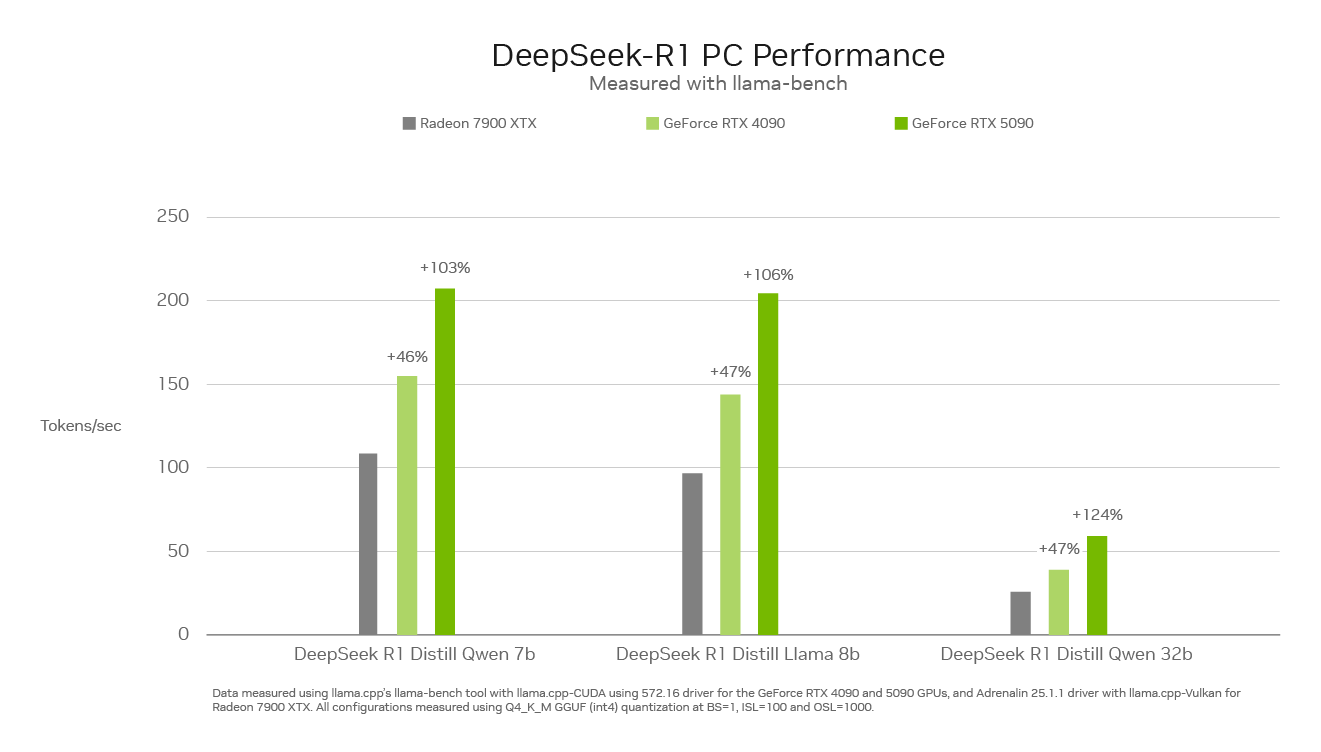
The DeepSeek-R1 model family offers powerful reasoning models for AI enthusiasts, running on NVIDIA GeForce RTX 50 Series GPUs with up to 3,352 trillion operations per second. These models can tackle complex tasks like math, code, and problem-solving, enhancing user experiences on PCs and unlocking agentic workflows.
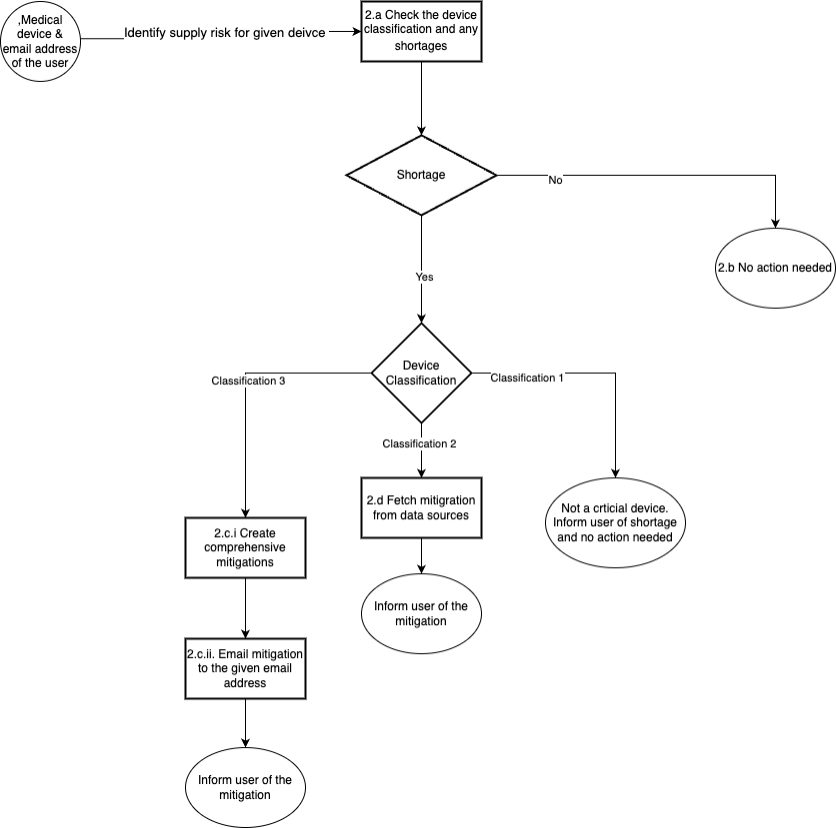
Amazon Bedrock utilizes generative AI to create intelligent supply chain solutions, mitigating risks and improving agility. Its visual workflow builder connects data sources and AWS services for end-to-end solutions, ensuring resilience in the face of disruptions.

OpenAI's Sam Altman faces allegations of unauthorized use of chatbot models by a Chinese hedge fund, causing market chaos. OpenAI responds with a statement promising to protect their technology aggressively.
Chinese AI company DeepSeek's new chatbot rivals OpenAI's ChatGPT with superior performance and efficiency, causing a stir in US tech stocks. The Guardian explores DeepSeek's breakthrough, addressing security, censorship, and the impact on the US AI industry.

Retrieval-augmented generation (RAG) enhances generative AI with specific data sources, improving accuracy and trustworthiness. RAG helps models provide authoritative answers, clear ambiguity, and prevent incorrect responses, revolutionizing user trust.
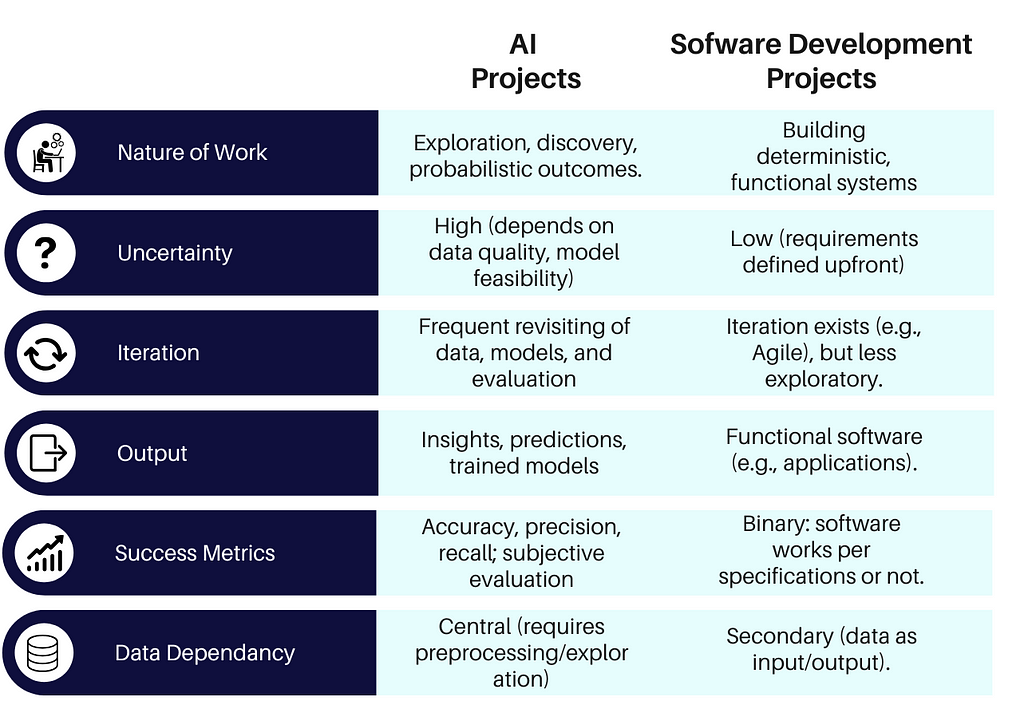
AI projects differ from traditional software development in their iterative approach, emphasizing discovery and adaptation. The AI development lifecycle includes problem definition, data preparation, model development, evaluation, deployment, and monitoring.