

Google unveils new Pixel phones, foldable phone, smartwatches, and earbuds with Gemini Live AI for seamless conversations. The tech giant aims to showcase the superiority of its integrated AI and devices over competitors like Apple and Samsung.

Deep-Live-Cam software goes viral for swapping faces in real-time webcam videos, showcasing the rapid advancement of technology. Open source project allows users to imitate public figures like Elon Musk, raising concerns about remote deception.
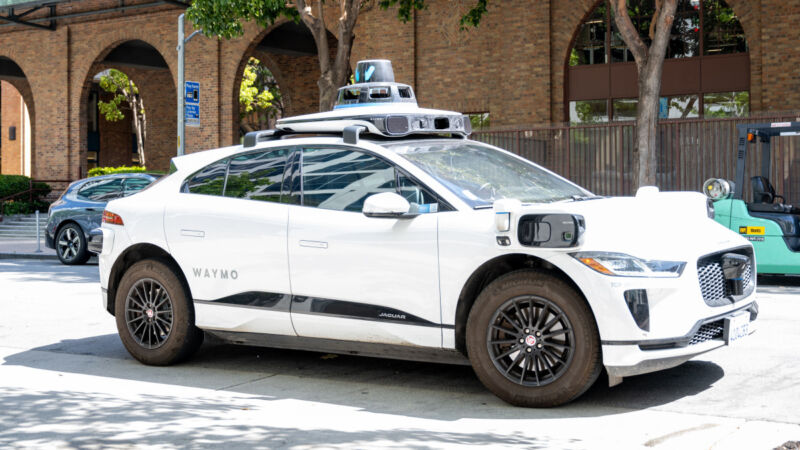
Waymo self-driving cars disrupt San Francisco's sleep schedule by honking at each other in a parking lot at 4 am, leaving residents sleep-deprived. The automatic interactions of the empty cars have baffled neighbors and sparked frustration in the South of Market area.

Learn how to run the Qwen2 7B parameter LLM model on a single 24GB GPU using HuggingFace Transformers library. Discover techniques like reducing precision to run models efficiently without high-end GPUs.

Brian Reffin Smith uses ChatGPT to ask AI to write a dirty letter to the Guardian, resulting in a gender-neutral, lackluster response.
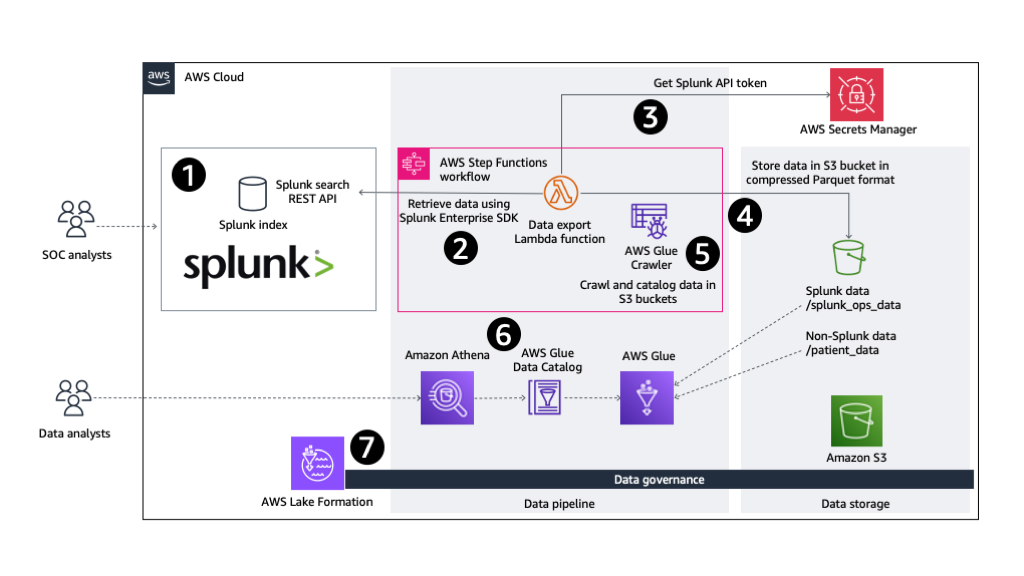
Organizations are turning to AI and ML technologies like AWS SageMaker to enhance operations and deliver innovative products. Splunk and AWS Partner solutions offer a unified platform for harnessing diverse data sources to drive actionable insights.

Alicia Vikander stars as Catherine Parr in a modern take on Tudor history, revealing the grim reality of life with Henry VIII. Firebrand sheds light on Parr's overlooked historical significance and portrays Henry VIII as a domestic abuser with violent mood swings.

Learn how to build ML pipelines using mlflow.pyfunc for seamless model migration between algorithms and frameworks. Simplify model deployment and redeployment with a versatile, algorithm-agnostic approach.
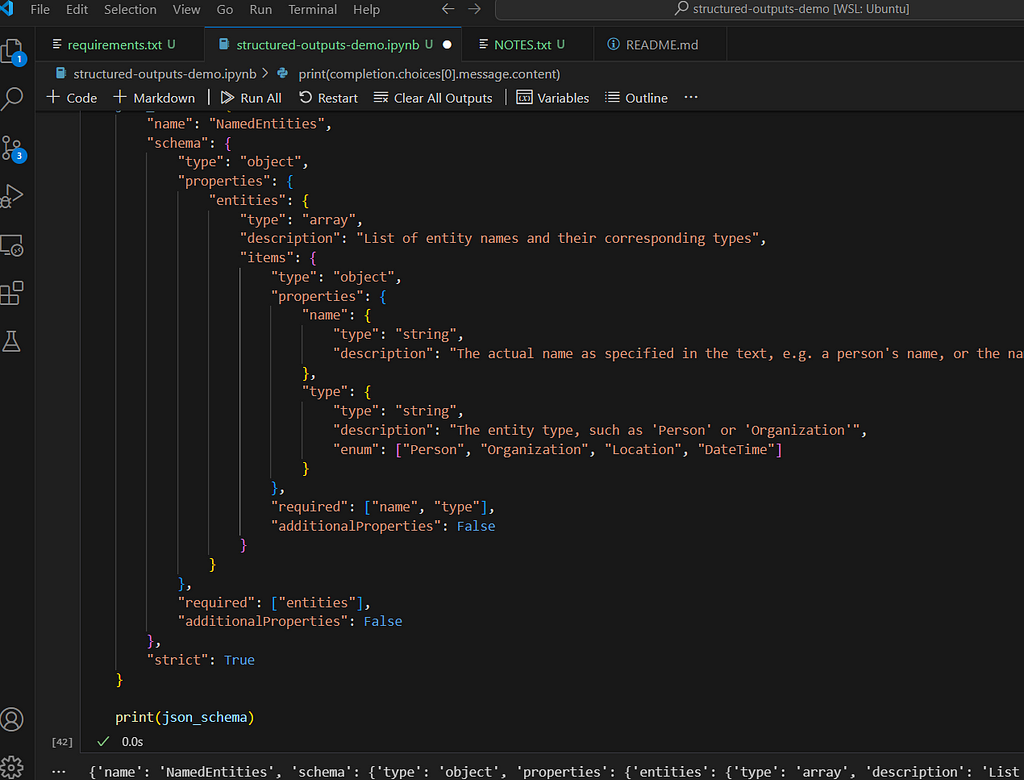
OpenAI introduces Structured Outputs in gpt-4o-2024–08–06 models, enhancing LLM applications with deterministic schemas. Outlines package offers flexibility for applying structured JSON generation in Mistral, LLaMA, and OpenAI APIs.

SHAP values allocate feature contributions in ML models. KernelSHAP approximations can be misleading due to correlated predictors.
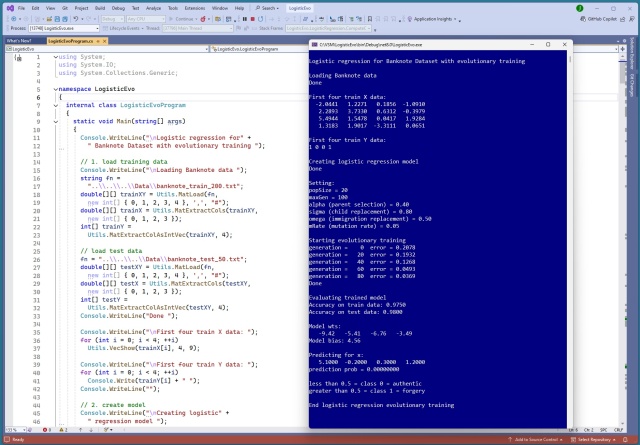
Implementing logistic regression with evolutionary optimization on the Banknote Authentication Dataset resulted in impressive accuracy rates of 97.5% on train data and 98% on test data. The experiment showcased the power of evolutionary optimization in finding the best solutions for classification tasks, with key hyperparameters to consider.
OpenAI's ChatGPT's new GPT-4o AI model has safeguards against unintentional voice imitation, reflecting the complexity of safely using AI chatbots. The system card details rare occurrences where Advanced Voice Mode imitated users' voices without permission during testing.
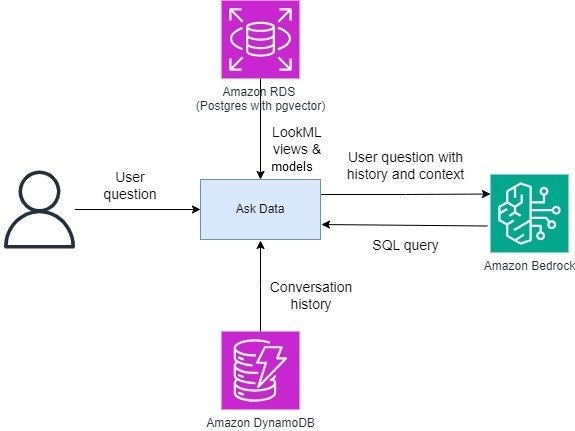
Twilio partners with AWS to develop a virtual assistant for data analysts, using Amazon Bedrock and RAG for natural language-driven data exploration. Twilio's AskData tool saves time by converting user questions into SQL queries, enhancing efficiency and ease of use for data analysts.
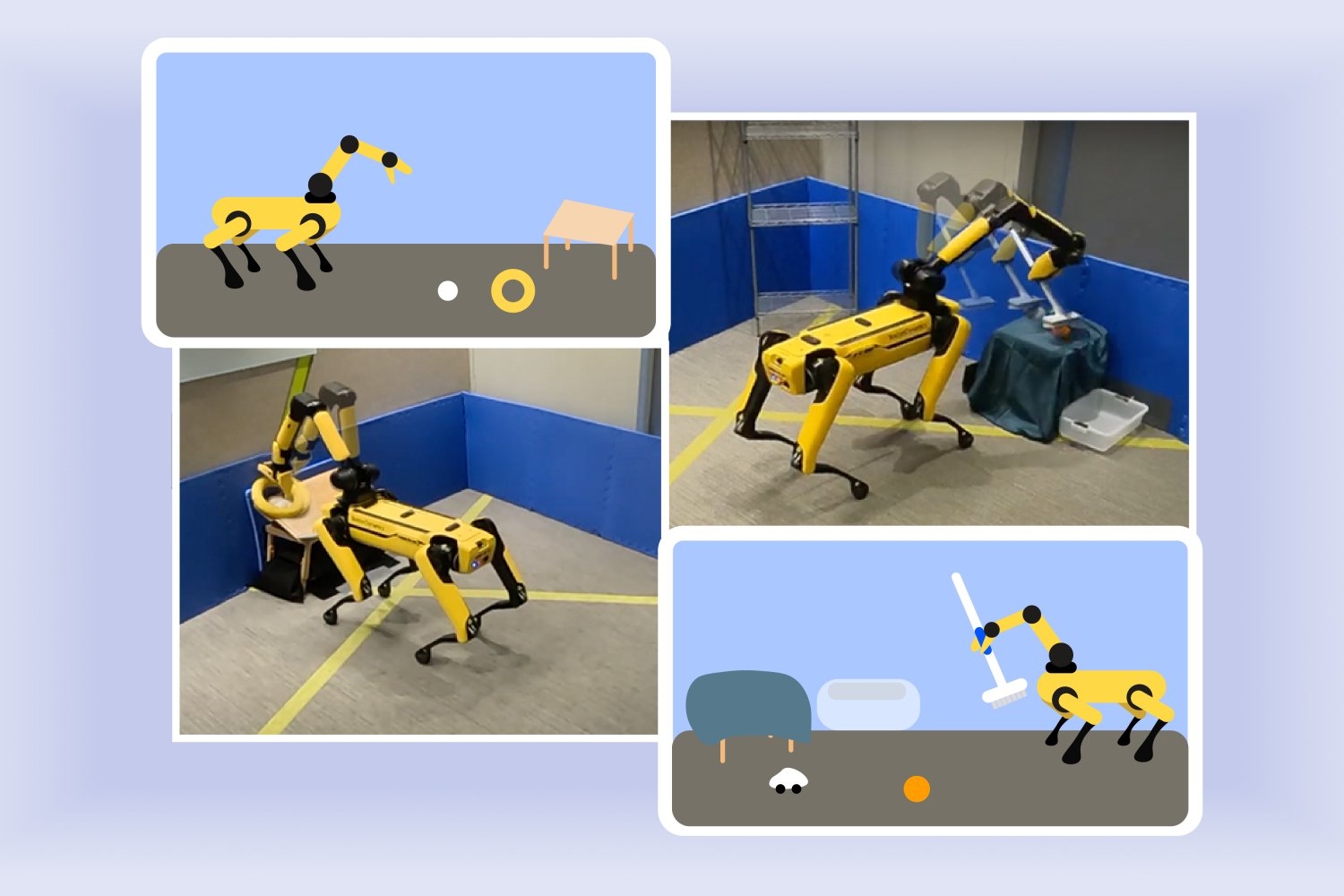
MIT researchers have developed the EES algorithm, allowing robots to practice and improve skills independently. Tested on Boston Dynamics' Spot robot, EES showed rapid progress in tasks like manipulation and sweeping.
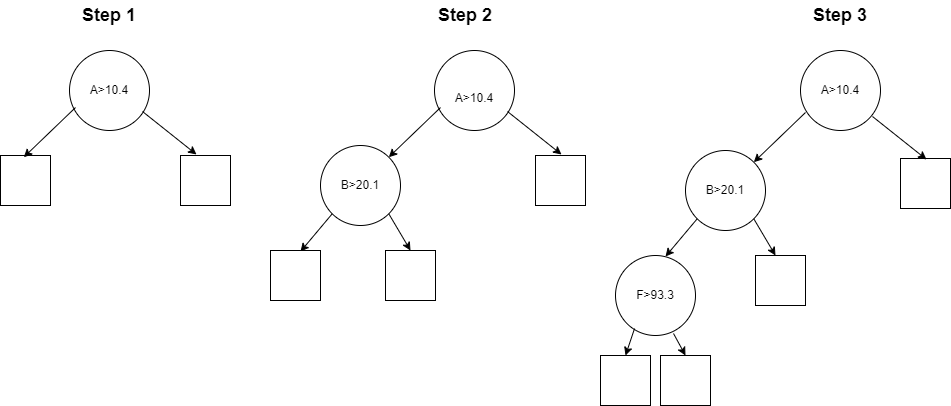
Decision trees can be more accurate and interpretable with a new technique, enhancing their performance. Interpretable AI research focuses on making decision trees more effective and accurate at smaller sizes.