

Apple's revenue rises 4.9% to $85.78bn despite falling iPhone sales, offset by new AI features. Earnings beat predictions, with key China market still in decline.

Argentina's President Javier Milei establishes AI security unit to predict crimes using machine-learning algorithms and facial recognition software, sparking concerns over citizens' rights. The unit will analyze historical crime data, patrol social media, and monitor security camera footage for suspicious activities.

Israeli NGO Madrasa teaches Arabic to Hebrew speakers with unique multilingual data. Volunteers analyze diverse student responses for insights.
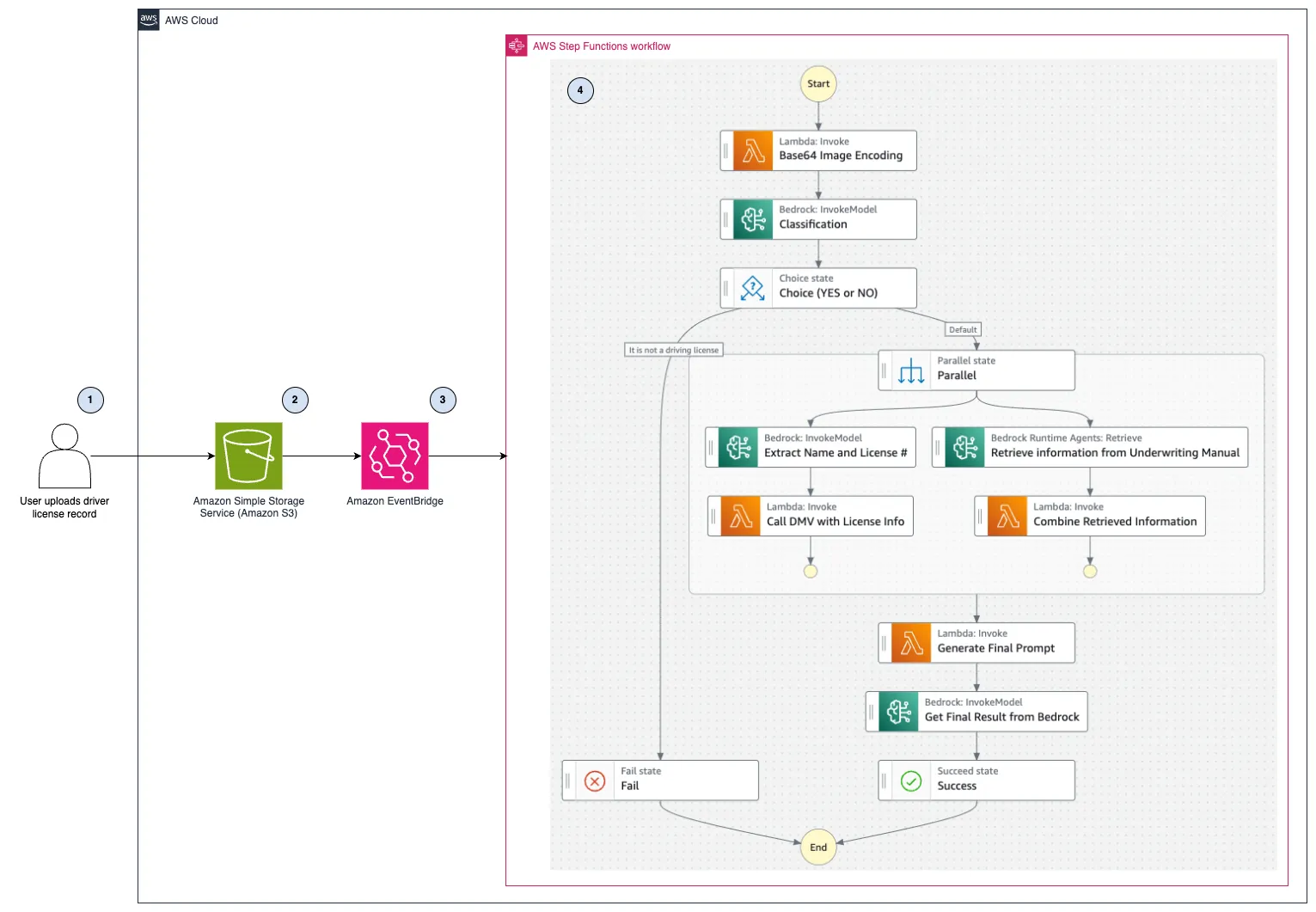
Underwriters play a crucial role in the insurance industry, using AI solutions like Amazon Bedrock to enhance the underwriting process. Challenges in document understanding include rule validation, adherence to guidelines, and decision justification, impacting insurer profitability and risk management.
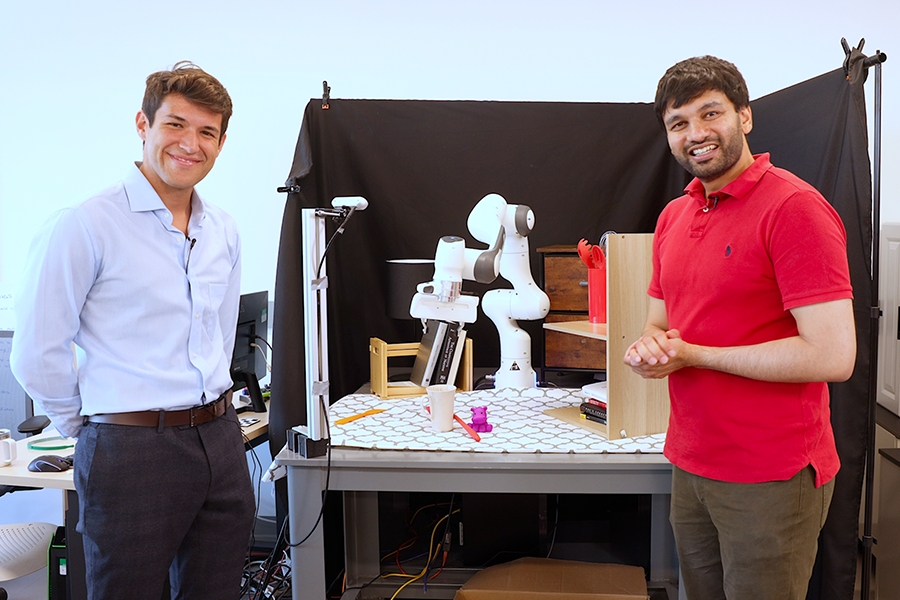
MIT CSAIL researchers developed RialTo, a system that creates digital twins for training robots in specific environments faster and more effectively. RialTo improved robot performance by 67% in various tasks, handling disturbances and distractions with ease.
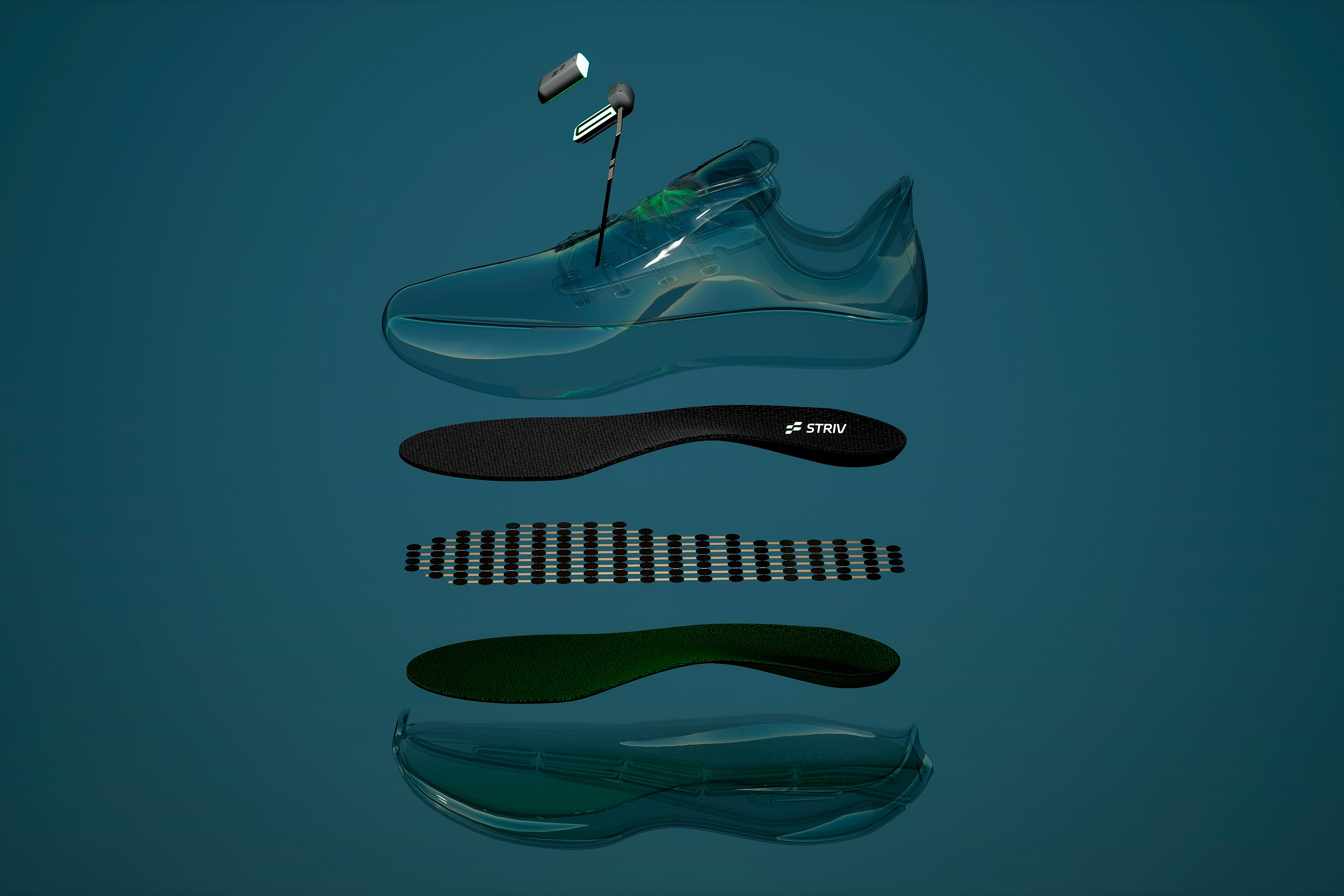
MIT startup Striv developed tactile sensing technology for shoe inserts, used by elite athletes like USA marathoner Clayton Young and Jamaican Olympian Damar Forbes. Founder Axl Chen aims to bring this tech to the public after Paris 2024 Olympics, following success in VR gaming and interest from various industries.
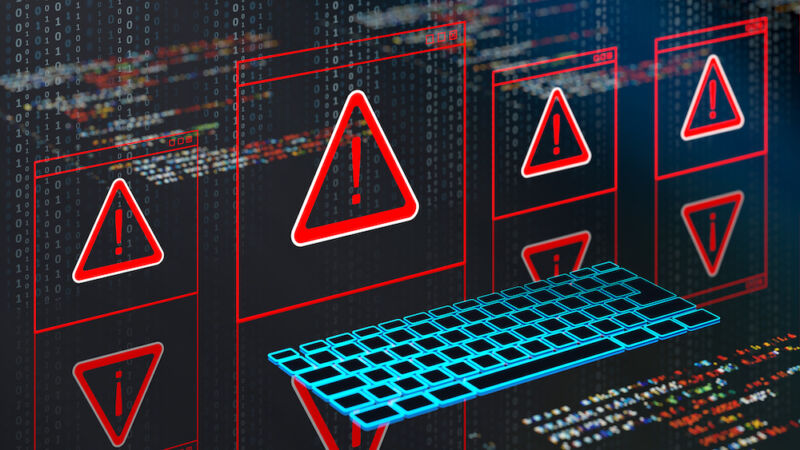
Cloudflare's role in protecting websites from DDoS attacks sparks debate on free speech vs. enabling abuse. Spamhaus criticizes Cloudflare for serving sites with unresolved abuse complaints, raising questions on neutrality.
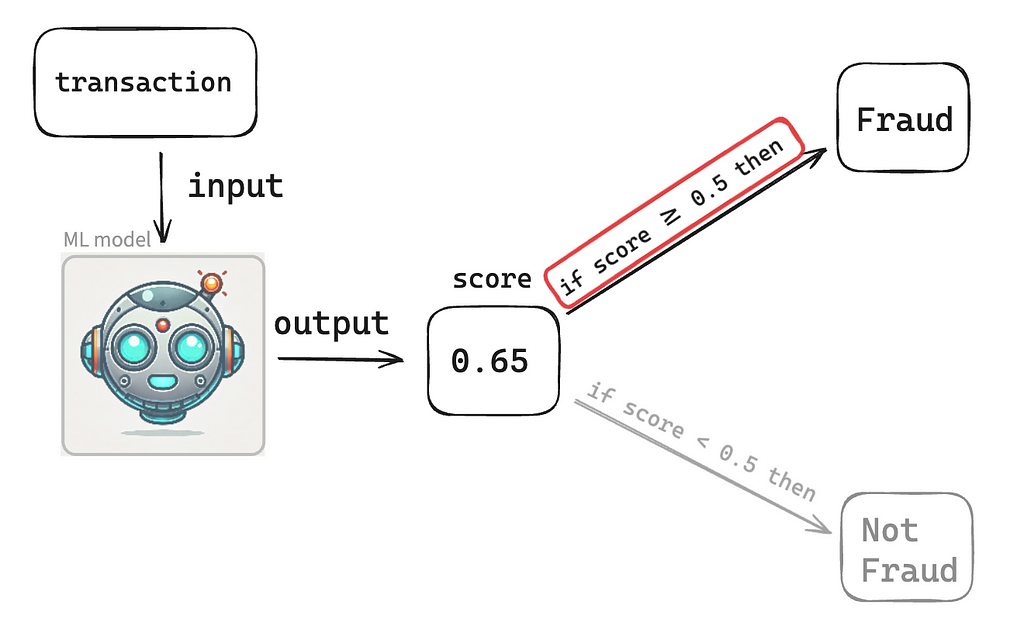
Machine learning model predictions in credit card fraud detection evaluated using confusion matrix and metrics. Understanding true positives, false positives, false negatives, and true negatives crucial for model performance assessment.

Summary: Learn how to optimize hardware for faster GPT-2 training on NVIDIA GPUs, with insights on timing code and setting batch sizes for maximum efficiency. Achieve significant speed gains (up to 10x) using an Ampere-series Nvidia GPU.
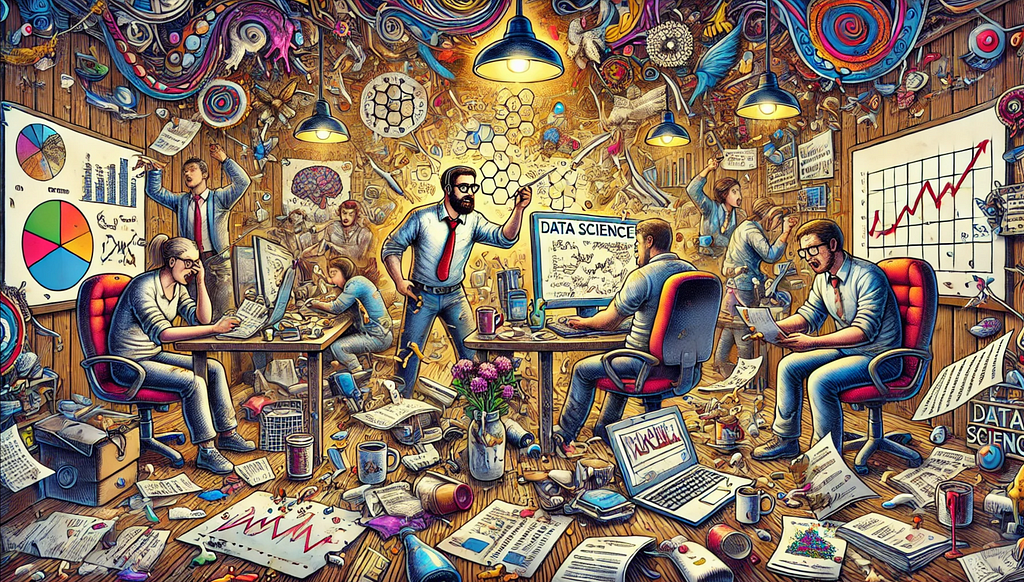
Data Science Consulting: Overcoming challenges in collaborative environments. Strategies for successful project delivery. Addressing misunderstandings, lack of insight, and low productivity.

LLMs show promise in evaluating SQL generation, with F1 scores of 0.70-0.76 using GPT-4 Turbo. Including schema info reduces false positives.

AI is now writing cookbooks like Teresa J Blair's, with catchy titles and mouthwatering recipes. In just over a week, Teresa published four books, raising the question: Can AI truly replicate human chefs?

Researchers from MIT and the MIT-IBM Watson AI Lab have developed Thermometer, a calibration method tailored to large language models, ensuring accurate and reliable responses across diverse tasks. Thermometer involves building a smaller model on top of the LLM, preserving accuracy while reducing computational costs, ultimately providing users with clear signals to determine a model's reliability.
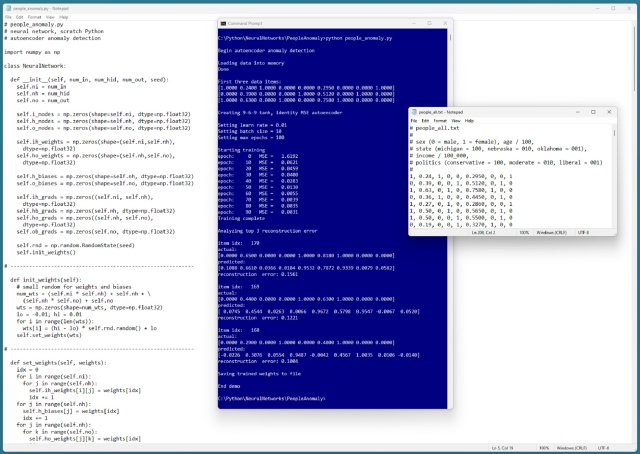
Implementing a neural network autoencoder for anomaly detection involves normalizing and encoding data to predict input accurately. The process includes creating a network with specific input, output, and hidden nodes, essential for avoiding overfitting or underfitting.
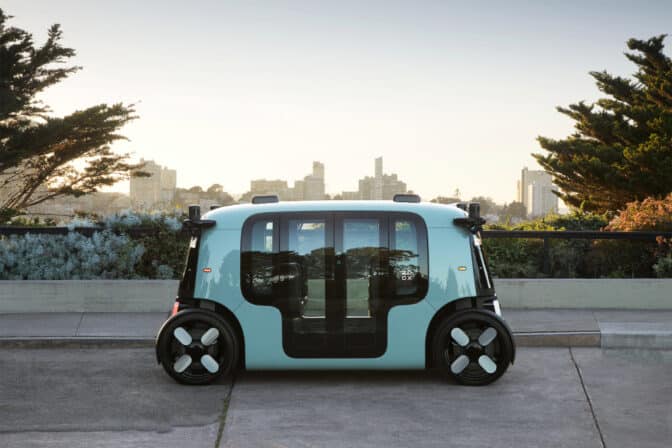
NVIDIA and Zoox CEOs discuss AV innovation and collaboration, highlighting Zoox's unique robotaxi design and use of NVIDIA technology for autonomous capabilities. Zoox's simulation-driven approach, powered by NVIDIA GPUs, accelerates AV development and enhances safety and performance of its robotaxis.