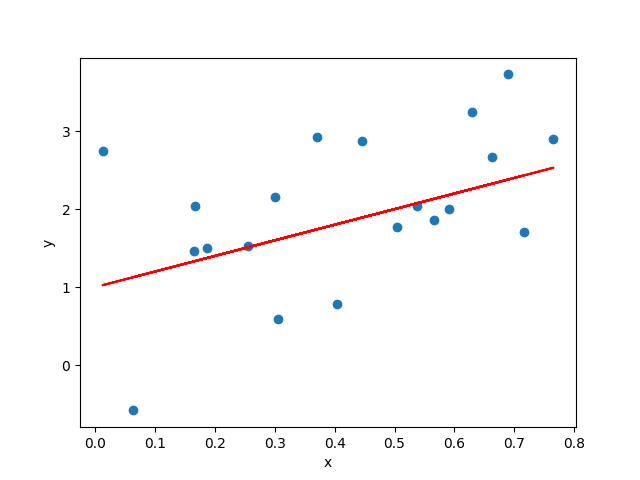
Linear Regression is a crucial model for understanding more complex ones, like Large Language Models. Learn how to implement Linear Regression using the Boston Housing dataset in Python step by step.
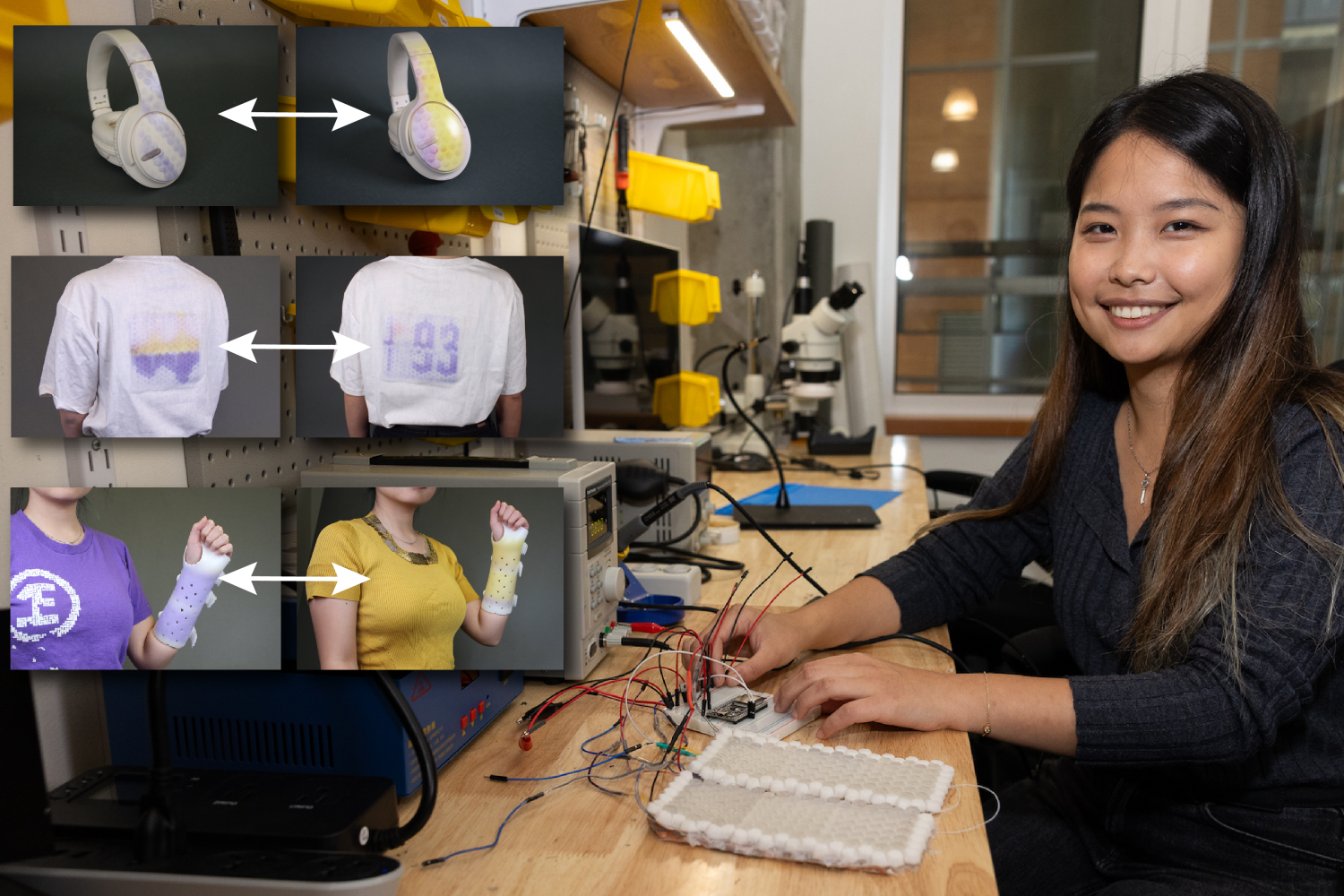
Researchers from MIT, UC Berkeley, and Aarhus University develop "PortaChrome," a portable light system that can change the color and texture of everyday objects, allowing users to display health stats, entertainment, and fashion designs with reprogrammable surfaces. This innovation uses UV and RGB LEDs to quickly alter objects' colors, making it more convenient and environmentally friendly tha...
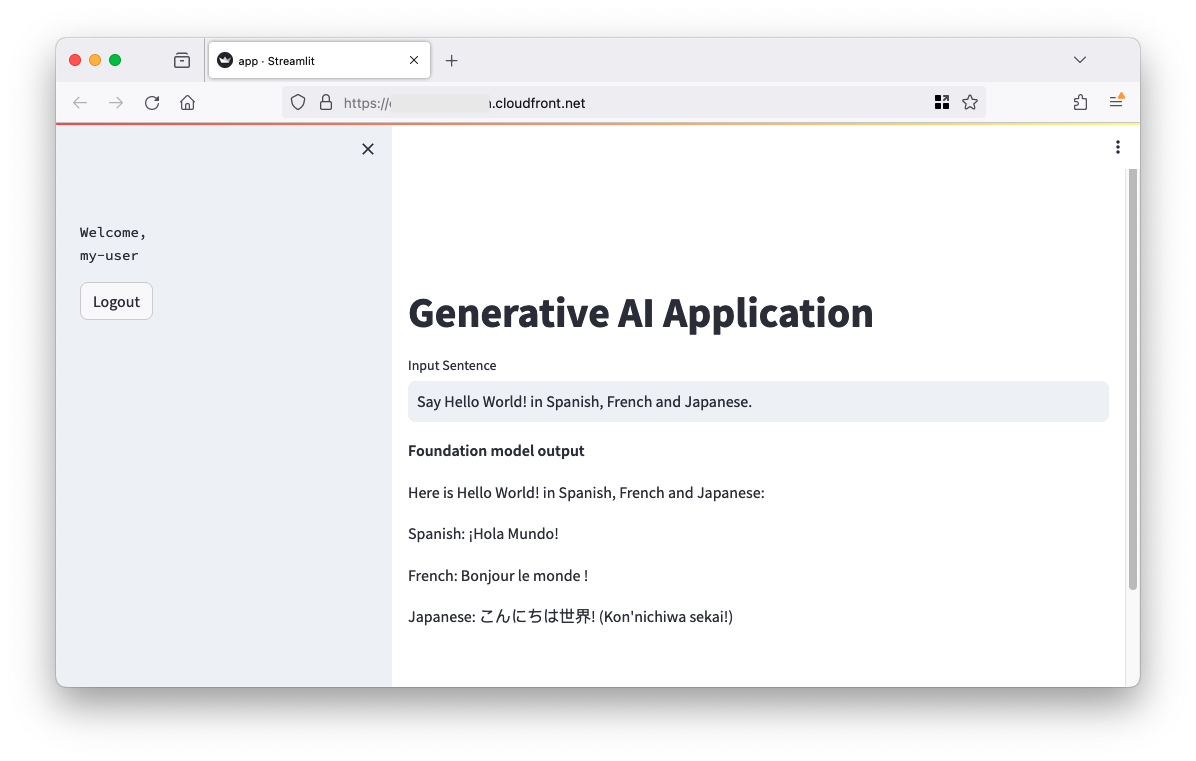
Generative AI offers new possibilities, but data scientists struggle with UI development. AWS simplifies generative AI app creation with Streamlit and key services like Amazon ECS and Cognito.
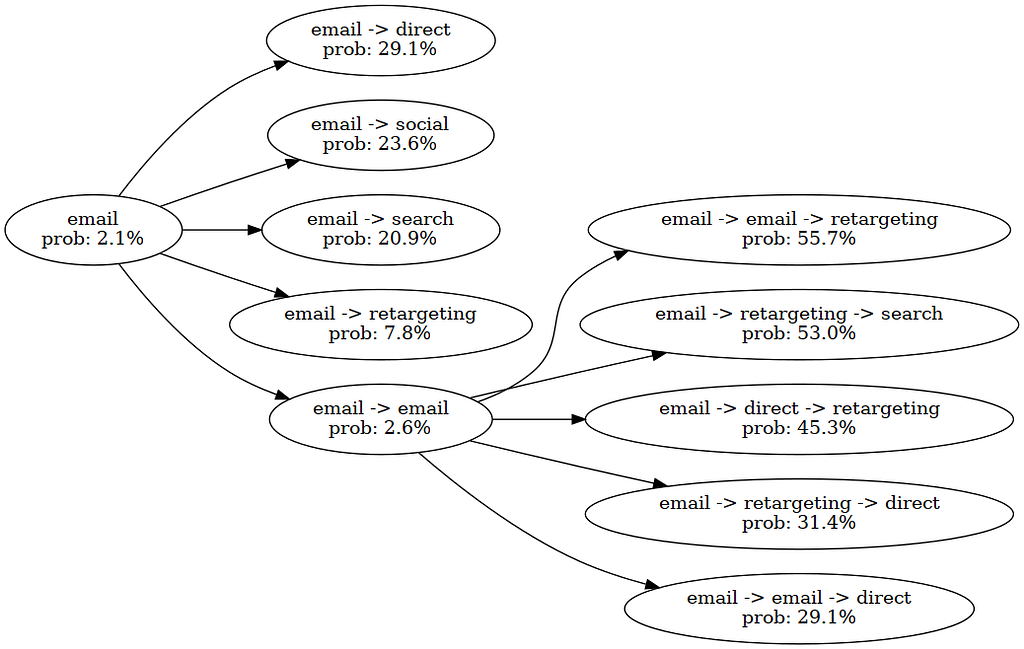
ML models can design optimal customer journeys by combining deep learning with optimization techniques. Traditional attribution models fall short due to position-agnostic attribution, context blindness, and static channel values.
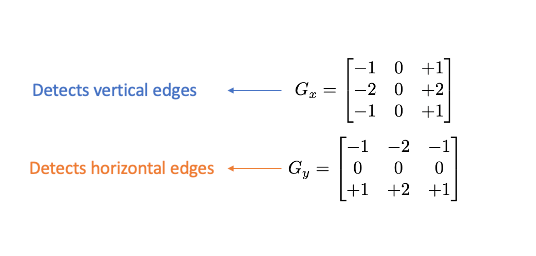
Histogram of Oriented Gradients (HOG) is a key feature extraction algorithm for object detection and recognition tasks, utilizing gradient magnitude and orientation to create meaningful histograms. The HOG algorithm involves calculating gradient images, creating histograms of gradients, and normalizing to reduce lighting variations.

AI enthusiasts are integrating large language models into productivity workflows using applications like Obsidian and plug-ins like Text Generator and Smart Connections. By connecting Obsidian to LM Studio, users can generate notes with a 27B-parameter LLM accelerated by RTX for optimized web browsing and complex project management.
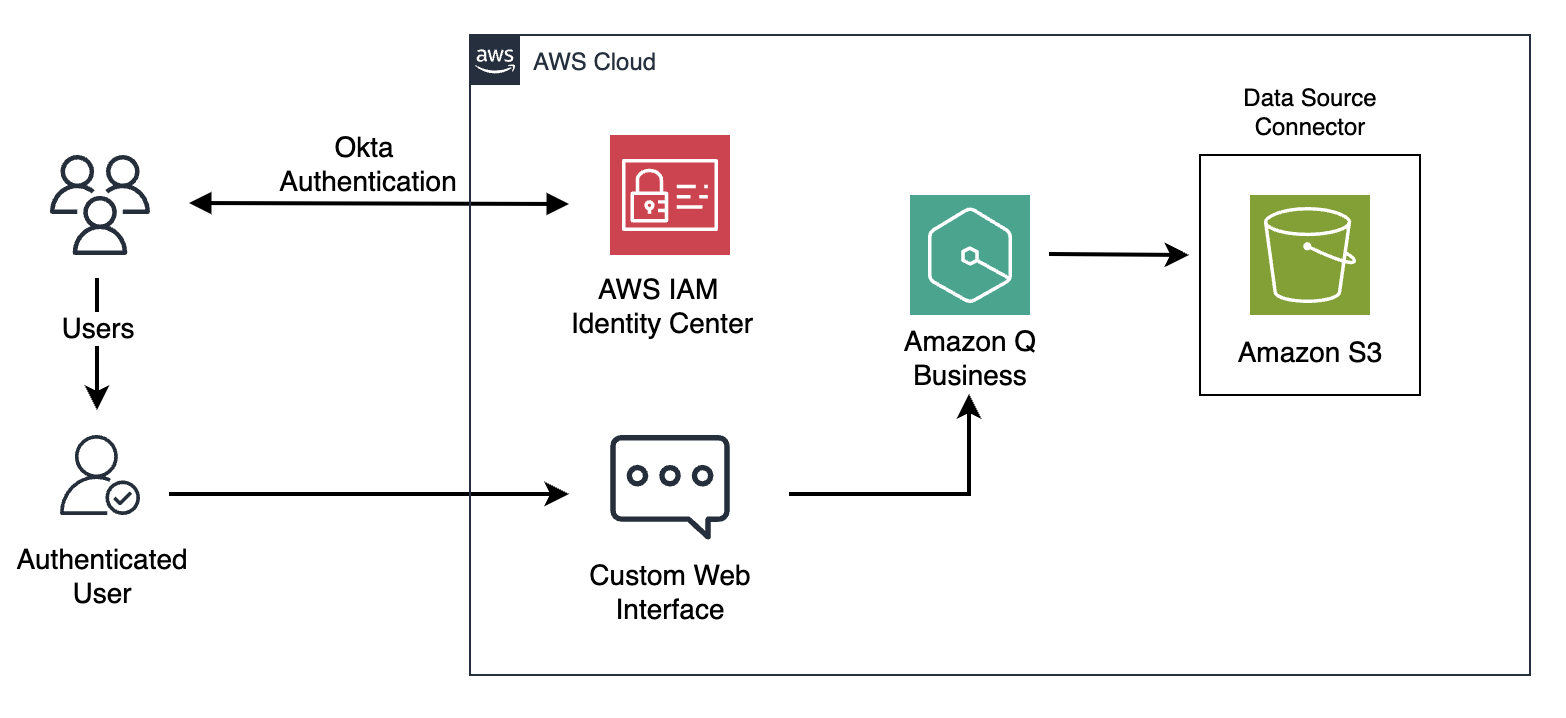
Hearst overcame CCoE challenges with a self-service generative AI assistant for cloud governance. Amazon Q Business scaled best practices, freeing up CCoE for high-value tasks.
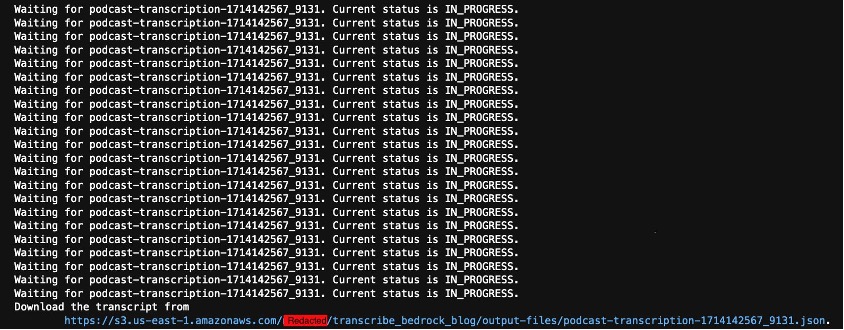
Generative AI is transforming audio and video analysis, extracting insights and emotions from speech data. Large language models (LLMs) enable advanced sentiment analysis, persona inference, and content generation from conversations, revolutionizing business value through speech analytics.

AI-generated videos are both hilarious and concerning, with the potential to replace 200,000 entertainment jobs. Despite opposition, artists are exploring the digital miracles of Generative AI with optimism.

Study finds popular generative AI models like GPT-4 can give accurate driving directions in NYC without a true internal map. Researchers develop new metrics to test whether large language models truly understand the world.

Government launches GPT-4o chatbot to assist with regulations on Gov.UK website, warns of potential 'hallucination' issue. Users can expect varied results as the AI technology undergoes testing by 15,000 businesses before wider release.

Austin is booming with jobs and entertainment, but traffic is a major issue. Rekor uses NVIDIA technology to help Texas manage traffic, reduce incidents, and improve safety.

Meta allows US national security agencies and defense contractors to use its AI model, Llama, despite policy restrictions. Exception made for US, UK, Canada, Australia, and New Zealand.
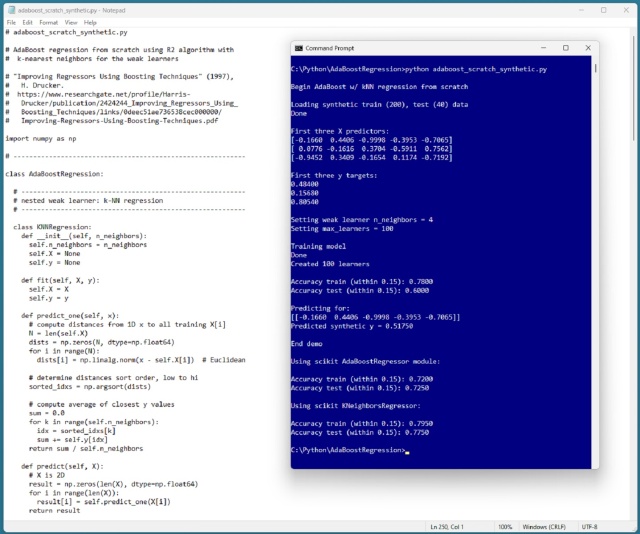
Implementing AdaBoost regression from scratch using k-nearest neighbors instead of decision trees, following the AdaBoost. R2 algorithm. The author delves into the intricacies of the weighted median, contributing a new approach to AdaBoost regression.

Es Devlin wins $100,000 Eugene McDermott Award at MIT for innovative art exploring biodiversity, AI poetry, and more. Devlin's residency includes a public lecture and collaboration with MIT's creative community.