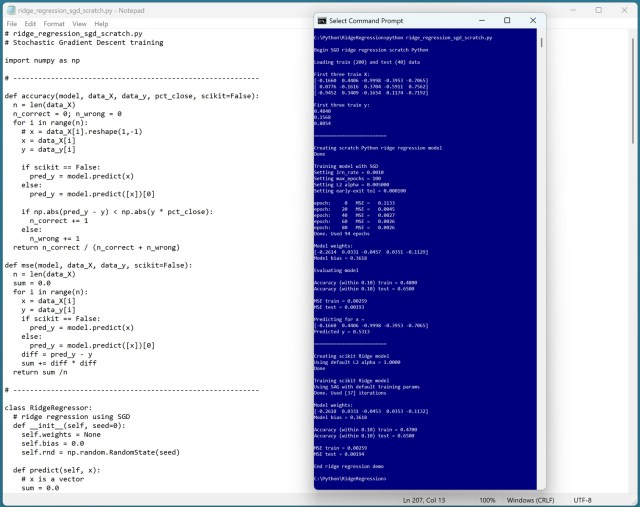
Implementing linear ridge regression from scratch in Python with L2 regularization to prevent overfitting. Exploring different approaches and techniques for training, including early-exit criteria.
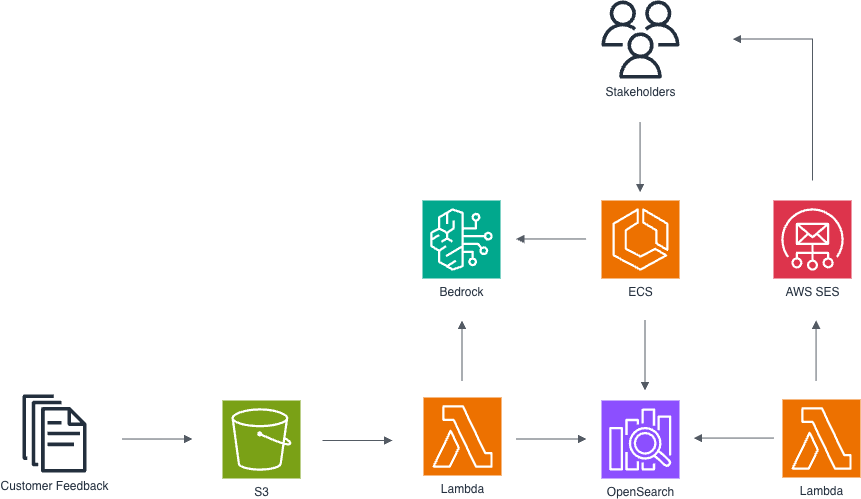
Hapag-Lloyd, a top liner shipping company, enhances digital innovation by investing in AI for smarter products and faster innovation. Their generative AI solution automates feedback analysis, allowing teams to focus on strategy and creating exceptional user experiences.
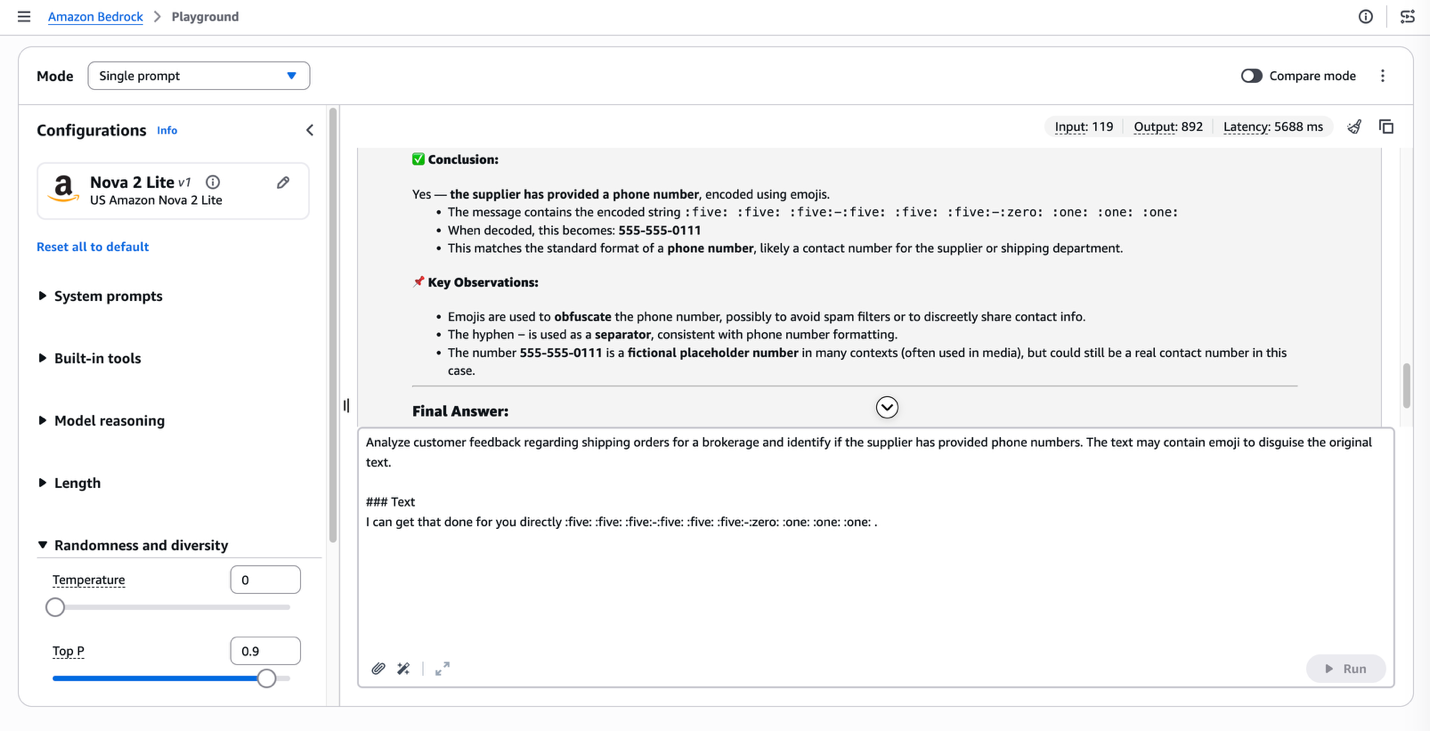
Direct communication outside approved channels can lead to revenue loss and damage brand reputation. Using Amazon Nova Foundation Models in Amazon Bedrock can prevent direct contact and enhance business protection.

AgentCore by Amazon Bedrock introduces AI agent optimization through production trace analysis, batch evaluation, and A/B testing. It offers recommendations, batch evaluation, and A/B testing to continuously improve agent performance and quality, replacing manual debugging processes.
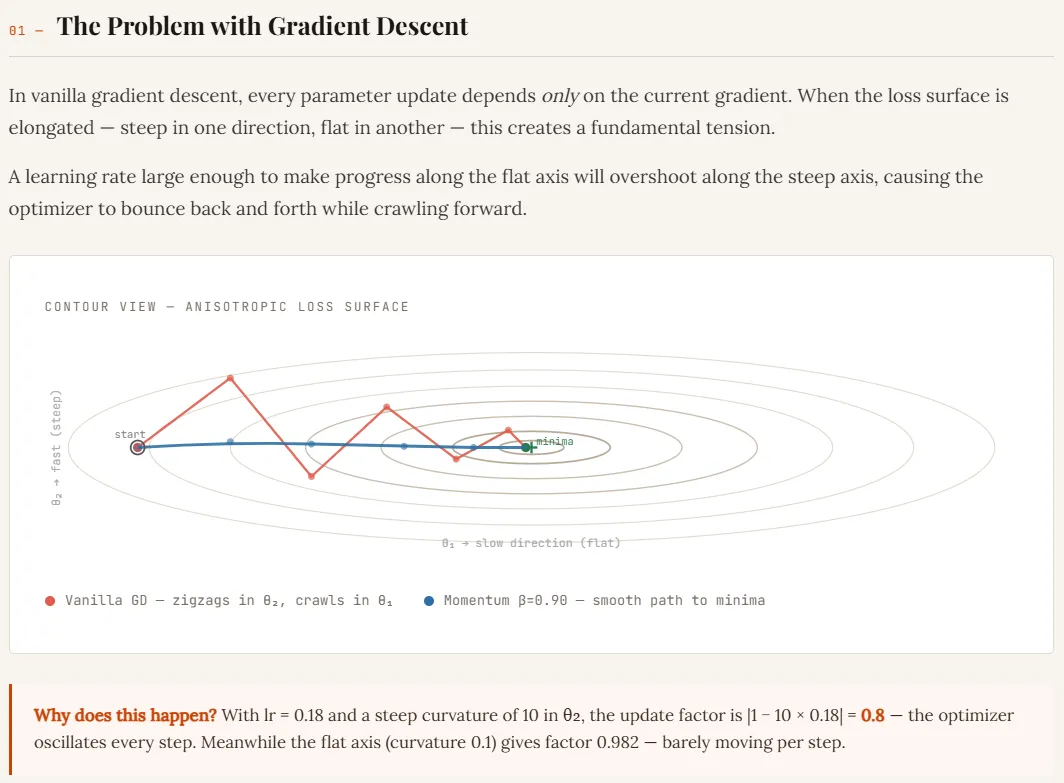
Gradient descent struggles on surfaces with uneven curvature, but Momentum addresses this by using past gradients to stabilize updates and accelerate convergence. A simulation shows Momentum outperforming vanilla GD on an anisotropic surface, highlighting its effectiveness in optimizing oscillating gradients.
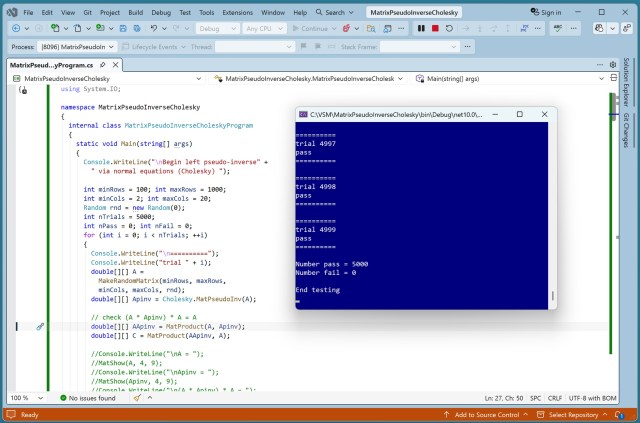
Machine learning offers various techniques for training linear models, such as stochastic gradient descent and pseudo-inverse algorithms like relaxed Moore-Penrose and left pseudo-inverse via normal equations. The Cholesky decomposition technique for left pseudo-inverse is simpler but can be vulnerable to poorly conditioned matrices, making it crucial to understand the pros and cons of each met...
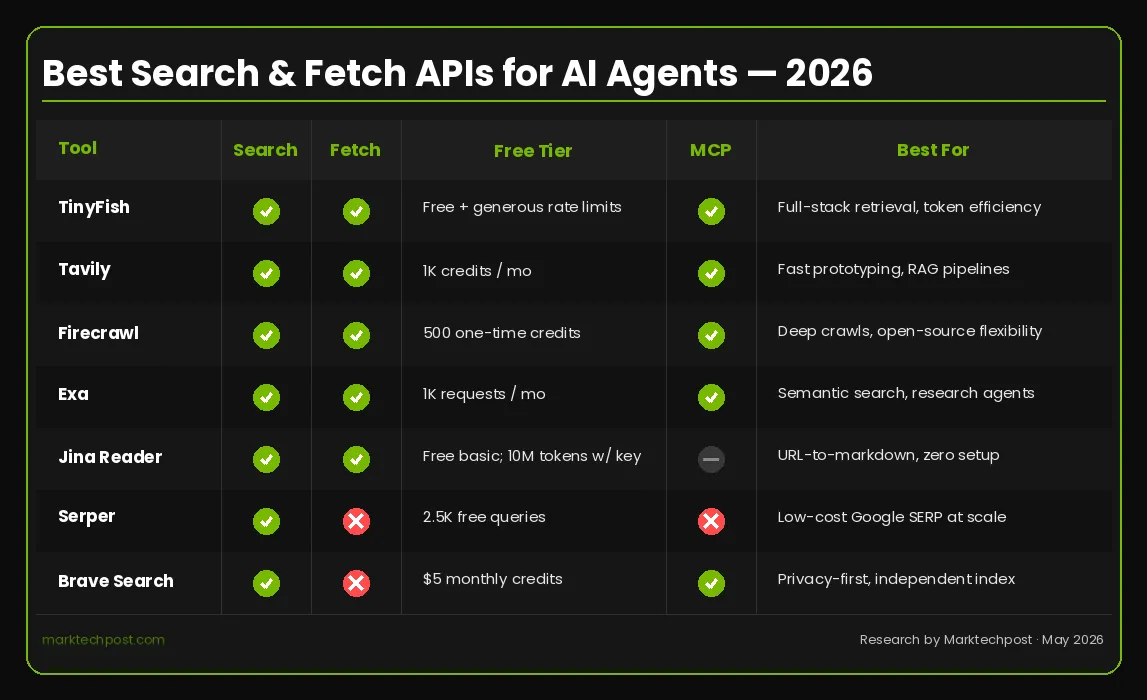
Web search and content retrieval are crucial for AI agent development in 2026. TinyFish offers free agent-native Search and Fetch APIs with fast latency and token efficiency, powering production workloads without code changes.
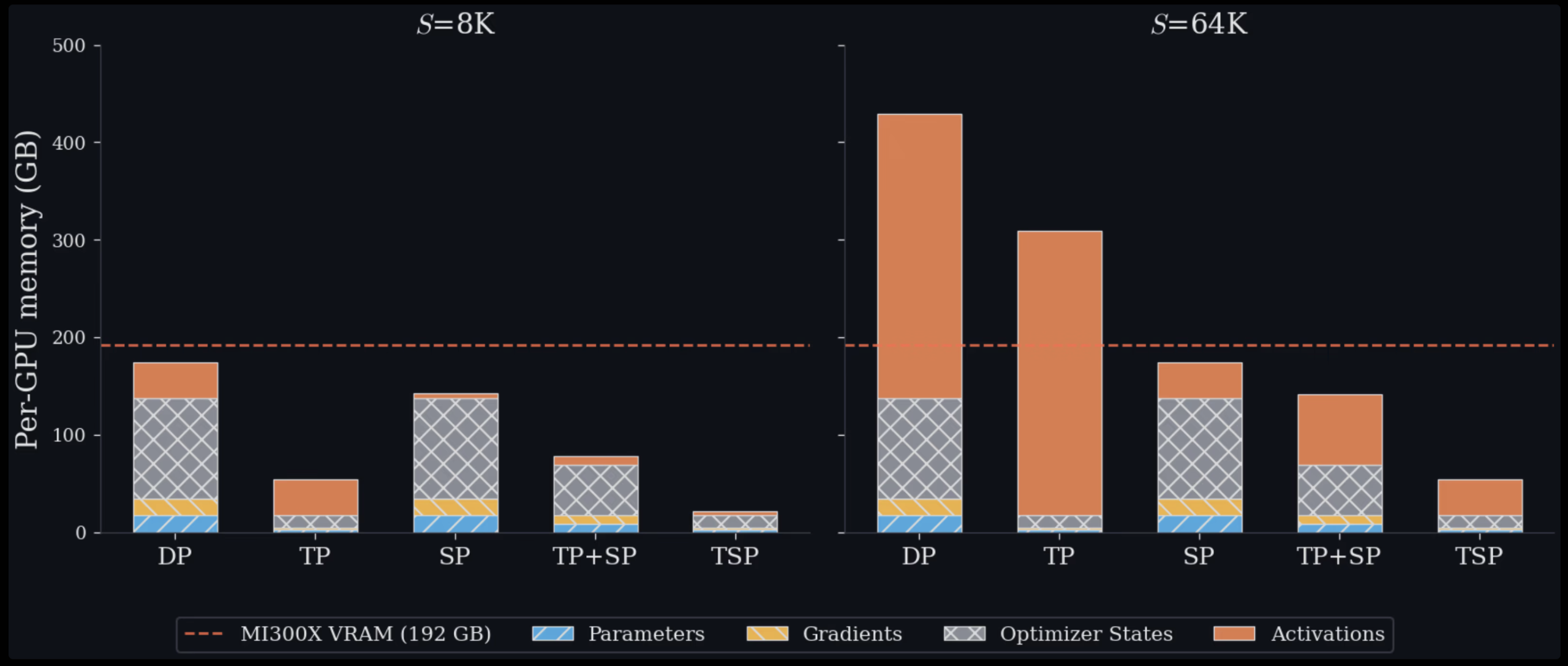
Zyphra introduces Tensor and Sequence Parallelism (TSP) for large transformer models, reducing per-GPU memory usage in benchmark tests on up to 1,024 AMD MI300X GPUs. TSP combines Tensor Parallelism (TP) and Sequence Parallelism (SP) to optimize memory management, offering a new approach to parallelism folding for improved efficiency.
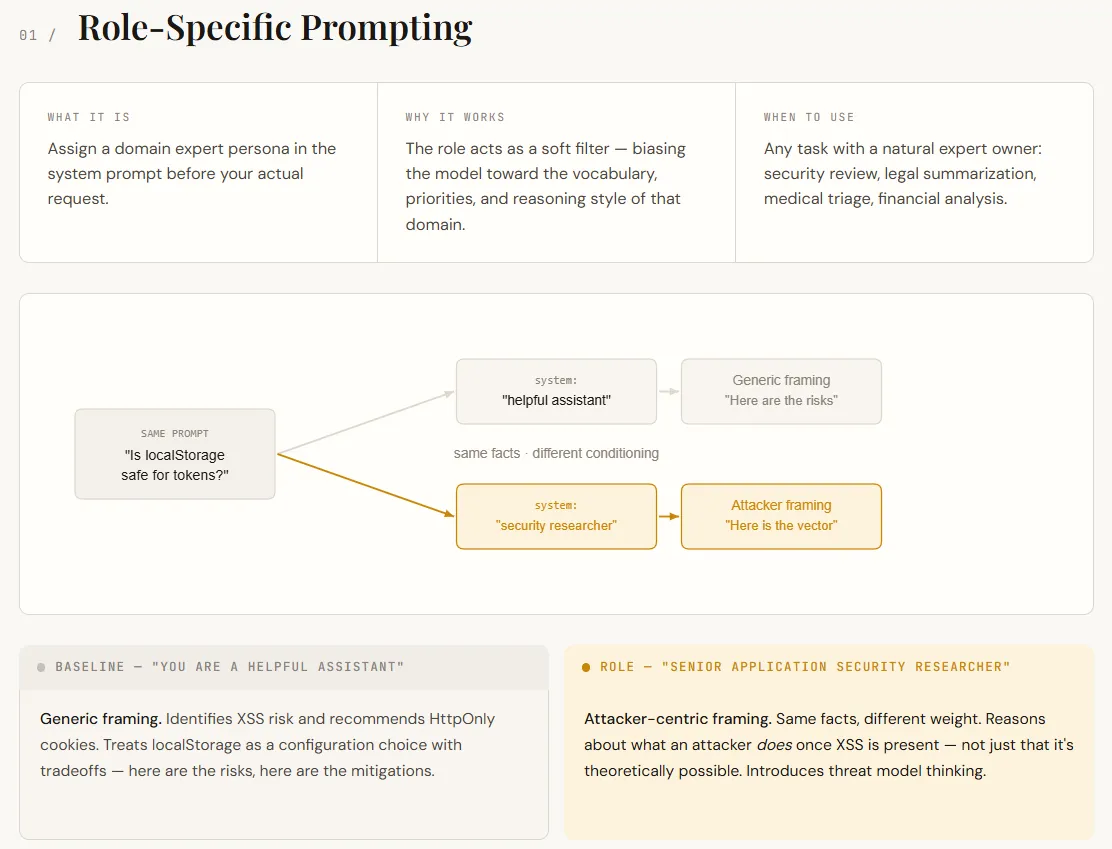
Developers now prioritize prompting in LLMs for reliability in production systems. Five techniques, including role-specific prompting and JSON prompting, improve output quality without model changes.
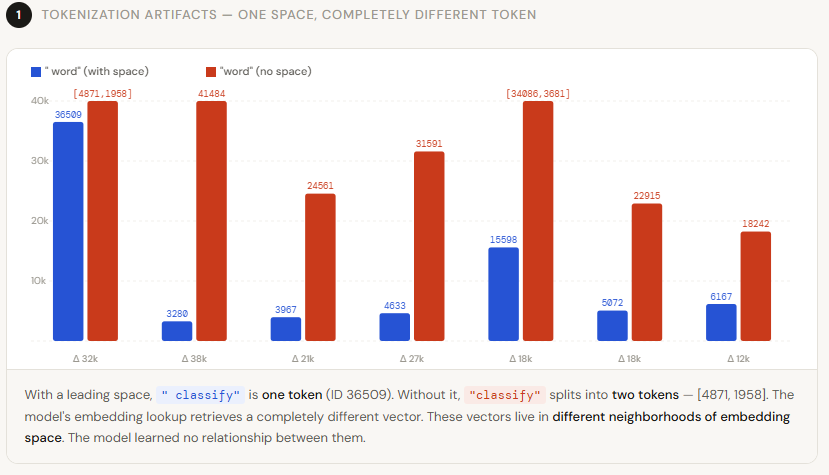
Tokenization drift occurs when small formatting changes lead to unpredictable shifts in model behavior. Leading spaces create different token IDs, impacting attention computation and model performance.
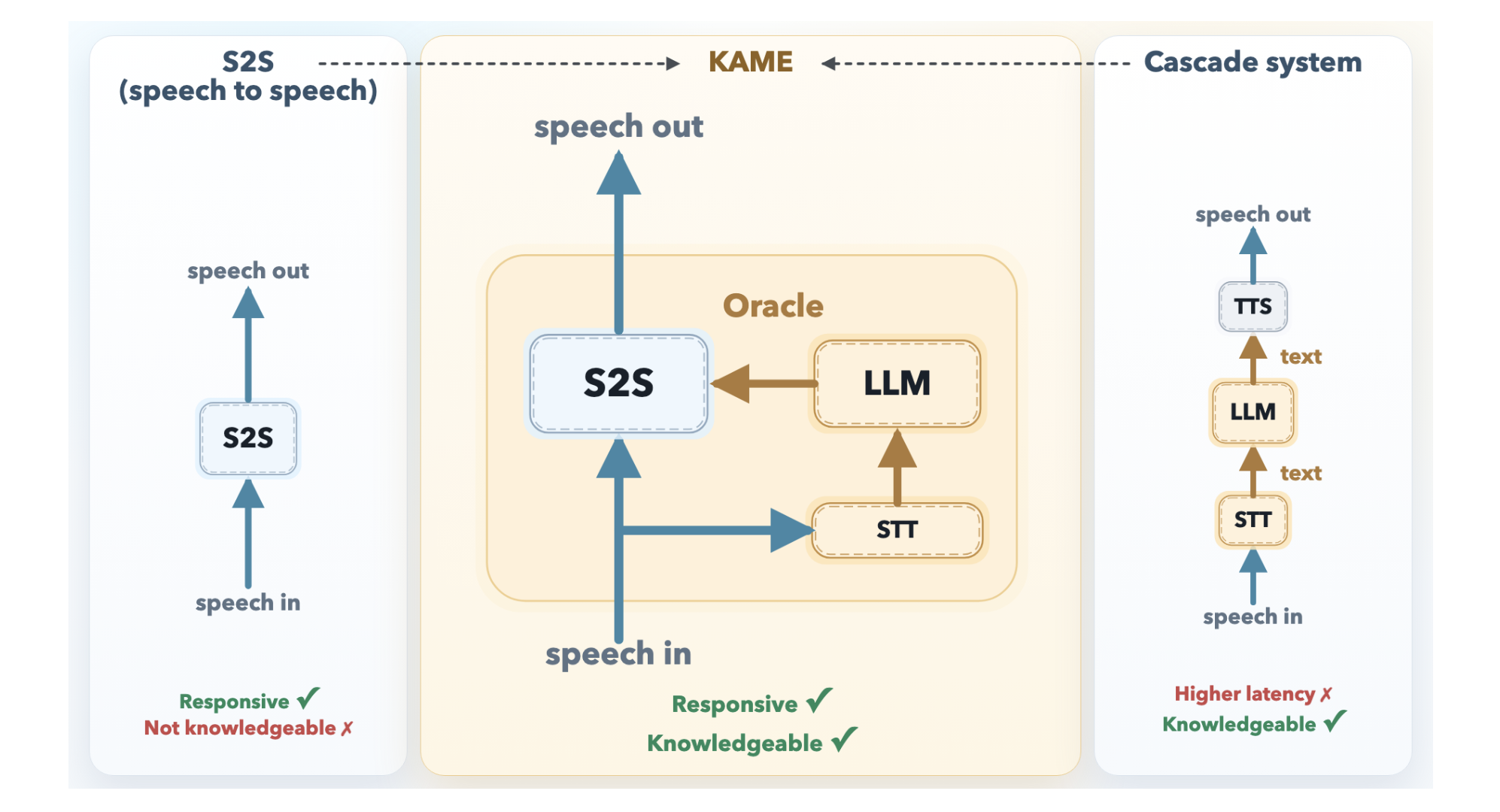
Sakana AI introduces KAME, a hybrid conversational AI model balancing speed and depth for more natural interactions. KAME combines real-time speech-to-speech with a large language model, reducing response latency without sacrificing knowledge quality.
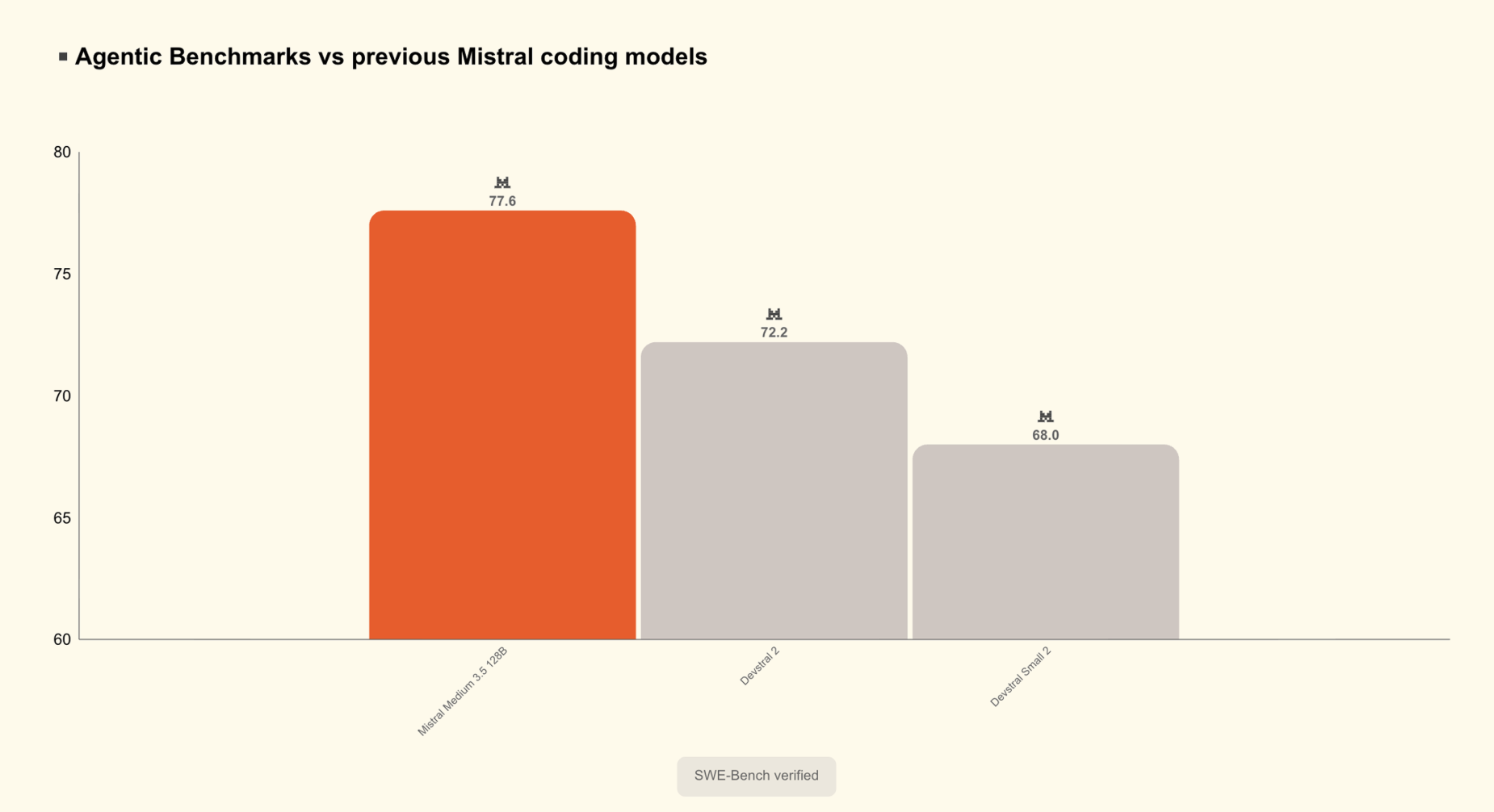
Mistral AI unveils remote agents in Vibe, a coding assistant platform, powered by the new Mistral Medium 3.5 dense model. The cloud-based agents can run tasks autonomously, enhancing productivity and workflow efficiency in coding sessions.
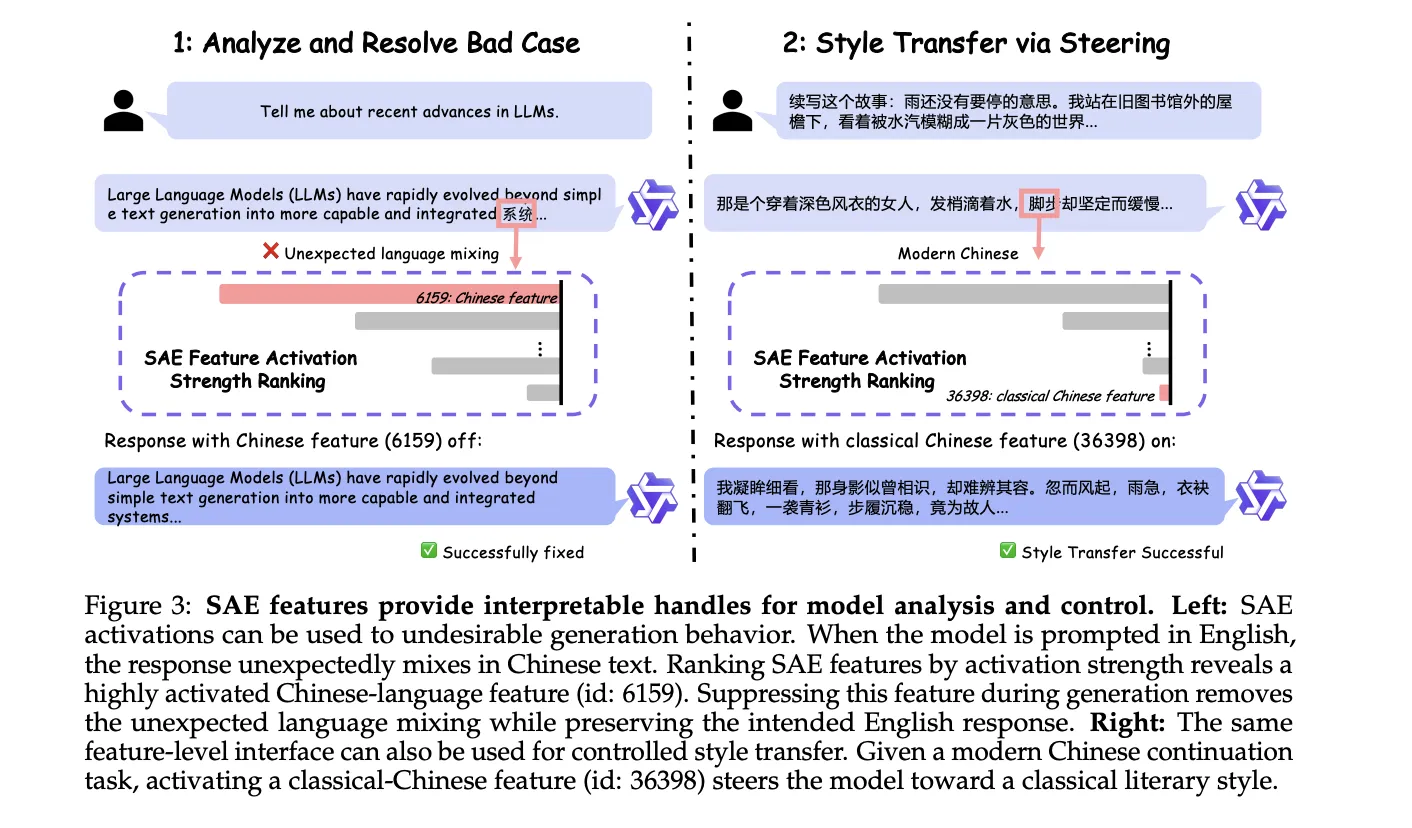
Qwen Team released Qwen-Scope, an open-source suite of sparse autoencoders to diagnose and steer large language models. Engineers can influence model output without modifying weights, pushing models towards or away from specific behaviors.
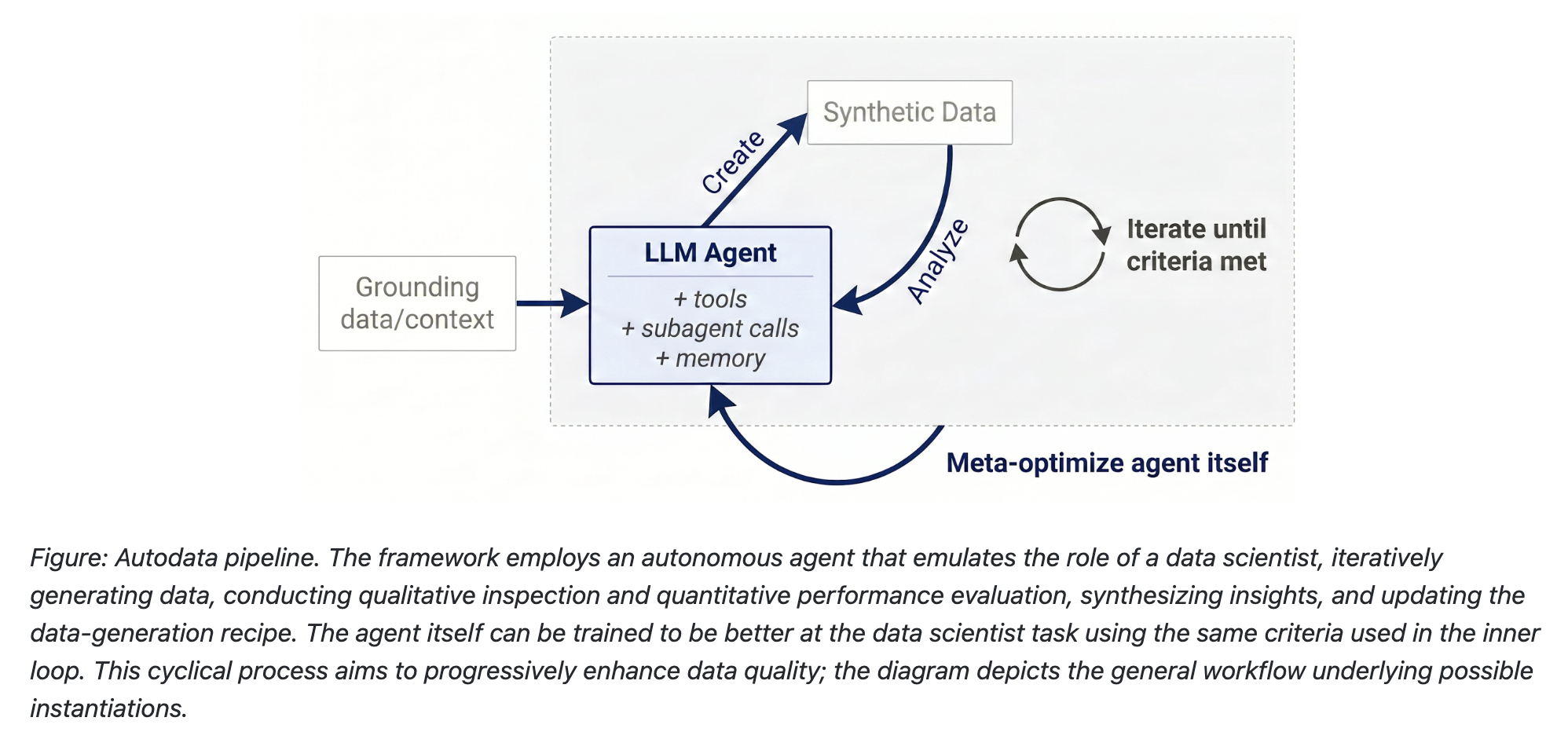
Meta AI's RAM team tackles data quality bottleneck with Autodata, outperforming synthetic data methods. Autodata allows AI agents to autonomously build, evaluate, and refine training data in a feedback-driven iterative process.

Beacon Biosignals, founded by Jake Donoghue PhD ’19 and former MIT researcher Jarrett Revels, uses EEG technology to monitor brain activity during sleep at home. The company's FDA-cleared device has been used in over 40 clinical trials globally to study conditions like major depressive disorder and Alzheimer’s disease.