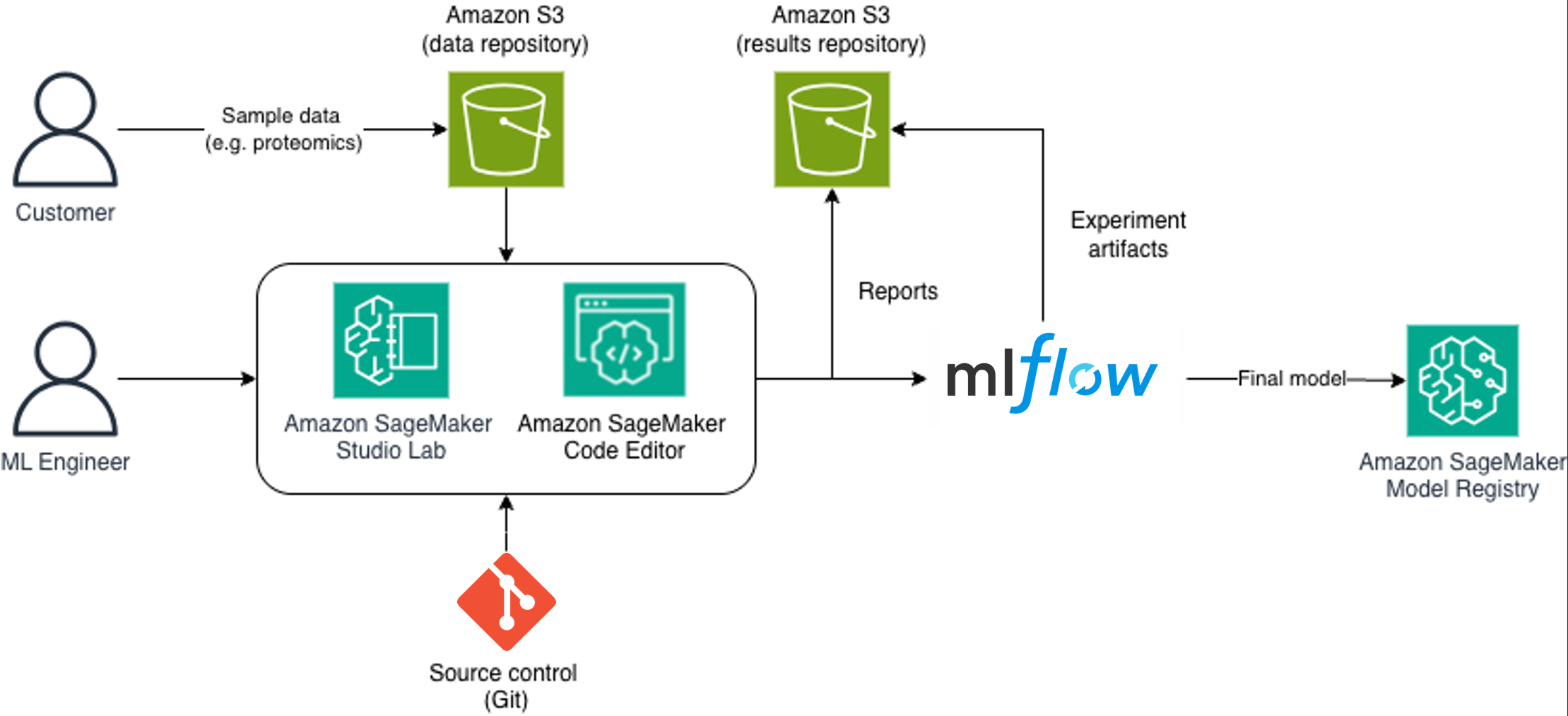
Researchers in precision medicine face challenges with datasets in early disease detection tests. Sonrai partnered with AWS to build a robust MLOps framework using Amazon SageMaker AI for traceability and reproducibility in regulated environments.

The Guardian reports on the debut of "Fate", the first "agentic AI dating app", where an AI personality interviews users and suggests matches based on data, eliminating swiping. The automation of human emotion in online dating marks a significant shift in technology's influence on personal relationships.
Anthropic reveals Chinese firms extracted info from Claude chatbot using 'distillation' technique, alleging IP theft. OpenAI also made similar accusations last month.

Hexagon, a leader in measurement technologies, collaborates with Amazon to scale AI model production for specialized applications in industries like construction and autonomous vehicles. Specialized AI models by Hexagon improve precision and efficiency, enabling faster creation of accurate 3D models for various geospatial applications.

As artificial intelligence threatens jobs, the crucial question remains: how will we be fed? Despite historical fears, the lack of serious debate on potential job loss is concerning.

Critical labor shortages in industries like construction are being addressed with autonomous systems, like those developed by Bedrock Robotics. By using Vision-Language Models, they streamline data preparation for training AI models, enabling autonomous operations for equipment with centimeter-level precision.
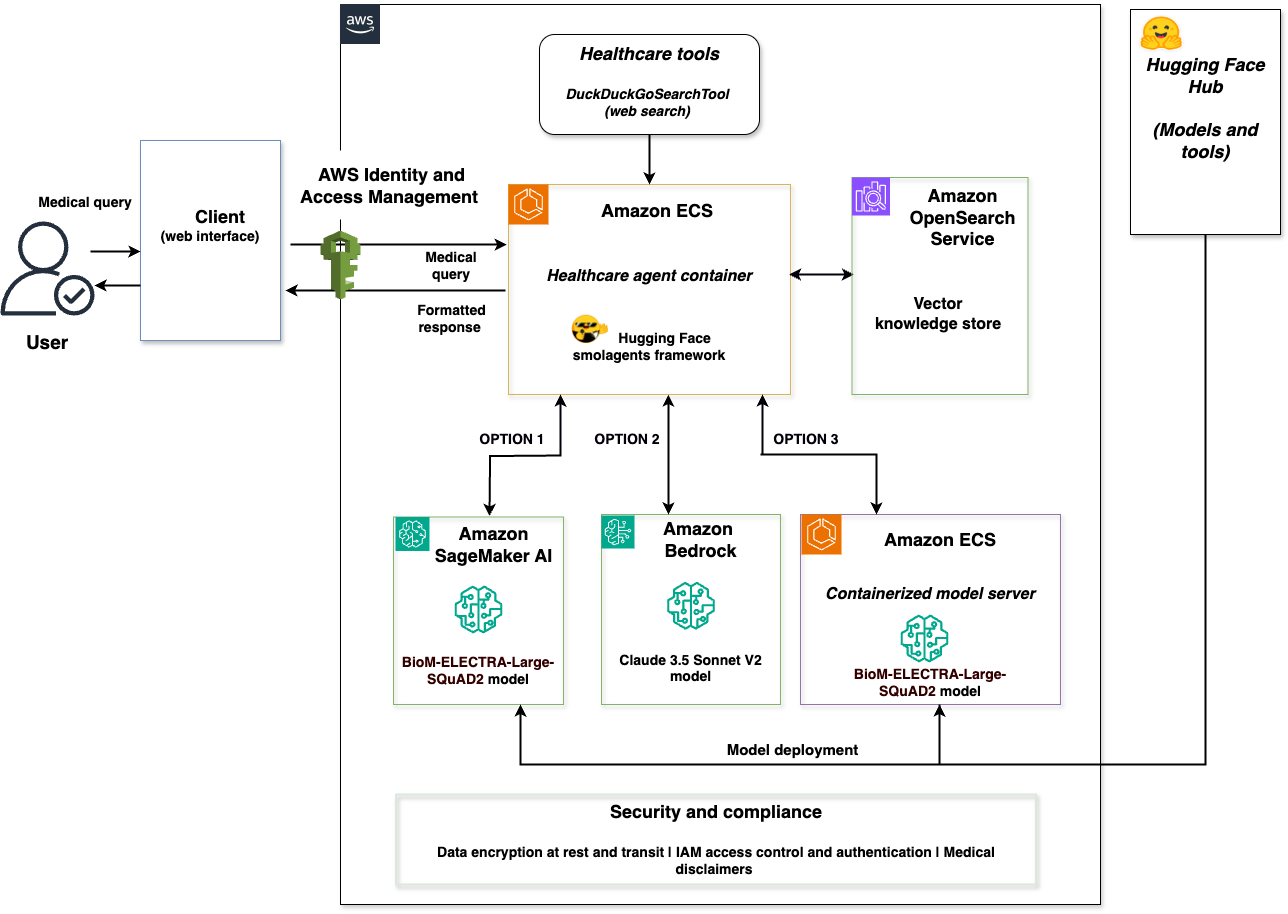
Hugging Face introduces smolagents Python library for building autonomous agents. Integration with AWS enables healthcare AI agent with multi-model deployment and clinical decision support capabilities.

Ofgem warns that 140 AI-driven datacentre projects could surpass UK's peak electricity demand with 50GW needed, 5GW above current levels.

Grindr tests pricey subscriptions with AI for gay and bi men, aiming to enhance safety and combat dating app fatigue. Users can now access profiles, stats, and bios for potential matches, ranging from hook-ups to dating, in their immediate vicinity.

US GDP growth in Q4 falls short at 1.4%, below economists' 3% forecast. AI and tax cuts expected to drive growth in 2019.
OpenAI flagged Jesse Van Rootselaar's account for 'furtherance of violent activities', considering alerting Canadian police before a tragic school shooting. The company behind ChatGPT took action based on abuse detection efforts to prevent potential harm.
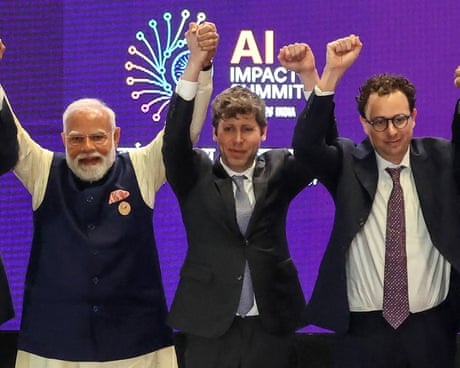
Narendra Modi and US aim to boost India's economy with AI as country marks 80 years of independence. OpenAI co-founder predicts emergence of "true super intelligence" around the same time in 2027, raising concerns at AI Impact summit in Delhi.
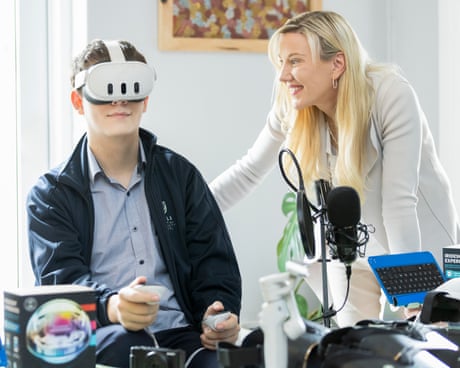
Innovative technology in Australian schools includes AI chatbots interrogating students post-assignment submission, as warned by Independent Schools Australia. This shift from traditional essay marking to interactive AI dialogue may create a 'two-speed system' in education.

Senator Bernie Sanders warns of the rapid AI revolution, urging urgent policy action to control tech companies' powerful systems. Sanders labels the situation as the "most dangerous moment in the modern history of this country."

Amazon SageMaker AI in 2025 introduced Flexible Training Plans, improving capacity reservation for inference workloads. This innovation ensures reliable GPU availability for critical evaluation periods, testing, and burst workloads, offering control over costs and performance.