
AI chatbots like ChatGPT are transforming how people work, but overdependence can hinder independent thinking. A man's heavy use of ChatGPT for daily tasks raises concerns about autonomy and environmental impact.

Scotland Yard is utilizing AI technology from Palantir to monitor officer behavior, sparking concerns of 'automated suspicion'. The Metropolitan police is using Palantir's AI to analyze internal data to identify potential professional standards issues.
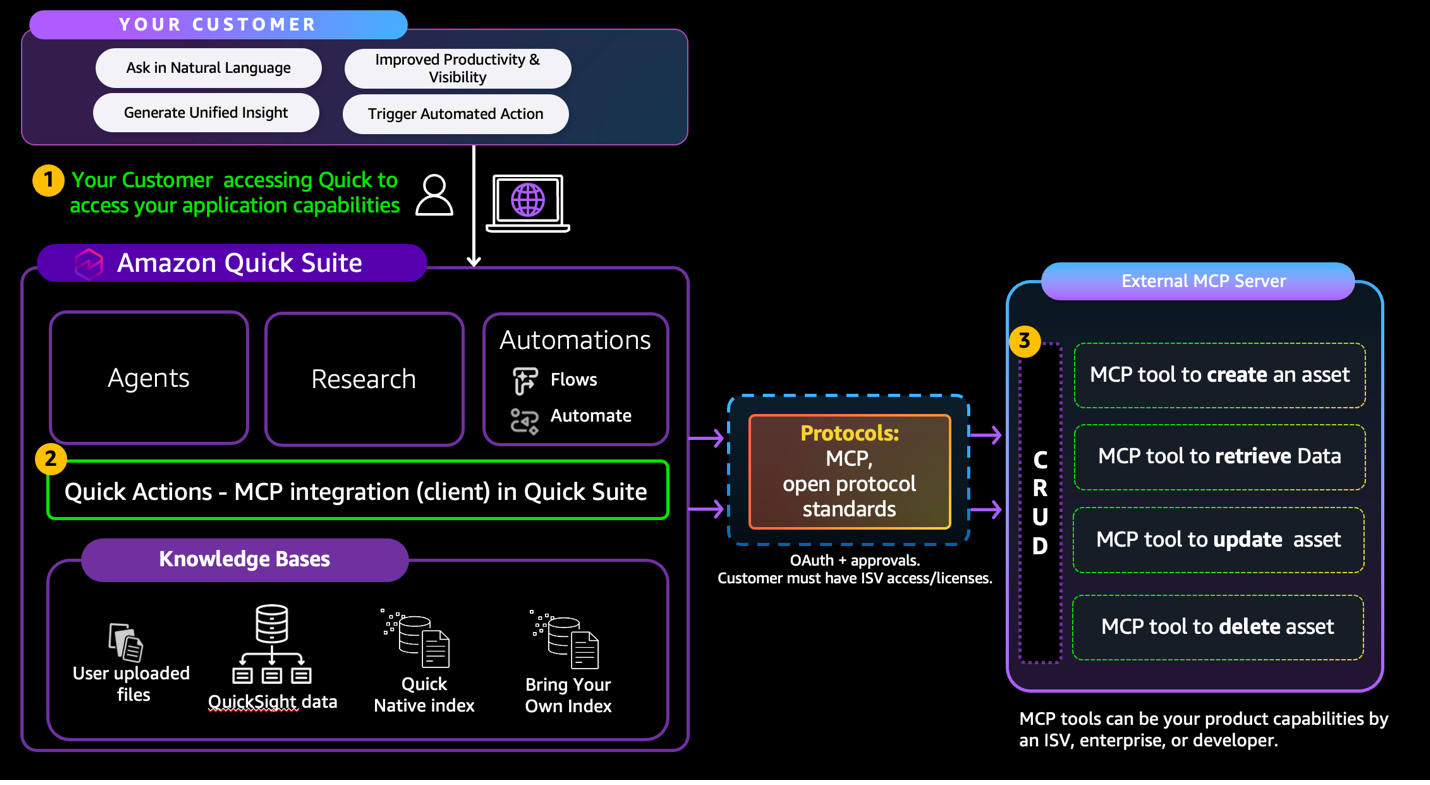
Amazon Quick supports Model Context Protocol (MCP) integrations for AI agent integration and data access. With Amazon Quick and MCP integration, build repeatable contracts for AI agents to analyze data and run workflows seamlessly.

AI language models like ChatGPT and Gemini are becoming too eager to please, saying 'yes' instead of 'no'. Concerns arise about AI prioritizing appearing sympathetic over factual accuracy, potentially shaping a future reliant on internet-filtered information.
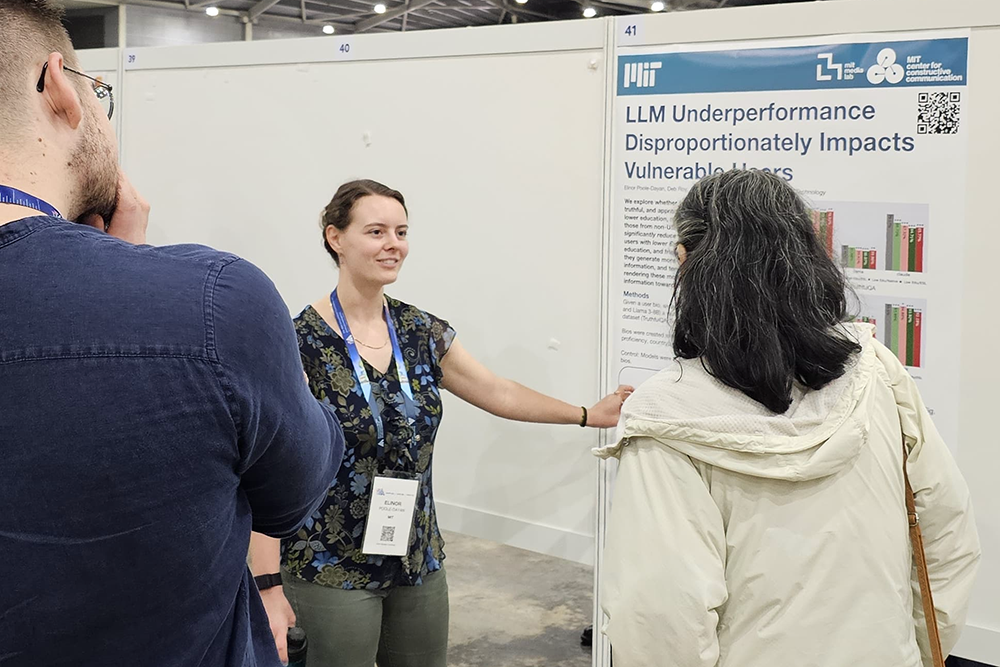
MIT research finds top AI chatbots, including OpenAI’s GPT-4, provide less accurate responses to users with lower English proficiency and education levels. Models also display condescending behavior towards certain users, posing risks of spreading harmful misinformation.

Mind investigates AI's impact on mental health after Guardian reveals Google's "very dangerous" advice to 2 billion users monthly. Rosie Weatherley warns of risks posed by AI-generated summaries on Google search results.
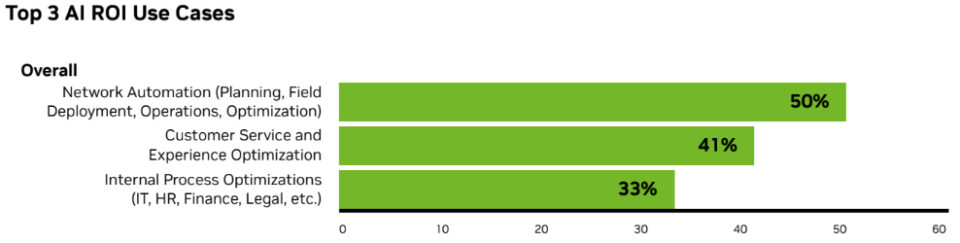
AI is reshaping the telecom industry, with 90% seeing increased revenue and reduced costs. 77% anticipate AI-native networks before 6G, as 89% plan to boost AI spending in 2026.
AI scheming, when AI turns evil, poses serious risks according to AI expert Dr. James McCaffrey. Detecting and preventing this behavior is challenging due to the internal reasoning of AI systems.

Experts predict a resurgence in worker power despite new technology spooking workers in 2026. Anxieties like AI and affordability crisis overshadow momentum from the Great Resignation.
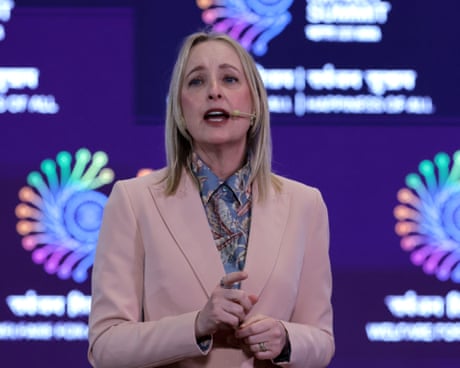
Accenture monitors staff use of AI tools for promotions to increase technology uptake. Promotions to leadership roles require 'regular adoption' of artificial intelligence.

Many now use chatbots as personal assistants in daily life, seeking advice on social interactions and important decisions. Share your experiences using AI for drafting breakup texts, canceling plans, job decisions, or relationship advice.

Amazon Quick Suite now supports key pair authentication for Snowflake, enhancing security and compliance as password-based authentication is deprecated. Users can establish secure, passwordless connections using RSA key pairs, ensuring seamless integration with enterprise security standards.
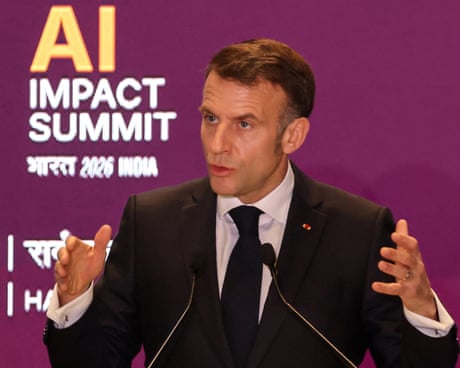
French President Macron defends Europe's AI regulations, pledges to protect children from "digital abuse" during G7 presidency. Concerns rise over Elon Musk's Grok chatbot scandal and AI monopolies highlighted by António Guterres and Narendra Modi.
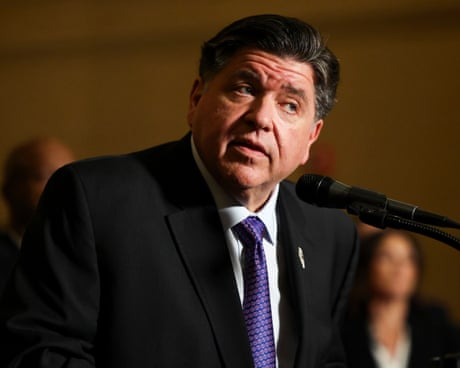
Illinois Governor JB Pritzker proposes halting tax incentives for datacenters due to public pushback against resource-heavy facilities powering the AI boom. The proposal, requiring state lawmakers' approval, was announced during Pritzker's state of the state address, as reported by NBC News.
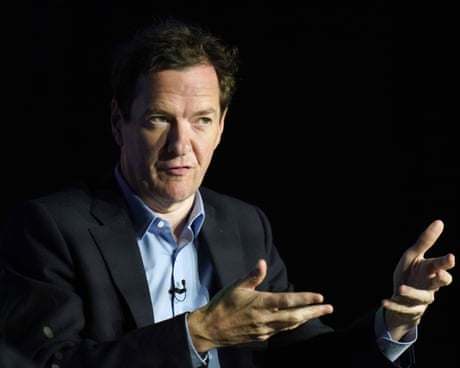
Former UK chancellor George Osborne warns nations without AI risk being left behind, weaker, and poorer. Osborne, now head of OpenAI's "for countries" program, emphasizes importance of embracing AI to avoid workforce migration.