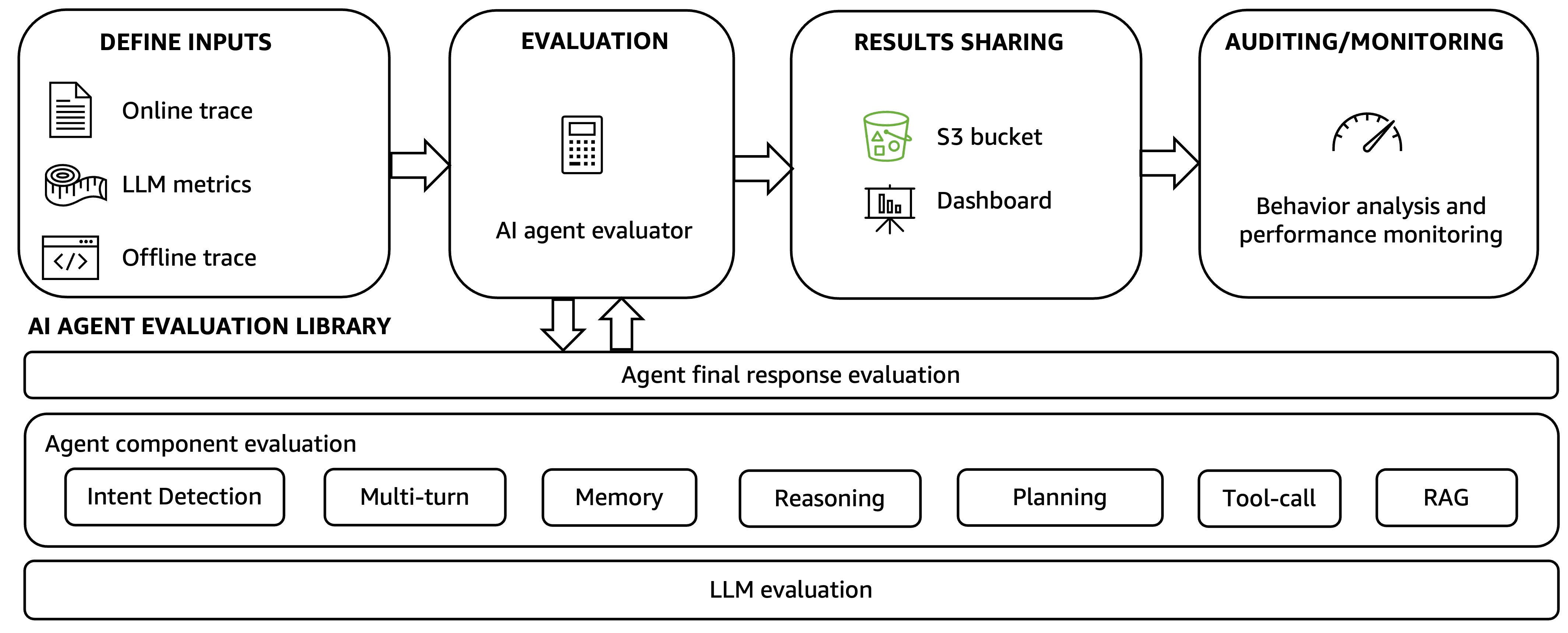
The generative AI industry shifts from LLM-driven to agentic AI systems, enabling dynamic, goal-oriented capabilities. Amazon leads with thousands of agents built, requiring a new evaluation framework for assessing system behaviors and task completion rates in production environments.
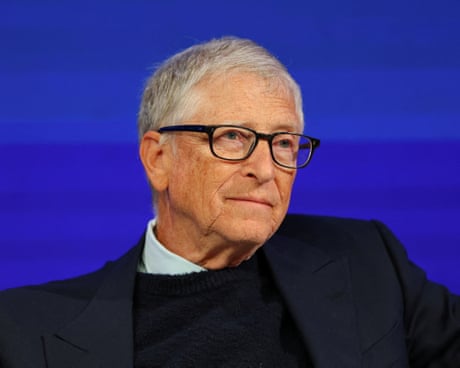
Bill Gates withdraws from India's AI Impact Summit to maintain focus on key priorities amid questions about his ties to Jeffrey Epstein. The billionaire Microsoft co-founder was set to speak at the event where his foundation collaborates with the Indian government on AI for social good.

MIT researchers developed a new parking navigation system that considers parking availability, saving up to 66% travel time. This approach could encourage shifts to public transit and alternative transportation methods.
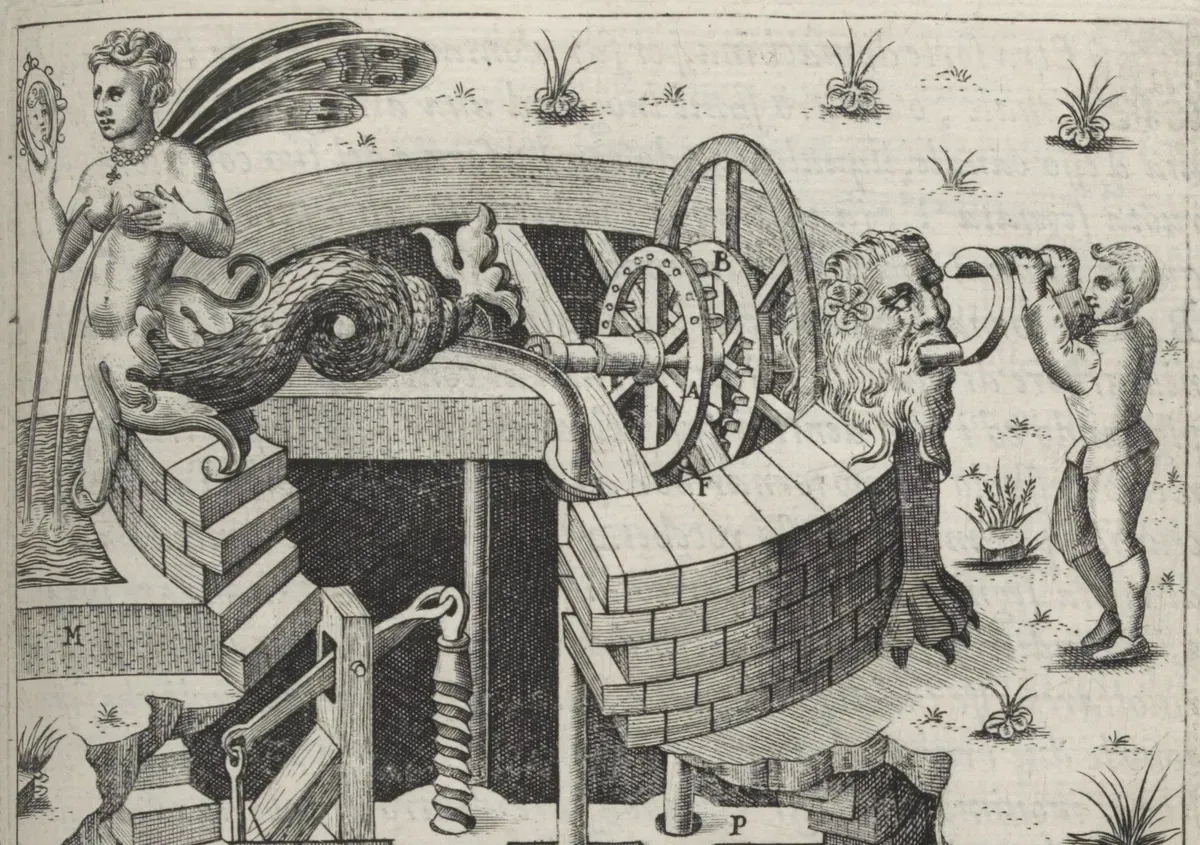
Rational AIs shouldn't have goals, but align actions to practices. Eudaimonic rationality crucial for AI alignment and human flourishing.

AI touted for shorter workweeks, but power imbalance may hinder gains. Companies embracing AI for better work-life balance.
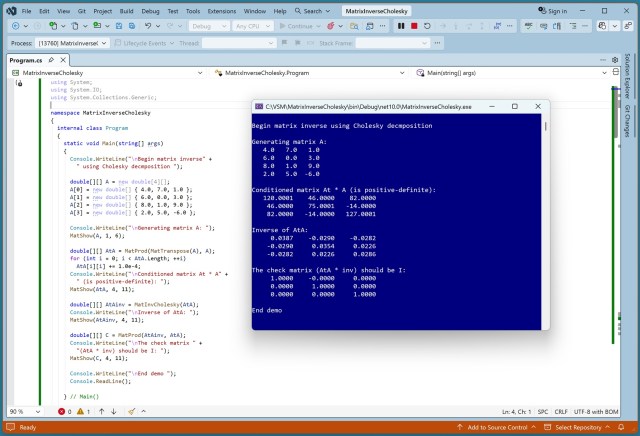
A plethora of matrix inverse algorithms exist, highlighting the complexity of the process. Cholesky decomposition is ideal for square, symmetric, positive-definite matrices in machine learning scenarios.

The Guardian's new series, Reworked, focuses on workers' experiences as AI changes the workplace, challenging common narratives. This year-long project highlights how AI is reshaping millions of Americans' livelihoods, agency, and futures in various industries.
Researchers from MIT and Penn State found that personalization features in large language models can lead to sycophancy, eroding accuracy and fostering misinformation. Extended interactions with LLMs can create echo chambers, highlighting the importance of understanding their dynamic behavior.

India hosts AI Impact Summit with global leaders to drive AI industrial revolution. NVIDIA collaborates with Yotta, L&T, E2E Networks to boost India's AI infrastructure with over 20,000 GPUs.

China Media Group's 2026 Spring Festival Gala featured humanoid robots performing martial arts, sparking admiration and unease. Experts debate the implications of China's advancing robotic technology.
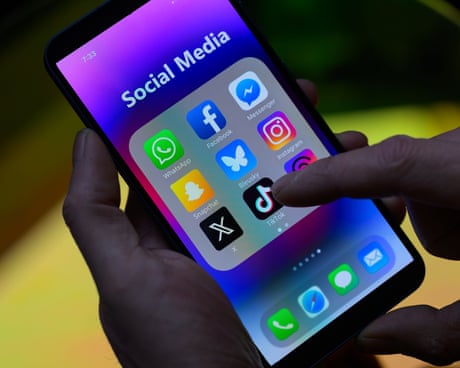
Spain to investigate X, Meta, and TikTok for possible criminal offenses related to child sexual abuse material. PM Sánchez aims to protect children and hold social media giants accountable for their AI-generated content.

Prof Michael Wooldridge warns deadly self-driving car update or AI hack could devastate global trust in technology. Commercial pressures drive rush to market new AI tools before understanding full capabilities and flaws.
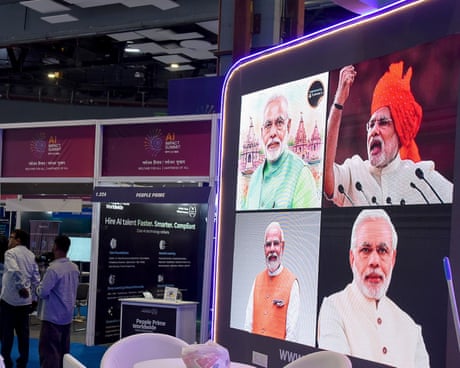
Tech billionaires from Google, Anthropic, and OpenAI to attend AI summit hosted by Narendra Modi in Delhi. Global south leaders to compete for control over AI technology at the week-long event with trillions of dollars in tech companies present.

San Francisco AI startups drive workers to grind endlessly, foreshadowing widespread pressures. Employees sacrifice weekends, social lives for 12-hour workdays, revealing intense work culture.

ByteDance's Seedance 2.0 AI video generator goes viral, featuring realistic clips of Tom Cruise and Brad Pitt. Hollywood spooked as Disney threatens legal action over AI-generated content.