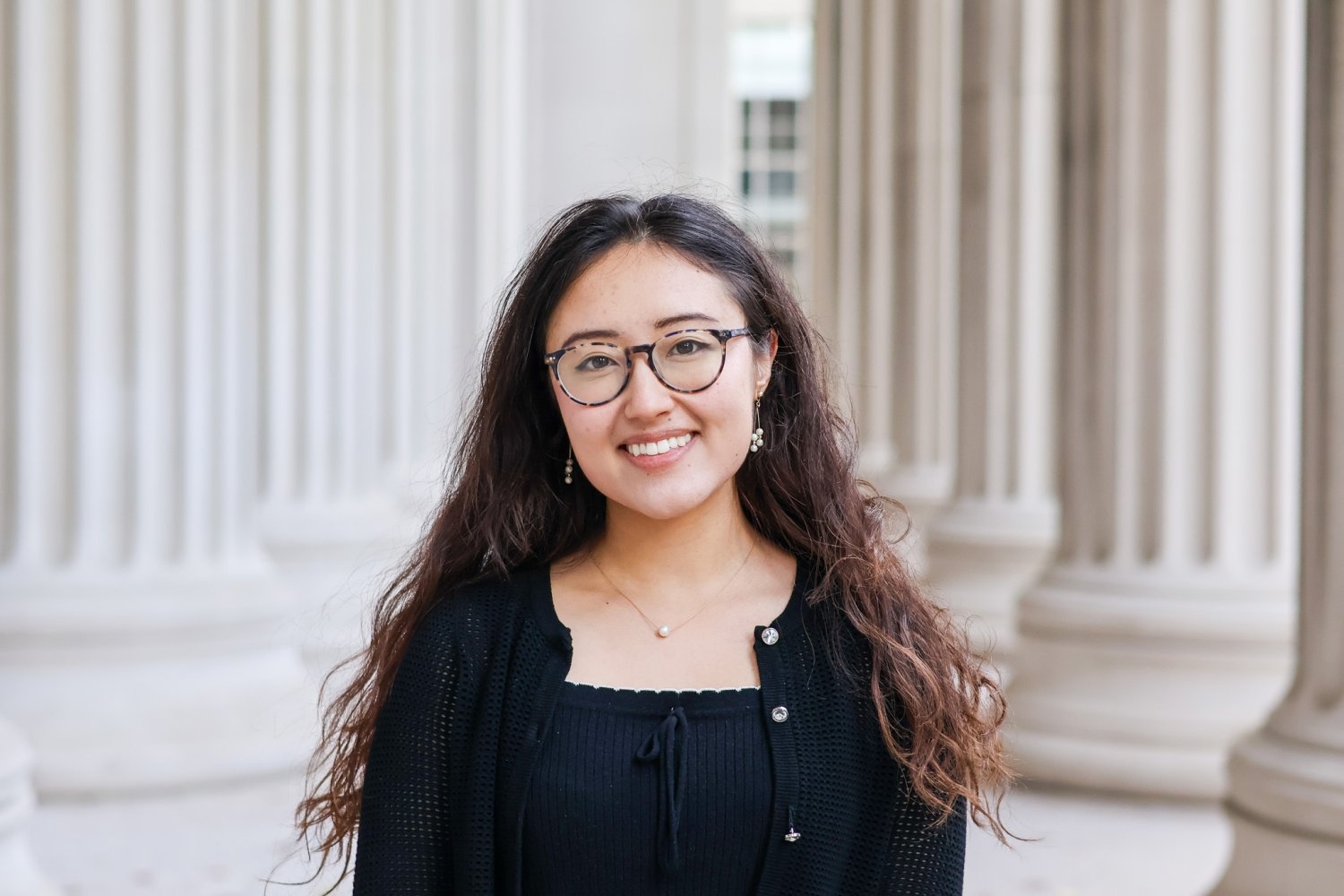
MIT senior Katie Spivakovsky awarded prestigious 2026-27 Churchill Scholarship for MPhil in biological sciences at Cambridge University. Spivakovsky's research focuses on integrating computation and bioengineering for equitable health outcomes, with notable work on DNA origami and immune therapy for cancer cachexia.
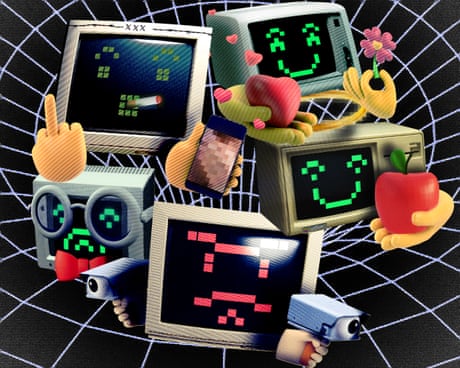
AI assistants like ChatGPT and Grok are evolving with ethical code tweaks, sparking debates on character molding and consequences. From Elon Musk's Grok AI controversy to OpenAI's ChatGPT retraining for mental health support, companies are navigating AI's impact on users.

Microsoft, Cisco, and Adobe partnering with Barnsley to implement AI in local services. Barnsley transforming into UK's first "tech town" under Liz Kendall's vision for AI-driven improvements.
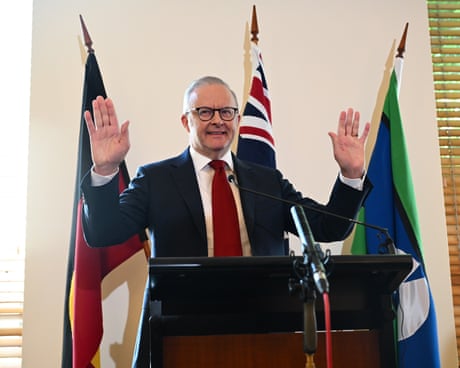
Labor celebrates as Coalition faces disarray. Challenges ahead include spending, emissions, AI, and Aukus. Albanese compares Coalition to reality TV drama.

Darren Aronofsky's Primordial Soup creates AI-made series depicting America's revolutionary war, deemed terrible by many. On This Day 1776 fails to impress despite its innovative approach to entertainment.

Annual review by International AI Safety report, chaired by Yoshua Bengio, highlights risks from cyber-attacks to job disruption in AI. Guided by advisers like Geoffrey Hinton, report examines challenges posed by rapid technological progress.
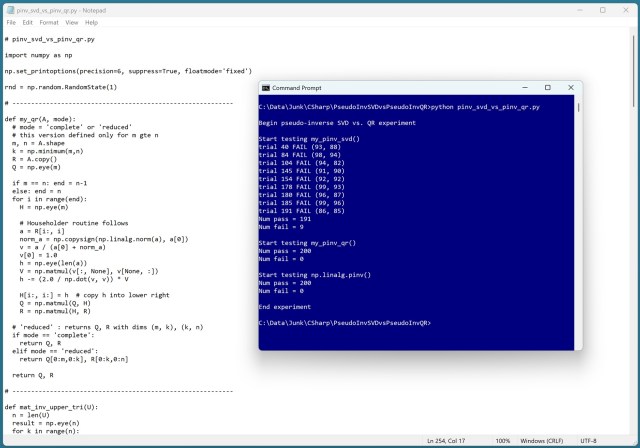
Dozens of algorithms exist to compute the pseudo-inverse of a matrix. From-scratch implementations show QR-Householder is more reliable than SVD-Jacobi for large matrices.

OpenClaw, the viral AI personal assistant, requires minimal input to handle emails, trade stocks, and send messages for users. Formerly Moltbot and Clawdbot, it promises to be 'the AI that actually does things' via messaging apps like WhatsApp and Telegram.
Linux PCs now have access to GeForce RTX performance with the new native GeForce NOW app, offering up to 5K resolution and 120 fps. Ten new games, including The Bard’s Tale IV: Director’s Cut, are now available, with Team Jade’s Delta Force coming soon on February 3 for high-stakes tactical action on any device with no downloads required.
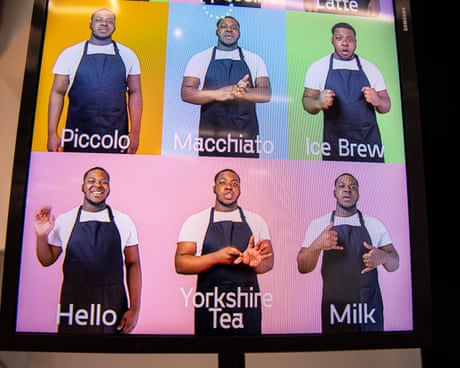
Deaf-run Dialogue Cafe in east London uses BSL for orders, fostering in-person interactions. AI startups aim to bridge communication gap in the area.
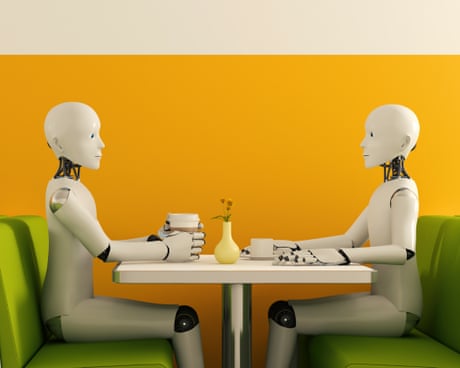
Moltbook, a social network for AI agents, resembles Reddit, with over 1.5m AI agents interacting in subreddits. Humans can only observe.
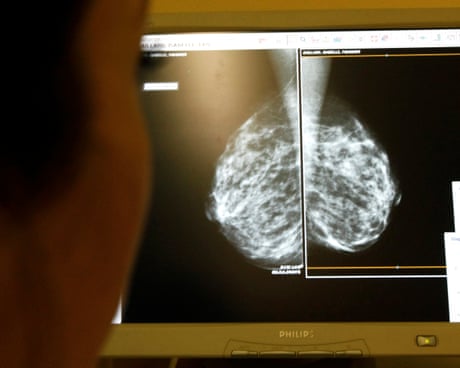
AI in breast cancer screening reduces diagnosis rate by 12%, boosts early detection. Swedish study of 100,000 women shows promising results.

Tech investors in 1999 mistook spending for growth, leading to the dot-com bust. Post-crash, web 2.0 and open-source software thrived, giving birth to platforms like Firefox and Wikipedia. Lesson: after bubbles burst, building differently can lead to innovation. Mark Surman is the president of Mozilla.

Refuge reports surge in tech-facilitated abuse cases, with smart devices and wearables used as weapons. Record numbers of women referred for help, including a 62% rise in complex cases and 24% increase in under-30s.
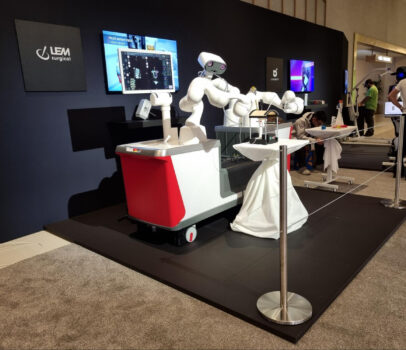
NVIDIA introduces open physical AI models at CES 2026, enabling developers to create autonomous systems with high-fidelity simulation and edge deployment capabilities. Caterpillar's Cat AI Assistant and LEM Surgical's Dynamis Robotic Surgical System showcase the power of NVIDIA's physical AI stack in real-world applications.