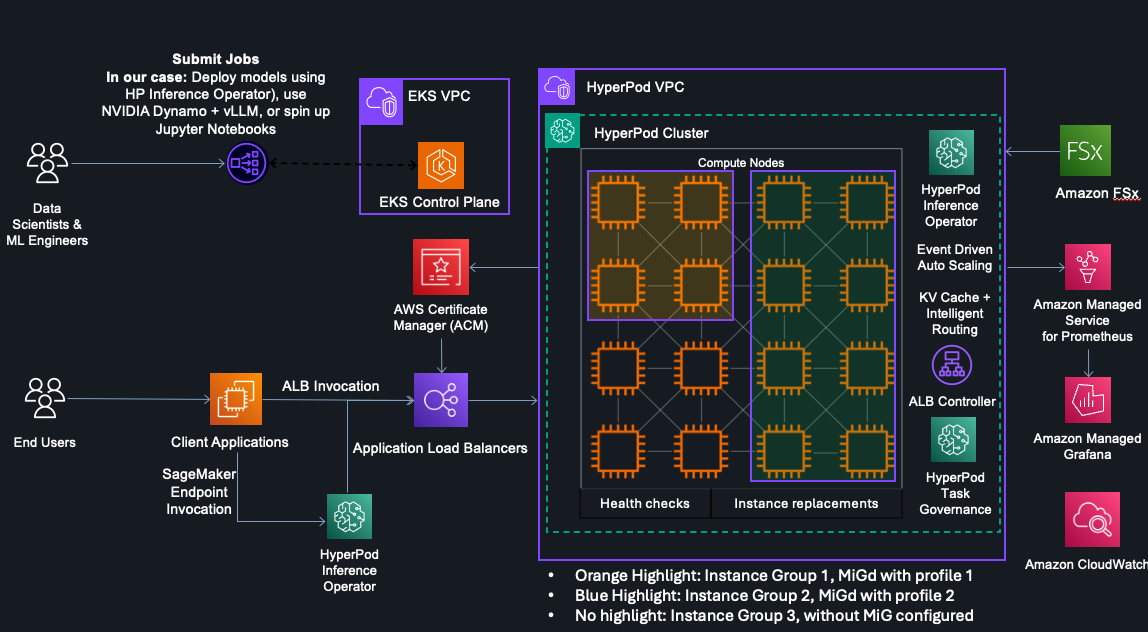
Amazon SageMaker HyperPod introduces GPU partitioning with NVIDIA MIG, allowing multiple tasks on a single GPU. This boosts efficiency, reduces wait times, and maximizes GPU utilization for diverse workloads.

Amazon discontinues Lookout for Vision, recommends SageMaker for AI/ML computer vision models. AWS offers pre-trained defect detection model on Marketplace for fine-tuning.

Black Forest Labs releases FLUX. 2 image generation models with photorealistic details and multi-reference feature. NVIDIA and ComfyUI collaboration optimizes performance and reduces VRAM requirements by 40%.

Warner Bros. Discovery leverages AWS Graviton-based Amazon SageMaker AI instances for ML inference, achieving 60% cost savings and 7-60% latency improvements. With a focus on personalized content recommendations for 125M+ users globally, they balance scalability and cost efficiency in a diverse digital entertainment landscape.
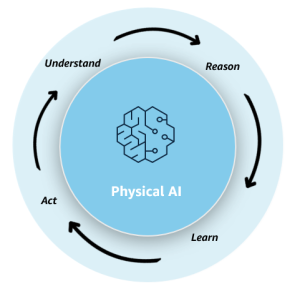
Physical AI is transforming industries by creating intelligent systems that collaborate with humans. Diligent Robotics uses physical AI to develop mobile robots for hospitals, improving operations and customer experiences.
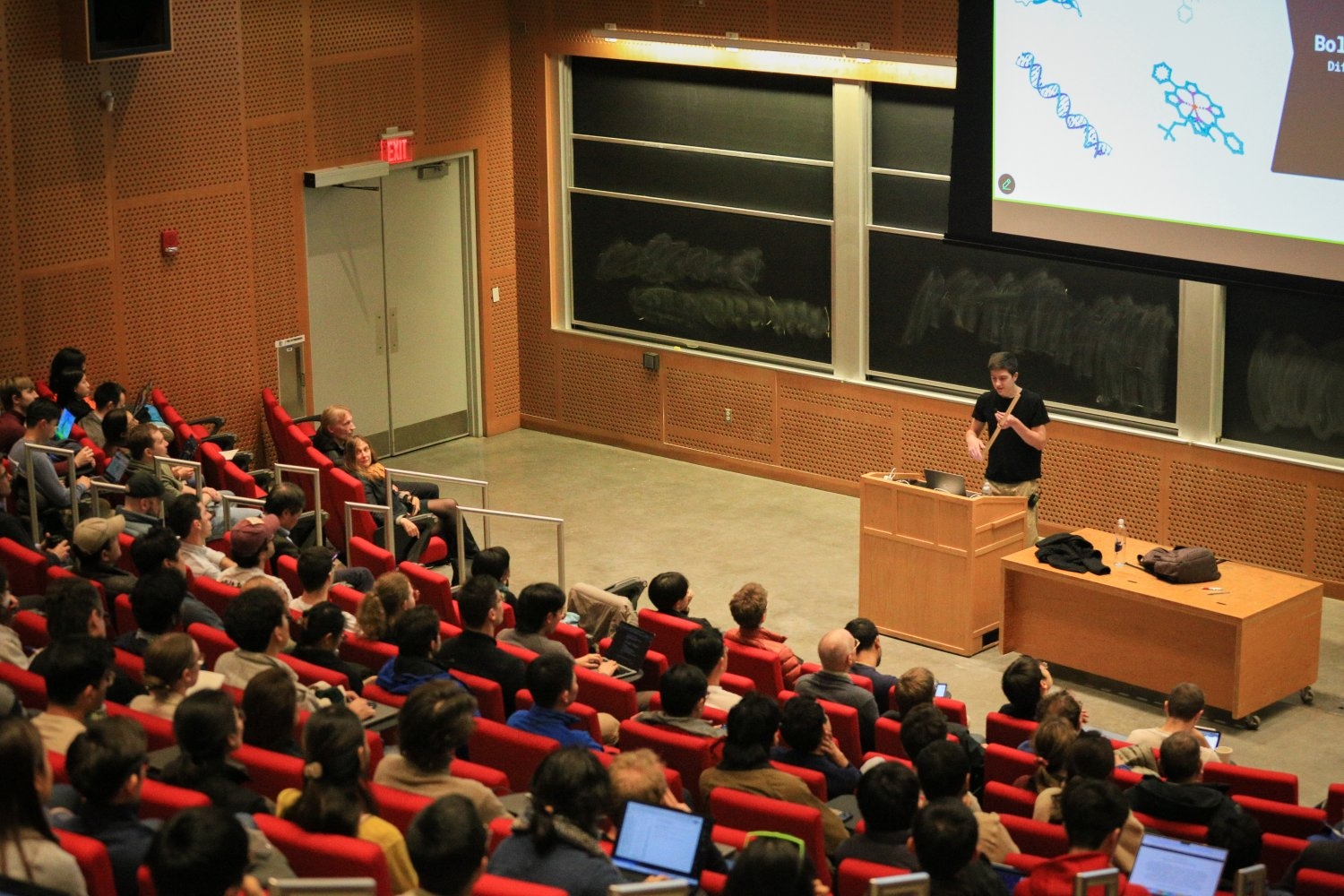
MIT Jameel Clinic hosted a BoltzGen seminar featuring Hannes Stärk, introducing the groundbreaking protein binder generator. BoltzGen's unique capabilities challenge traditional protein design methods, with potential to revolutionize drug development.

EU and US ease AI regulations for growth; Nvidia reports strong earnings amid fears of a bursting AI bubble. Meta avoids breakup like Google, as AI transforms journalism-audience dynamics.

Dr. Talia Hussain criticizes lecturers for using AI to create teaching materials due to lack of incentives. Recent doctoral graduate highlights challenges of preparing modules for one-time teaching on precarious contracts.
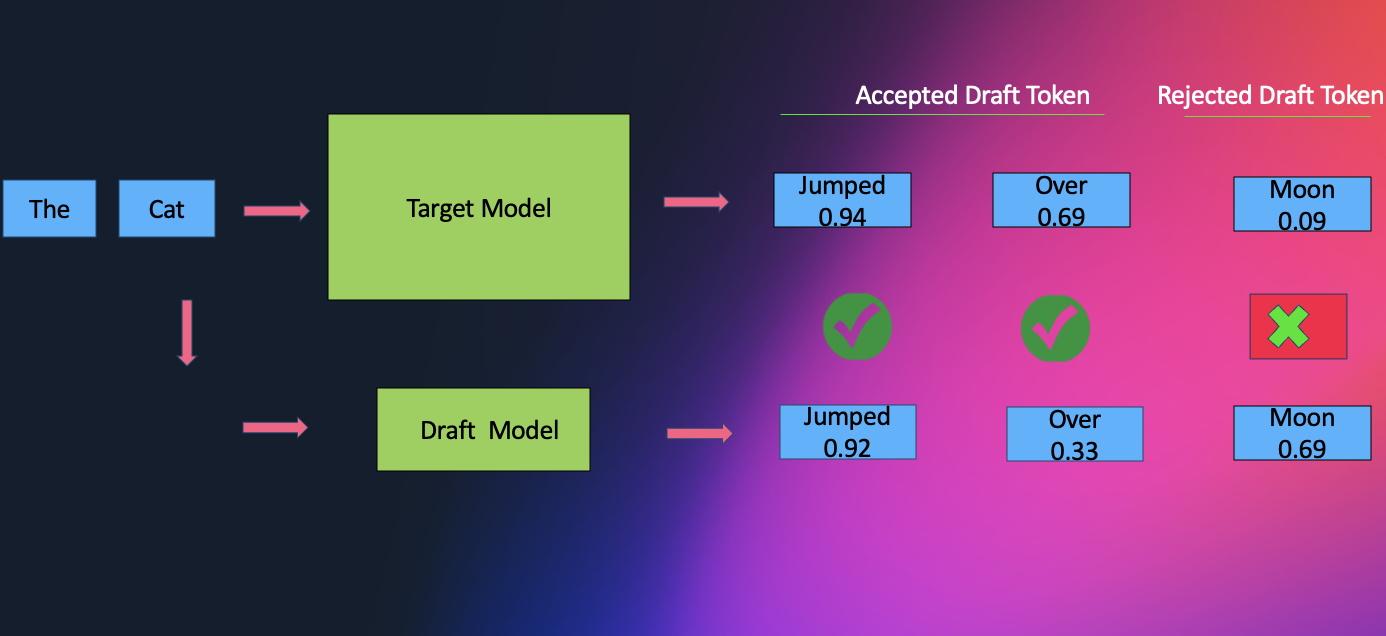
Amazon SageMaker AI introduces enhancements to its inference optimization toolkit, including EAGLE speculative decoding for faster, more efficient model inference. By training EAGLE 2 or EAGLE 3 heads, users can optimize performance using their own data for workload-specific results, improving inference without compromising quality.
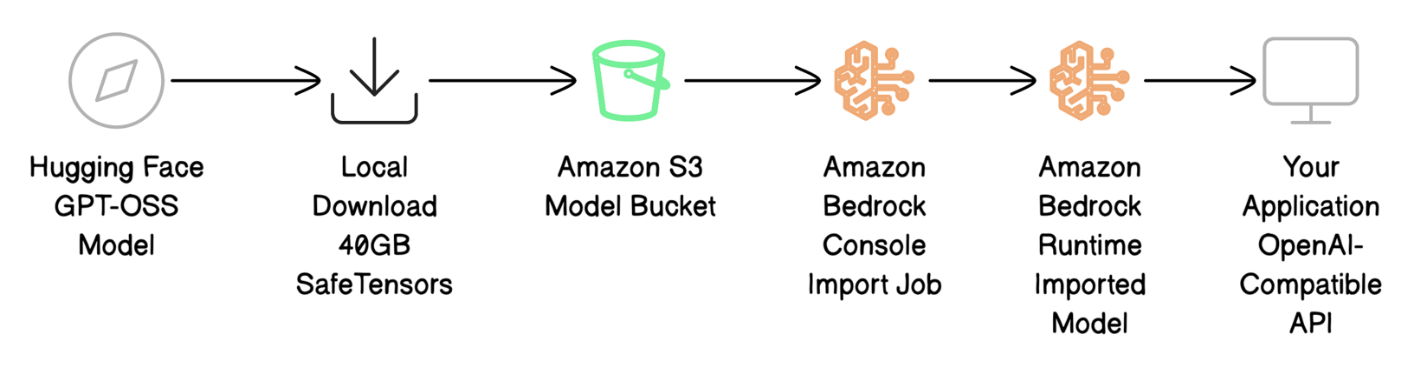
Amazon Bedrock now supports OpenAI GPT-OSS models with 20B and 120B parameters, offering advanced reasoning capabilities. Organizations can seamlessly migrate to AWS for enhanced security and scalability while deploying GPT-OSS models with ease for various applications.

Researchers find large language models struggle with humor, empathy, and cultural nuance, impacting understanding of puns. Comedians and writers may breathe easier as AI research reveals limitations in grasping wordplay.

Leading charity NFER predicts up to 3m UK low-skilled jobs may vanish by 2035 due to automation and AI, particularly in trades and machine operations. Administrative roles also face high risk, according to the report.

AI can both strain and support energy transition. It optimizes operations, predicts failures, and aids in discovering new materials. MIT's Data Center Power Forum tackles challenges of data center power demand.
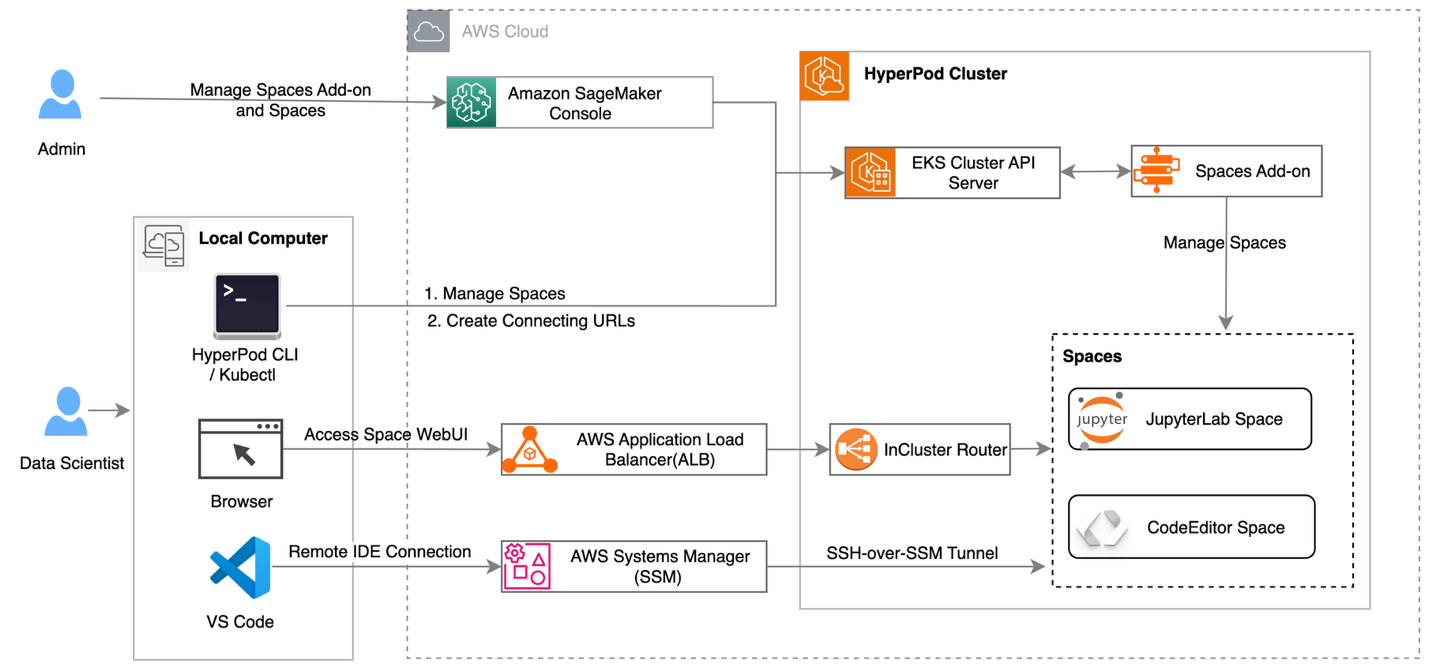
Amazon SageMaker HyperPod now supports interactive development environments like JupyterLab and VS Code, streamlining ML development. The new add-on, Amazon SageMaker Spaces, allows for self-contained environments, maximizing GPU investments and simplifying development processes.
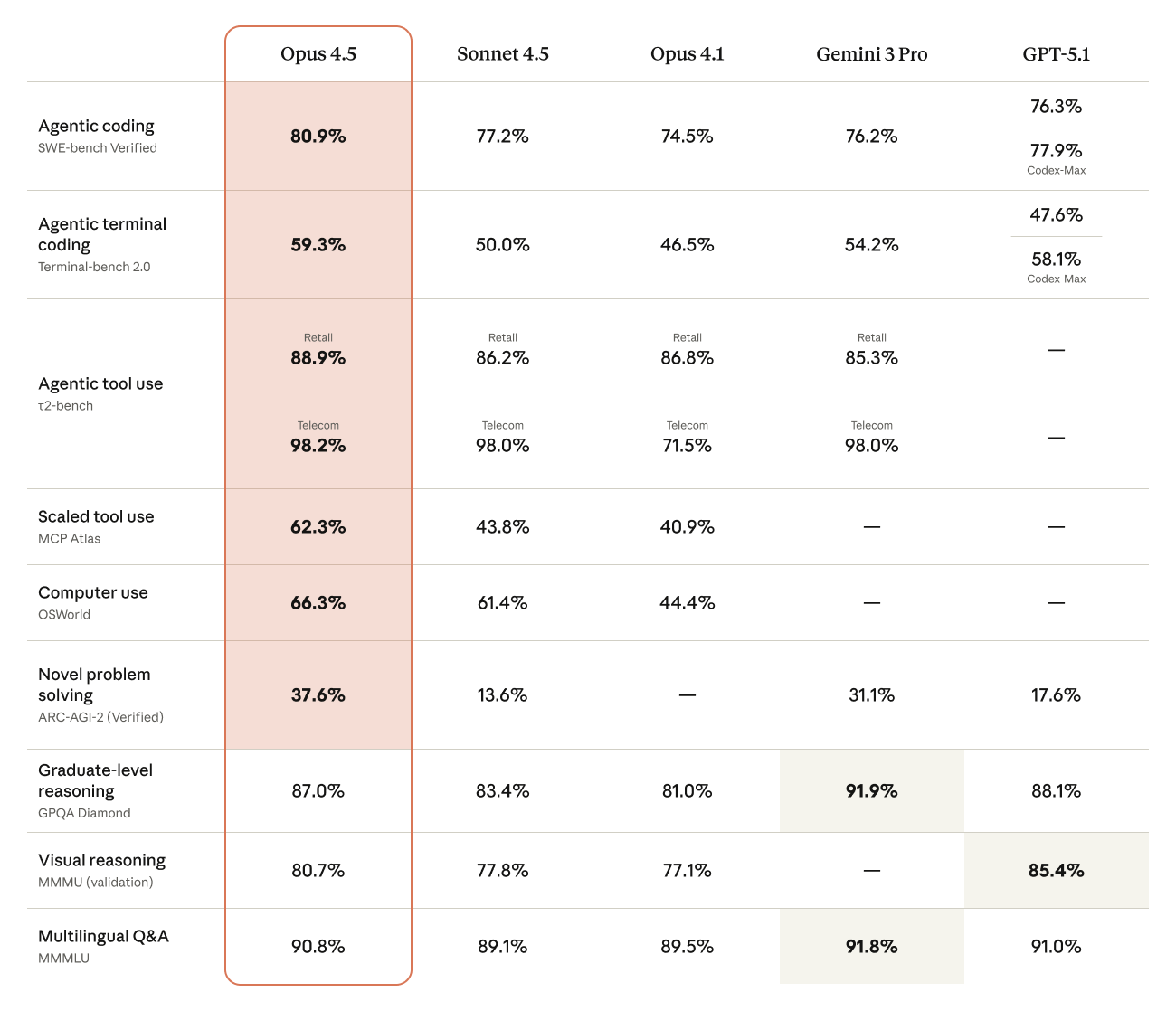
Anthropic's Claude Opus 4.5, available in Amazon Bedrock, sets a new standard in AI capabilities, outperforming previous models at a third of the cost. Opus 4.5 excels in software engineering and office productivity, transforming development projects and handling complex tasks with precision and efficiency.