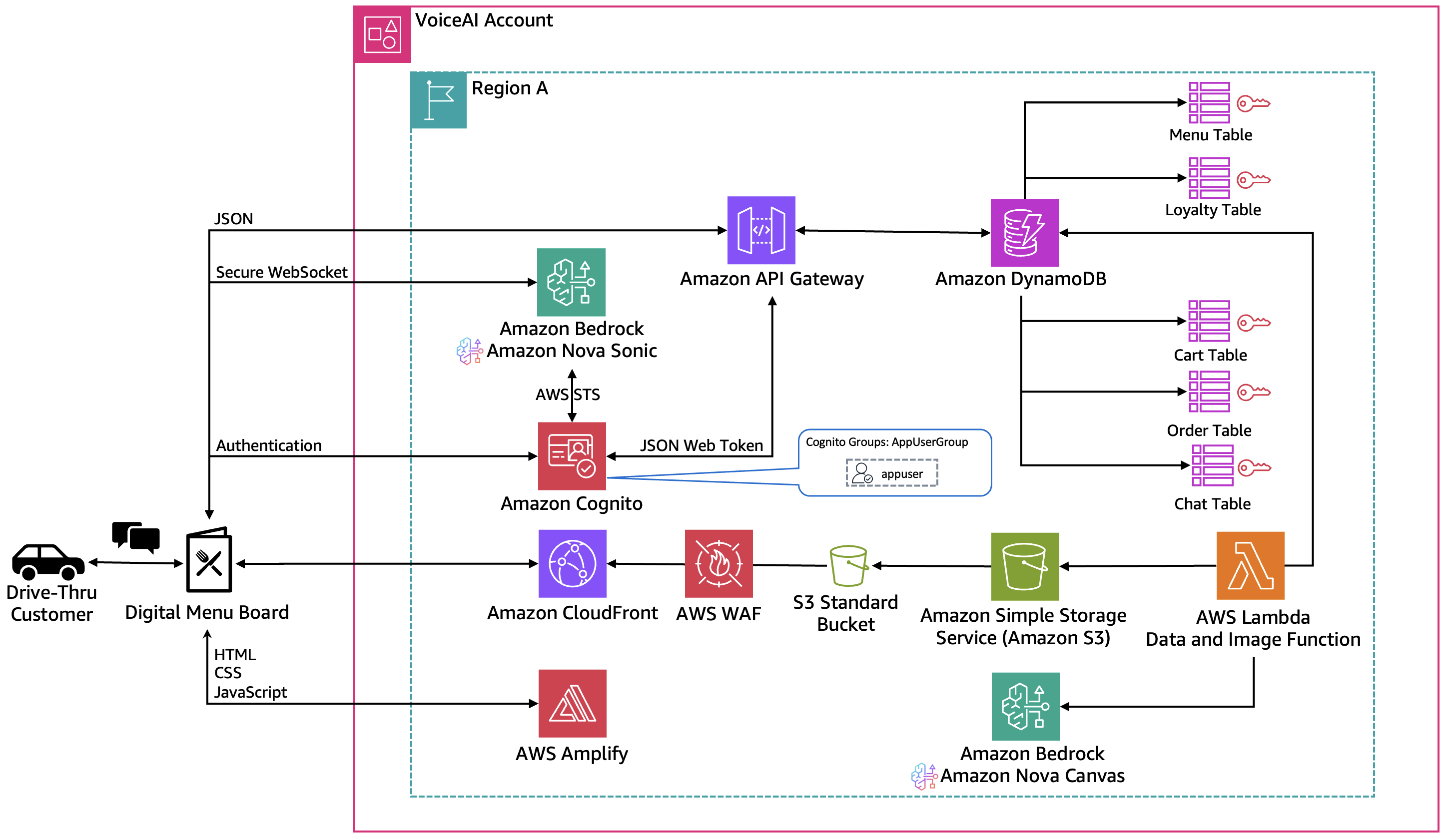
AI is reshaping QSR drive-thru operations with Amazon Nova Sonic and AWS services, providing seamless, efficient service through voice AI technology. The innovative system enhances service consistency and operational efficiency, creating a cost-effective solution for QSRs during peak hours.
Summary: RAG system explained with vector database and LLM response generation. APIs make implementing RAG easier, but security remains a concern.
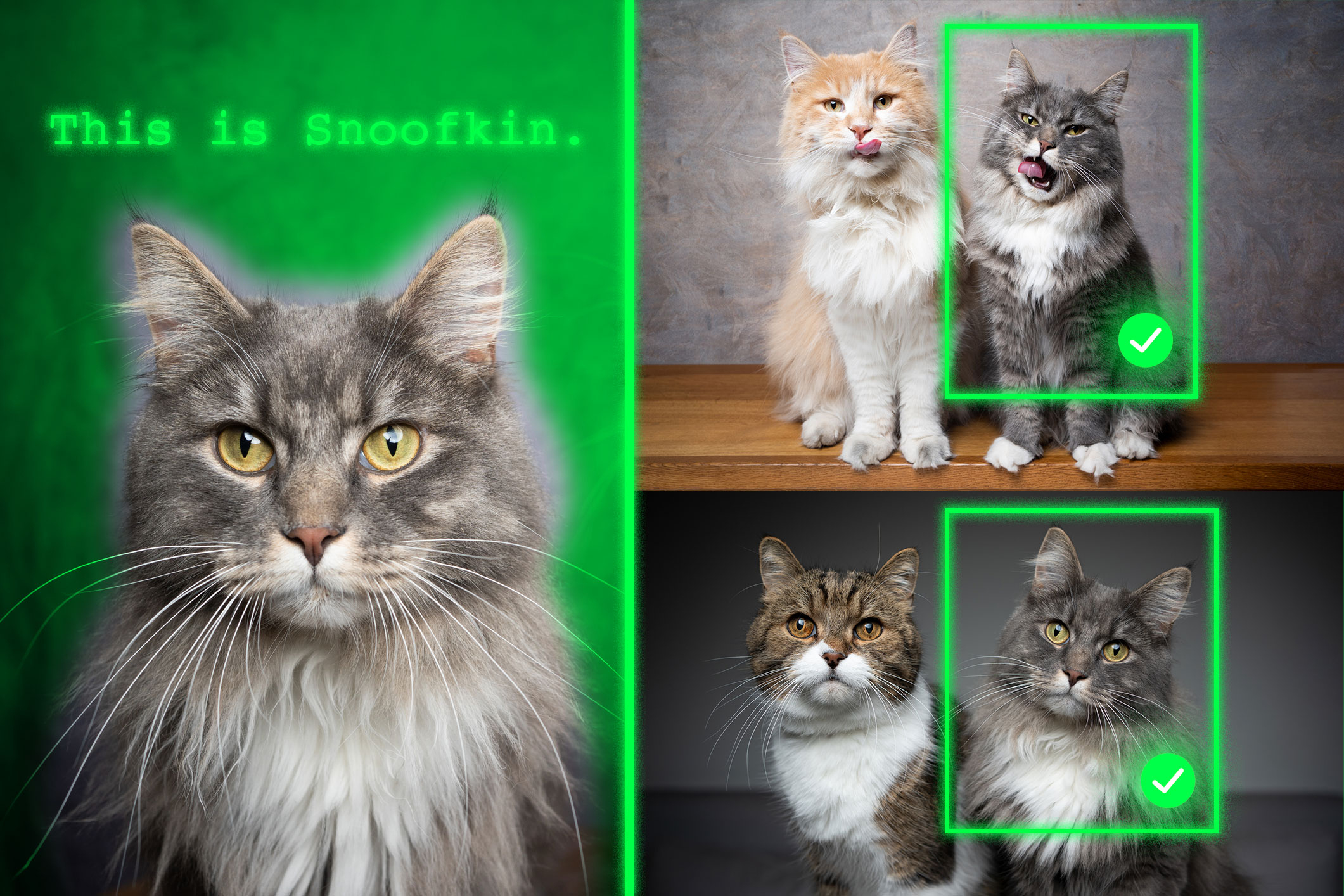
MIT and MIT-IBM Watson AI Lab researchers introduce a new training method to teach vision-language models to localize personalized objects in a scene, outperforming state-of-the-art systems. This approach could help AI systems track specific objects over time and assist visually impaired users in finding items in a room.

Immigration barrister Chowdhury Rahman caught using ChatGPT-like AI software for legal research, wasting tribunal's time with fictitious cases. Rahman failed to verify accuracy, raising concerns about reliance on AI in legal profession.

John Searle's 1984 lecture challenged the concept of AI thinking. Researchers continue exploring meaning and learning in AI today.

NSW launches $3.2m writing strategy to boost industry impacted by digital media, low earnings for writers. Sector supports 22,000 jobs with $1.3bn annual contribution to NSW economy.

UK start-up, Books By People, introduces Organic Literature stamp to verify human-written books amid rise of AI-generated content. Initiative partners with independent publishing houses to label authentic author works.

AI's rapid advancement in the workplace may create a "permanent underclass," predicts OpenAI's Leopold Aschenbrenner. By 2027, AI could surpass human capacity, leading to job displacement for everyone not on the AI train.

Kimaya Lecamwasam, a computational neuroscientist and musician, combines her love for music and neuroscience to explore the emotional impact of music on mental health, leading to innovative tools for well-being at the MIT Media Lab.
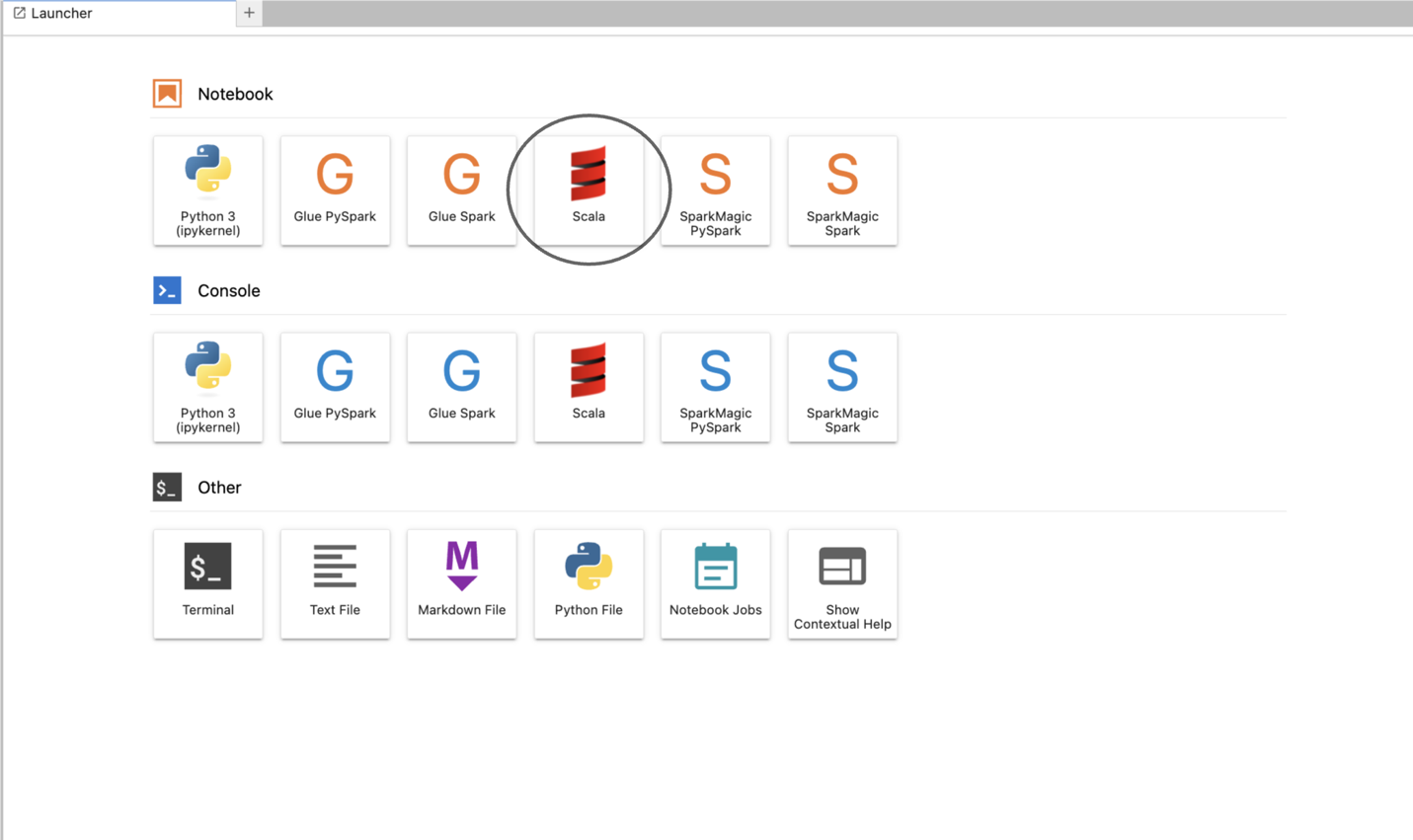
Scala, a versatile language for distributed computing, lacks native support in Amazon SageMaker Studio, hindering seamless integration with Spark. Integrating the Almond kernel solves this issue, enabling teams to maintain preferred Scala workflows within SageMaker Studio. Coursier simplifies the installation process, ensuring consistent library versions and reducing conflicts in Scala developm...

Quebec man fined $3,500 for using AI hallucinations in legal defense, judge warns of integrity threat. Legal saga includes 'hijacked planes' and Interpol red alerts.
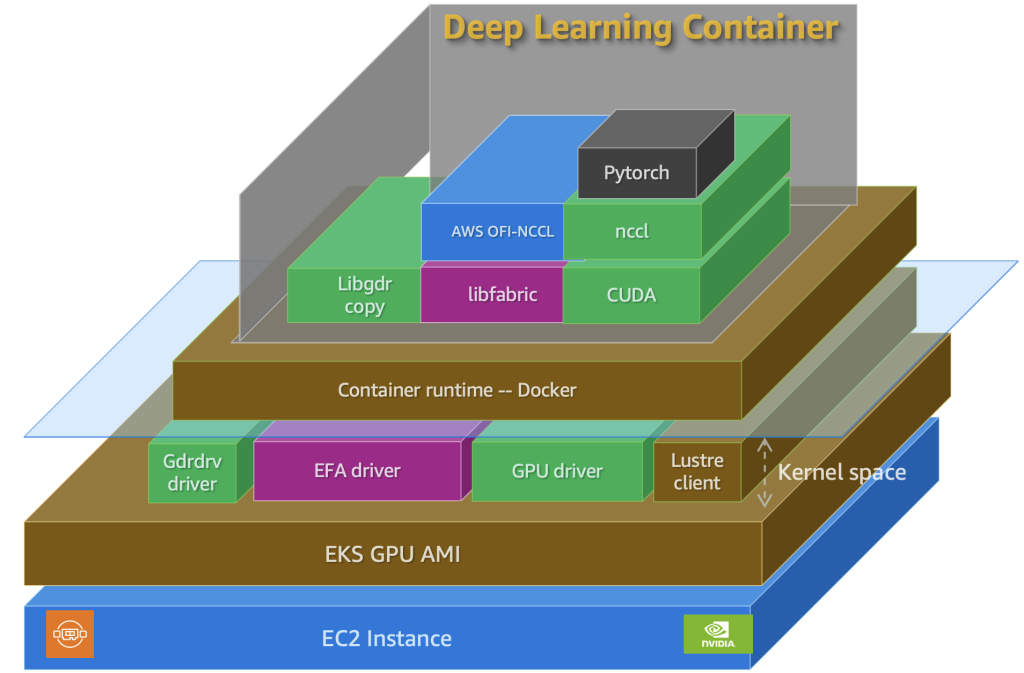
Training large language models like Meta’s Llama 3 requires massive NVIDIA GPU infrastructure. Amazon EKS and DLCs simplify cluster configuration for efficient distributed training, but precise setup is crucial for optimal performance.

MIT Music and Theater Arts honors late Professor Emerita Jeanne Shapiro Bamberger, a pioneer in using computers to teach music. Bamberger's legacy includes innovative computer languages and influential contributions to music education.

'Project Blue, a massive datacenter in Sonoran desert, sparks concerns over water and energy usage, becoming the largest development in Pima county.'
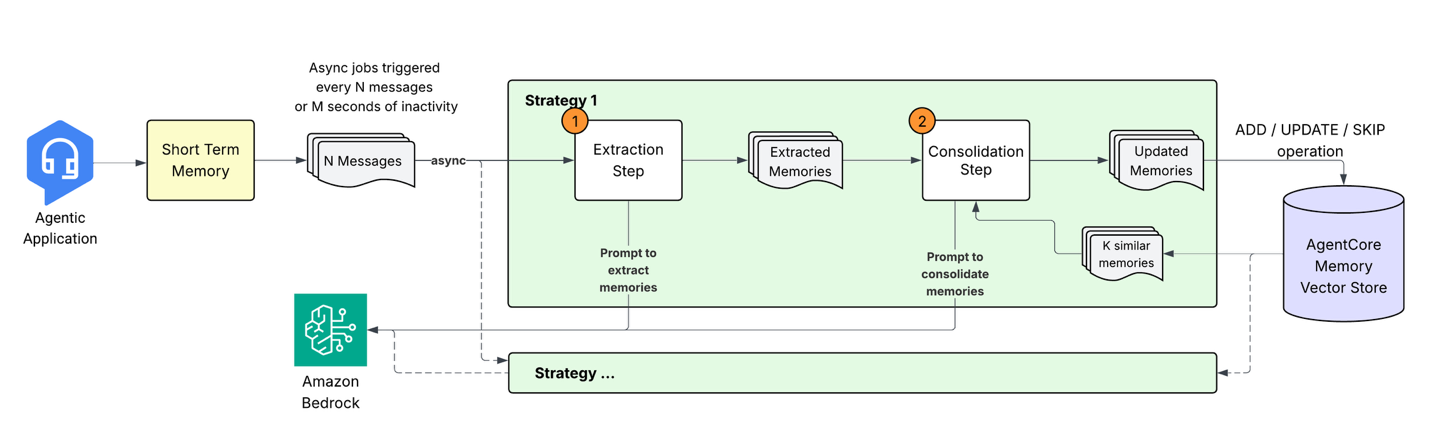
Amazon Bedrock AgentCore Memory tackles challenges in building AI agents that remember user interactions by transforming raw conversations into actionable knowledge that spans across sessions. The system distinguishes meaningful insights, merges related information, and processes memories in order of temporal context, ensuring efficient retrieval in a sophisticated long-term memory pipeline.