
Abta reports 1 in 5 young adults use AI like ChatGPT to plan holidays, though traditional packages still dominate.
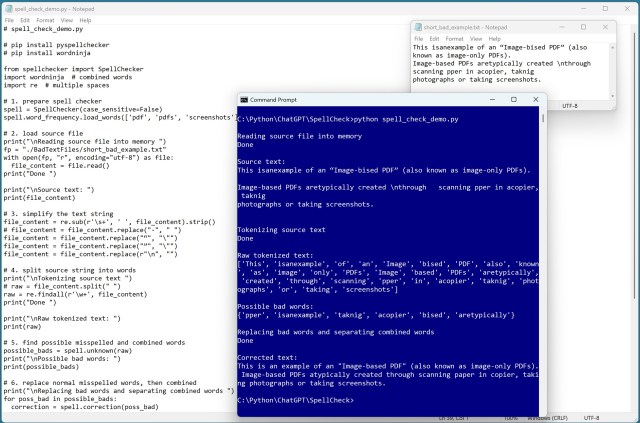
Natural language processing project involved extracting text from a rough PDF using PyMuPDF. Created a lightweight spelling correction tool for accurate text processing.
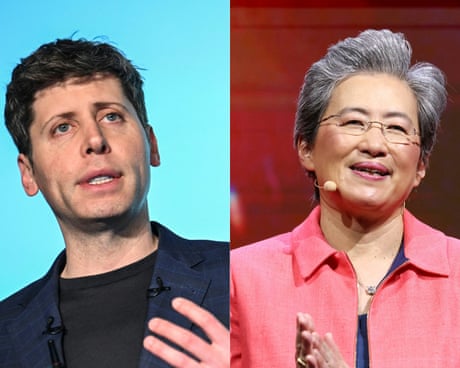
OpenAI secures option to buy 10% of AMD in multibillion-dollar chip deal. AMD's stock surges over 30% post-announcement, adding $80bn to market cap.

PowerSchool's AI assistant, PowerBuddy, enhances educational experiences with personalized insights and support. By implementing a custom content filtering solution using Amazon SageMaker AI, PowerSchool ensures student safety and fosters engagement in educational environments.

Zelda Williams urges public to cease sharing AI-generated videos of her late father, Robin Williams, calling it disrespectful and a waste of time. She emphasizes the lack of artistry and decency in creating such content, urging people to stop for the sake of everyone involved.
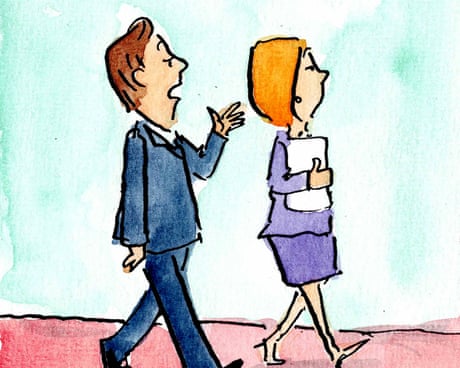
Fiona Katauskas's cartoons humorously depict the reality that someone always bears the cost.
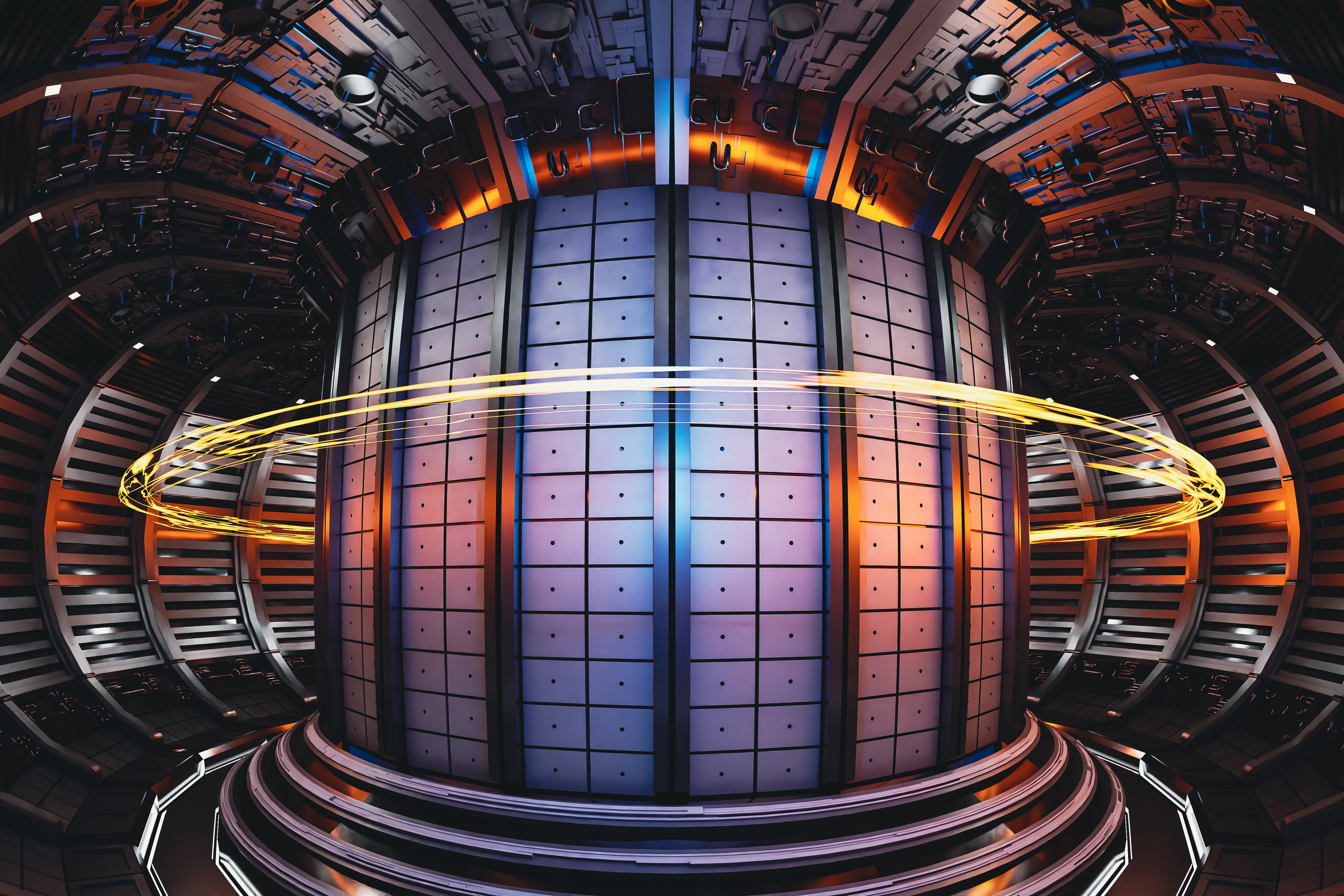
Tokamaks hold sun-like plasma for fusion energy. MIT scientists develop method to predict plasma behavior for safer fusion plants.

AI dating sites offer realistic AI girlfriends for subscribers like Eleanor, Isabelle, and Brooke, sparking debate on harmful stereotypes and exploitation in online dating. Subscribers can flirt, chat, and exchange explicit content, raising concerns despite claims of removing exploitation potential.

MIT engineers develop printable aluminum alloy 5x stronger than traditional aluminum. Machine learning helps identify ideal composition for high-strength, temperature-resistant products like jet engine fan blades.

Deloitte to issue partial refund for errors in $440,000 report, used AI. Labor senator accuses firm of "human intelligence problem."

British journalist Amandla Thomas-Johnson recounts being banned from Cornell University after attending a pro-Palestine protest on campus, shedding light on the challenges faced by non-citizens in the US. Despite having no criminal record, Thomas-Johnson's experience highlights the vulnerability of immigrants and the limits of diplomatic immunity in the country.

Ben Crick and Kamal Kaan propose learning from 'machine-wreckers' like the luddites to address modern AI challenges. Lessons from Industrial Revolution era could help tackle existential questions posed by AI today.

OpenAI's Sora 2 AI video generator sparks concerns over realistic videos depicting violence and racism, violating terms of service. Misinformation researchers warn of potential fraud and intimidation from lifelike scenes shared on social media.
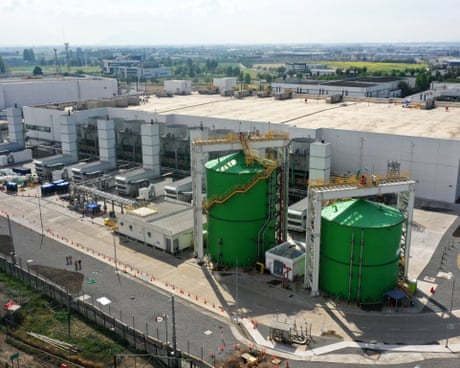
Tech companies like Google, Microsoft, and Amazon may be contributing to environmental issues through Pfas gas use at datacenters. The high electricity demands and water consumption of datacenters are already causing concerns about their impact on the environment.
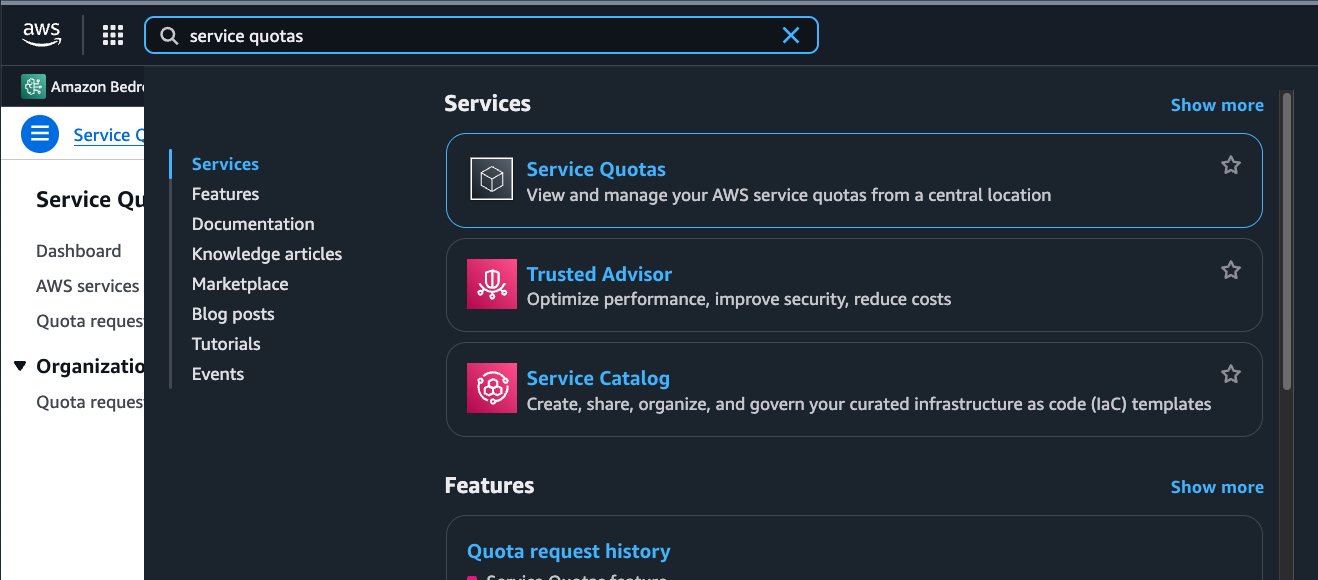
Organizations are integrating generative AI into applications for enhanced experiences. Amazon Bedrock introduces global cross-Region inference for seamless traffic handling and higher model throughput.