
The "Department of Government Efficiency" (Doge) plans to cut 50% of federal regulations using AI by January. The "Doge AI Deregulation Decision Tool" will analyze 200,000 regulations to create a "delete list".

Chinese Premier Li Qiang urges global cooperation on AI development, warns of security risks at World AI Conference in Shanghai. Proposes organization for coordination, stresses need for consensus on governance framework for AI.
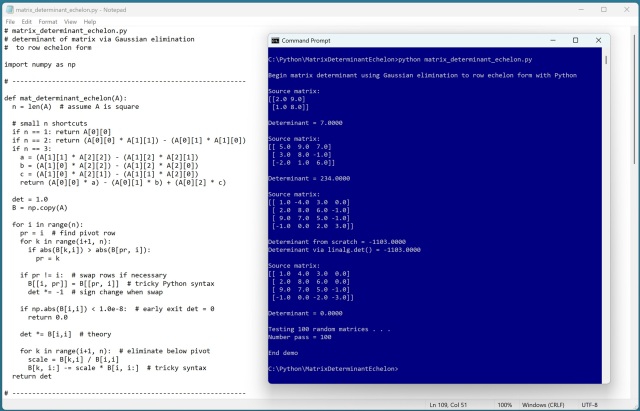
Computing matrix determinants using Gaussian elimination to row echelon form provides clear, concrete results. This technique ensures accuracy and consistency in determining the invertibility of square matrices.
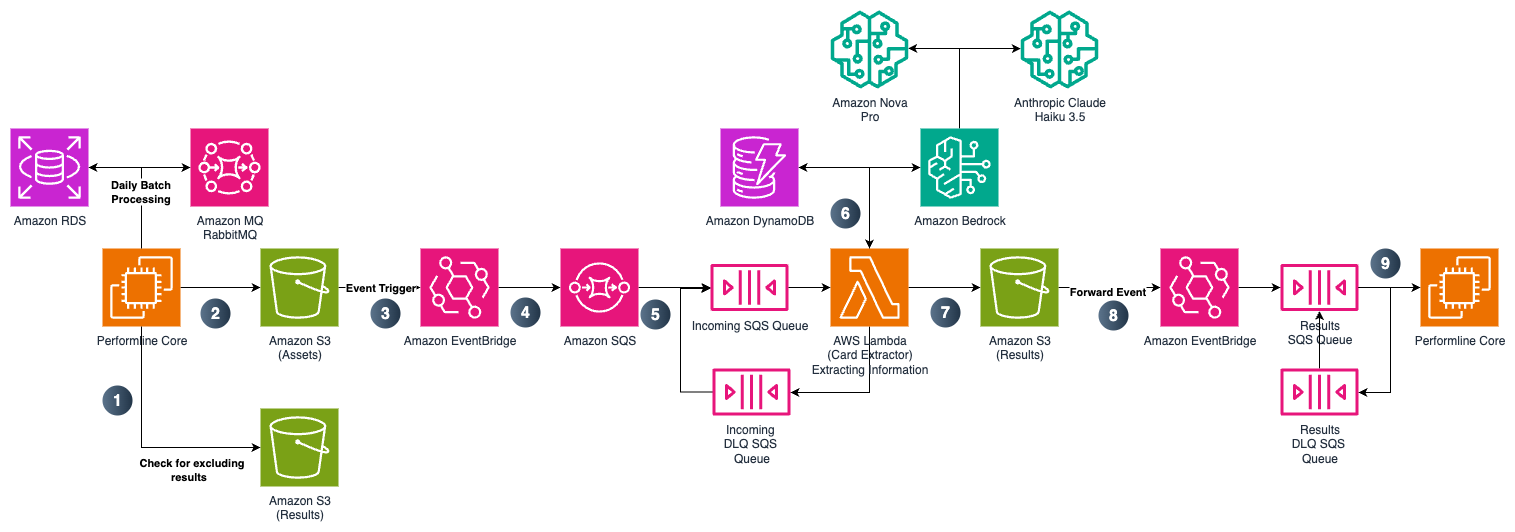
PerformLine, a leader in marketing compliance, uses AI to automate compliance oversight for consumer-facing channels, providing brands with a competitive advantage. By leveraging AWS technology, PerformLine accelerates compliance processes, ensuring speed and accuracy in monitoring millions of webpages daily.

Database of 8m handwritten census entries reveals Paris as hub for intellectuals like James Joyce in 1926, living among diverse neighbors including Russian émigrés and US writers. Joyce's life in the 7th arrondissement painted a vibrant portrait of the city's cultural richness.

Alphabet, Meta, Microsoft, and others invest millions in AI pay off as Trump vows to cut red tape at elite tech summit. President declares need for innovators to thrive without regulatory constraints, signaling a shift in tech policy focus.

ChemXploreML, a user-friendly desktop app created by researchers at MIT, democratizes machine learning in chemistry, making predictive modeling accessible to chemists without advanced programming skills. The app automates complex processes, transforms chemical structures into numerical vectors, and accurately predicts molecular properties, accelerating drug and material discovery.

Kernel ridge regression (KRR) predicts numeric values using a kernel function. It uses stochastic gradient descent (SGD) for training, preventing model overfitting.

MIT study shows 15% increase in pedestrian walking speed in northeastern U.S. cities from 1980 to 2010. Public spaces now function more as thoroughfares than meeting places, impacting urban planning.
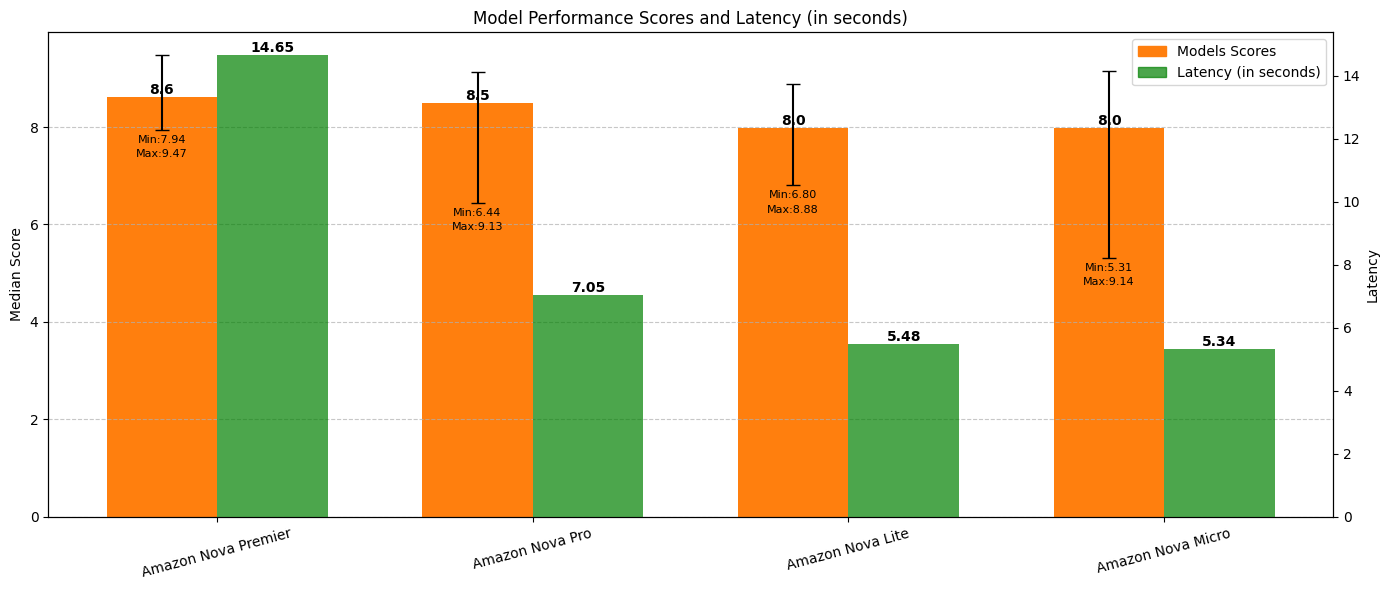
Large language models (LLMs) are crucial for various applications, but evaluating their performance is challenging. LLM-as-a-judge method offers scalable, cost-efficient evaluation, bridging automated and human judgment for fair comparisons.

Ike Barinholtz to play Elon Musk in Artificial, a film about OpenAI co-founder during CEO transition. Barinholtz, known for Emmy-nominated role in The Studio's comedy series, set to star in Luca Guadagnino-directed movie.

Study finds Google AI Overviews can cause 79% traffic loss for sites ranked below, impacting news companies' online audiences. Media owners fear AI summaries as existential threat to outlets reliant on search traffic.

MIT's CSAIL developed NJF, allowing robots to learn control through vision, not sensors, offering a new approach to robotic self-awareness. The system enables robots to autonomously learn how to achieve goals, expanding design possibilities for soft and bio-inspired robots.
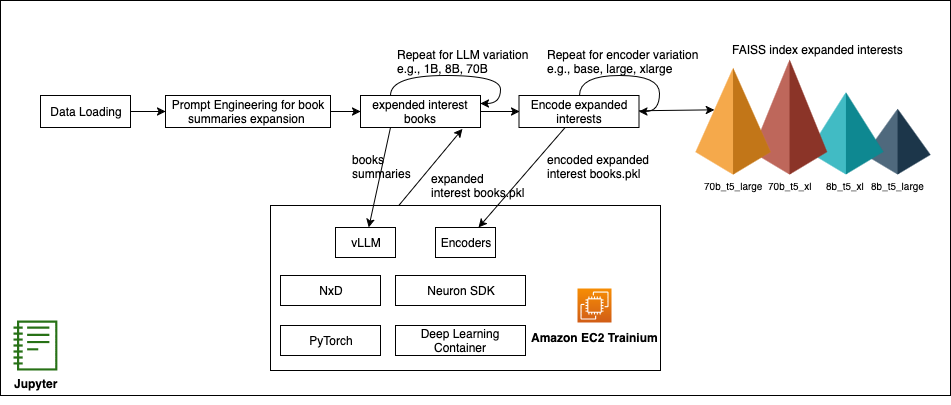
New users or fresh content often lead to generic recommendations. By leveraging vLLM and Trainium chips, AWS offers a solution for personalized, scalable recommendations without the need for extensive user interaction data.

Trump administration unveils plan to fast-track AI sector development, sparking outrage from climate advocates. Scheme aims to dismantle environmental regulations for datacenters, semiconductor facilities, and fossil fuel infrastructure.