
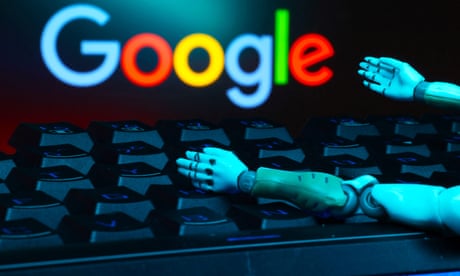
Alphabet removes ban on using AI for weapons and surveillance in updated guidelines, shifts focus from avoiding harm. The Google owner updates ethical guidelines, allowing for broader use of artificial intelligence technology.
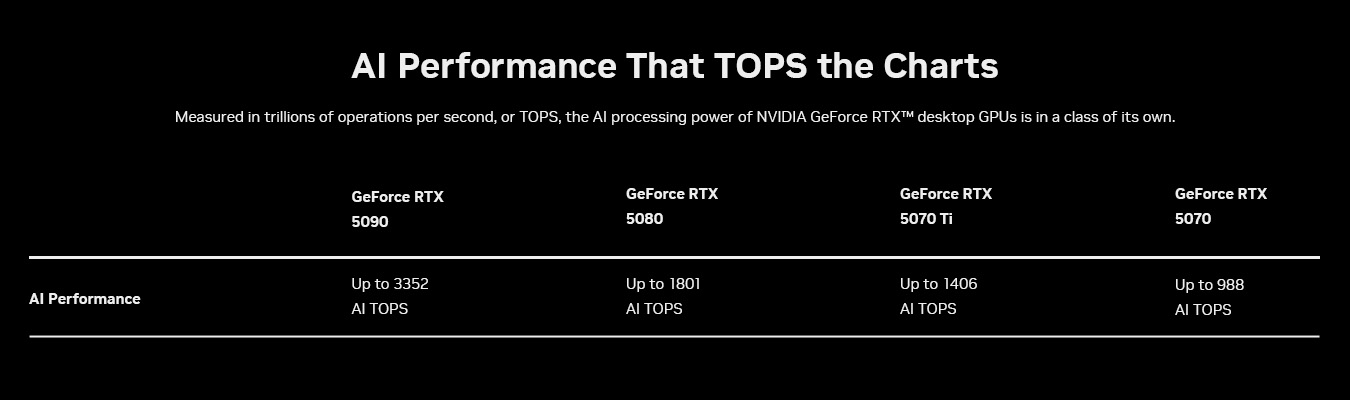
NVIDIA's GeForce RTX 5090 and 5080 GPUs, based on Blackwell architecture, offer 8x faster frame rates with DLSS 4 technology. NVIDIA NIM microservices and AI Blueprints for RTX enable easy access to generative AI models on PCs, accelerating AI development across platforms.
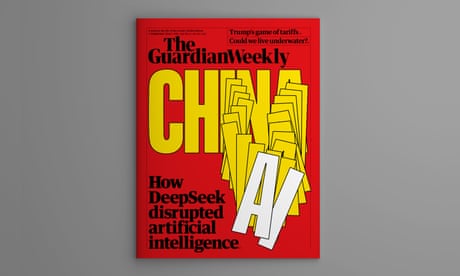
Chinese-developed chatbot DeepSeek challenges US tech supremacy with cheaper, energy-efficient AI tool. Despite limitations, its rapid rise highlights economic implications over technical advancements.
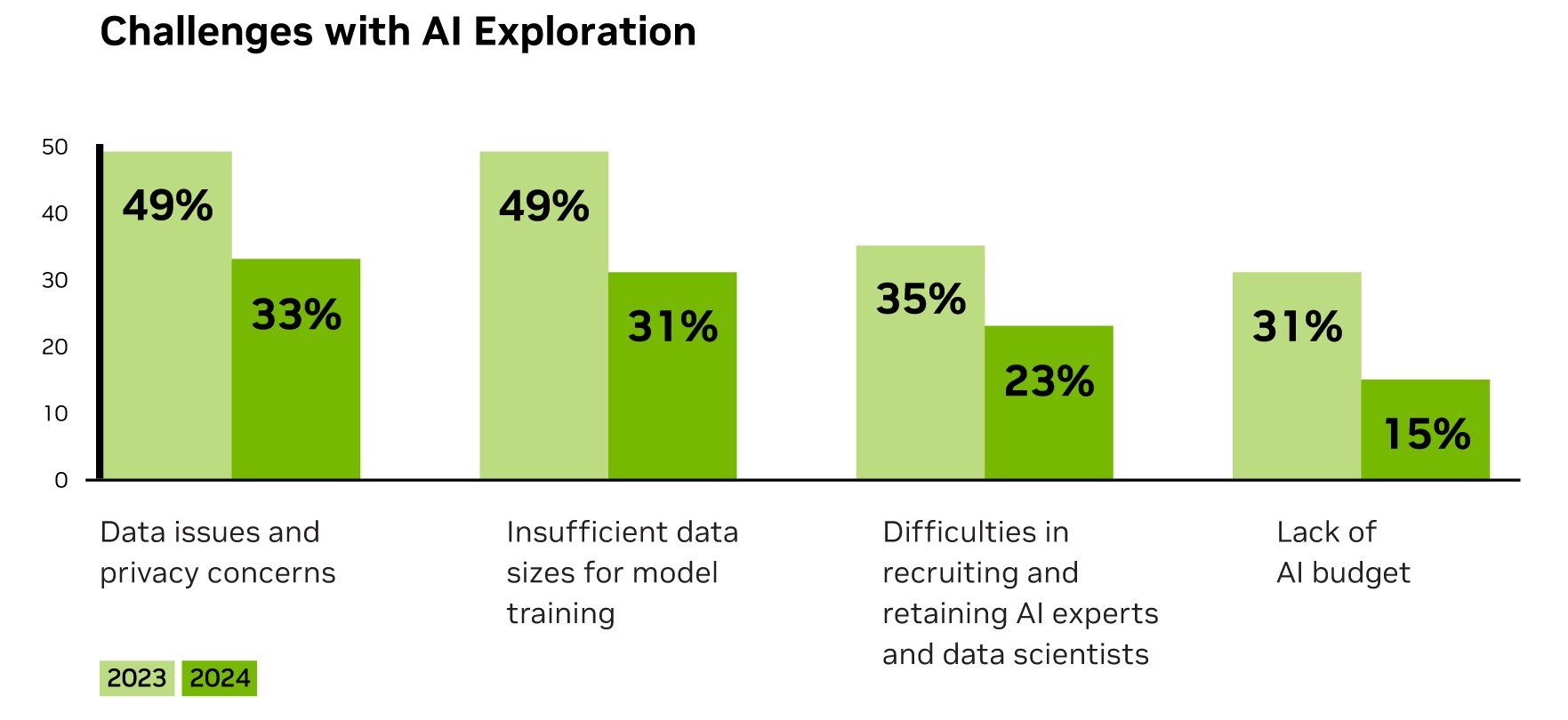
Financial institutions are leveraging AI for revenue growth and cost savings, with NVIDIA's report showing a significant increase in AI adoption and proficiency. Generative AI is driving ROI in trading, customer engagement, and more, as companies overcome barriers to successful AI deployment.
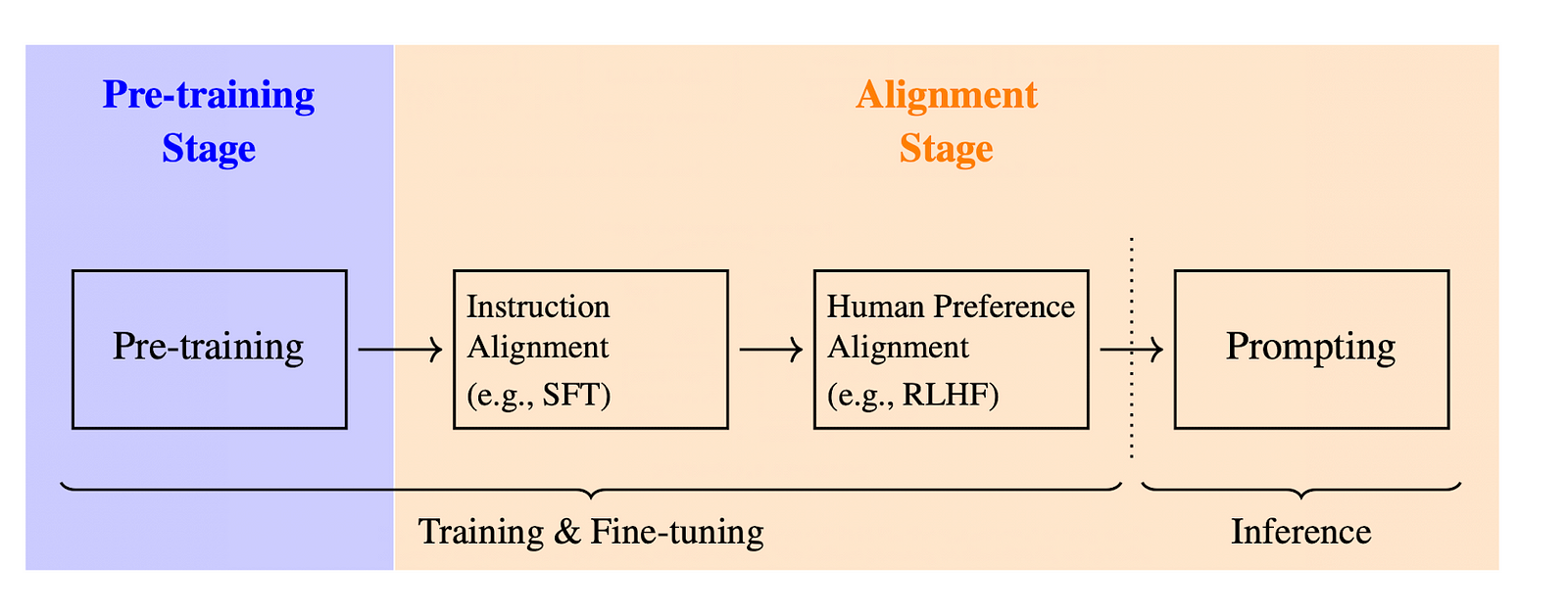
Deepseek's cost-effective AI performance is turning heads. Learn about Reinforcement Learning in Large Language Model training, focusing on TRPO, PPO, and GRPO. Explore RL basics using a maze analogy, and how it applies to LLMs for refining responses based on human feedback.

DeepSeek's launch sparks shockwaves, AI arms race fears rise. Paris AI summit agenda, young minds share hopes and fears.
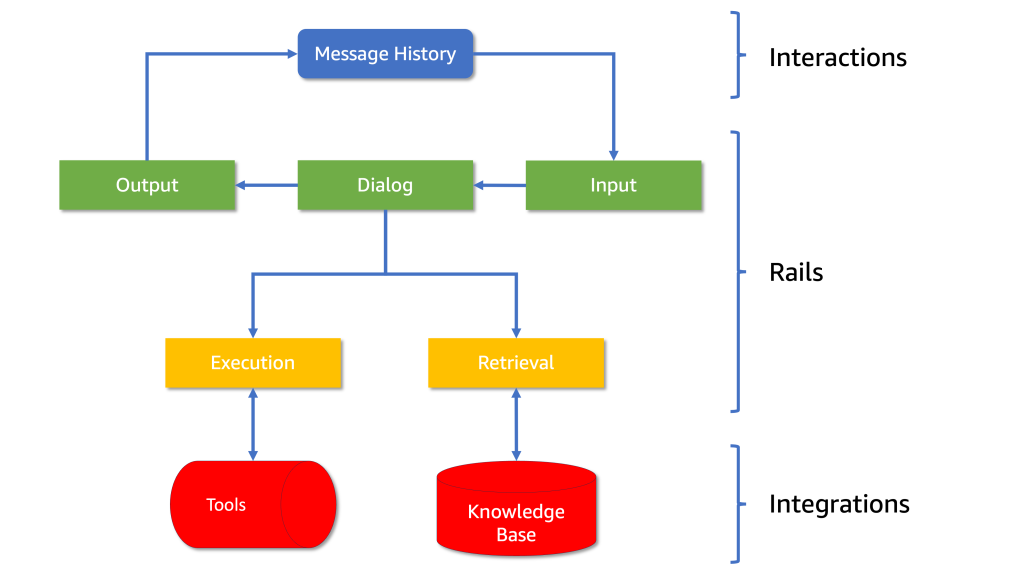
Businesses are using LLMs to enhance customer engagement, facing challenges in staying on topic. AnyCompany Pet Supplies leverages NeMo Guardrails for AI assistant, conversation flows, and data integration to improve customer experiences.

Keir Starmer skips AI summit in Paris, missing chance to meet with Macron, Modi, Vance, and Musk. PM's absence from international conference, started by Rishi Sunak, raises eyebrows.
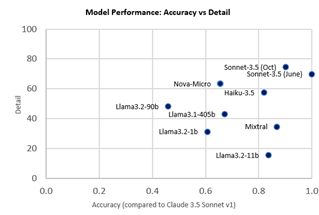
Trellix Wise, powered by AI, automates threat investigation for security teams, saving time and expanding coverage. Trellix's partnership with Amazon Nova Micro delivers faster inferences at a significantly lower cost, optimizing investigations.
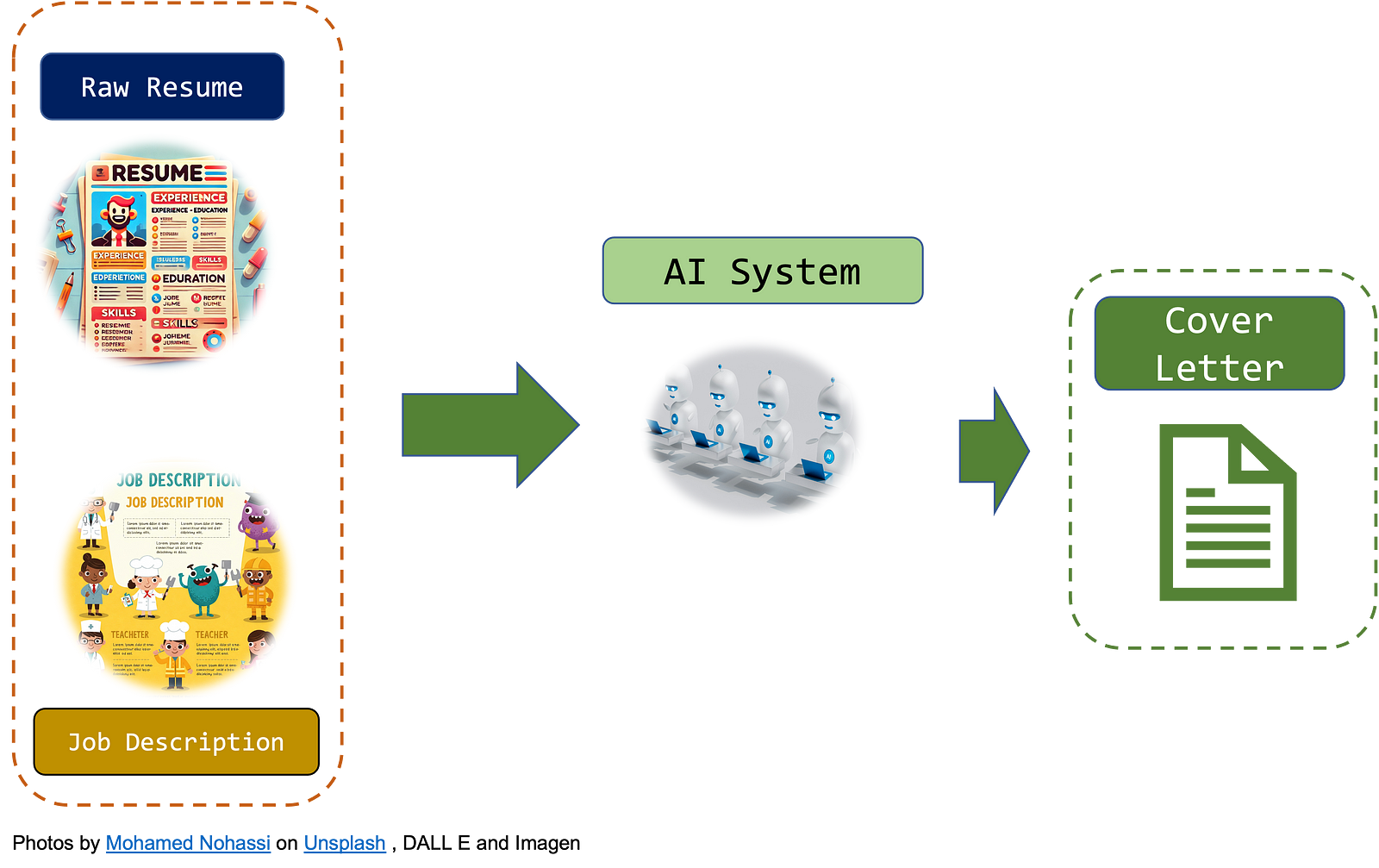
Build your own Cover Letter AI Generator App using Python with code from a public Github folder. AI tools like ChatGPT can help tailor resumes for specific companies, changing the job market game.

Learn how to enhance your RAG application by mimicking human reasoning under a multi-agent framework. Discover how to improve data retrieval and reasoning processes for more accurate results.
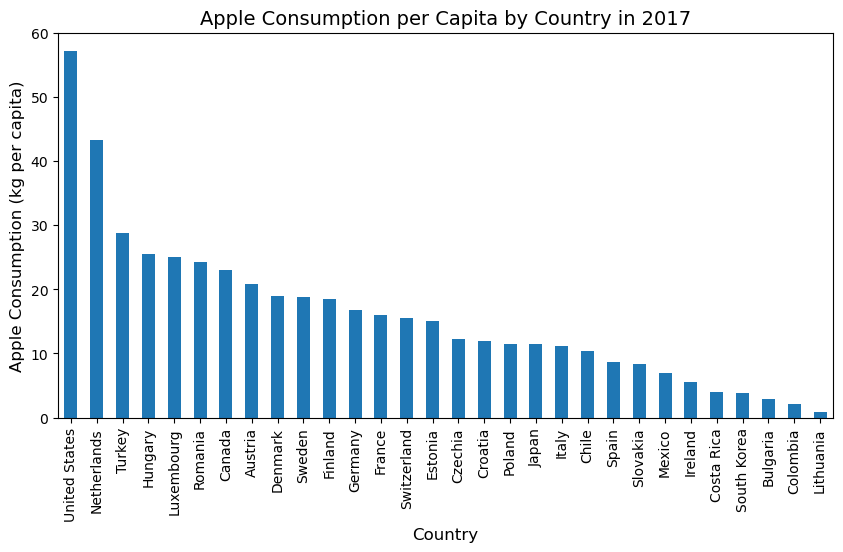
Popular saying "An apple a day keeps the doctor away" put to the test with real-world data. Results show very weak correlation, challenging the myth.

Yann LeCun from Meta predicts AI revolution by end of decade. Current systems too limited for domestic robots and automated cars.
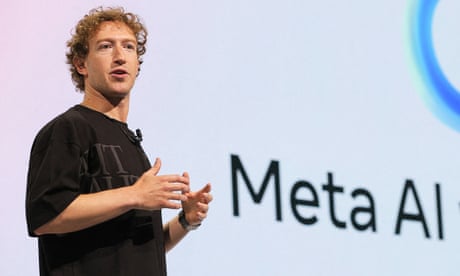
Meta and Microsoft are investing tens of billions to expand AI infrastructure, building on previous lavish investments in the technology. Stay tuned for more Elon Musk news on TechScape.

BBC criticized Apple Intelligence for inaccurate news summaries, prompting Apple to pause the tool. The AI's errors included false reports about high-profile figures like Benjamin Netanyahu and Rafael Nadal.