
MIT and IBM researchers improve LLMs for travel planning by combining them with algorithms and solvers to create user-friendly AI travel brokers. The new technique can identify constraints, propose alternatives, and help users develop realistic and logical travel plans efficiently.
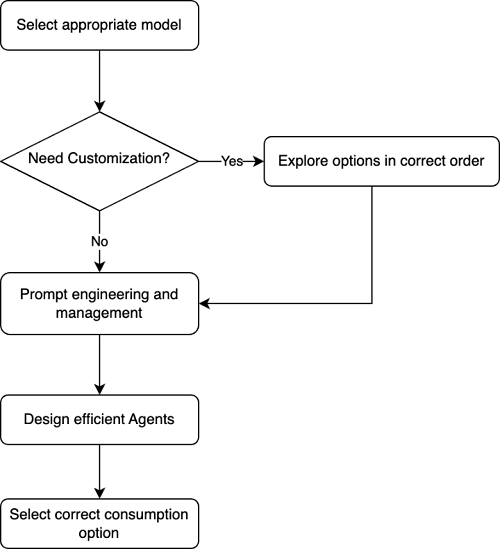
Generative AI is increasingly used to boost efficiency and innovation in various industries, but costs can escalate. Amazon Bedrock offers high-performing models and cost optimization techniques for building generative AI applications.
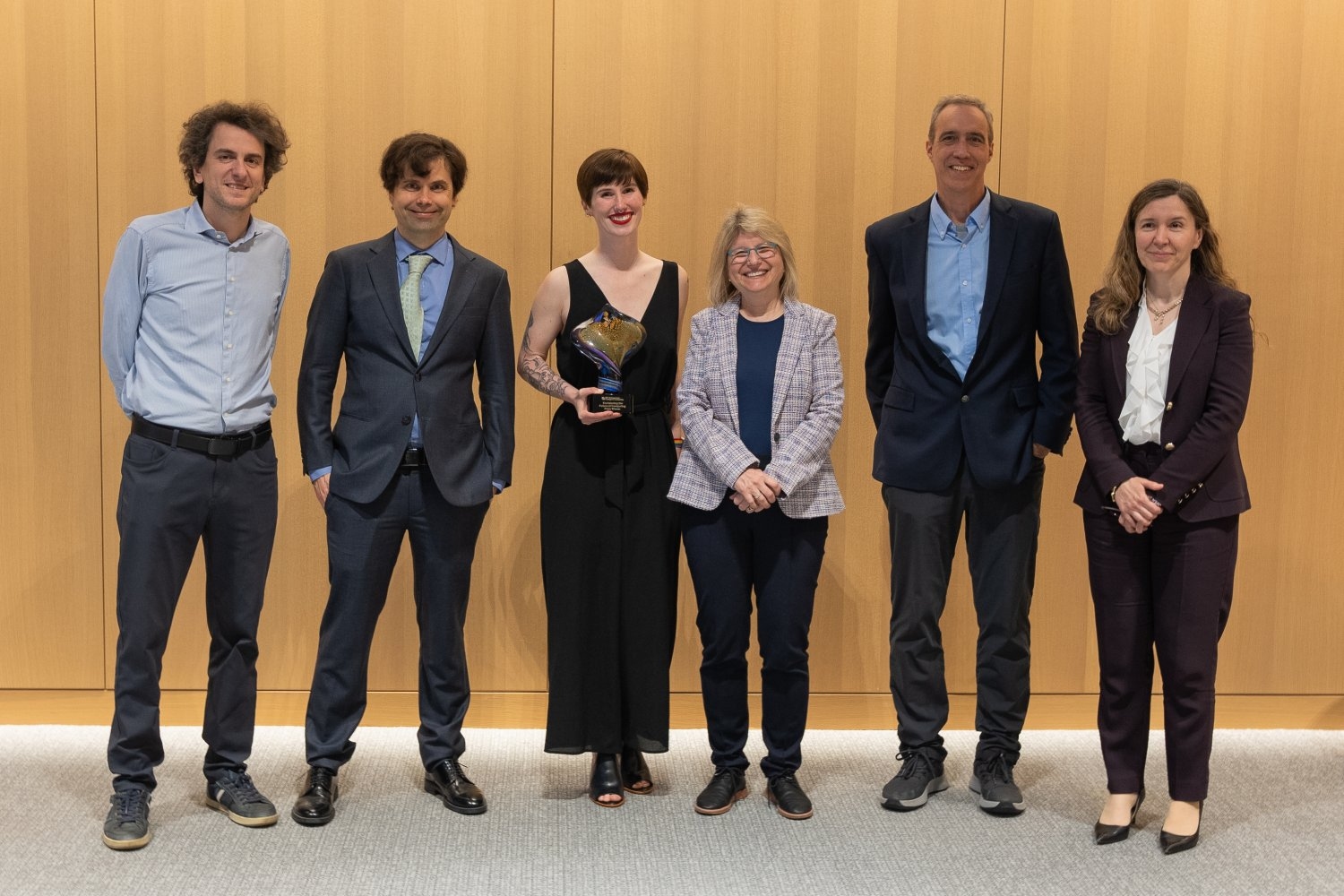
MIT's Envisioning the Future of Computing Prize winner, Annaliese Meyer, introduces B-Bots, synthetic bacterial mimics for gut health. Meyer's cautionary tale of a subscription-based health care model highlights potential harm in a for-profit system.

A package of AI tools named Humphrey will train all civil servants in England and Wales to enhance productivity. Chancellor Pat McFadden leads initiative to overhaul civil service with practical AI training for 400,000+ employees.

WPP CEO Mark Read to step down after 30 years, as AI threatens advertising industry. Shares hit 5-year low.

Music lecturer at a major UK university expresses concern over AI's impact on academia, suspecting students of using AI to write essays and music, leaving academics feeling powerless and unsure how to address the issue. The rapid rise of AI in education raises questions about academic integrity and the proper use of AI tools in universities, highlighting the challenges faced by educators in thi...
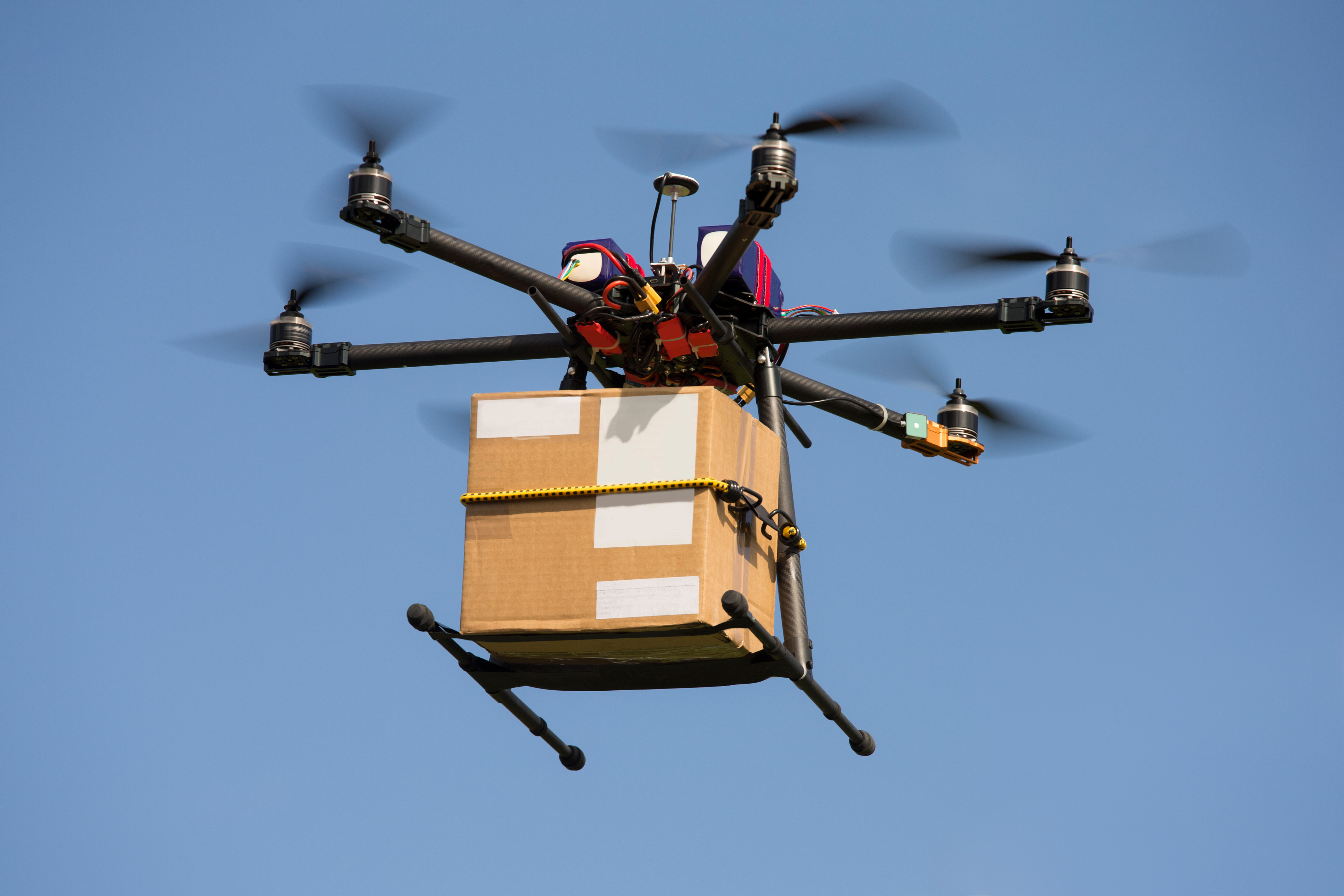
MIT researchers developed a machine learning-based adaptive control algorithm for autonomous drones to navigate unpredictable forces like gusty winds. The technique automatically chooses the best optimization algorithm to minimize trajectory tracking error by 50% in simulations, promising efficient parcel delivery and fire monitoring in challenging conditions.
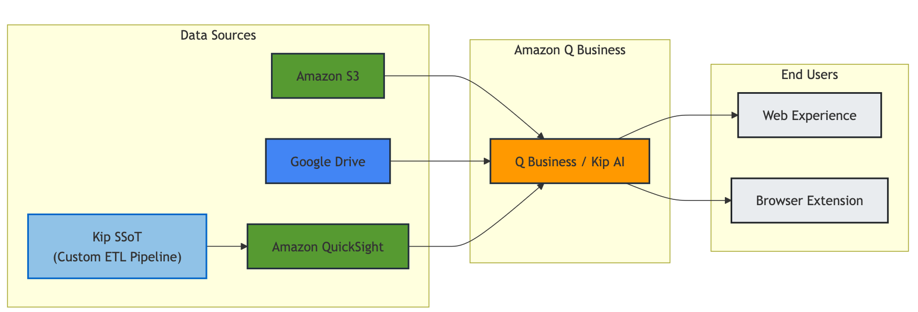
Kepler Group leveraged Amazon Q Business to democratize AI access, saving 2.7 hours per week per employee. The decision was driven by seamless integration with AWS and strict security compliance.

Apple researchers discover limitations in advanced AI models, raising doubts about industry's pursuit of more powerful systems. Large reasoning models face accuracy collapse when dealing with complex problems, according to Apple's paper.

Stability AI accused by Getty Images of training AI on copyrighted photos, sparking copyright case threat to generative AI industry. High court in London hears Getty's claims of copyright and trademark infringement against Stability AI for using its photography archives.

Apple's AI announcements at WWDC focused on incremental upgrades like live translation and Workout Buddy app with AI-generated voice. Despite pressure to compete, Apple's new features fall short compared to Android's existing capabilities.

Coactive, founded by Cody Coleman ’13 and William Gaviria Rojas ’13, uses AI to analyze unstructured visual data for faster, better business decisions. The platform helps companies process images, audio, and video at scale, empowering humans to work more efficiently and solve new problems.

NVIDIA's Jensen Huang and U.K. PM Starmer kick off London Tech Week, signaling AI's integration into national policy and economy. The U.K. plans to invest £1 billion in AI research compute by 2030, showcasing a commitment to AI innovation and skills development.

WPP leads AI-generated campaigns with Meta allowing firms to create ads. AI rapidly transforms global advertising, with WPP investing £300m yearly in data and tech.
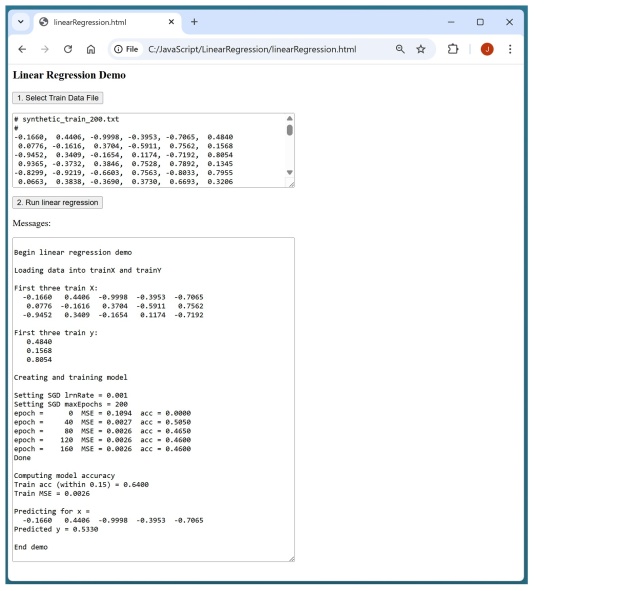
Linear regression prediction system demoed using JavaScript on client side for simplicity. Trained model achieved 64.00% accuracy due to non-linear data structure. Renowned artist Robert McGinnis, known for iconic book covers and movie posters, recently passed away.