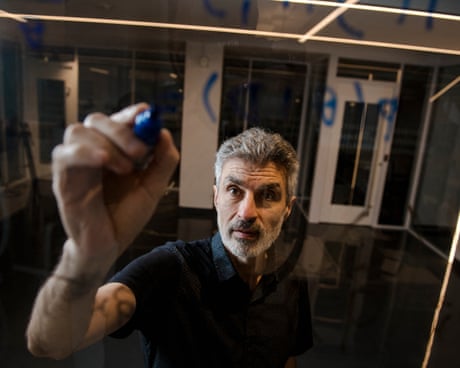
Yoshua Bengio launches LawZero to develop honest AI, preventing rogue systems from deceiving humans in the $1tn AI arms race. Bengio, an AI godfather, aims to create a guardrail against malicious AI agents.
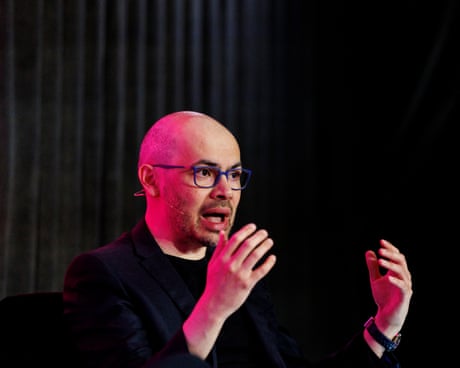
Demis Hassabis of Google DeepMind aims to use AI to streamline email management, tackling inbox overload with next-gen email technology. The goal is to automate mundane tasks like sorting and replying to emails, ultimately reducing the stress of inbox management.
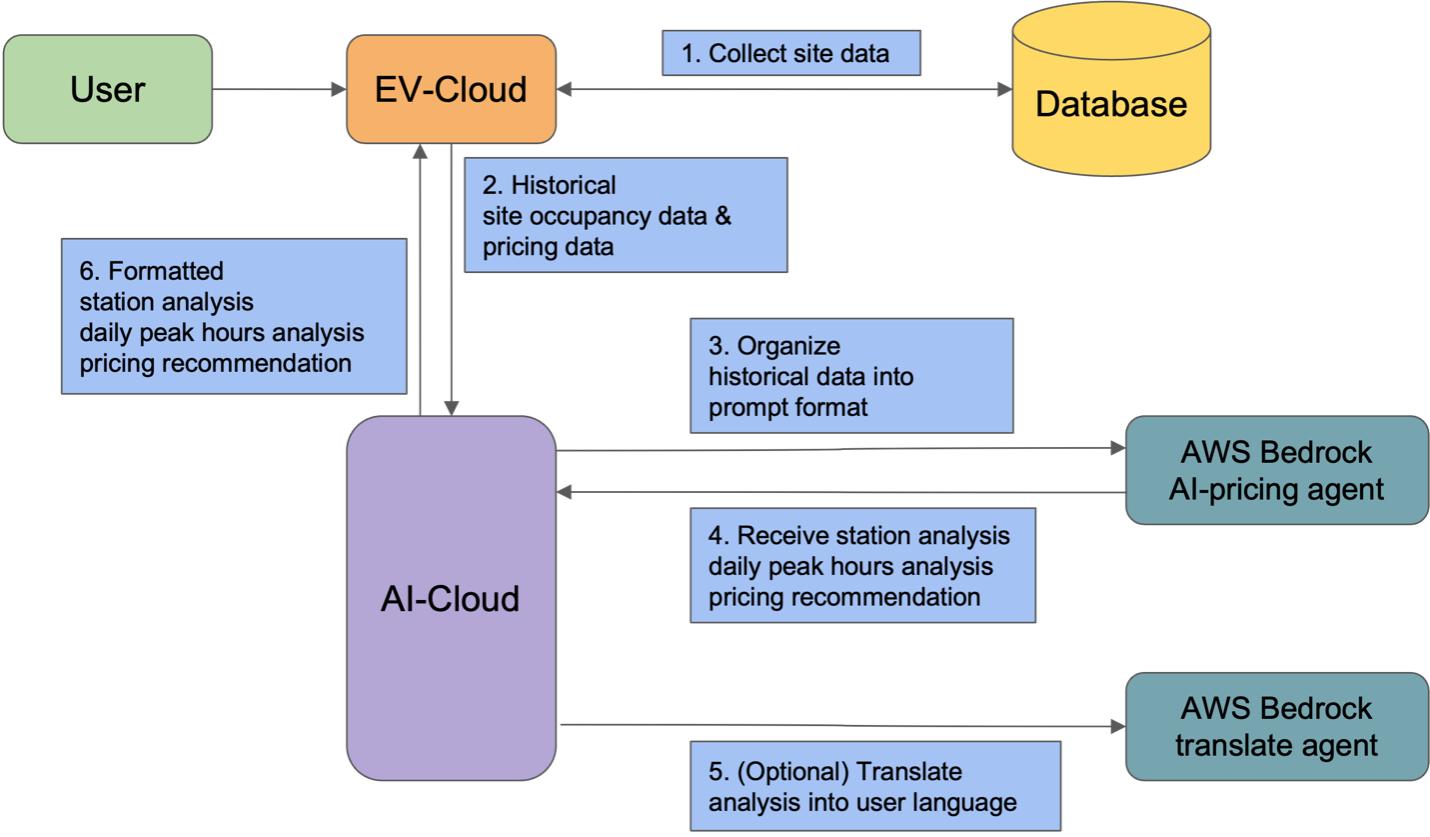
Noodoe leverages AI and Amazon Bedrock to optimize EV charging operations, offering intelligent automation, real-time data access, and tailored pricing recommendations. This innovative approach enhances efficiency, sustainability, and customer satisfaction in the competitive EV charging industry.
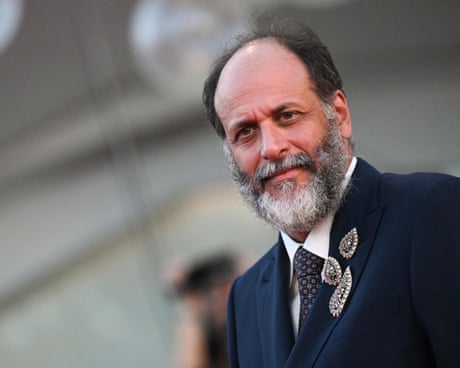
Luca Guadagnino in talks to direct 'Artificial,' a film on OpenAI drama involving Sam Altman's firing and rehiring in 2023. The comedic drama offers a peek behind the scenes at OpenAI during a tumultuous period.
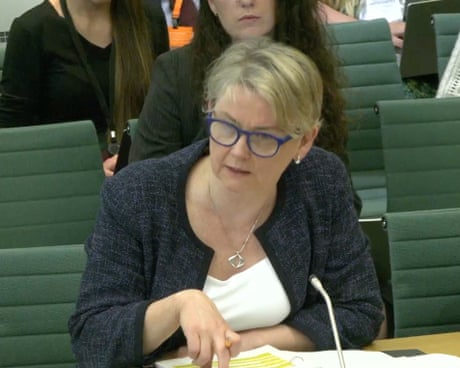
Home secretary faces pressure on police due to early release proposals. Defence sources predict UK will commit to 3.5% GDP defense spending target by 2035 at Nato summit. Lords challenge government over data bill, accusing them of neglecting creative industries against AI.
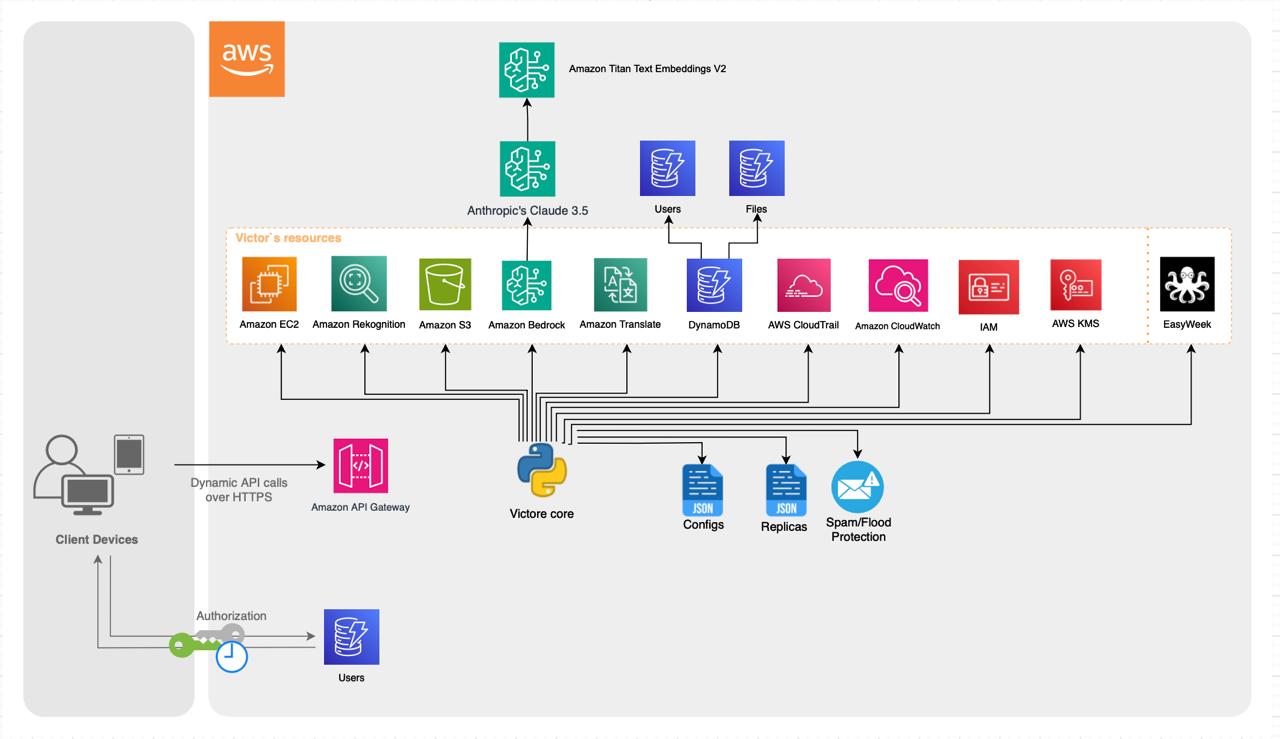
Bevar Ukraine's AI assistant Victor aids Ukrainian refugees in Denmark, using AWS services for scalability and data security. The system, developed by volunteer software developers, leverages Anthropic's Claude 3.5 LLM for natural, engaging responses.
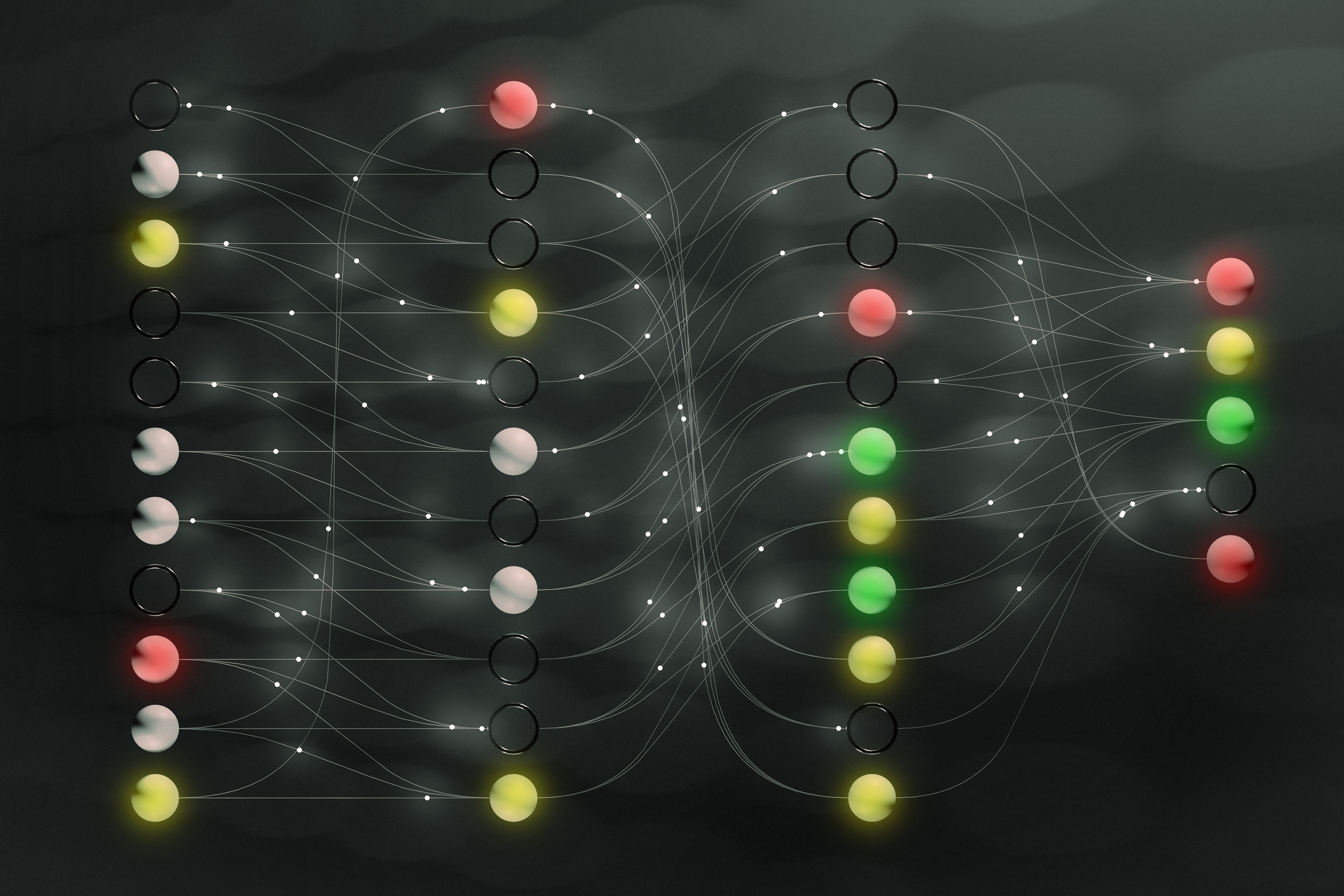
Themis AI enhances AI models to detect and correct uncertainties and biases, ensuring reliability in high-stakes applications. The MIT spinout offers a solution to improve AI models and prevent devastating consequences by forecasting failures before they happen.

Fraudsters exploit streaming services with fake AI-generated tracks, impacting indie artists. The music industry faces a battle as manipulation tactics grow on platforms like Spotify and Apple Music.

Ewan Morrison explores generative AI's limits with ChatGPT, inventing fake book titles. He resists AI in his work, wary of its potential harm and human costs of technology.
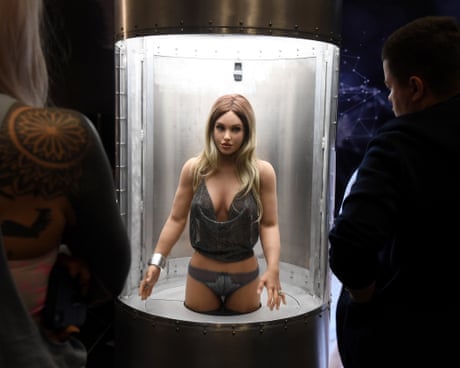
Global investment in AI is surging, with Nvidia leading the way. Concerns about ethics and inclusivity are being overshadowed in the AI frenzy.
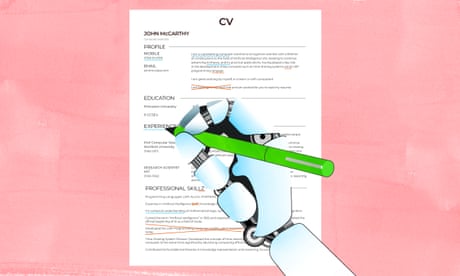
Generative AI transforming entry-level jobs; influencers monetizing AI-generated text. New AI test predicts prostate cancer drug benefits.
Meta secures first nuclear power deal with Constellation Energy to keep US reactor running for 20 years, following Google and Microsoft's agreements to power datacenters with nuclear energy. Big tech companies are turning to nuclear power as US power demand increases due to AI and datacenter needs.
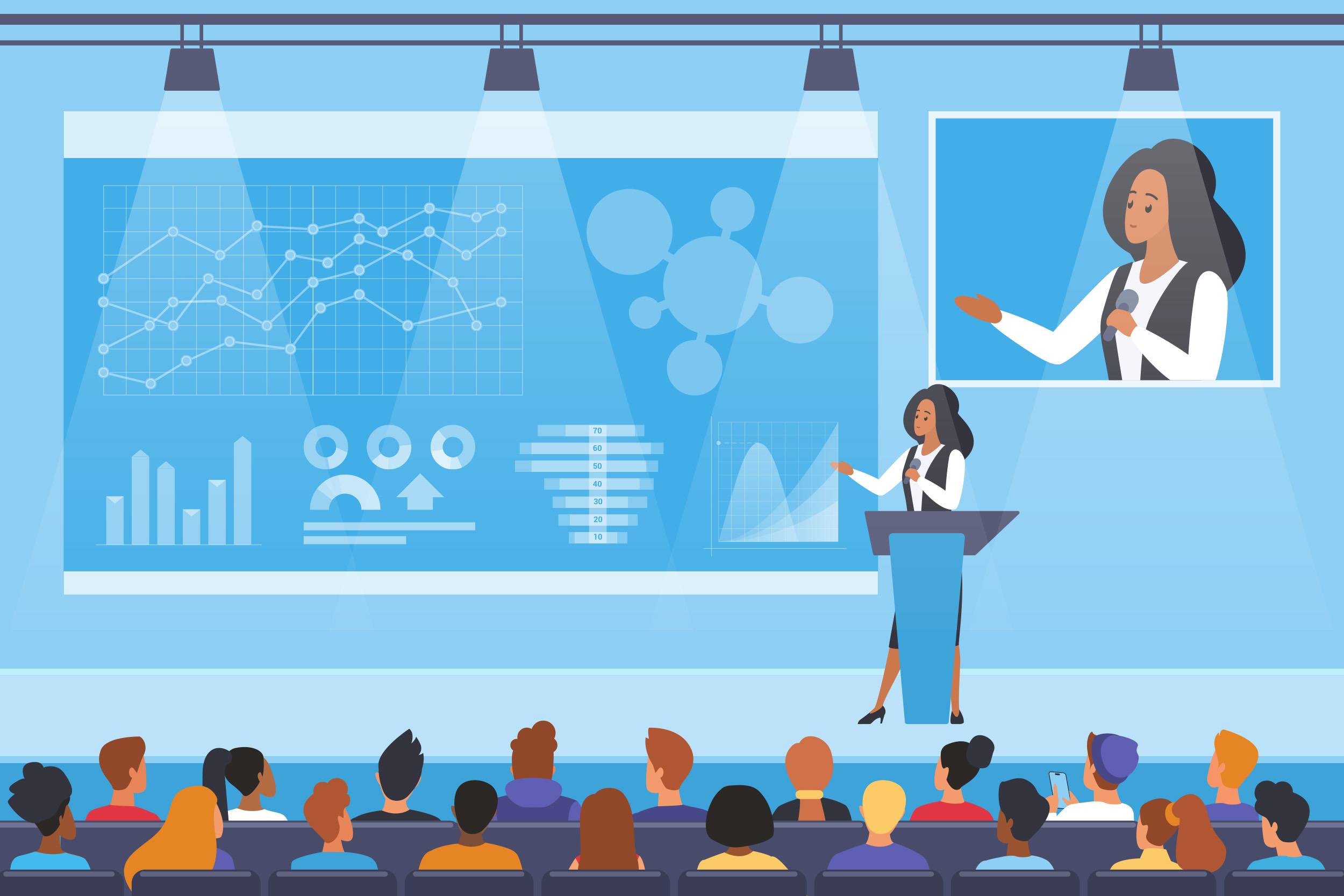
Leo Anthony Celi of MIT addresses bias in AI training data, highlighting flaws and proposing solutions for more accurate models. He emphasizes the importance of teaching students to thoroughly evaluate data to prevent biases in AI applications.
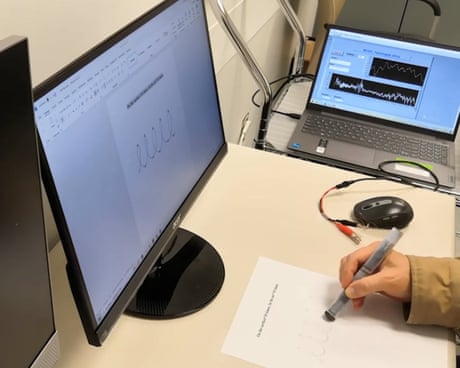
AI machine learning analyzes handwriting-generated electrical signals to detect Parkinson's tremors using a 3D-printed magnetic ink pen. Early diagnosis aids in accessing support for the 10 million individuals worldwide living with Parkinson's disease.
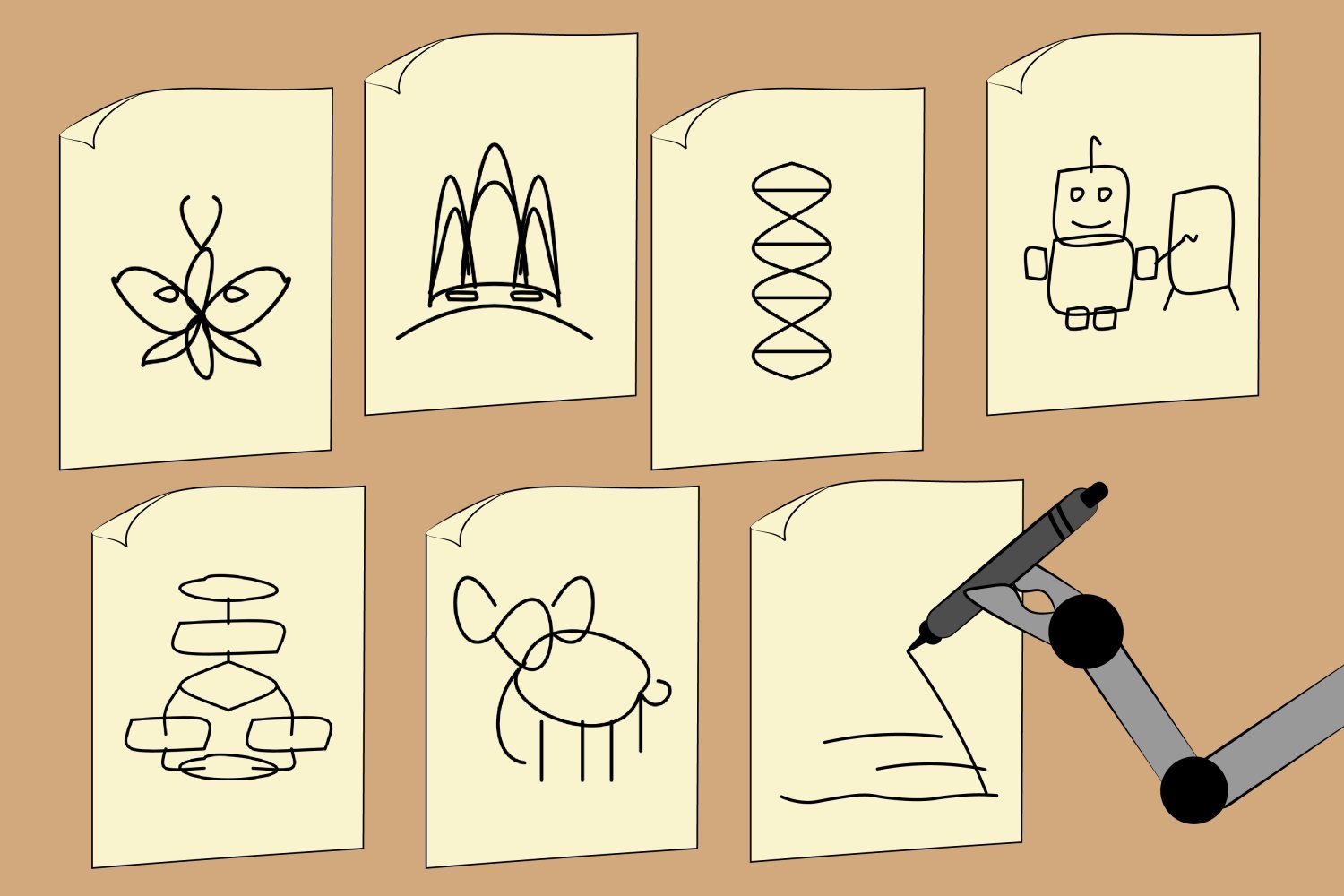
MIT and Stanford develop SketchAgent, an AI system that creates sketches stroke-by-stroke based on natural language prompts. The tool aims to revolutionize how humans communicate with AI through a more natural and iterative drawing process.