
Breaking into the tech world is challenging due to fierce competition, but standing out with niche job search techniques can boost your chances. Utilize advanced search methods like Boolean search on platforms like LinkedIn to discover specific job opportunities quickly.

Children’s commissioner calls for ban on AI 'nudification' apps creating deepfake images of minors. Teenage girls fear exploitation.
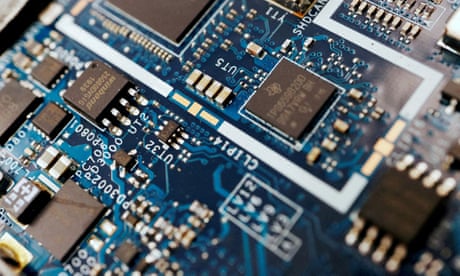
EU's plan to supply 20% of global semiconductor chips by 2030 deemed 'aspirational' by auditors. Report finds strategy disconnected from reality due to booming global demand for semiconductors.

Feel-Write, an AI-powered journaling app, raises concerns about trust in AI systems handling sensitive data, prompting a shift towards stronger data governance and accountability. The rush to integrate AI tools often overlooks the importance of trust, highlighting the need for responsible decision-making in building with AI, especially when dealing with personal information.

OpenAI's latest PDF introduces LLM Agents, systems that independently perform tasks. These agents provide actionable outputs, revolutionizing AI integration in pipelines.
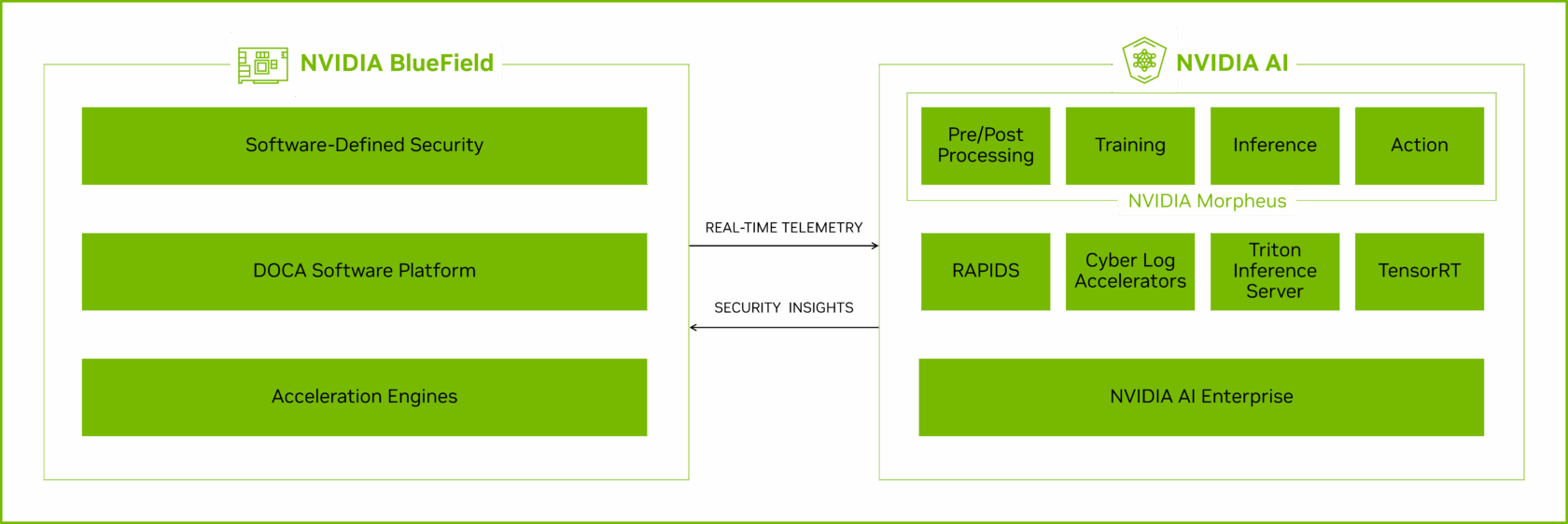
NVIDIA introduces DOCA Argus for AI factory cybersecurity, offering real-time threat detection without impacting performance. Collaboration with Cisco delivers a Secure AI Factory architecture for scalable, secure AI deployment.
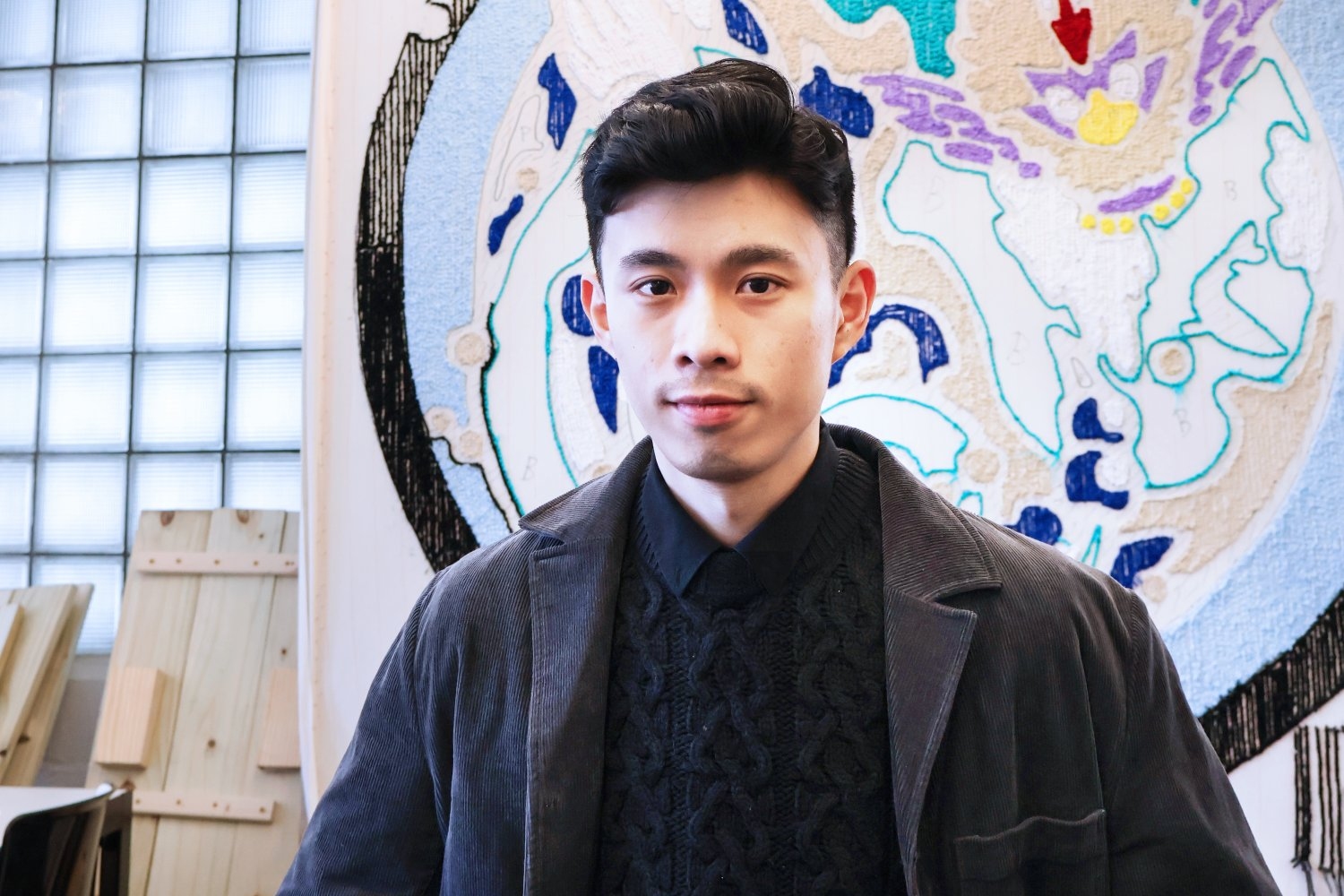
MIT MAD Fellow Alexander Htet Kyaw combines AI, AR, and robotics to revolutionize online furniture shopping with Curator AI. His innovations have the potential to transform how we interact with our environment and simplify complex processes.

Modern vision transformers use noise to enhance object detection performance, with recent models incorporating deformable aggregation and spatial anchors. The Hungarian algorithm in DETR transformer matching poses stability challenges, impacting query training objectives.

Transformers utilize tensors for processing information, ensuring dimensional coherence and proper information flow. Multi-Head Attention mechanism is a critical component in Transformers, splitting matrices for parallelization and enhanced learning.
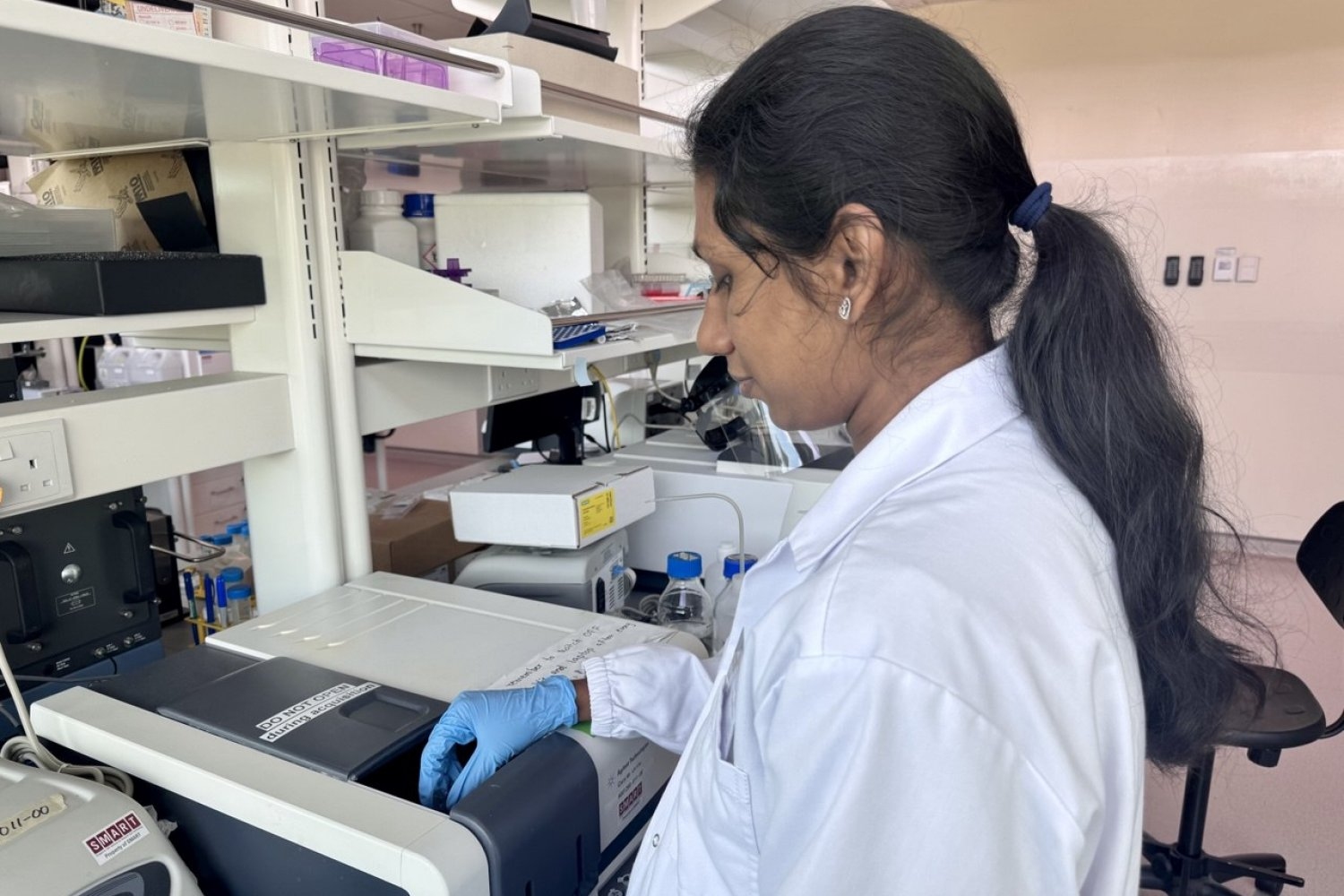
Researchers from SMART, MIT, ASTAR, and NUS develop a rapid method for detecting microbial contamination in cell therapy products, reducing testing time and benefiting critically ill patients. The machine learning-aided UV absorbance spectroscopy offers label-free, noninvasive detection in under half an hour, providing a cost-effective and efficient solution for ensuring the safety of cell ther...

Avoiding American products is a growing trend, with alternatives like Bio-D and Faith in Nature. Concerns raised over Trump's comments on Greenland and Crimea.

GenAI is not just hype, it has real-world applications & generates revenue for companies. Learn how to power your application with large Language Models (LLMs) by defining use cases & choosing the right model.

Microsoft predicts the rise of 'frontier firms' where humans direct AI agents to complete tasks, making everyone a boss of AI employees. The new business model involves human workers overseeing autonomous AI agents in carrying out tasks, ushering in a new era of workplace dynamics.
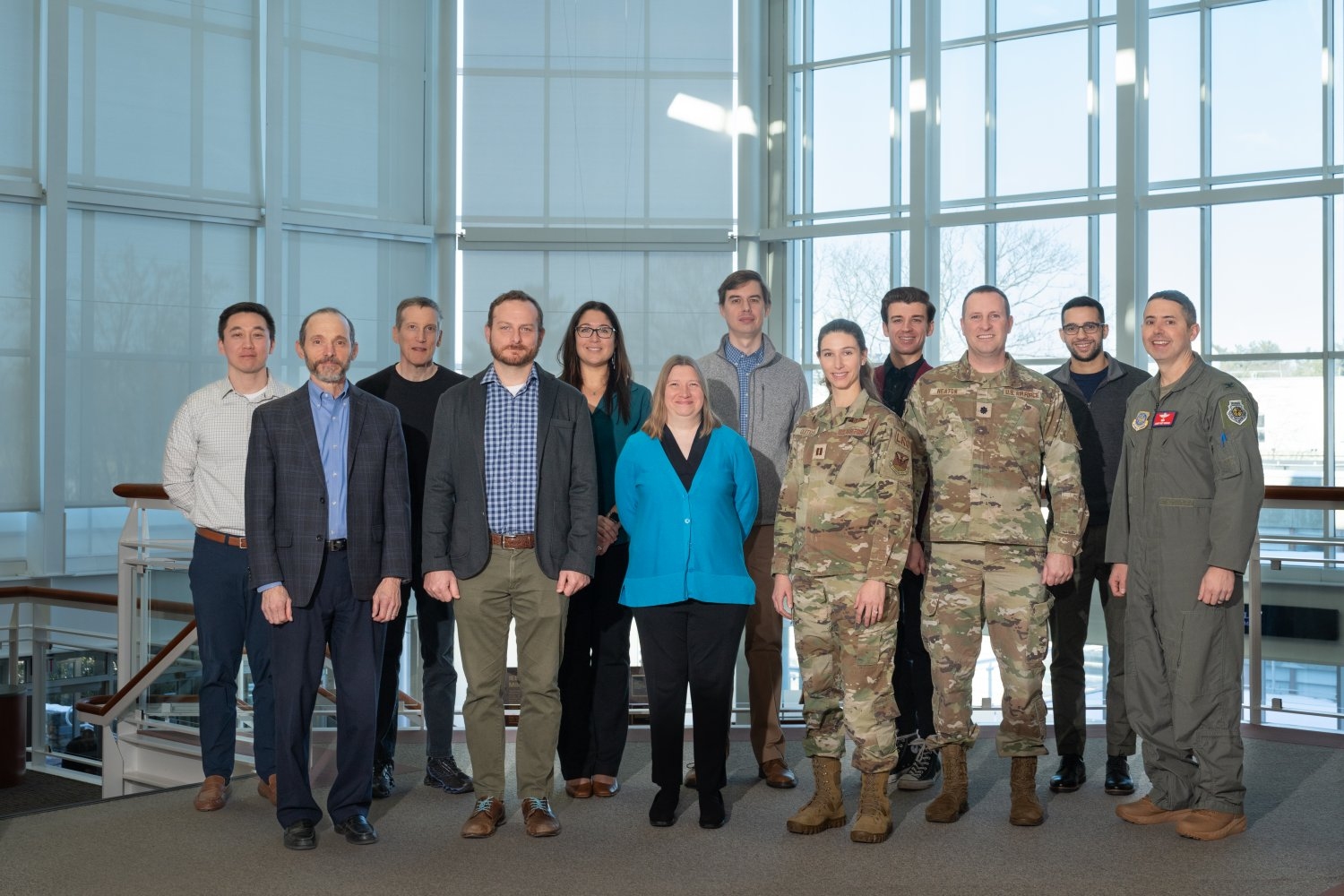
The Air Mobility Command's 618th AOC is enhancing mission planning with AI-powered chat tools developed by Lincoln Laboratory. Natural language processing enables quick trend analysis and intelligent search capabilities for critical decision-making in the U.S. Air Force.
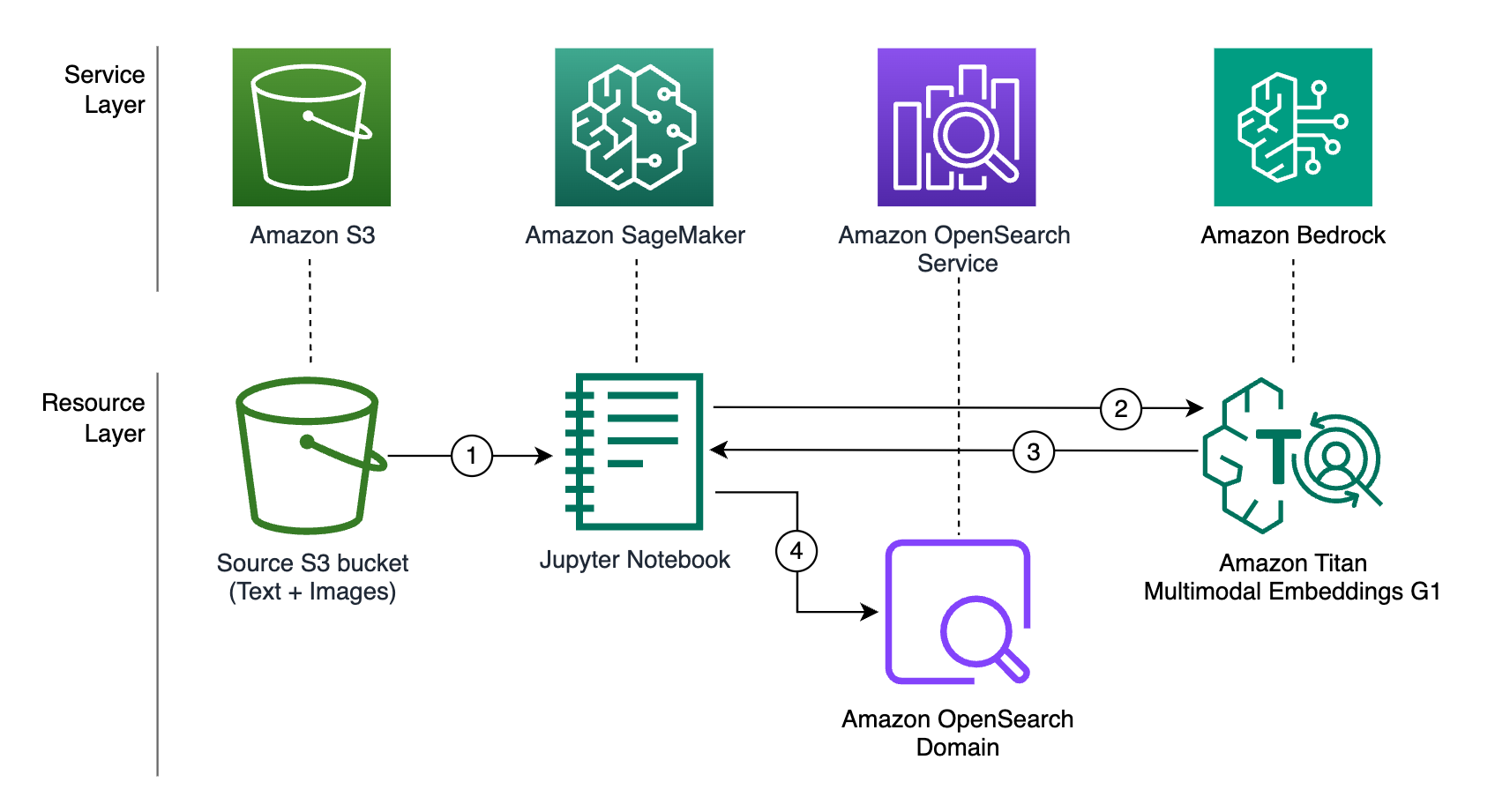
Enhancing user experience and driving business metrics, advanced search technologies like semantic search are crucial for modern ecommerce success. Combining keyword search and semantic search, hybrid search delivers more accurate results, with Amazon OpenSearch Service being a recommended tool for seamless integration.