
Topic models like BERTopic and FASTopic classify customer texts to track satisfaction metrics. New bigram models provide more detailed insights for business decisions.
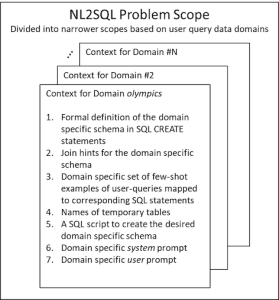
Recent advances in generative AI have led to the evolution of NL2SQL technology, simplifying database queries. AWS and Cisco teams developed a methodology for accurate and scalable NL2SQL solutions for enterprise data, addressing challenges like complex schemas and diverse queries.

Supreme court's gender ruling on toilet access faces rural obstacles due to public toilet closures in Devon. Potential successors to Pope Francis are mostly older men, prompting reflections on retirement timing.
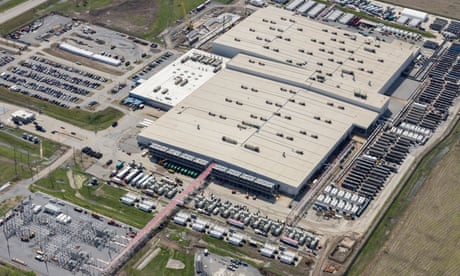
Elon Musk's xAI supercomputer in Memphis faces pollution controversy. Public hearing scheduled amid anonymous leaflets and environmental concerns.
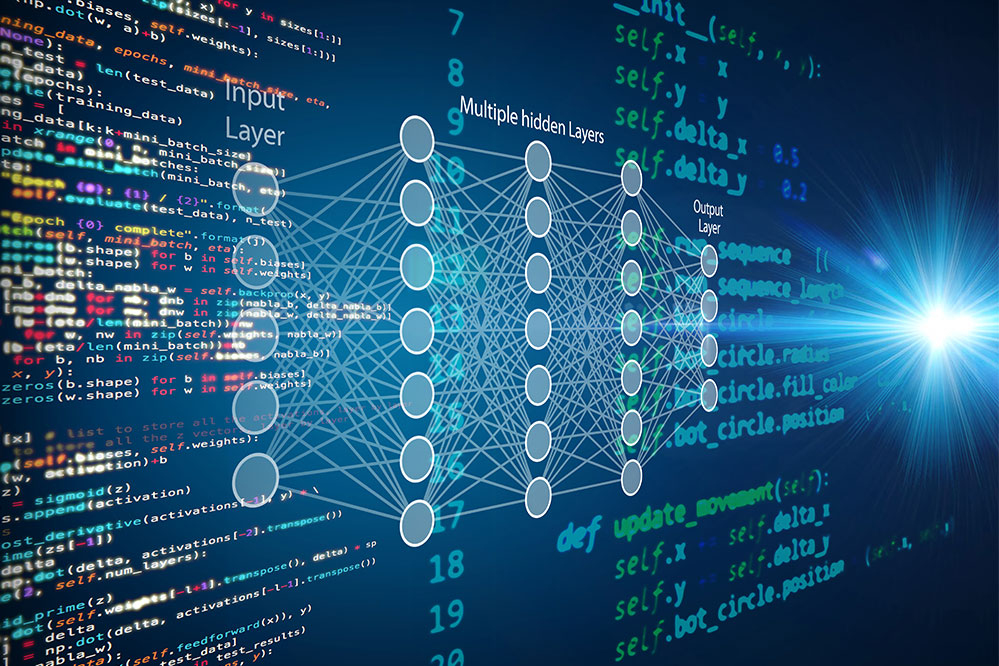
MIT researchers developed a new diagram-based language for optimizing deep-learning algorithms, simplifying complex tasks to napkin-sized drawings. The method focuses on efficient resource usage, particularly for large AI models like ChatGPT, using diagrams to represent parallelized operations on GPUs from companies like NVIDIA.

The State Bar of California to seek score adjustments for February bar exam due to AI-developed questions and platform crashes. Multiple-choice questions on the test were created with the help of artificial intelligence.

Data and Machine Learning used to predict NBA Champion; reframing task as regression problem to predict Champion Share. Model highlights degrees of success in playoffs, offering surprising insights for 2024-25 Playoffs.

Specialist editors create crucial promos for blockbusters. AI-made movie trailer falls flat, deemed 'awful' by critics.

An AI version of Stephen Fry's voice will give a talk at Hay Festival, showcasing the wonders and pitfalls of AI. Visitors can record their voice with Fry's "vocal double" in a soundproof booth, with an unexpected twist in the experience.
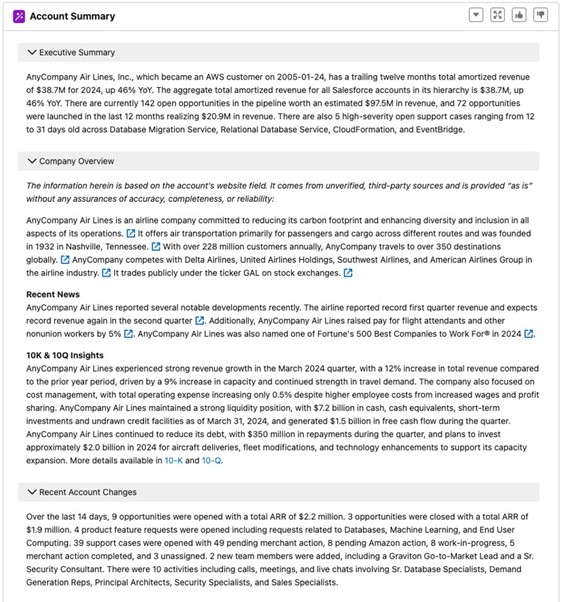
AWS Field Experience (AFX) leverages Amazon Bedrock and AI to streamline sales workflows, with Account Summaries providing comprehensive customer insights. AFX's migration to the Amazon Nova Lite model led to a 90% reduction in costs, enabling faster, more efficient seller interactions and high favorability rates.

The launch of DeepSeek-R1 rivals Meta and OpenAI, offering advanced reasoning capabilities at a fraction of the cost. Explore how to evaluate DeepSeek-R1's distilled models using recognized benchmarks like GPQA-Diamond.
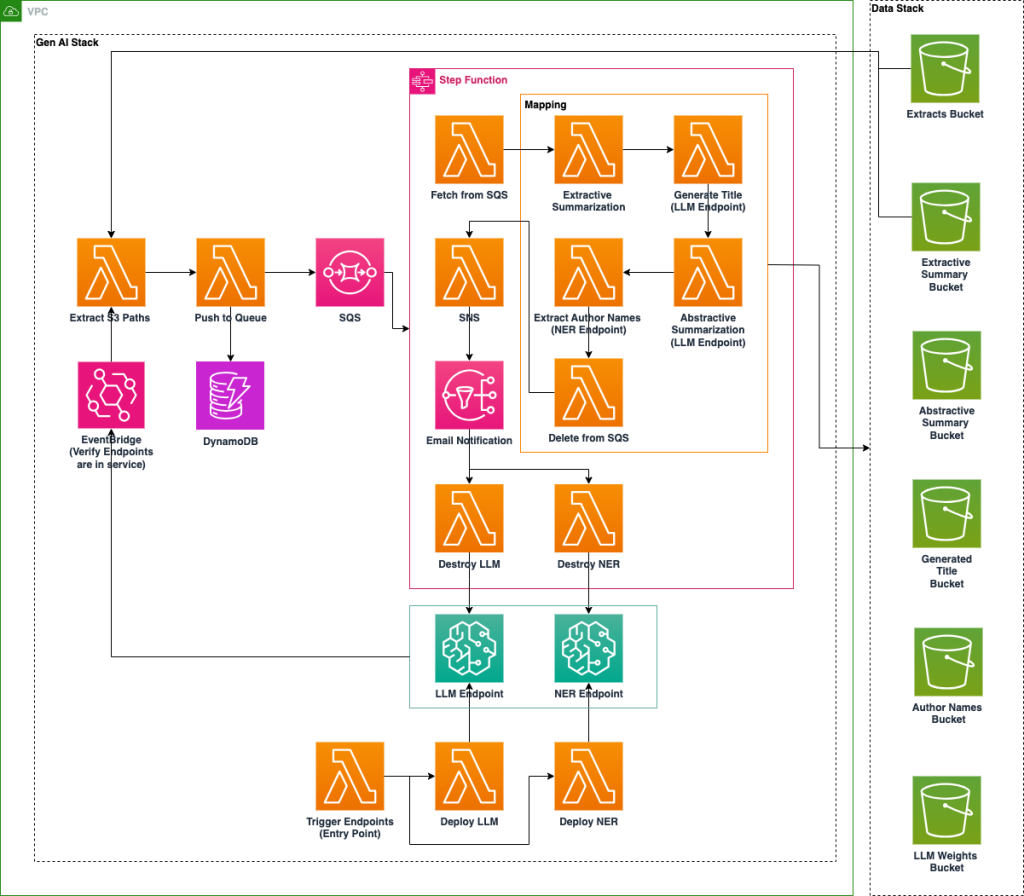
A U.S. National Laboratory implements AI platform on Amazon SageMaker to enhance accessibility of archival data through NER and LLM technologies. The cost-optimized system automates metadata enrichment, document classification, and summarization for improved document organization and retrieval.
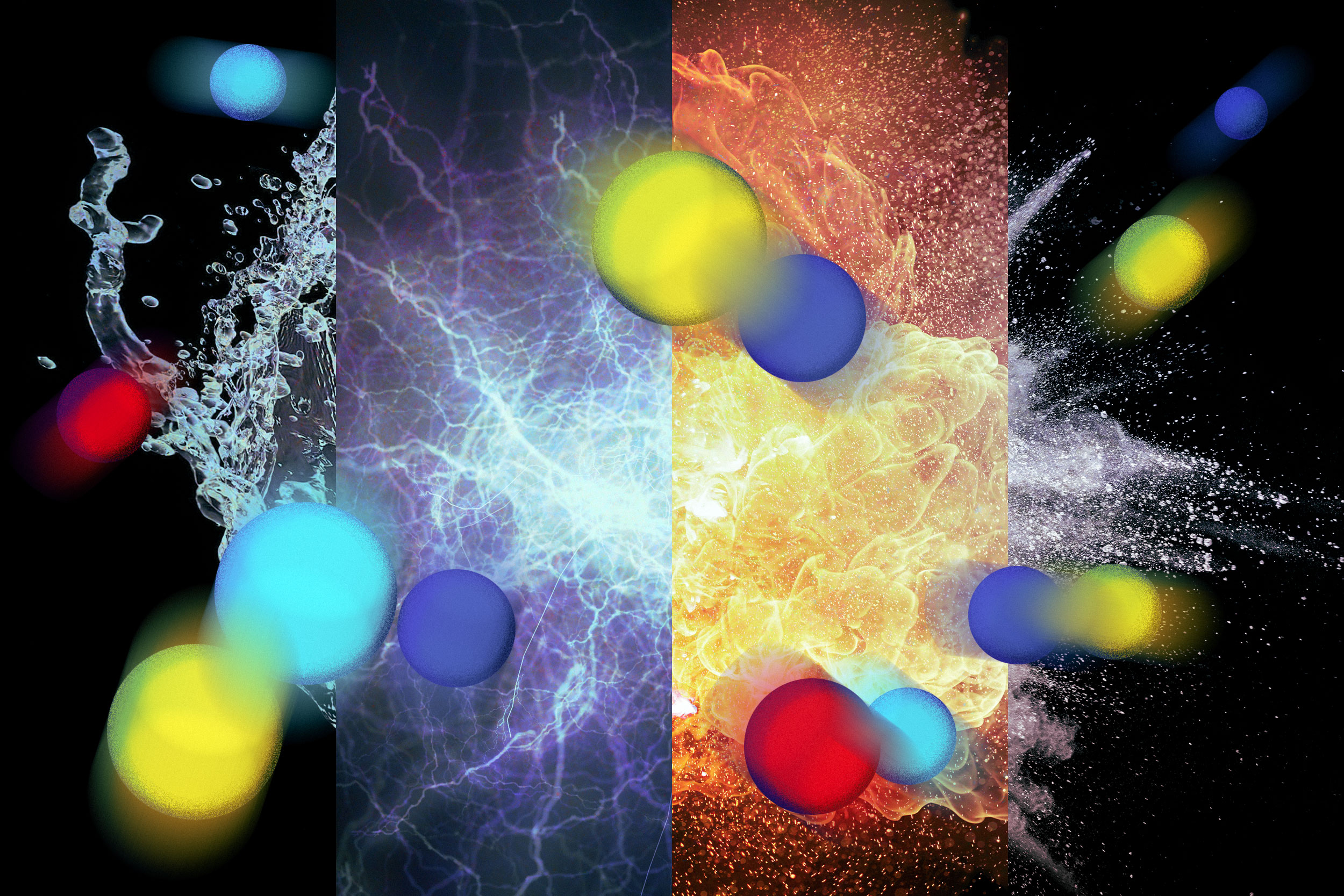
MIT researchers have developed a machine-learning model that predicts chemical reaction transition states in less than a second, aiding in the design of sustainable processes to create useful compounds. The model could streamline the process of designing pharmaceuticals and fuels, making it easier for chemists to utilize abundant natural resources efficiently.
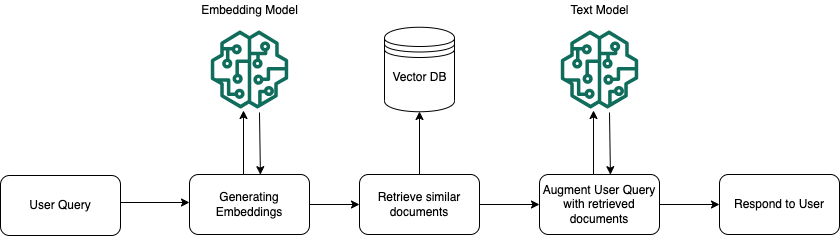
RAG applications enhance AI tasks with contextually relevant info, but require careful security measures to protect sensitive data. AWS offers generative AI security strategies like Amazon Bedrock Knowledge Bases to safeguard privacy and create appropriate threat models.
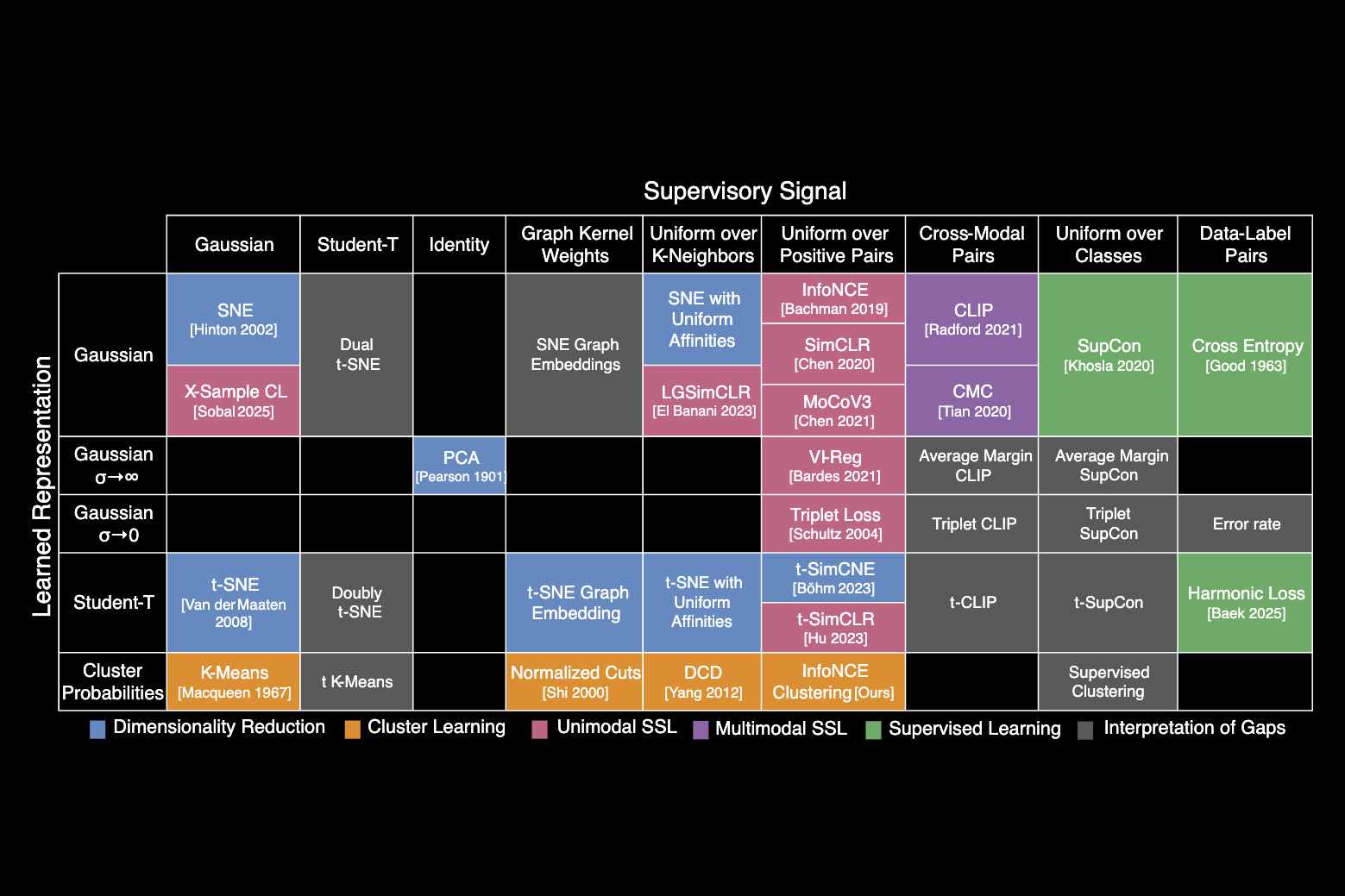
MIT researchers developed a periodic table of machine learning algorithms, revealing connections and a unifying equation. The table allows for the creation of new AI models by combining elements from different methods.