

Larry Ellison envisions AI-powered surveillance future where citizens are constantly monitored through cameras and drones to prevent crime. Oracle co-founder promotes automated oversight and alerts for police accountability through AI technology.
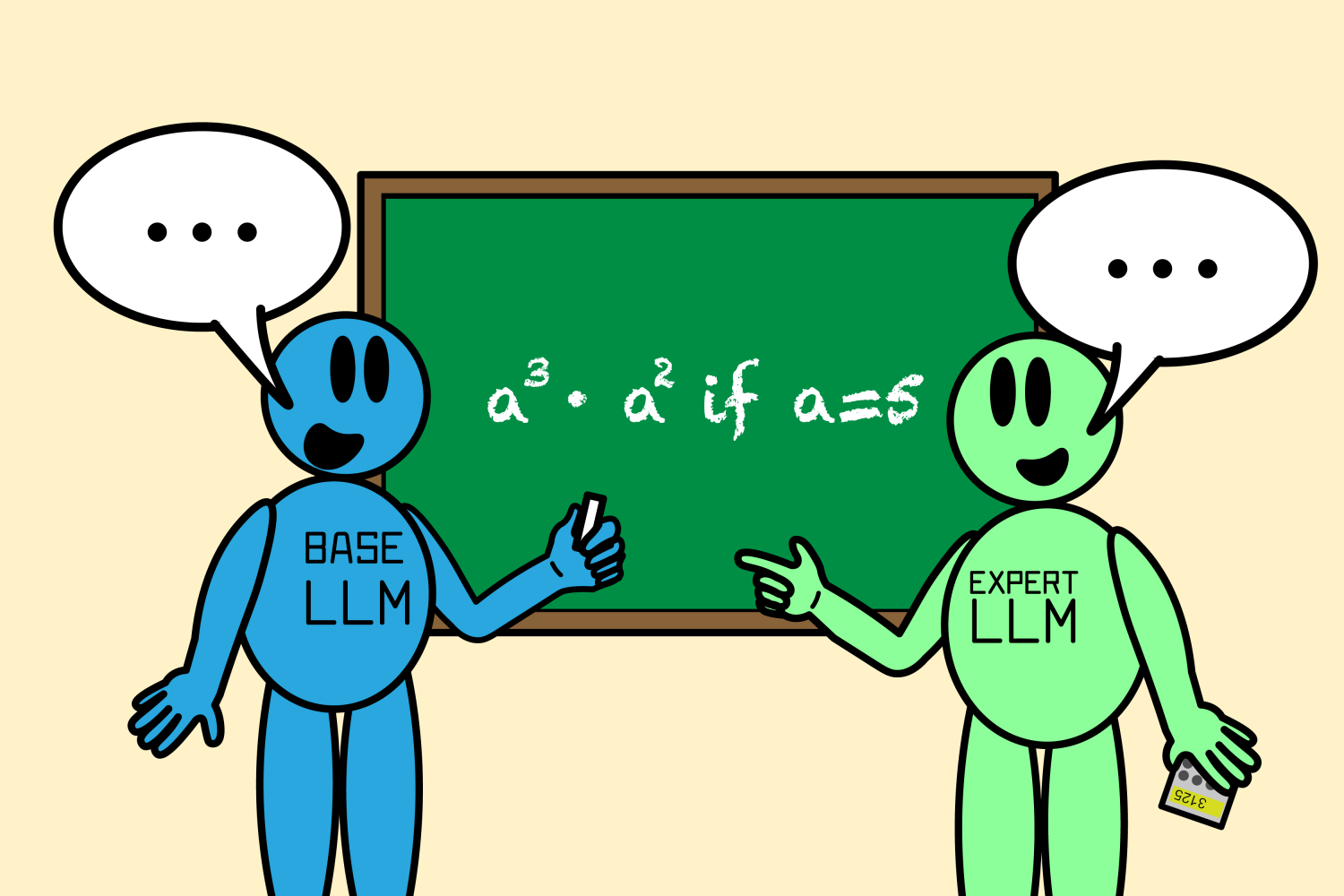
MIT's CSAIL researchers have developed Co-LLM, an algorithm that pairs general and expert language models to improve accuracy in answering complex questions, like medical and reasoning prompts. The innovative approach allows models to collaborate organically, similar to how humans seek help from experts, leading to more efficient and accurate responses.

NSWEduChat, developed to replace ChatGPT, saves teachers time. AI education tech to launch in NSW classrooms.

Kamala Harris and Donald Trump debated AI use in politics, revealing Republicans use AI-generated images, while Democrats post real photos. The aftermath showed differing approaches to AI in political messaging.

AI roast apps like Roastai.app and Roastedby.ai are gaining popularity as users willingly subject themselves to brutal insults for entertainment on platforms like r/RoastMe. The craft of creative insults is showcased as individuals eagerly invite harsh criticism from strangers online.

Prof Sir Martin Landray criticizes NHS clinical IT as 'devastatingly user-unfriendly', hindering adoption of AI. He highlights NHS lagging behind industries like banking and entertainment in data and technology use.
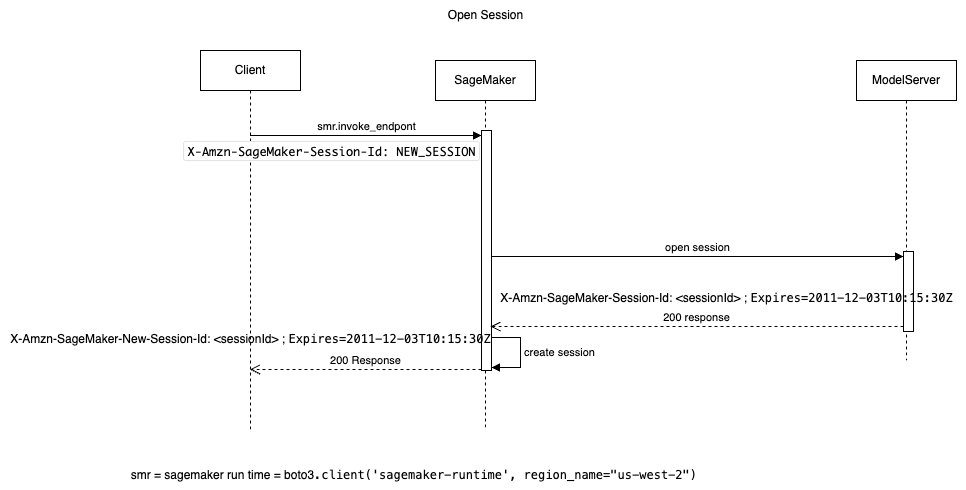
Amazon SageMaker offers fully managed ML services for building, training, and deploying models. Sticky session routing improves performance by reusing previously processed information, reducing latency for generative AI applications.

Meta defies EU privacy laws by moving forward with using UK Facebook and Instagram posts to train AI, despite concerns from the Information Commissioner's Office. The collision course with the EU highlights the ongoing battle between tech firms and regulators over user privacy.

Documentary producers release guidelines on ethical use of AI in Hollywood, addressing concerns over "fake archival" materials. Groundbreaking set of guidelines aims to help industry navigate use of generative AI in film-making.
Competition authorities must act swiftly to prevent tech giants like Nvidia from monopolizing AI market. Nvidia's rapid growth fueled by generative AI, powering major milestones like OpenAI's ChatGPT.

GenAI technology faces challenges with large documents in document summarization. RAG architecture offers solutions, but 'Lost in the Middle' context issues persist.
Google releases Gemini Live, a free voice-based AI chatbot for all Android users, allowing voice interactions with customizable responses. Gemini Live surpasses competitor OpenAI's Advanced Voice Mode feature of ChatGPT, setting a new standard in AI chatbot technology.
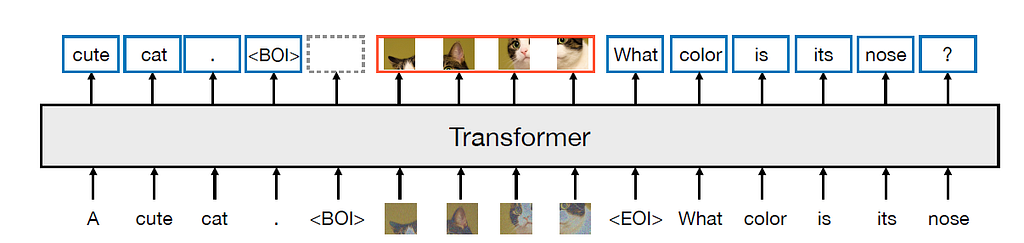
Meta and Waymo introduce Transfusion model combining transformer and diffusion for multi-modal prediction. Transfusion model uses bi-directional transformer attention for image tokens and pre-training tasks for text and image.
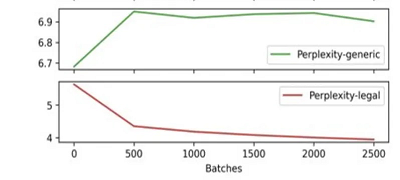
Thomson Reuters utilizes AI/ML to enhance professional information products, including cutting-edge LLMs for tailored customer experiences. Challenges include hallucinations, quality, and speed/cost limitations of existing LLMs in the AI-augmented world.

Researchers discover AI can change believers' minds on conspiracy theories, challenging conventional wisdom. Chatting with AI proves effective in altering mistaken beliefs, offering hope for combating dangerous misinformation.