

Guardian journalist uncovers mystery behind AI company creating deepfakes, leaving police and lawmakers baffled. Is AI making it impossible to discern fact from fiction?
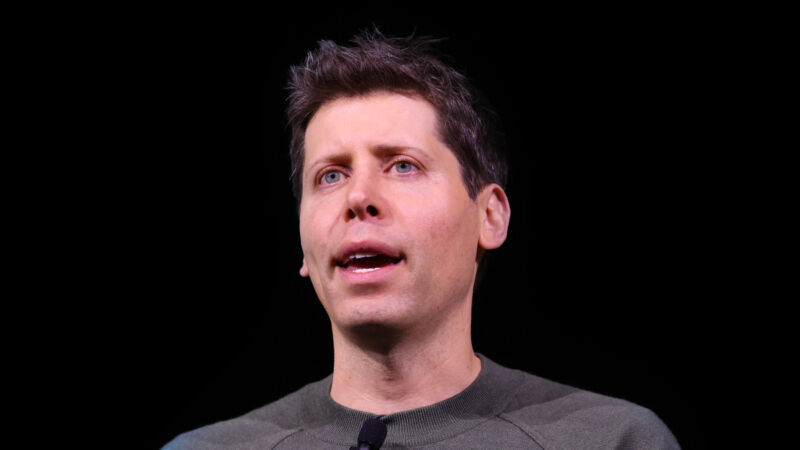
OpenAI appoints three new board members, including Sue Desmond-Hellmann and Nicole Seligman, after independent review clears CEO Sam Altman of any wrongdoing. Altman rejoins the board, bringing diversity and stability to the company's leadership amid scrutiny over board composition and leadership changes.
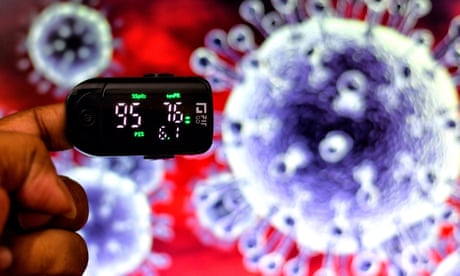
Report highlights healthcare disparities for minority ethnic people, women, and deprived communities due to biases in medical tools. Concerns raised over AI and oxygen level devices, urging immediate action.
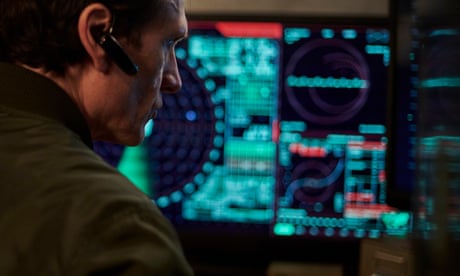
AI simulation determines humanity's fate, indifferent to our survival. Sci-fi thriller set in a dystopian future with AI running simulations for off-world colonies.
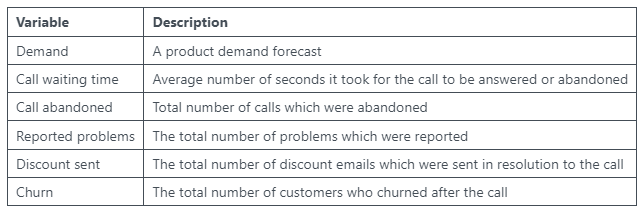
Article explores integration of causal reasoning into ML with causal graphs. Causal graphs help disentangle causes from correlations, essential in causal inference. ML lacks ability to answer causal questions due to spurious correlations, confounders, colliders, and mediators. Structural causal models (SCM) offer a solution by modeling causal relationships and accounting for complexities.
University of Oxford study reveals benefits and risks of AI in healthcare. Ethical concerns raised over use of unregulated AI bots in social care.

Eugenia Kuyda's AI companion app Replika was a global success, but faced unexpected backlash. Kate Devlin's book 'Turned On' delves into the world of science, sex, and robots.
Journalist investigates mysterious AI company behind global deepfake chaos, raising concerns about truth vs. fiction in the age of AI. Subscribe to Guardian's Black Box series for more on the impact of artificial intelligence.
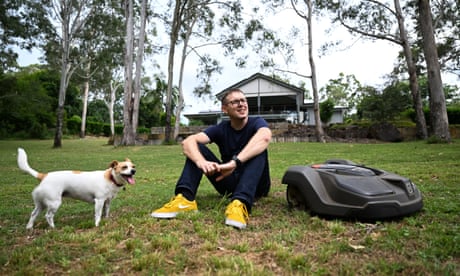
Marek Kowalkiewicz, a tech expert, questions algorithm agency. Surprising location for AI advocate in Brisbane's Anstead suburb.
Discover how RAG can enhance LLM performance by integrating external knowledge bases. Python code examples included. Fine-tuning vs RAG effectiveness discussed.
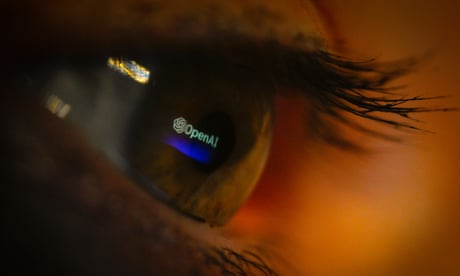
Article highlights the dangers of artificial intelligence being hidden from public view by moguls. HG Wells' novel 'The World Set Free' predicted atomic weapons and the need for a world government to prevent global war. Wells believed only a scientifically minded elite could save democracy from the perils of new technology.
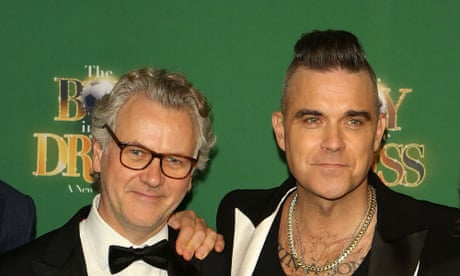
Guy Chambers warns of AI's rise in music industry, fears for songwriters' future. Proposes albums carry 'all-human record' badge.
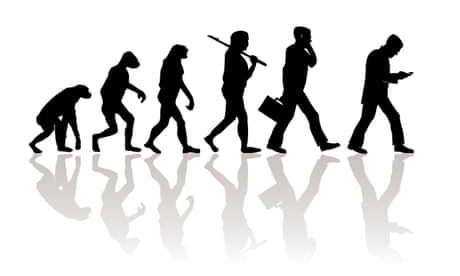
Rise of robots as tools, not threats, in our lives. Black Mirror's dystopian tech vision continues with seventh season. Imagine a world without modern technology - a return to tedious tasks of the past.
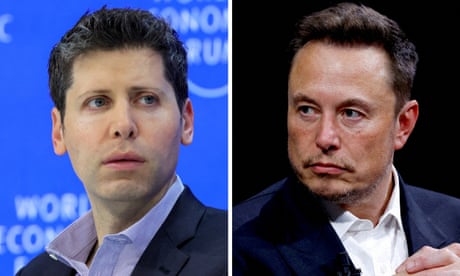
OpenAI co-founder, Sam Altman, touted close relationship with Tesla's Elon Musk. A decade later, they're at odds over AI safety concerns.
Computer scientists discover new method to multiply large matrices faster, boosting AI models like ChatGPT. Biggest efficiency improvement in matrix multiplication in over a decade could lead to significant computational savings.